Key Takeaways
- Zapier offers 9,000+ app integrations compared to Make's 3,500+, but Make can cost 50-90% less for high-volume workflows
- Make requires pre-built automations before AI agents can call them; Zapier lets agents act directly on connected apps
- Technical teams favor Make's visual builder for branching logic; non-technical users get productive faster with Zapier
The automation market has shifted from simple triggers to full AI agent orchestration, and the choice between Zapier and Make now hinges on a fundamental question: do you want agents acting directly on your apps, or do you want humans designing that access first? Zapier's 9,000+ integrations and direct agent access suit teams that prioritize speed. Make's visual canvas and lower per-operation pricing appeal to technical teams running high-volume, complex workflows.
Zapier published a detailed comparison positioning itself as the broader enterprise choice, while acknowledging Make's strengths for technically-inclined teams. The analysis reveals genuine trade-offs worth understanding before committing to either platform.
How do the platforms differ in AI agent architecture?
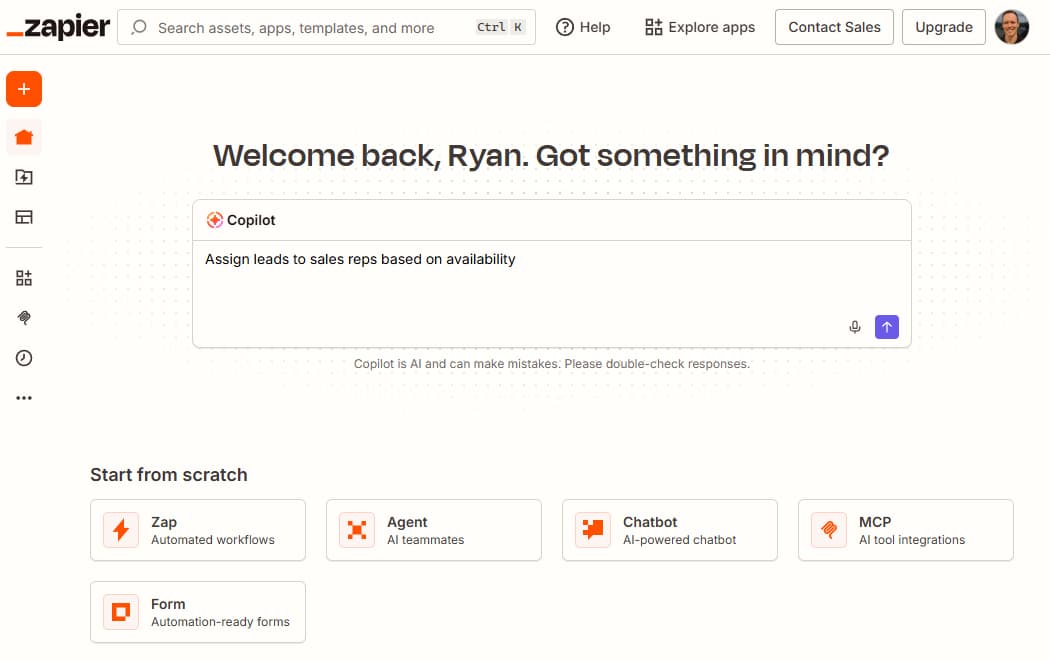
The core architectural difference matters more in 2026 than it did even a year ago. Zapier functions as what it calls an "AI orchestration platform" where agents can act freely across any connected app through chatbots, coding tools, or terminals. You describe a task; the agent handles execution across your 9,000+ possible app connections without requiring pre-designed workflows.
Make takes the opposite approach. Agents can only connect to workflows that already exist. Your team builds the automation logic first, then agents call those pre-built scenarios. This means more upfront design work, but also more predictable behavior when agents execute tasks.
Author Joanna Maciejewska's viral post captures the broader frustration driving this market: people want AI handling compliance review and help desk tickets, not creative work. Both platforms now target exactly this kind of drudgery elimination, but through different philosophies of control.
What's the real cost difference between Zapier and Make?
Sticker prices favor Make. Plans start at $9 per month compared to Zapier's $19.99. But the pricing models work differently in practice.
Zapier charges only for completed work actions. Triggers, filters, and failed steps don't count against your quota. Make consumes credits on every step, including polling and errors. For simple automations running occasionally, Make costs less. For complex workflows with many conditional branches, Zapier's model can prove more predictable.
Make's free tier includes 1,000 operations monthly, enough for testing complex multi-step scenarios. Zapier's free tier is more limited but sufficient for basic automations.
Which platform is easier to learn?
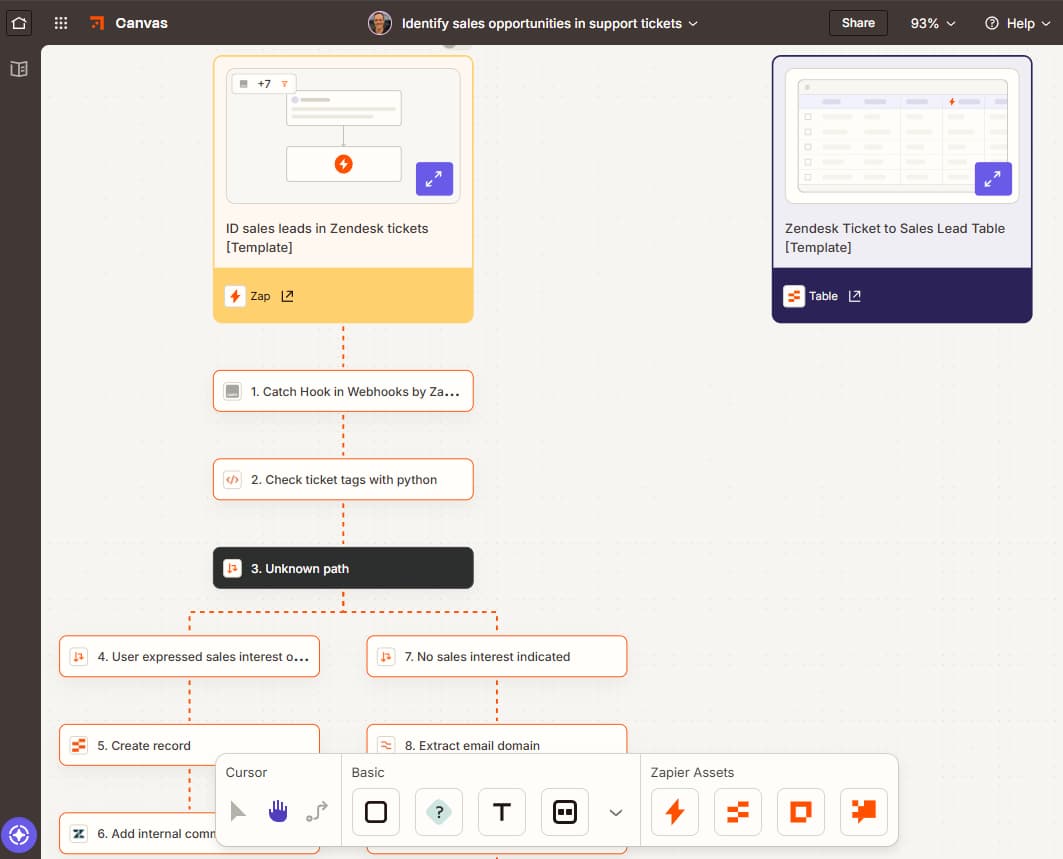
Zapier's accessibility has always been its strongest selling point. Zapier Copilot lets users describe what they want automated in plain language. The platform handles the rest.
“I can get someone who's only been here for a few weeks to set up an automation in Zapier, that's huge. Zapier makes it to where I can just go in and change one small thing when something changes versus opening a ticket and waiting for engineering support.”
— Korey Marciniak, Senior Manager of Customer Support Strategy and Operations at Okta
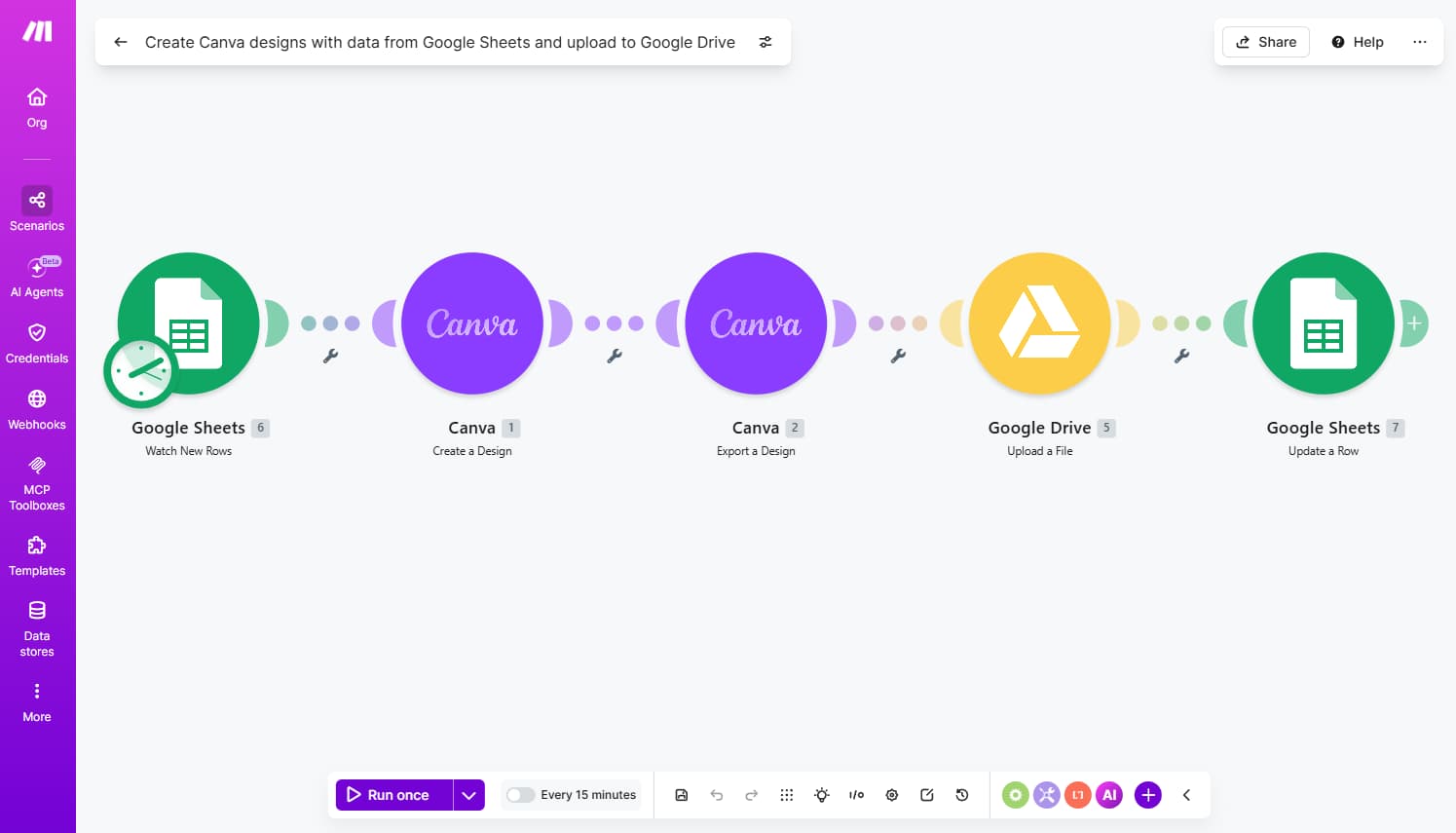
Make's visual builder offers deeper control but demands more investment. The canvas approach lets technical users see and manipulate complex branching logic visually, which power users appreciate. But the learning curve frustrates beginners.
Reddit discussions in r/automation frequently surface this tension. Developers often prefer Make once they've climbed the curve, particularly when Zapier's task-based pricing scales uncomfortably for large projects. Non-technical teams rarely make it over that initial hurdle.
How do integration ecosystems compare?
| Feature | Zapier | Make |
|---|---|---|
| Total integrations | 9,000+ | ~3,500+ |
| Maintenance | All officially maintained | ~900 community-maintained |
| Agent interfaces | MCP, SDK, CLI with direct app access | MCP, SDK, CLI limited to pre-built workflows |
| AI copilot | Zapier Copilot (production) | Maia (early access) |
| Starting price | $19.99/month | $9/month |
| Free tier operations | Limited | 1,000/month |
Zapier's integration count tripling Make's matters less than it used to. Most businesses need 10-20 core integrations, not 9,000. The question is whether your specific apps are covered, and whether the connectors are maintained reliably.
Make's community-maintained connectors introduce risk. Roughly 900 of its integrations depend on community updates, which can lag behind API changes or go unmaintained entirely. Zapier's official maintenance commitment reduces this friction.
What about enterprise security and governance?
Both platforms hold SOC 2 Type II, SOC 3, and GDPR compliance. The governance differences matter for larger organizations.
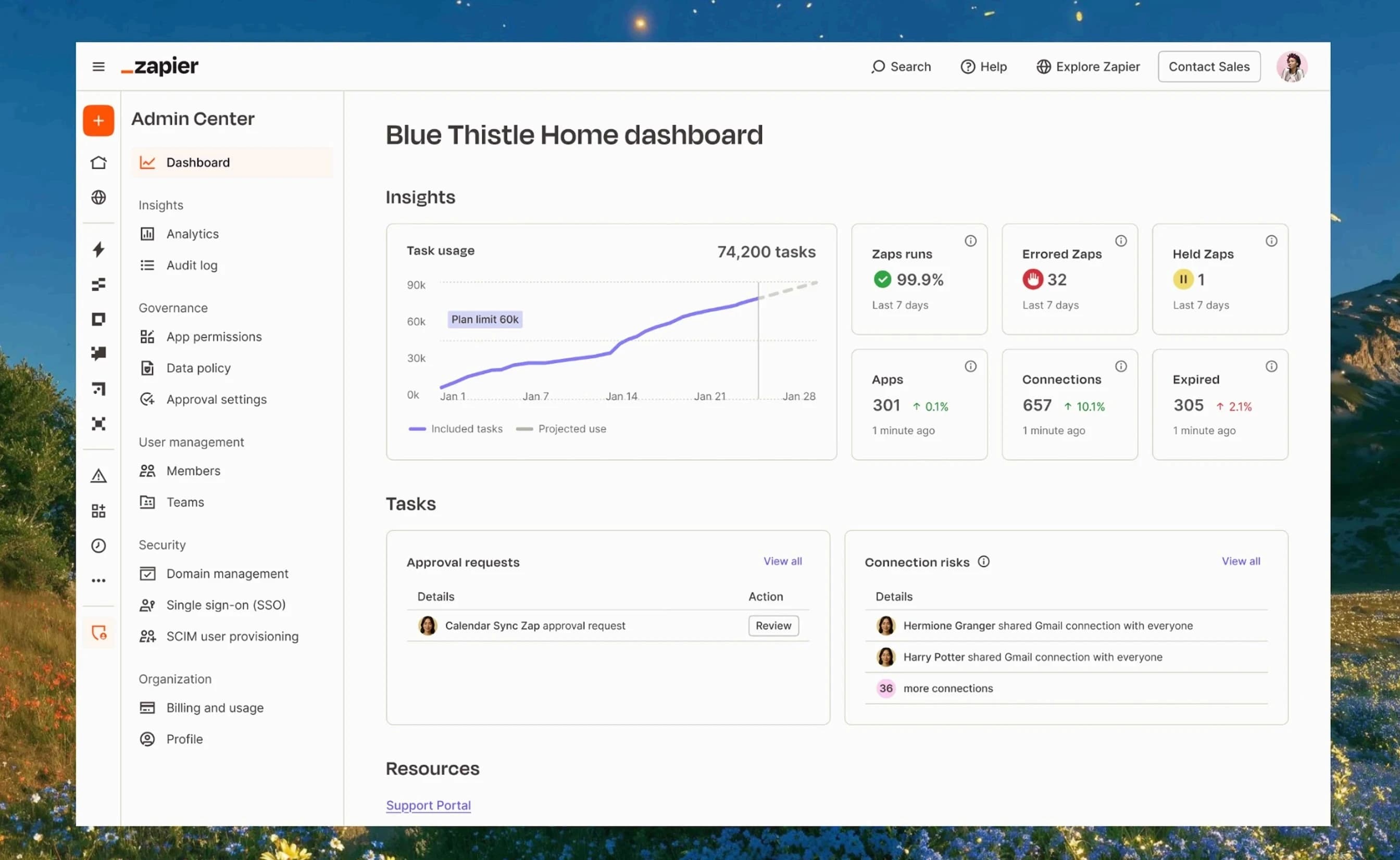
Zapier offers app-level allowlisting and pre-publish approval controls from a centralized Admin Center. IT teams can set guardrails while enabling business users to build their own automations. Connection event logs start on the Team plan.
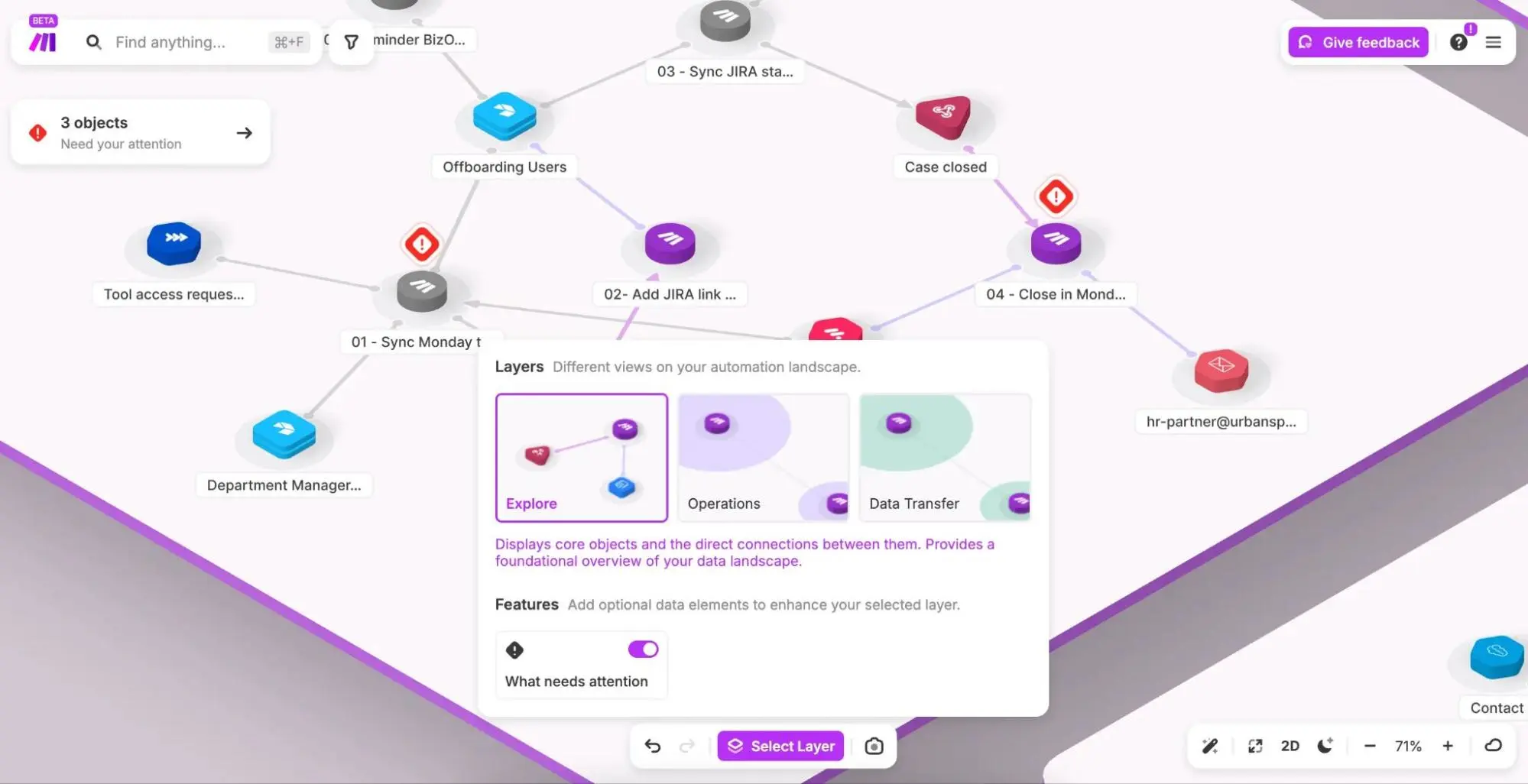
Make's Grid provides real-time observability into every scenario and connection, but audit logs require the Enterprise plan. Governance controls are less granular than Zapier's current offering.
When should you choose Make over Zapier?
Make wins when your team is technical, your workflows branch heavily, and you're running high volume. The visual canvas gives developers control that Zapier's linear approach can't match. At scale, that 50-90% cost savings compounds significantly.
If your organization values controlled, pre-designed automation logic over direct agent access, Make's architecture aligns better. The requirement to build workflows before agents can call them is a feature, not a limitation, for teams that want predictability.
When does Zapier make more sense?
Zapier suits organizations where non-technical users need to build and maintain automations without bottlenecking IT. The broader integration ecosystem reduces the chance of needing custom connector work. Direct agent access accelerates deployment when you trust the governance layer.
For enterprises already using many SaaS tools, Zapier's 9,000+ maintained integrations reduce connector risk. The predictable per-action pricing helps finance teams forecast costs, even if the sticker price runs higher than Make's.
Logicity's Take
This comparison comes from Zapier's blog, so the framing predictably favors Zapier. The real story is that neither platform dominates. Make has carved out a legitimate position among technical teams tired of paying Zapier's premium for simple high-volume tasks. Zapier's response has been expanding into full AI orchestration rather than competing on price. Both strategies can work. The winner depends entirely on your team's technical capacity and tolerance for upfront design work.
Frequently Asked Questions
Is Make really 50-90% cheaper than Zapier?
For high-volume, enterprise-level AI workflows with many operations, yes. But the savings depend on workflow complexity and failure rates, since Make charges for every step including errors while Zapier excludes failed steps from billing.
Can non-technical users learn Make?
They can, but the learning curve is steeper than Zapier. Make's visual canvas offers power that takes time to master, while Zapier Copilot lets users describe automations in plain language and builds them automatically.
Which platform has better AI agent capabilities?
Different approaches rather than better or worse. Zapier agents can act directly on any connected app without pre-built workflows. Make agents can only execute workflows that humans designed first, which offers more control but less flexibility.
How many integrations does each platform support?
Zapier supports 9,000+ apps, all officially maintained. Make supports approximately 3,500+ apps, with roughly 900 maintained by the community rather than Make's team.
Which is better for enterprise use?
Zapier offers more granular governance controls and audit logs at lower plan tiers. Make provides strong observability through Grid but reserves some security features for Enterprise plans. Both hold SOC 2 Type II compliance.
Need Help Implementing This?
Choosing between automation platforms requires understanding your team's technical capacity and workflow complexity. Contact Logicity for guidance on evaluating AI automation tools for your specific use case.
Source: The Zapier Blog
Manaal Khan
Tech & Innovation Writer
Produced with AI assistance and reviewed by the Logicity editorial team. Learn more in our Editorial Policy.