YMTC Expansion Plans: China's Memory Giant Adding Two More Wuhan Fabs With 50% Domestic Equipment
Key Takeaways
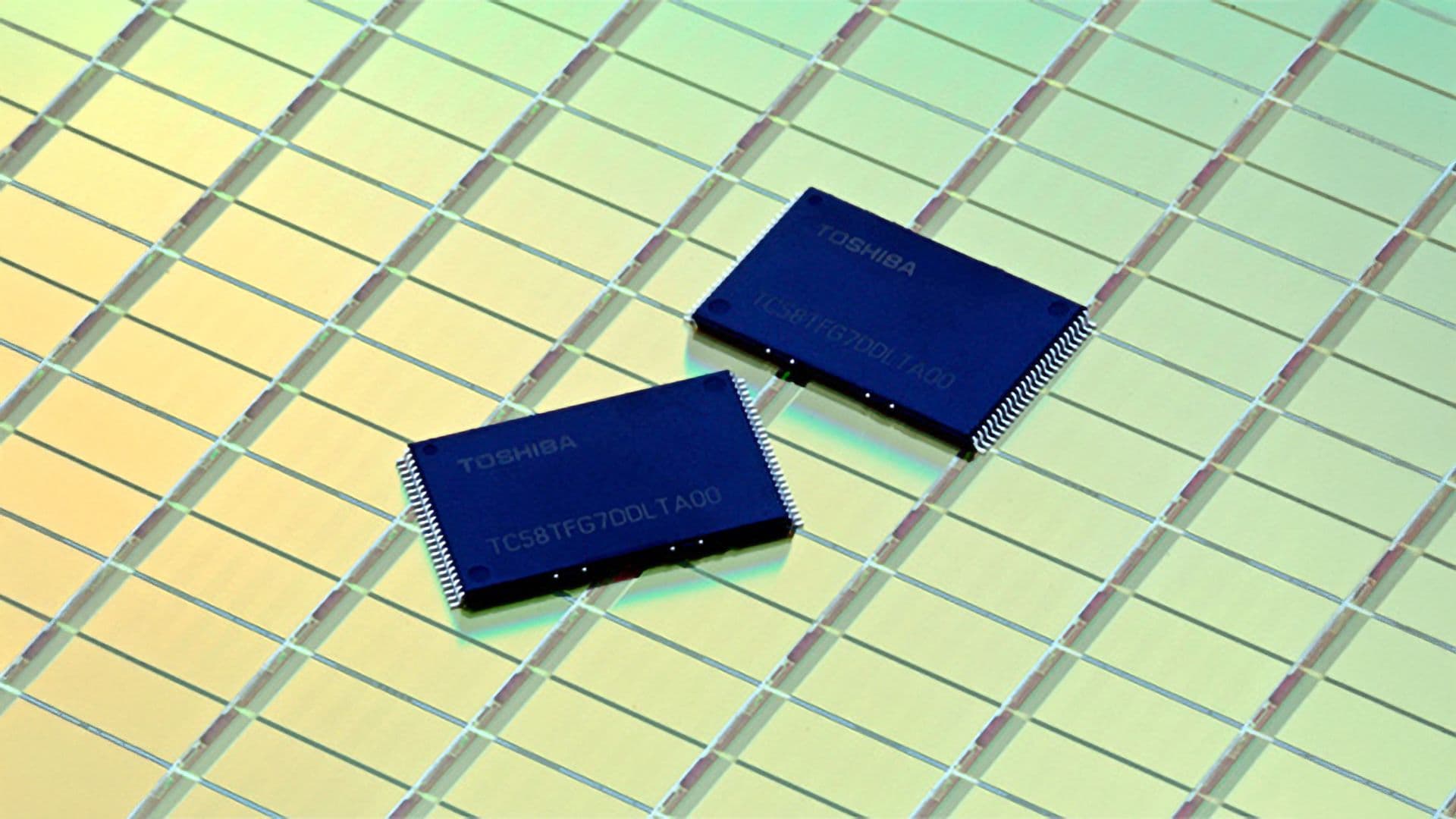
- YMTC's three new plants will each produce 100,000 wafers monthly at full capacity
- Phase 3 crosses the 50% domestic tooling threshold for the first time
- The company is allocating half of Phase 3 capacity to DRAM instead of NAND
- YMTC currently holds 11.8% of the global NAND market, tied with SanDisk

Read in Short
YMTC, China's biggest memory chip manufacturer, is planning two more fabs in Wuhan on top of the Phase 3 plant finishing this year. The kicker? More than half the equipment in Phase 3 comes from Chinese suppliers, up from 45% in existing plants. This is basically China's biggest test yet of whether domestic chipmaking tools can actually compete at scale.
Something big is brewing in Wuhan. Yangtze Memory Technologies, the company that's basically become China's flagship memory chip operation, just tipped its hand about some seriously ambitious expansion plans. According to Reuters sources, YMTC isn't stopping at the Phase 3 fab that's wrapping up construction this year. They're going for two more plants after that.
Let me put the numbers in perspective for you. Right now, YMTC's two existing Wuhan fabs pump out about 200,000 wafers per month combined. Each of these three new plants? They're designed to hit 100,000 wafers monthly at full capacity. So we're talking about potentially tripling their current output. That's not a small move.
Why the 50% Threshold Actually Matters
Here's the thing most people miss about this story. It's not just about building more factories. The real headline is where YMTC is getting their tools from.
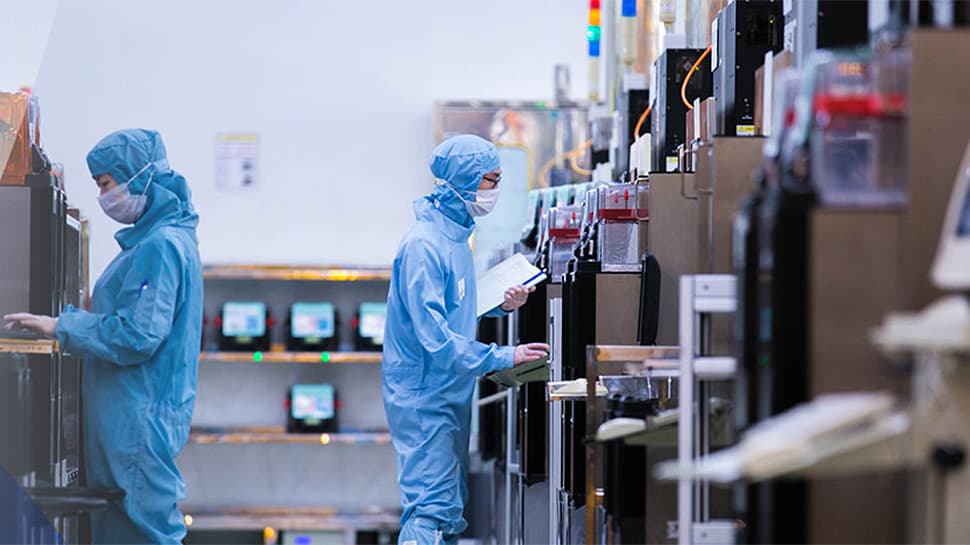
Phase 3 will be the first YMTC fab where more than half the equipment comes from Chinese suppliers. That includes the really tricky stuff like tools for vertical stacking of 3D NAND layers. Companies like Advanced Micro-Fabrication Equipment (AMEC) have stepped up since the US Commerce Department slapped YMTC on its Entity List back in 2022.
Before those restrictions? Phase 1 and Phase 2 were built mostly on Western gear. We're talking equipment from companies like ASML, the Dutch firm that makes those insanely expensive lithography machines everyone in the chip industry obsesses over. Once the Entity List designation hit, that supply line got cut off.
What's the Entity List?
The US Entity List is essentially a trade blacklist. Companies on it can't easily buy American technology or products that use American tech. For chipmakers, this means losing access to some of the world's most advanced manufacturing equipment. YMTC was added in December 2022.
The Big Gamble on Chinese Tools
So here's where things get interesting and a bit uncertain. Phase 3 is essentially a production-scale experiment. Can Chinese-made chipmaking tools actually deliver the yields needed for 3D NAND at volume? That's the billion-dollar question.
And honestly? The outlook isn't super rosy based on current numbers. Domestically manufactured equipment accounts for somewhere between 15% and 30% of the total tools used across Chinese fabs right now. Beijing has been pouring tens of billions into closing this gap, but throwing money at a problem doesn't guarantee you'll solve it.
The two additional fabs YMTC is planning are very much contingent on Phase 3 working out. If domestic tools can't maintain competitive yields, those expansion plans could get shelved or seriously delayed.
Another major industry shake-up involving massive capital investment and strategic pivots
YMTC's Surprise Move Into DRAM
But wait, there's more. YMTC isn't just doubling down on NAND flash memory. They're making a significant pivot toward DRAM production too.
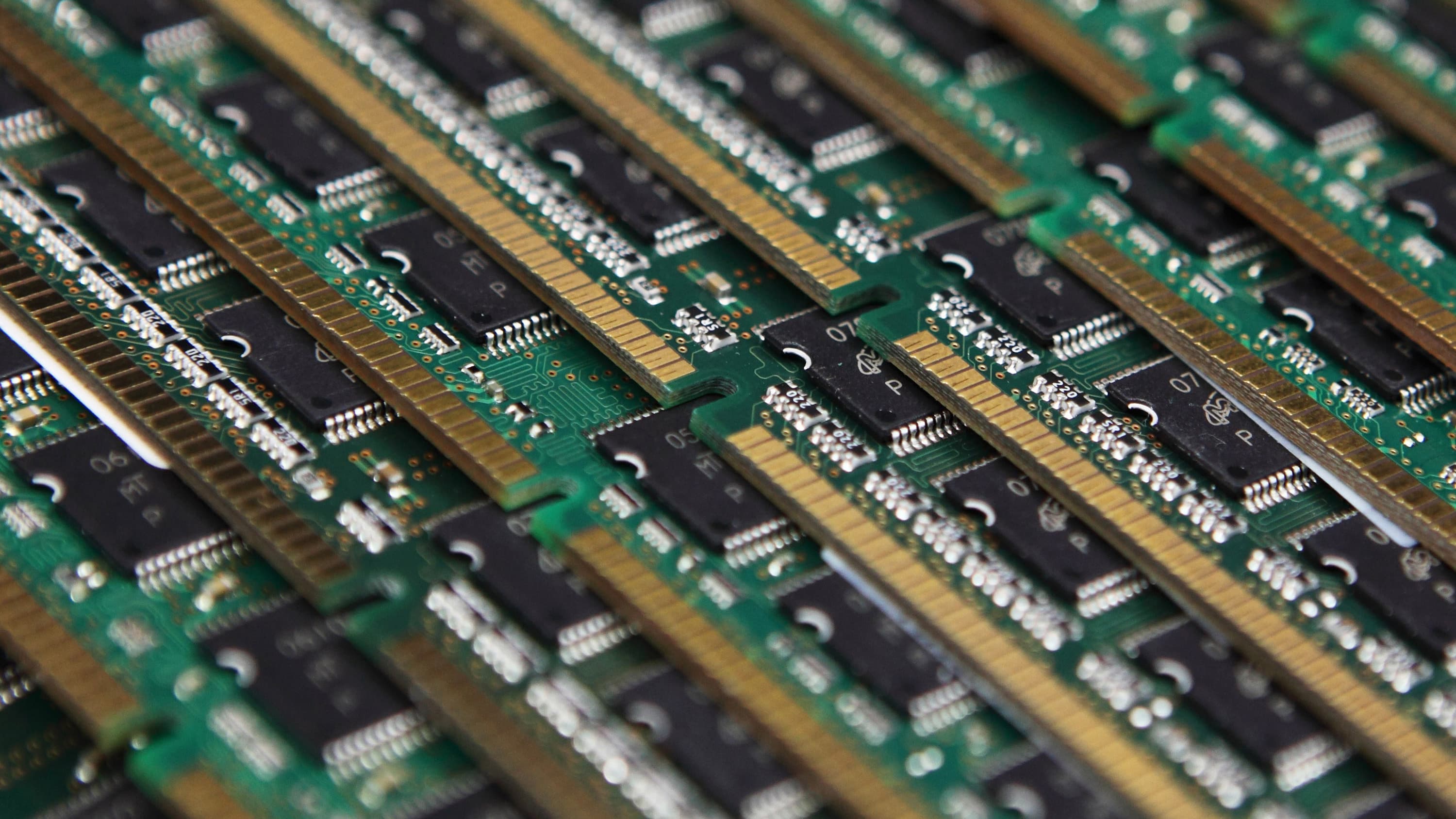
The company has decided to allocate around 50% of Phase 3's capacity to DRAM rather than NAND. That's a pretty bold shift for a company that built its reputation on NAND. They've already sent low-power DRAM samples to clients and are expecting feedback by year-end.
And there's an even more ambitious play in the works. YMTC is reportedly developing through-silicon via (TSV) packaging for high-bandwidth memory. That's the stacked DRAM technology used in AI accelerators, the chips powering all those AI training clusters everyone's building right now. If they can crack HBM production, that opens up a whole new revenue stream.
| Metric | Current (Phase 1+2) | Phase 3 (2027) | Full Expansion |
|---|---|---|---|
| Monthly Wafer Output | 200,000 | 50,000 initially | 500,000 potential |
| Domestic Tool % | ~45% | 50%+ | TBD |
| Primary Product | NAND | NAND + DRAM (50/50) | Mixed |
| Status | Operational | Equipment installation | Planning stage |
Where YMTC Stands Globally
Let's zoom out for a second. YMTC held 11.8% of the global NAND market in 2025, according to a UBS report. That puts them tied with SanDisk and trailing SK hynix. Not bad for a company that's only been around since 2016 and has been operating under US sanctions for nearly three years.
Both YMTC and fellow Chinese chipmaker CXMT are understood to be dramatically ramping up their DRAM and NAND production over the next two years. This is part of a broader Chinese strategy to reduce reliance on foreign chip supplies, which has only intensified since the trade tensions escalated.
The Bottom Line
This expansion tells us a couple of things. First, China is dead serious about building semiconductor self-sufficiency, even if it takes longer and costs more than using Western equipment. Second, the next few years are going to be a crucial test of whether Chinese chipmaking tools have actually reached the level needed for competitive volume production.
If Phase 3 delivers solid yields with its domestically-sourced equipment, expect those two additional fabs to move forward quickly. If it struggles? We might see these ambitions scaled back significantly.
Either way, the global chip industry is watching Wuhan very closely right now. What happens in those fabs over the next couple of years could reshape the competitive dynamics of the memory market for the next decade.
Frequently Asked Questions
What does YMTC stand for?
Yangtze Memory Technologies Co., Ltd. It's China's largest memory chip manufacturer, focused primarily on NAND flash and increasingly DRAM production.
Why can't YMTC just buy equipment from ASML?
YMTC was added to the US Entity List in 2022, which restricts their access to American technology and equipment that uses American components. ASML's advanced lithography machines fall under these restrictions.
What's the difference between NAND and DRAM?
NAND is non-volatile storage memory, like what's in your SSD or phone storage. DRAM is volatile memory used for active computing tasks. Your computer's RAM is DRAM.
When will YMTC's new fabs be operational?
Phase 3 is expected to begin operations late 2025 and reach 50,000 wafers per month by 2027. The two additional planned fabs don't have confirmed timelines yet.
Source: Latest from Tom's Hardware
Huma Shazia
Senior AI & Tech Writer
Produced with AI assistance and reviewed by the Logicity editorial team. Learn more in our Editorial Policy.