Key Takeaways
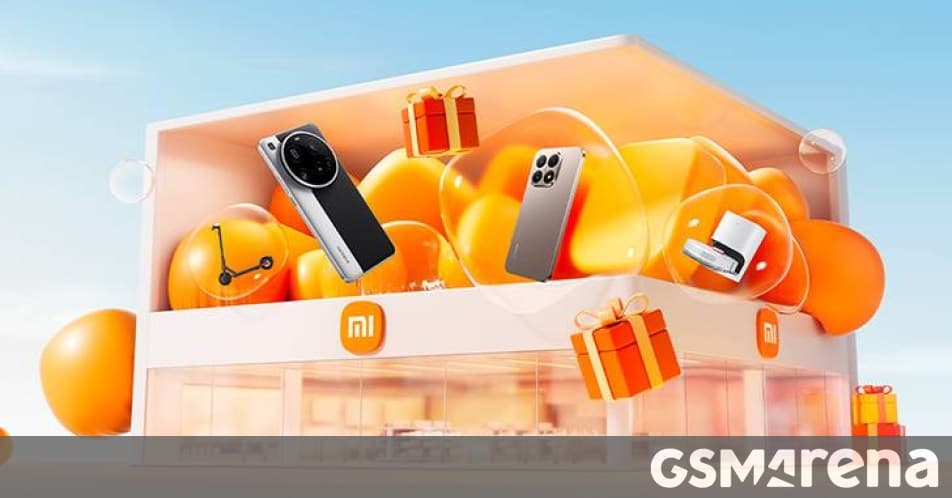
- Xiaomi shipped 33.8 million smartphones in Q1 2026, a 19.2% year-over-year decline
- Average selling price reached a record CNY 1,310, up 8% from Q1 2025
- Profit fell 43.1% to CNY 6.1 billion as component costs squeezed margins
The Numbers Tell Two Stories
Xiaomi's Q1 2026 earnings paint a picture of a company in transition. The headline number is brutal: 33.8 million smartphone shipments, down 19.2% compared to the same quarter last year. That's the steepest drop among the world's top five smartphone makers.
For context, Samsung grew 8.0% year-over-year. Apple grew 9.9%. Oppo and vivo saw declines too, but only 6.6% and 6.7% respectively. Xiaomi took the biggest hit.
But here's the other story. Xiaomi's average selling price climbed to CNY 1,310, up 8% from Q1 2025. That's a record for the company. In Q4 2025, ASP was CNY 1,211. The trend is clear: fewer phones, higher prices per unit.
Why the Shipment Drop?
Component costs. GSMArena's report points directly to "sky-high component prices" as the culprit behind Xiaomi's smartphone struggles. When parts cost more, a company that built its reputation on aggressive pricing faces a choice: absorb the margin hit or ship fewer units at higher prices.
Xiaomi chose the latter. Lu Weibing, Partner and President of Xiaomi Corporation, made the strategy explicit.
“We are transitioning from volume-led growth to value-led expansion, prioritizing our premium ecosystem over mere shipment numbers.”
— Lu Weibing, Partner and President of Xiaomi Corporation
This isn't spin. The numbers support it. The company's smartphone gross profit margin hit 10.1% in Q1 2026, reflecting pressure from component costs but also showing that Xiaomi is protecting per-unit profitability rather than chasing market share at any price.
Regional Position: Still Top 5 Everywhere That Matters
Despite the shipment decline, Xiaomi maintained its global #3 position behind Samsung and Apple. The company has enough cushion over Oppo (#4) and vivo (#5) that one bad quarter didn't cost it a ranking spot.
Regionally, Xiaomi holds:
- #2 in Latin America
- #3 in Europe, Africa, Middle East, and Southeast Asia
- #4 in India
- #3 in China with 16% market share at end of March
The India ranking is worth noting. Xiaomi once dominated that market. Dropping to #4 reflects both the component cost pressures and intensifying local competition.
Beyond Phones: Mixed Results
Xiaomi isn't just a smartphone company anymore. Its ecosystem products tell a mixed story.
Strong positions: Smart bands (#3 globally, #2 in China) and TWS earbuds (#2 globally and in China). These wearables and accessories continue to perform.
Weak spot: Tablets. Xiaomi fell out of the global top 3, dropping to #5 after a 13.6% decline. Meanwhile, Huawei surged 28.6% to claim #3, and Lenovo rose 20.0% to take #4. Xiaomi got squeezed from both sides.
The EV Wild Card
Xiaomi shipped 80,856 electric vehicles in Q1 2026. The newer Xiaomi YU7 series has already overtaken the original SU7 series in shipments. For a company that only entered the EV market recently, these are meaningful numbers.
This ties into Xiaomi's broader "Human x Car x Home" strategy. The idea: lock users into an ecosystem that spans smartphones, wearables, home devices, and now vehicles. If that ecosystem is sticky enough, Xiaomi can afford to lose some price-sensitive smartphone customers while retaining higher-value users.
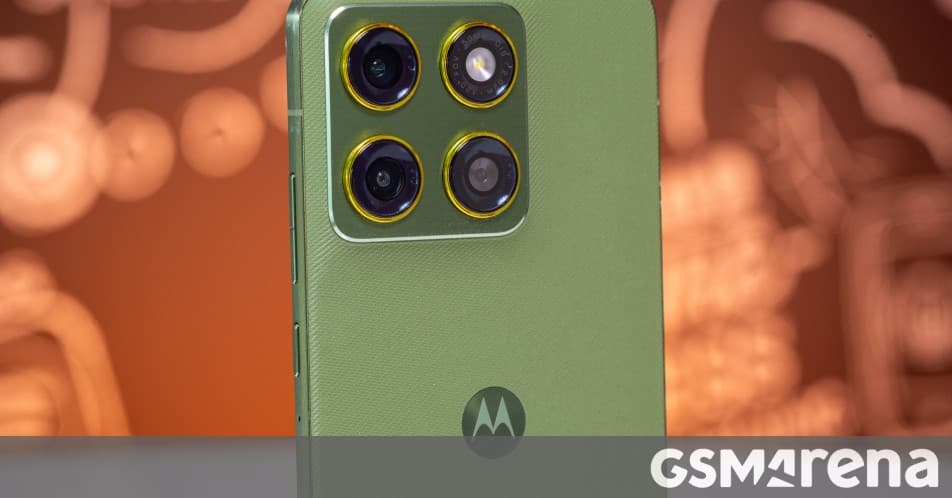
Xiaomi's latest flagship shows where the company is investing in premium hardware
The Bottom Line: Profit Down 43%
Xiaomi reported CNY 6.1 billion in profit on CNY 99.1 billion of revenue for Q1 2026. A year ago, Q1 2025 brought CNY 10.7 billion in profit on CNY 111.3 billion in revenue.
That's a 43.1% profit decline and an 11% revenue drop. The component cost squeeze is real. Higher ASP helps, but it doesn't fully offset shipping 19% fewer units.
What the Community Is Saying
Discussions on Reddit's r/Android and Hacker News center on one question: Can Xiaomi pull off a premium pivot without losing its core audience?
The irony isn't lost on enthusiasts. Xiaomi built its brand as the "flagship killer," offering near-flagship specs at mid-range prices. Now it's chasing the premium space Samsung and Apple occupy. Some see this as strategic maturity. Others see it as abandoning the users who made Xiaomi what it is.
The bet is that the ecosystem is the moat. If you own a Xiaomi phone, watch, earbuds, and car, switching to Samsung means replacing more than just a phone. That's the theory. Q2 and Q3 results will show if it holds.
Samsung's mid-range strategy as Xiaomi pivots away from volume competition
Logicity's Take
Frequently Asked Questions
Why did Xiaomi smartphone shipments drop in Q1 2026?
High component costs forced Xiaomi to prioritize profit margins over volume. The company shifted toward higher-priced devices rather than absorbing margin losses to maintain shipment numbers.
What is Xiaomi's average selling price in Q1 2026?
CNY 1,310, a record high for the company. This represents an 8% increase from Q1 2025 and continues the upward trend from Q4 2025's CNY 1,211.
Is Xiaomi still a top 5 smartphone maker globally?
Yes. Xiaomi maintained its #3 global position behind Samsung and Apple, despite having the largest year-over-year shipment decline among the top five vendors.
How many electric vehicles did Xiaomi ship in Q1 2026?
80,856 EVs. The Xiaomi YU7 series now outsells the original SU7 series, showing rapid growth in the company's automotive business.
What is Xiaomi's 'Human x Car x Home' strategy?
Xiaomi's ecosystem approach connecting smartphones, wearables, smart home devices, and electric vehicles. The goal is to create switching costs that keep users in the Xiaomi ecosystem even as individual product prices rise.
Need Help Implementing This?
Source: GSMArena.com / Peter
Huma Shazia
Senior AI & Tech Writer
Produced with AI assistance and reviewed by the Logicity editorial team. Learn more in our Editorial Policy.