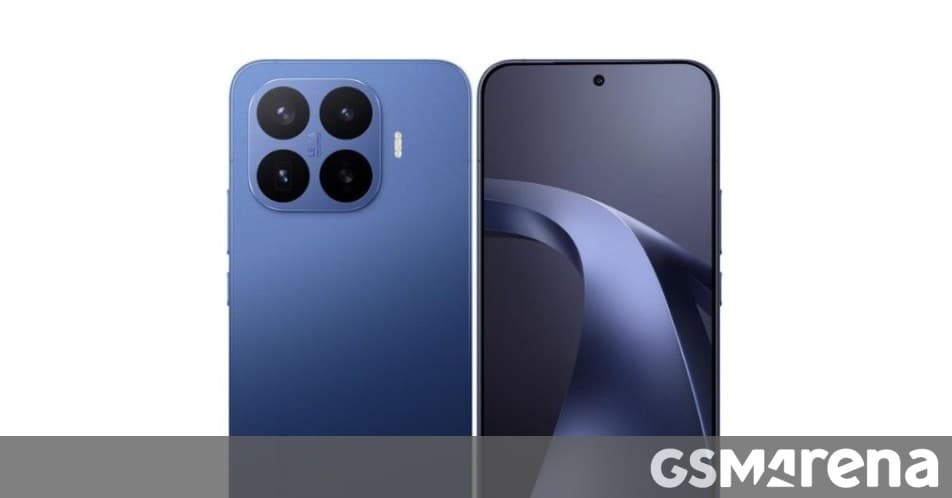
Key Takeaways
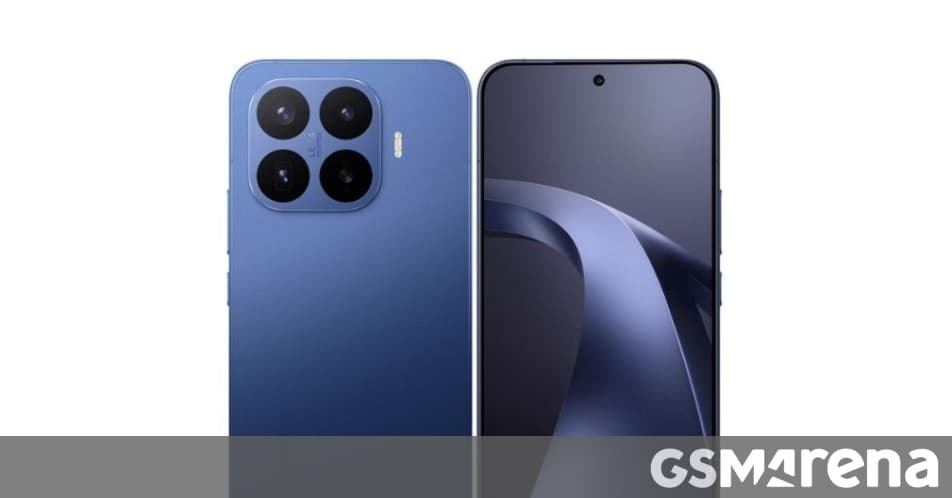
- Xiaomi 17T Pro confirmed with 7,000mAh silicon-carbon battery
- MediaTek Dimensity 9500 chipset powers the flagship
- Company claims 9.5 hours of continuous video recording
What Xiaomi Has Confirmed
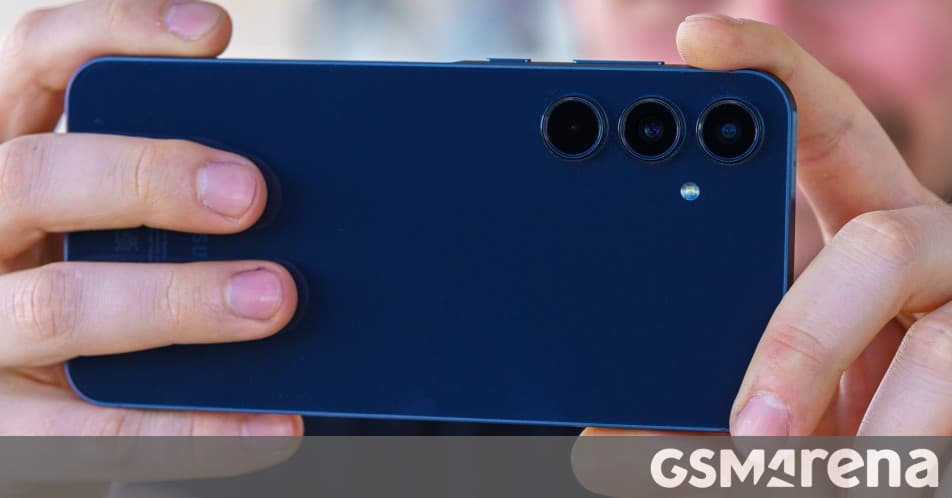
Xiaomi is going big on battery. The company has officially confirmed that the upcoming Xiaomi 17T Pro will pack a 7,000mAh silicon-carbon battery, a significant jump from typical flagship phone batteries that hover around 5,000mAh.
Silicon-carbon batteries represent a newer approach to mobile power storage. They allow manufacturers to pack more energy into the same physical space compared to traditional lithium-ion cells. For Xiaomi, this means promising up to 9.5 hours of continuous video recording on a single charge.
The phone will run on MediaTek's Dimensity 9500 chipset. Built on a 3nm process node, this chip should deliver strong performance while keeping power consumption in check. That combination of efficient silicon and massive battery capacity is clearly Xiaomi's pitch for the 17T Pro.
One detail Xiaomi hasn't revealed yet: charging speed. With a battery this size, charging time matters. If the company pairs this with 100W or faster charging, it addresses the main concern with big batteries. If not, users might face lengthy charging sessions.
Leaked Specs for Both Models
The Xiaomi 17T lineup will include two phones. Based on recent leaks, here's how they compare:
The standard Xiaomi 17T reportedly features a 6.59-inch display, a triple rear camera setup led by a 50MP primary sensor, a 32MP selfie camera, and a 6,500mAh battery. It's expected to run on the Dimensity 8500 chipset.
The Pro model steps up to a larger 6.83-inch display with a 144Hz refresh rate. It keeps the triple rear camera setup and 32MP front camera, but the battery jumps to 7,000mAh and the chipset upgrades to the Dimensity 9500.
| Spec | Xiaomi 17T | Xiaomi 17T Pro |
|---|---|---|
| Display | 6.59-inch | 6.83-inch, 144Hz |
| Battery | 6,500mAh | 7,000mAh (silicon-carbon) |
| Chipset | Dimensity 8500 | Dimensity 9500 |
| Main camera | 50MP | Triple rear setup |
| Front camera | 32MP | 32MP |
The Battery Technology Angle
Silicon-carbon batteries aren't entirely new, but they're becoming more common in flagship phones. The technology uses silicon in the anode, which can store more lithium ions than graphite. The result is higher energy density, meaning more capacity without proportionally more weight or thickness.
That said, skeptics have valid questions. A 7,000mAh battery will add weight. It will add thickness. Whether those trade-offs make sense depends on how Xiaomi balances the phone's overall design. The 9.5-hour video recording claim is impressive on paper, but real-world usage varies dramatically based on screen brightness, network activity, and recording resolution.
What the Community Is Saying
Discussions on Reddit's r/Xiaomi and r/Android forums show a split reaction. Many users are excited about the battery capacity, but they want to know the weight and thickness before passing judgment. Others are waiting for independent benchmarks to verify the 9.5-hour video recording claim under real conditions.
The Dimensity 9500 chipset is generating less debate. MediaTek's recent chips have earned respect for their efficiency and gaming performance. Paired with a massive battery, this could be a genuine endurance champion.
What's Still Unknown
- Charging speed: Critical for a 7,000mAh battery
- Weight and thickness: Will it feel like a brick?
- Camera sensor details for the Pro model
- Pricing for global markets
- Exact launch date
Xiaomi says the launch is coming in a few days. Expect full details then, including pricing and availability for different regions.
Logicity's Take
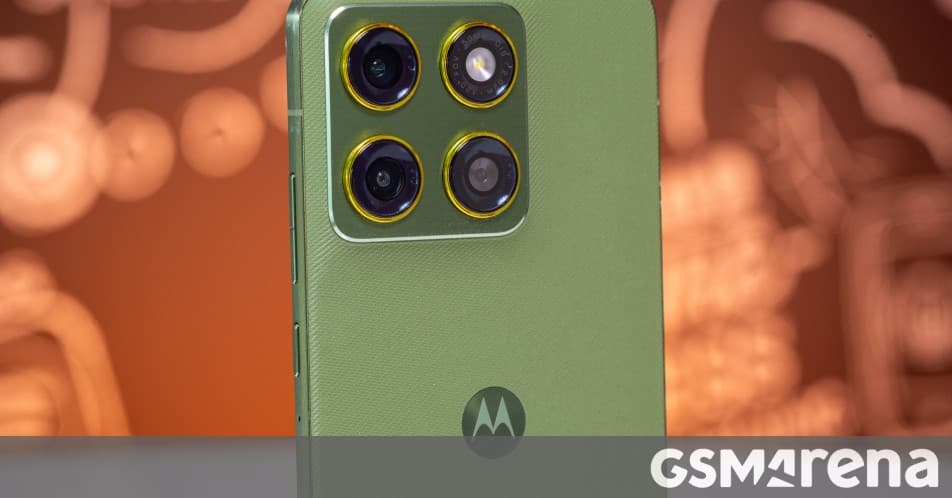
Another recent device pushing battery capacity boundaries
Frequently Asked Questions
When is the Xiaomi 17T Pro launching?
Xiaomi says the launch is coming in a few days but hasn't announced an exact date yet.
What chipset does the Xiaomi 17T Pro use?
The Xiaomi 17T Pro uses the MediaTek Dimensity 9500, a 3nm chipset designed for flagship performance and efficiency.
How long does the Xiaomi 17T Pro battery last?
Xiaomi claims the 7,000mAh silicon-carbon battery can deliver up to 9.5 hours of continuous video recording on a single charge.
What is a silicon-carbon battery?
Silicon-carbon batteries use silicon in the anode instead of pure graphite, allowing higher energy density. This means more battery capacity without proportionally increasing size or weight.
What's the difference between Xiaomi 17T and 17T Pro?
The Pro model has a larger 6.83-inch 144Hz display (vs 6.59-inch), a bigger 7,000mAh battery (vs 6,500mAh), and the faster Dimensity 9500 chip (vs Dimensity 8500).
Need Help Implementing This?
Source: GSMArena.com / Siddharth
Huma Shazia
Senior AI & Tech Writer
Produced with AI assistance and reviewed by the Logicity editorial team. Learn more in our Editorial Policy.