Key Takeaways
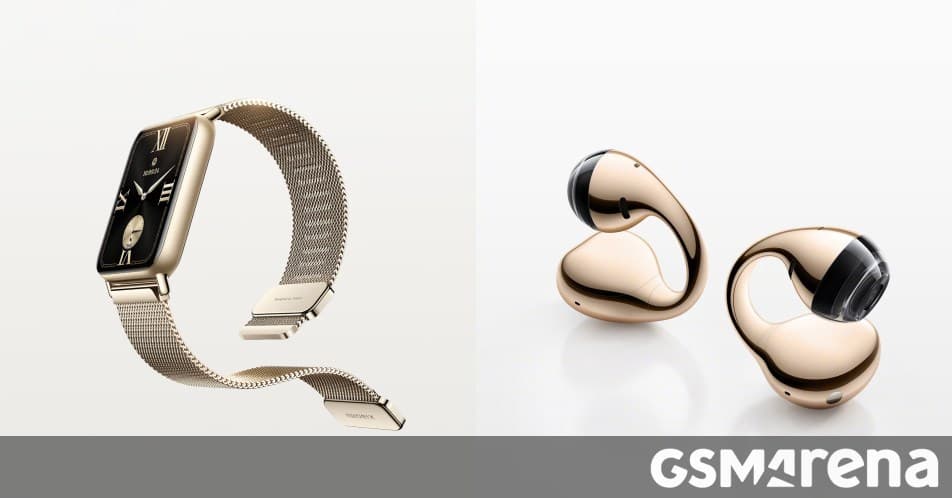
- Band 10 Pro features a 1.74-inch AMOLED display with 2,000 nits peak brightness, up from 1,200 nits on the Band 9 Pro
- New dual-light PPD sensor claims 98.2% heart rate accuracy with sleep HRV tracking
- Priced at CNY 399 ($59) for aluminum and CNY 479 ($70) for ceramic, with no international release confirmed
What's New in the Band 10 Pro
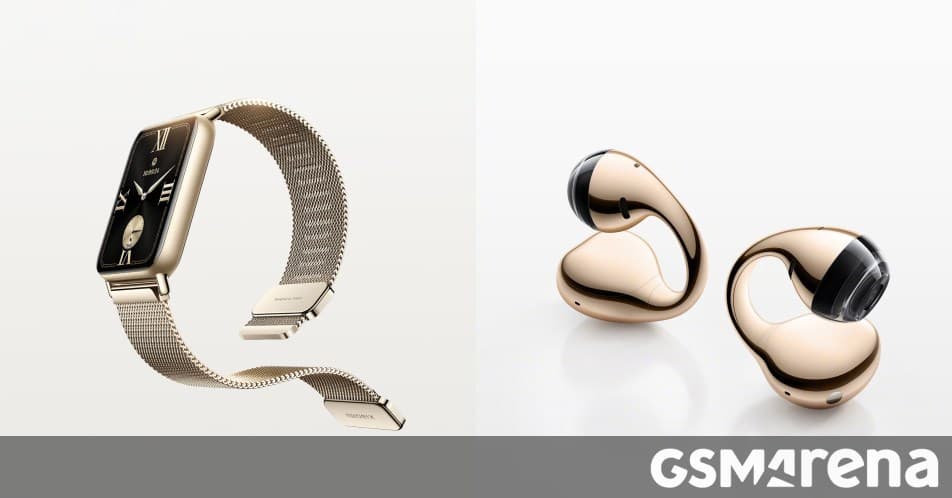
Xiaomi's latest fitness tracker succeeds last year's Smart Band 9 Pro with upgrades focused on display quality and health monitoring accuracy. The Band 10 Pro keeps the same 1.74-inch 2.5D curved AMOLED screen but pushes peak brightness to 2,000 nits. That's a 67% increase over the Band 9 Pro's 1,200 nits, making outdoor visibility noticeably better.
The display runs at 60Hz refresh rate. Xiaomi offers two body materials: an aluminum alloy version at 9.7mm thick and just over 21 grams without the strap, and a ceramic version that adds about 8 grams. Both carry 5ATM water resistance for swim tracking.
Health Tracking Gets More Precise
The headline spec is Xiaomi's new dual-light PPD sensor, which the company claims delivers 98.2% accuracy for heart rate readings. That's a specific figure, though real-world performance will need independent testing to verify.
Sleep tracking receives two updates. The Band 10 Pro adds heart rate variability (HRV) monitoring during sleep, a metric that measures recovery and stress levels. Xiaomi also introduced Sleep Algorithm 2.0 for what it calls more accurate sleep stage data.
Activity tracking covers over 150 exercise modes. Cyclists get a dedicated mode promising better stats. The band can also estimate fatigue levels during workouts.
Software and Battery
The Band 10 Pro runs on HyperOS 3. In China, buyers get NFC connectivity and the ability to use the band as a car key. Whether these features make it to international versions remains unclear.
Battery life stays at 21 days, matching the Band 9 Pro despite the brighter display. That suggests Xiaomi made efficiency gains elsewhere in the hardware.
| Spec | Band 10 Pro | Band 9 Pro |
|---|---|---|
| Peak brightness | 2,000 nits | 1,200 nits |
| Heart rate sensor | Dual-light PPD (98.2% claimed) | Standard PPD |
| Sleep HRV tracking | Yes | No |
| Battery life | 21 days | 21 days |
| Water resistance | 5ATM | 5ATM |
Pricing and Availability
The aluminum Band 10 Pro costs CNY 399, roughly $59 or €51. The ceramic version runs CNY 479, about $70 or €61. Both are available in China now.
Xiaomi hasn't confirmed plans for an international rollout. The company typically brings its Smart Band lineup to global markets a few months after China launches, but nothing is official yet.
Xiaomi's First Clip-On Earbuds
The same event introduced Xiaomi's first clip-on style open earbuds. These hook onto the ear rather than sitting inside the canal. Each earbud weighs 5.5 grams and packs an 11mm driver.
The earbuds include Xiaomi's Xiao Ai voice assistant with on-device translation and voice recording. Battery life hits 9 hours from the buds alone, extending to 38 hours with the charging case. They carry IP57 protection against dust and water.
Both products work with Apple devices and support Apple's Find My network. That's a practical addition for users in mixed-device households.
The clip-on earbuds come in black, white, and gold. Pricing is CNY 799, about $115 or €101. Like the Band 10 Pro, international availability isn't confirmed.
Logicity's Take
If you're considering Xiaomi wearables, you'll want to know what's coming to Android devices
Frequently Asked Questions
When will Xiaomi Band 10 Pro launch internationally?
Xiaomi hasn't announced international availability. The company typically brings Smart Band products to global markets a few months after China launches, but nothing is confirmed for the Band 10 Pro.
What's the difference between Band 10 Pro aluminum and ceramic versions?
The ceramic version weighs about 8 grams more than the aluminum model and costs CNY 80 more ($11). Both have identical features, display, and water resistance.
Does Xiaomi Band 10 Pro work with iPhone?
Yes. Xiaomi confirmed the Band 10 Pro is compatible with Apple devices and supports Apple's Find My network.
How accurate is the Xiaomi Band 10 Pro heart rate sensor?
Xiaomi claims 98.2% accuracy with its new dual-light PPD sensor. This figure comes from Xiaomi's own testing, and independent verification isn't available yet.
Need Help Implementing This?
Source: GSMArena.com / Michail
Huma Shazia
Senior AI & Tech Writer
Produced with AI assistance and reviewed by the Logicity editorial team. Learn more in our Editorial Policy.