Key Takeaways
- Microsoft extended free Windows 10 ESU to October 14, 2027 without formal announcement
- Around 400 million PCs cannot officially upgrade to Windows 11 due to hardware requirements
- Enrollment remains free via Microsoft account sync, 1,000 Rewards points, or a $30 one-time payment
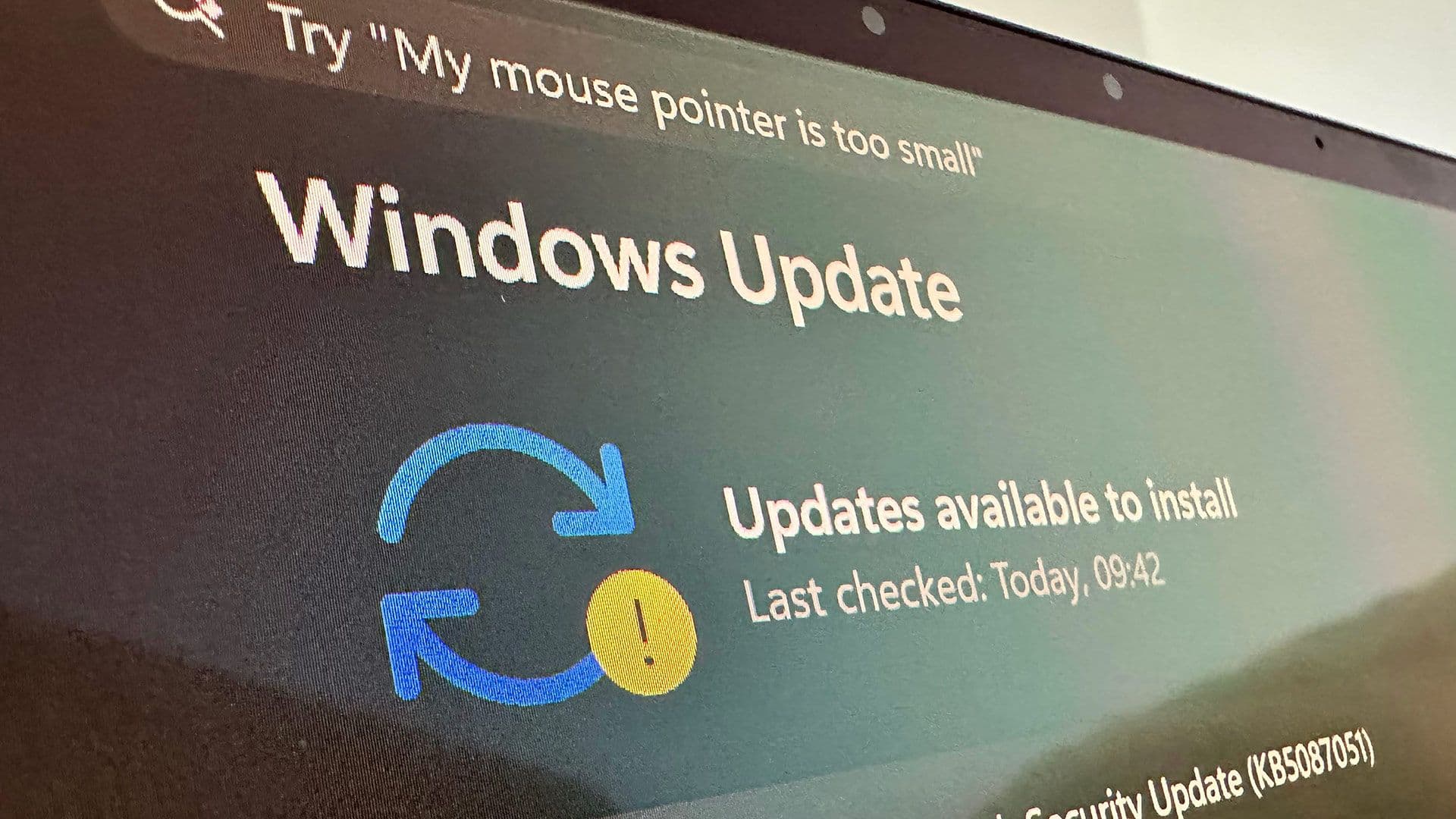
Microsoft has quietly extended its free Windows 10 Extended Security Updates program by another year. The new cutoff for critical patches is October 14, 2027, not 2026 as originally planned. The company made no announcement. Users discovered the change when Microsoft edited its Windows 10 ESU support page.
Devices already enrolled in the program roll over automatically. No action required. For the estimated 400 million PCs that cannot officially upgrade to Windows 11 because they lack TPM 2.0, Secure Boot, or a supported processor, this buys meaningful time.
Why did Microsoft extend free Windows 10 security updates?
Speaking to BleepingComputer, Microsoft said the extension reflects "our ongoing commitment to helping customers stay secure during the transition." The company added that the extra year gives users "more time and flexibility to find the best PC for their needs while keeping them protected."
Translation: millions of users are stuck. Windows 11 has climbed to roughly 73% of desktop share, leaving Windows 10 at 26%. But that remaining slice includes the hard cases. These aren't procrastinators. They're people with hardware that Microsoft itself locked out of Windows 11.
How to enroll in the Windows 10 ESU program
Enrollment options haven't changed. You can get in for free by syncing your PC settings to a Microsoft account through Windows Backup. Alternatively, redeem 1,000 Microsoft Rewards points. If neither works, pay $30 once.
European users get a simpler deal. After pushback from consumer advocacy groups, Microsoft now lets them enroll at no cost just by signing in with a Microsoft account. A single ESU license covers up to 10 devices tied to the same account.
One catch: the program is strictly for personal devices. Machines joined to Active Directory, Microsoft Entra, or managed through Mobile Device Management are considered corporate-controlled and don't qualify. If your personal laptop has a work account added but isn't organization-owned, you're still eligible.
Why upgrading hardware isn't simple right now
The obvious answer to an old PC is a new one. But timing is terrible. DRAM contract prices have roughly doubled since early 2024, driven by Samsung, SK Hynix, and Micron diverting wafer capacity toward high-bandwidth memory for AI accelerators. Prices are expected to double again.
IDC projects PC, tablet, and smartphone prices will rise 10% to 20% through the end of 2026. Memory now accounts for a much larger share of a system's bill of materials than it did two years ago. For users weighing a $30 patch fee against a $700+ laptop, the math is obvious.
What happens after October 2027?
Microsoft hasn't committed beyond 2027. If you're planning to ride Windows 10 indefinitely, you have options outside Redmond.
Security firm 0patch has pledged to provide unofficial Windows 10 micropatches through 2030. The End of 10 initiative is pushing Linux migration for users whose machines can't run Windows 11. Neither is as seamless as official updates, but both are real lifelines for aging hardware.
The quiet announcement says plenty
Microsoft didn't hold a press event. It didn't send emails. It just edited a support page. That silence is telling. The company clearly doesn't want to trumpet an extension that implicitly admits Windows 11 adoption is slower than hoped and that hardware requirements created a problem it's still managing.
For users, the upside is simple: another year of cover. Whether Microsoft extends again in 2027 depends on how many holdouts remain and whether AI-driven memory prices have eased enough to make new hardware palatable.
Frequently Asked Questions
Is Windows 10 ESU really free for consumers?
Yes. Consumers can enroll for free by syncing to a Microsoft account, using 1,000 Rewards points, or paying a one-time $30 fee. European users can enroll simply by signing in with a Microsoft account.
How many devices does one Windows 10 ESU license cover?
A single license covers up to 10 devices tied to the same Microsoft account.
Can business PCs get free Windows 10 ESU?
No. Devices joined to Active Directory, Microsoft Entra, or managed through MDM are considered corporate and must use paid enterprise ESU options.
What happens to Windows 10 after October 2027?
Microsoft hasn't announced plans beyond 2027. Third-party options like 0patch (micropatches through 2030) or Linux migration remain alternatives for users who can't upgrade.
Why can't some PCs upgrade to Windows 11?
Windows 11 requires TPM 2.0, Secure Boot, and specific processors. An estimated 400 million PCs fail these requirements and can't officially upgrade.
Logicity's Take
This silent extension is a tacit admission that Microsoft's Windows 11 hardware requirements created an awkward transition gap. With 400 million ineligible PCs and surging hardware costs, Microsoft is choosing ongoing security support over the reputational risk of a mass unpatched-device crisis. Expect at least one more extension before 2030.
Related: how semiconductor advances are reshaping hardware timelines
Need Help Implementing This?
If your organization is managing a mixed Windows 10/11 fleet and needs guidance on ESU enrollment, device eligibility, or migration planning, reach out to Logicity's advisory network for expert consultation.
Source: Latest from Tom's Hardware
Huma Shazia
Senior AI & Tech Writer
Produced with AI assistance and reviewed by the Logicity editorial team. Learn more in our Editorial Policy.