Key Takeaways
- A single Nvidia H200 chip relies on dozens of specialized suppliers across multiple continents
- GDDR7 memory price hikes from Samsung, SK hynix, and Micron are directly inflating consumer GPU costs
- Niche suppliers like ASML and Ajinomoto control critical chokepoints that can halt production for months
Graphics cards are expensive. You know this. But do you know why? A new supply chain diagram making the rounds on Reddit offers a surprisingly clear answer. It maps every step required to produce a single Nvidia H200 AI chip, and the picture it paints is one of extreme fragility.
Business data firm Veridion created the Sankey diagram and shared it on the r/nvidia subreddit. While the H200 is an AI megachip (not a gaming GPU), the supply chains overlap significantly. The same fabs, memory makers, and chemical suppliers that build $30,000 AI accelerators also make the silicon in your RTX 5070 Ti.
The Anatomy of a Modern Chip
The diagram traces every major component and supplier feeding into the H200. TSMC fabricates and packages the GPU die at its 4nm node. Samsung, SK hynix, and Micron supply the high-bandwidth memory (HBM). ASML provides the extreme ultraviolet lithography machines that make sub-5nm fabrication possible. Dozens of other companies supply substrates, chemicals, testing equipment, and packaging materials.
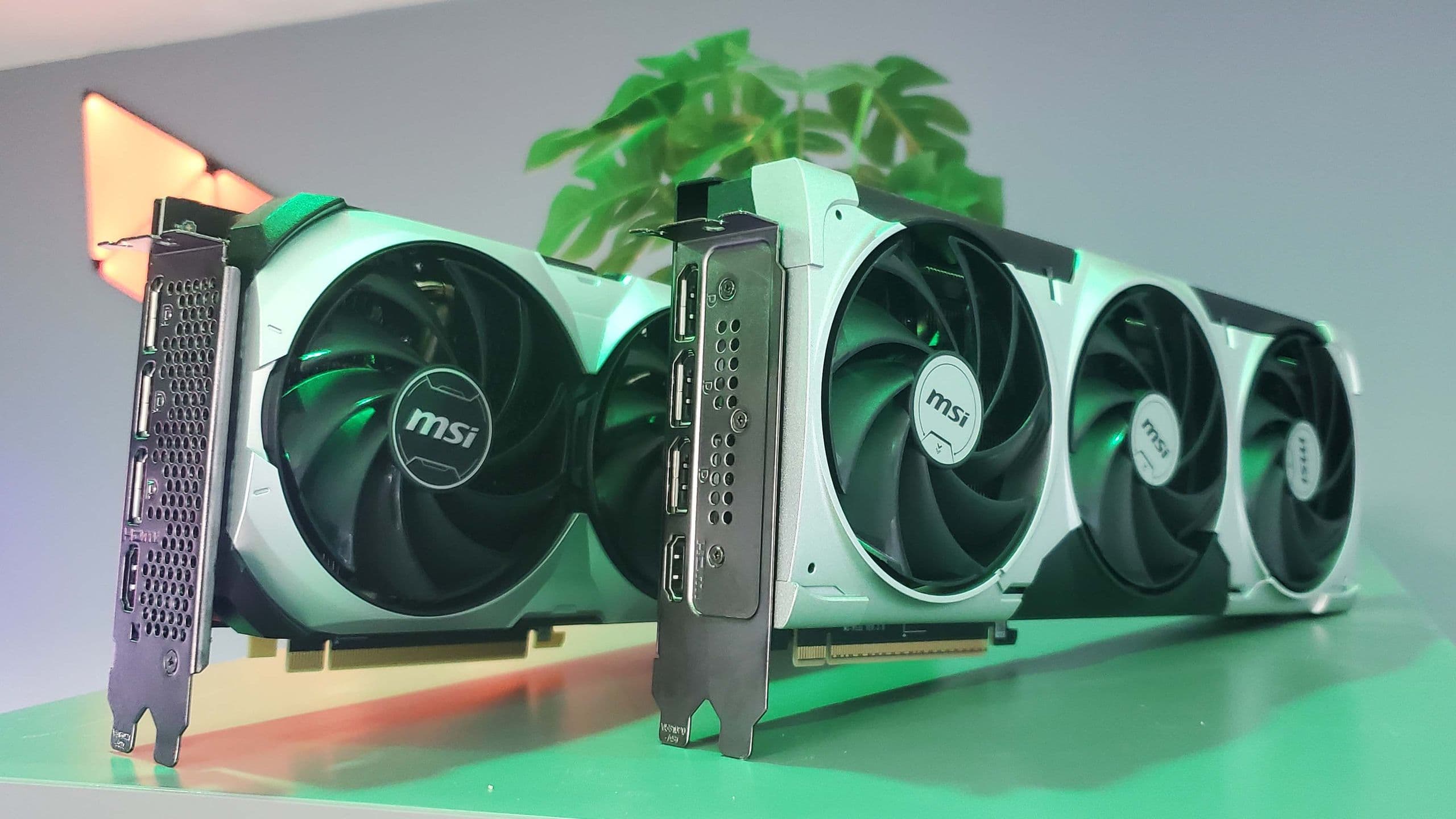
Every GeForce RTX 50-series card uses a GPU made by TSMC. Most of them have GDDR7 memory from Samsung, SK hynix, or Micron. The RTX 5050 uses GDDR6, but even that comes from the same three companies. The supply chain for a consumer graphics card would be even more complex than the H200 diagram. You'd need to add PCB suppliers, capacitor manufacturers, cooling system vendors, and video output socket makers.
“The H200 isn't just a chip; it's the culmination of a global supply chain where a single failure at an obscure Tier 3 supplier can halt production for months.”
— Maria Ionescu, Lead Supply Chain Analyst at Veridion
The Hidden Chokepoints
What makes this supply chain so vulnerable? Concentration. A handful of companies hold monopoly or near-monopoly positions at critical steps.
- ASML is the only company on Earth that makes EUV lithography machines. No ASML, no advanced chips.
- TSMC handles the vast majority of advanced node fabrication. Intel and Samsung are years behind.
- Three memory makers (Samsung, SK hynix, Micron) control virtually all GDDR7 and HBM production.
- Ajinomoto (yes, the food company) makes ABF substrate film used in nearly all high-performance chip packaging.
HackerNews commenters pointed out the Ajinomoto dependency as a perfect example of hidden risk. Most people have never heard of ABF substrate. But without it, modern GPUs cannot be packaged. Supply chain resilience in AI and gaming hardware depends on niche chemical firms that rarely make headlines.
Why Your RTX Card Costs What It Does
The diagram helps explain the current pricing crisis in consumer GPUs. Graphics cards are expensive right now for one main reason: GDDR7 memory prices. Samsung, SK hynix, and Micron have all raised their prices. That cost increase flows directly to Nvidia, which passes it to board partners like Asus, MSI, and Gigabyte, who pass it to you.
If key suppliers to TSMC did the same thing, the situation would get worse. Nvidia would pay more to have its GPUs fabricated. That cost would also land on your credit card.
Reddit users noted that the diagram makes high GPU prices easier to understand. They pointed to competition for TSMC's advanced packaging facilities (CoWoS) as a major driver of supply constraints. AI chips like the H200 and consumer GPUs are fighting for the same limited fab time.
Thin Inventory, High Risk
You might assume that companies like Asus, MSI, and Gigabyte keep large stockpiles of components to buffer against supply shocks. They don't. PCGamer's visit to MSI's motherboard factory revealed that inventory levels are far lower than most people expect. Just-in-time manufacturing keeps costs down but leaves little margin for error.
Right now, there's no major shortage of graphics cards on shelves. The availability problem has eased. The price problem has not. Every step in the chain has pricing power, and several key players are exercising it.
The Broader Picture
The H200 supply chain diagram is a reminder that modern hardware is a global collaboration. Silicon designed in California, fabricated in Taiwan, packaged with Japanese substrates, stuffed with Korean memory, and assembled in China. A trade dispute, natural disaster, or capacity crunch at any point can ripple through the entire system.
For consumers, there's no quick fix. GPU prices are high because the supply chain is tight and concentrated. Until memory prices stabilize or new fab capacity comes online, expect to pay a premium for your next graphics card.
Logicity's Take
Frequently Asked Questions
Why are graphics cards so expensive right now?
The main driver is GDDR7 memory prices. Samsung, SK hynix, and Micron have raised their prices, and those increases flow through to consumer GPU costs. Limited fab capacity at TSMC also contributes.
What is the Nvidia H200 chip?
The H200 is an AI accelerator chip designed for data center workloads. It costs around $30,000 per unit and shares many supply chain elements with consumer GeForce GPUs.
Who makes the GPUs in Nvidia graphics cards?
TSMC fabricates and packages the GPU dies for all GeForce RTX 50-series cards. Nvidia designs the chips but outsources manufacturing.
What is ABF substrate and why does it matter?
ABF (Ajinomoto Build-up Film) is a critical material used in high-performance chip packaging. Ajinomoto, a Japanese company, controls most of the global supply.
Will GPU prices come down soon?
Not likely in the near term. Memory prices remain elevated, and demand for AI chips is competing with consumer GPUs for limited fab capacity.
Another look at critical infrastructure with concentrated supply chain risks
Need Help Implementing This?
Source: PCGamer latest
Manaal Khan
Tech & Innovation Writer
Produced with AI assistance and reviewed by the Logicity editorial team. Learn more in our Editorial Policy.