Key Takeaways
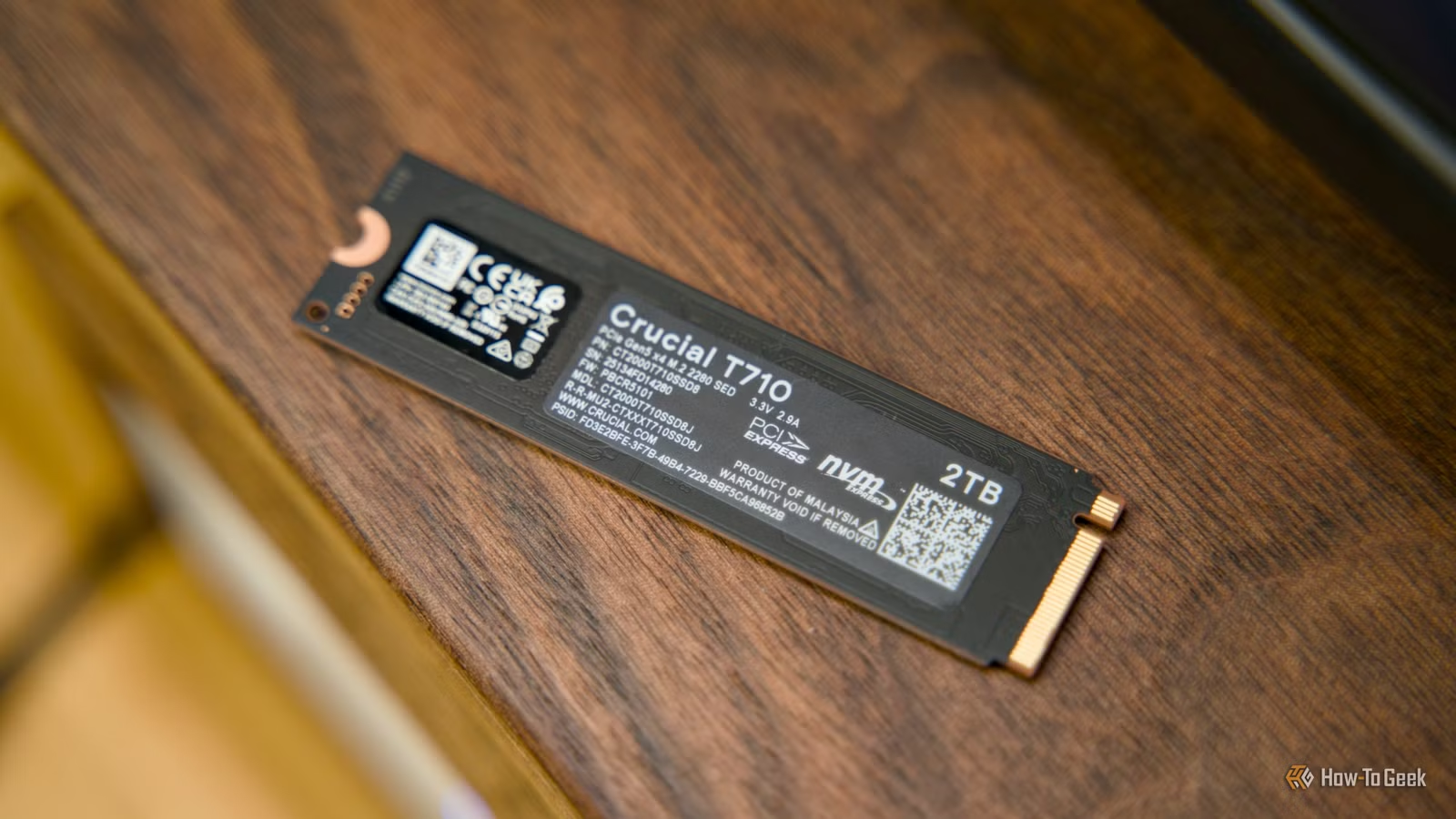
- Most SSD maintenance advice dates from early consumer drives and no longer applies
- Modern SSDs handle wear leveling automatically without user intervention
- Following outdated SSD rules can waste time or actually harm drive performance
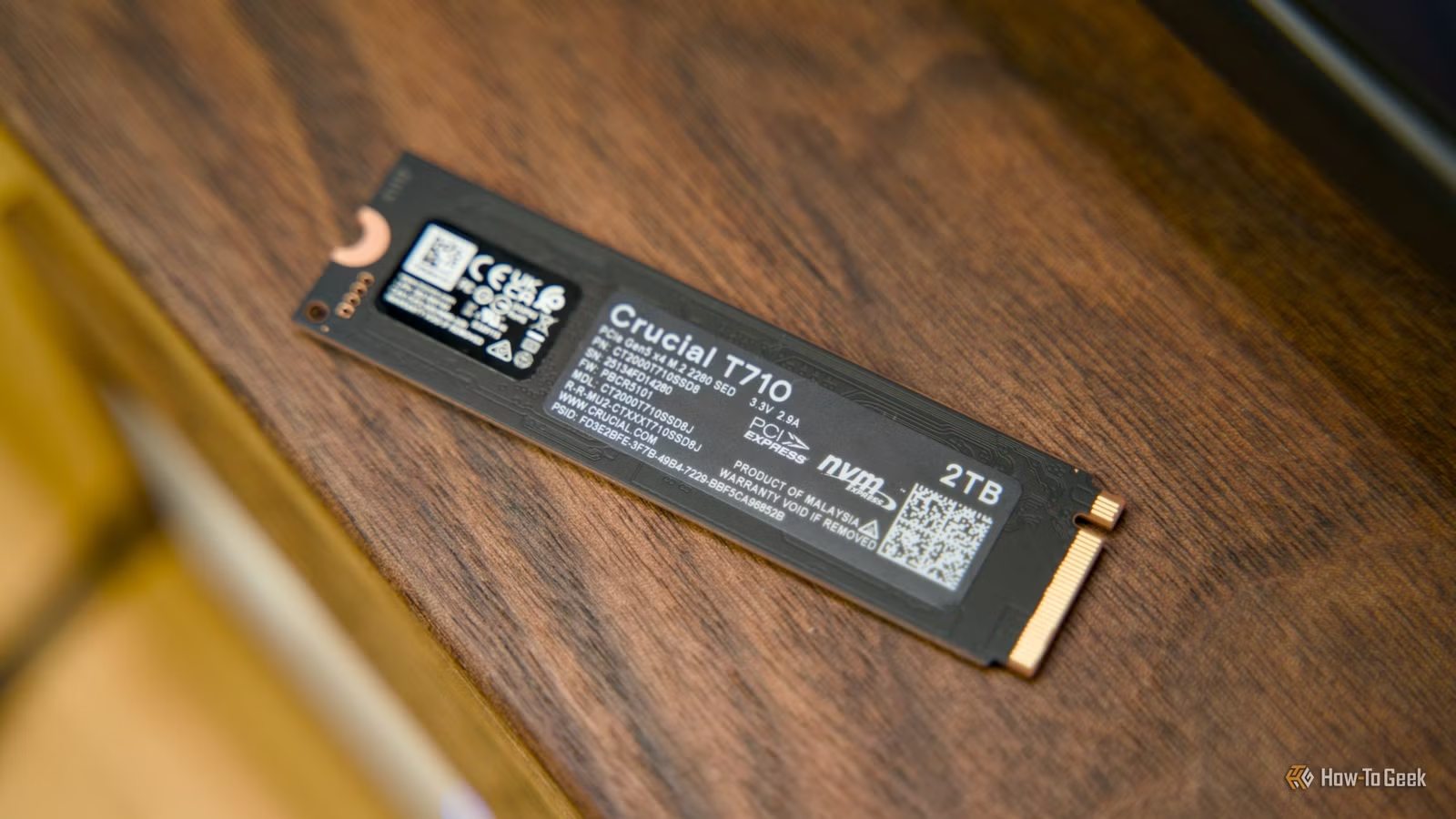
Solid-state drives have been standard in consumer electronics for over a decade. Yet advice from the early days of SSDs keeps circulating online. People still warn about write limits, defragmentation dangers, and elaborate maintenance routines that made sense in 2012 but create problems in 2026.
Monica J. White at How-To Geek calls out these persistent misconceptions. Her point is straightforward: most SSD myths have no business existing in 2026. The hardware changed. The firmware improved. The rules didn't update.
Where These Myths Came From
When SSDs first appeared in consumer PCs, they were expensive, small in capacity, and had genuine limitations. Early NAND flash had limited write cycles. Firmware was less sophisticated. Users who spent premium prices on new technology wanted to protect their investment.
Fair enough. The problem is that advice from that era got passed around, repeated, and eventually became gospel. White notes that once a rule gets passed around enough, people take it at face value without asking whether it only applied to older hardware. Or whether it was ever true to begin with.
The Write Limit Worry
The biggest persistent myth involves write limits. Early SSDs had flash cells that could only handle a certain number of write cycles before degrading. This led to elaborate schemes to reduce writes: disabling hibernation, moving temp folders, avoiding page files.
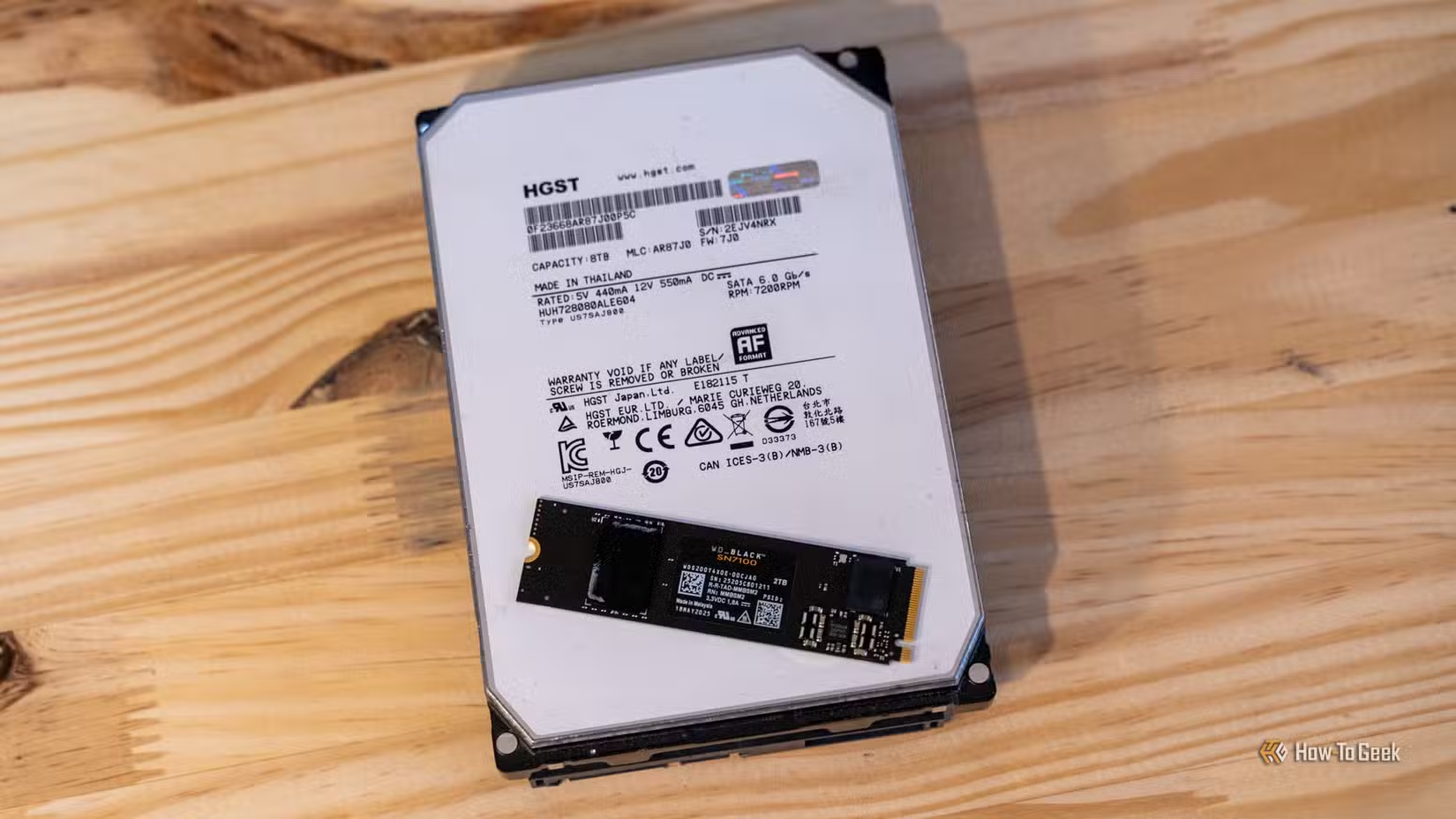
Modern SSDs use improved NAND technology and wear leveling algorithms that distribute writes across all cells. A typical consumer SSD today can handle hundreds of terabytes of writes before showing degradation. For normal use, you'll replace the drive for capacity or speed reasons long before wearing it out.
The Defragmentation Danger
Traditional hard drives needed defragmentation because their mechanical read heads physically moved across spinning platters. Fragmented files meant more movement, slower performance. Defragmentation reorganized files to reduce head travel.
SSDs have no moving parts. Access time is the same regardless of where data sits on the drive. Running traditional defragmentation on an SSD accomplishes nothing except adding unnecessary writes. Modern operating systems recognize SSDs and run TRIM commands instead, which is what actually helps SSD performance.
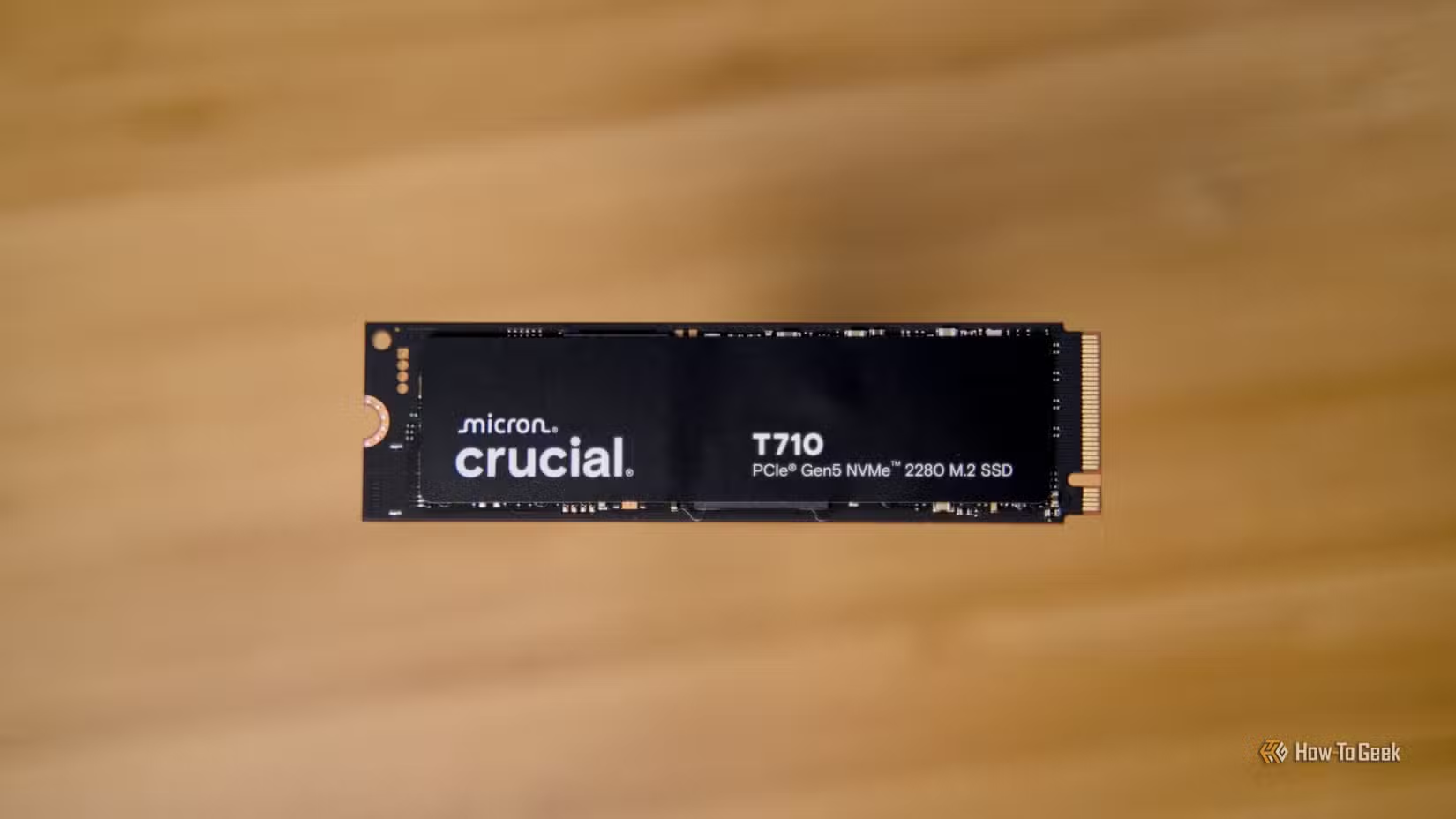
Why Bad Advice Persists
White points to a common pattern: people don't love change, and when something is as expensive as a PC, they want to trust their information sources. A cautious approach feels safer than ignoring advice, even outdated advice.
The problem is that some old precautions now cause harm. Disabling features to reduce writes can hurt performance or stability. Avoiding sleep modes to protect the SSD means higher power bills and faster wear on other components. The cure becomes worse than the disease that no longer exists.
What Actually Matters for SSDs in 2026
Modern SSD care is simple. Keep your operating system updated so TRIM runs properly. Don't fill the drive completely. Leave about 10-15% free space so the controller can manage wear leveling efficiently. That's essentially it.
- Let Windows or macOS handle SSD optimization automatically
- Keep 10-15% of drive capacity free for wear leveling
- Don't disable hibernation, sleep, or page files to save writes
- Ignore third-party SSD optimization tools that promise to extend lifespan
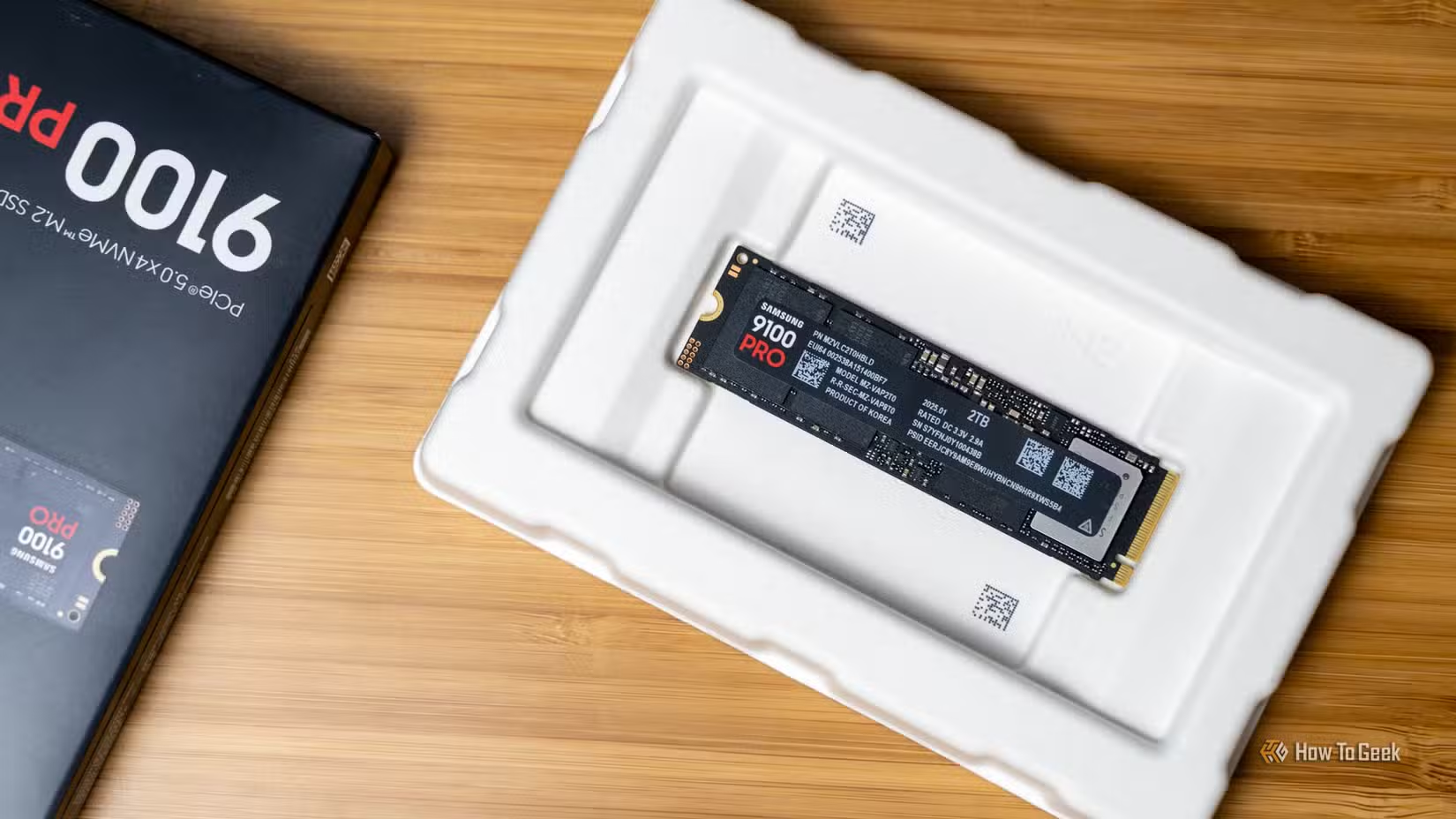
The firmware and operating system handle everything else. You don't need special software. You don't need to micromanage writes. You don't need to worry about every browser cache or temp file.
Logicity's Take
The Bottom Line
SSDs in 2026 are mature technology with sophisticated self-management. The nervousness that surrounded early consumer SSDs made sense then. Carrying that nervousness forward a decade later wastes time and sometimes creates new problems.
If you're still following SSD rules you learned in the early 2010s, it's time to let them go. Use your drive. Let the firmware do its job. Save your attention for things that actually need it.
More tools worth reconsidering with fresh eyes
Operating systems that handle SSD optimization automatically
Frequently Asked Questions
Do I need to defragment my SSD?
No. SSDs have no moving parts, so defragmentation provides no benefit. Modern operating systems run TRIM instead, which is what actually helps SSD performance.
Will frequent writes wear out my SSD quickly?
Unlikely with modern drives. Current SSDs can handle hundreds of terabytes of writes. Normal consumer use won't approach these limits during the drive's useful lifespan.
Should I disable hibernation to protect my SSD?
No. This was sometimes recommended for early SSDs but is unnecessary now. Disabling hibernation removes a useful feature without providing meaningful benefit.
How much free space should I leave on my SSD?
Keep about 10-15% free. This gives the drive controller room to manage wear leveling effectively.
Do I need SSD optimization software?
No. Your operating system handles SSD optimization automatically. Third-party tools are unnecessary and can sometimes cause problems.
Need Help Implementing This?
Source: How-To Geek
Manaal Khan
Tech & Innovation Writer
Produced with AI assistance and reviewed by the Logicity editorial team. Learn more in our Editorial Policy.