Key Takeaways
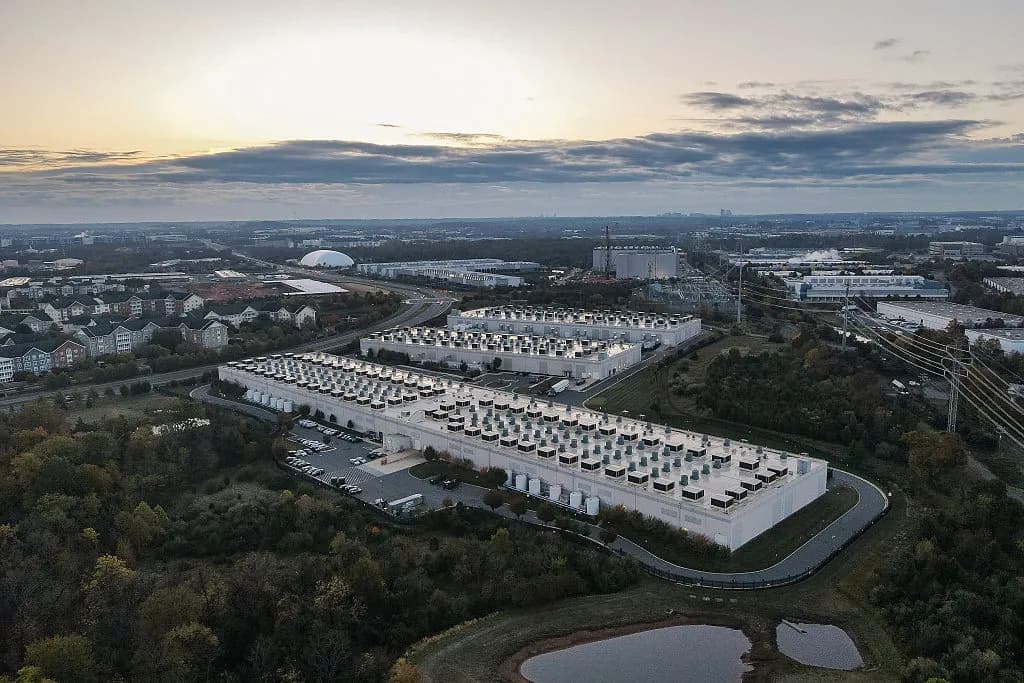
- AI's digital impact depends on physical data centers that require local approval
- Communities have veto power over AI infrastructure they lacked against globalization
- Thompson argues paying communities directly is the only viable solution to opposition
AI threatens digital jobs. That's been clear for two years. But AI itself has a vulnerability that digital workers lack: it depends on physical infrastructure that real people can block.
Ben Thompson's latest Stratechery analysis highlights a tension that tech leaders are starting to confront. Large language models run on data centers. Data centers need land, power, water, and permits. Permits require local approval. And local communities are increasingly saying no.
The Physical Bottleneck
AI's impact so far has been almost entirely digital. The more a job involves screens and text, the more exposed it is to automation by LLMs. Knowledge workers, coders, customer service reps, and writers have all felt the pressure.
But the infrastructure powering those LLMs exists in the physical world. Data centers consume massive amounts of electricity. They generate heat. They use water for cooling. They take up land. And unlike the software running inside them, you can't deploy a data center with a git push.
This creates an asymmetry. A coder in Ohio can't stop OpenAI from training a model that might replace her work. But a town council in Virginia can refuse permits for the data center that would run that model.
A Different Kind of Veto
Thompson draws a comparison to globalization. When factories moved overseas, workers in affected communities had little recourse. The decision happened in corporate boardrooms and trade negotiations. Local opposition couldn't stop a container ship from leaving port.
Data centers are different. They need specific locations with specific infrastructure. They need zoning approval. They need environmental permits. Each of these approval points gives local residents genuine power.
And residents are using that power. Data center proposals have faced opposition in Virginia, Oregon, Wisconsin, and dozens of other locations. Concerns range from noise and water usage to property values and simple distrust of Big Tech.
Misinformation Is a Symptom
Thompson makes a counterintuitive argument about data center misinformation. Opponents sometimes spread exaggerated or false claims about water usage, radiation, or other impacts. The instinct for tech companies and industry advocates is to correct these claims with facts.
But Thompson suggests this misses the point. Misinformation isn't the cause of opposition. It's a symptom. People spread bad information because they're already opposed, not the other way around. The underlying dynamic is that communities see costs without benefits, and no amount of fact-checking changes that calculation.
The Only Solution That Works
If misinformation isn't the root cause, then education campaigns won't solve the problem. Thompson's proposed solution is blunter: pay them off.
Direct payments to affected communities change the cost-benefit math. If a town gets substantial tax revenue, infrastructure investment, or direct cash transfers, the calculation shifts. Some residents will still oppose the project, but the coalition against it shrinks.
This isn't a new approach. Energy companies have long negotiated community benefit agreements for power plants and pipelines. Wind farms pay landowners hosting turbines. The data center industry is learning to do the same.
Implications for AI's Growth
The data center constraint has real implications for AI development timelines. Training frontier models requires enormous compute. Running inference at scale requires even more. Every blocked or delayed data center project is compute capacity that doesn't come online.
This doesn't mean AI development stops. Companies will build where they can get approval. They'll negotiate harder with willing communities. They'll invest in efficiency improvements that reduce per-query infrastructure needs.
But it does mean the path isn't frictionless. AI's rapid scaling depends on physical infrastructure that regular people can influence. That's a constraint the industry hasn't faced before.
Logicity's Take
Frequently Asked Questions
Why are communities opposing data centers?
Concerns include water usage for cooling, noise from equipment, strain on electrical grids, impacts on property values, and general distrust of Big Tech. Many communities see costs without corresponding benefits.
Can data center companies build anywhere they want?
No. Data centers need local zoning approval, environmental permits, and often utility agreements. Each of these approval points gives communities veto power over projects.
How does this differ from globalization's impact on workers?
Workers displaced by globalization had little power to stop factory relocations. Data centers require specific physical locations with local permits, giving nearby residents genuine leverage over whether projects proceed.
What solutions are companies pursuing?
Community benefit agreements, direct payments, tax revenue sharing, and infrastructure investments. The goal is changing the cost-benefit calculation for residents so opposition coalitions shrink.
Need Help Implementing This?
Source: Stratechery by Ben Thompson
Manaal Khan
Tech & Innovation Writer
Produced with AI assistance and reviewed by the Logicity editorial team. Learn more in our Editorial Policy.