Key Takeaways
- Cloud-dependent smart homes fail completely when internet or Amazon servers go down
- Amazon removed a key privacy setting that let users opt out of voice recording storage
- Local processing alternatives like Home Assistant offer more reliable smart home control
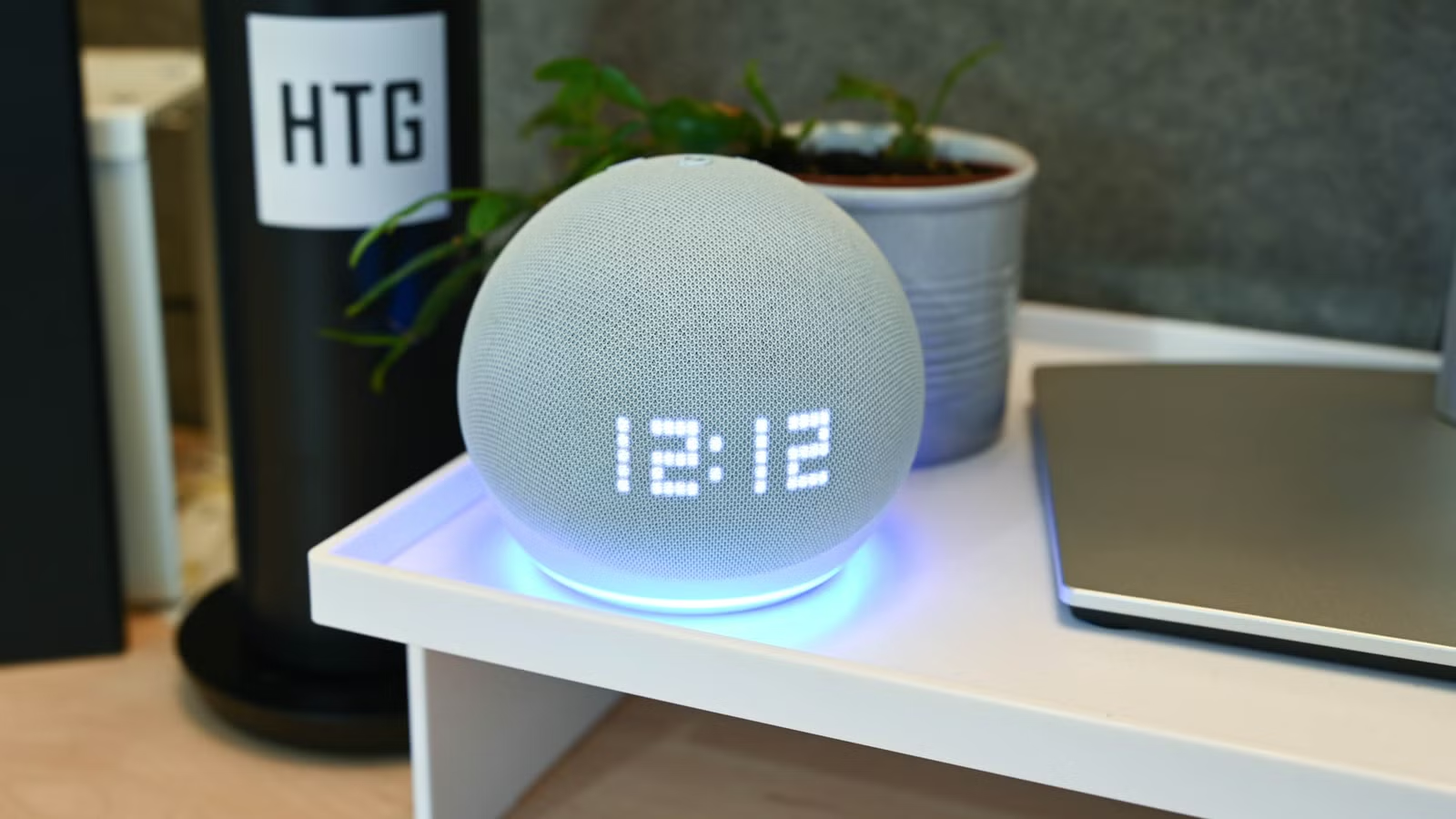
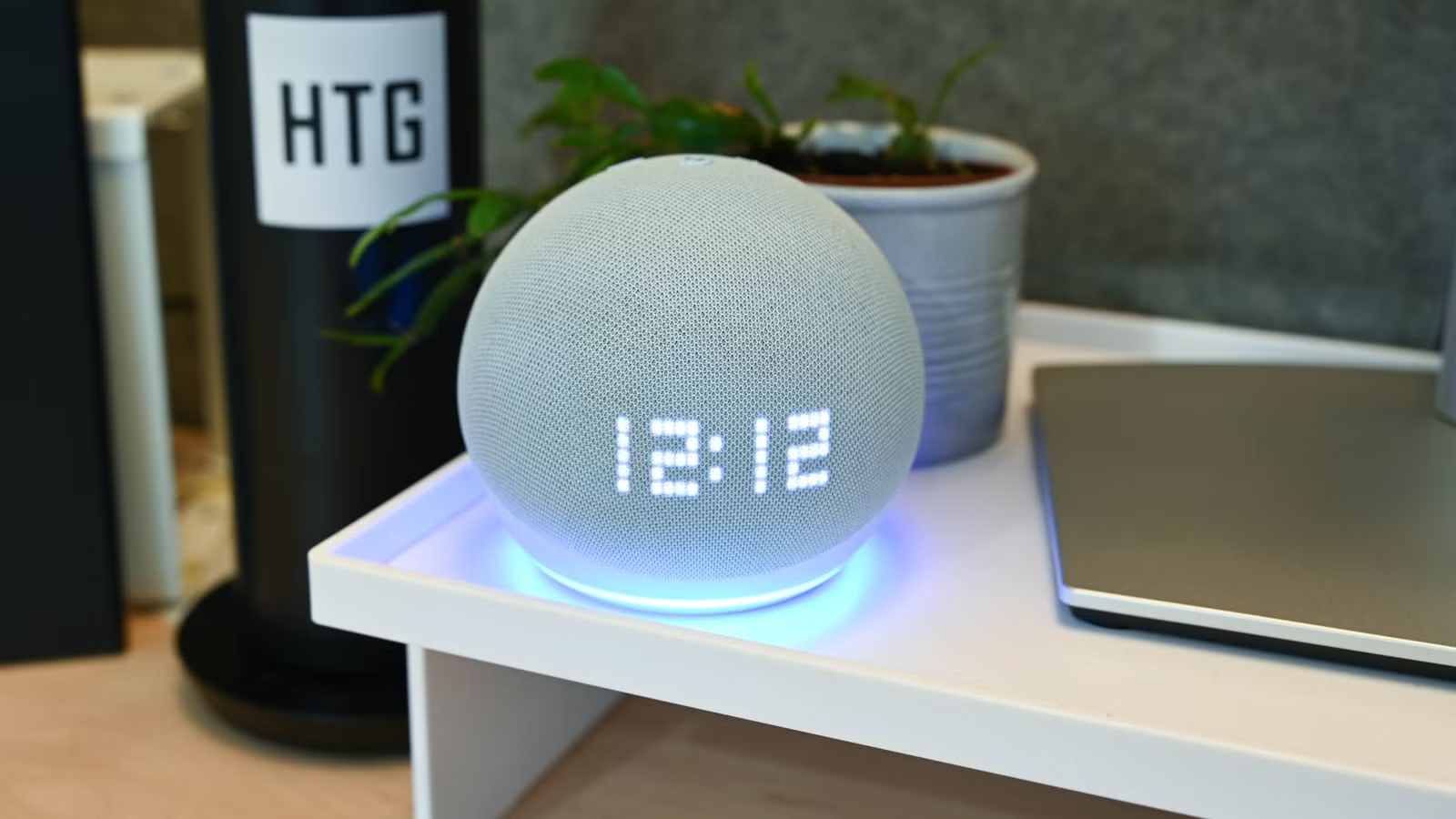
When Amazon launched Alexa-powered Echo speakers, the promise was simple: talk to your home and it listens. I bought several Echo devices expecting this future. Years later, I've unplugged them all.
The gap between promise and reality grew too wide to ignore. Here's what pushed me to abandon Alexa for smart home control.
Internet Down Means Smart Home Down
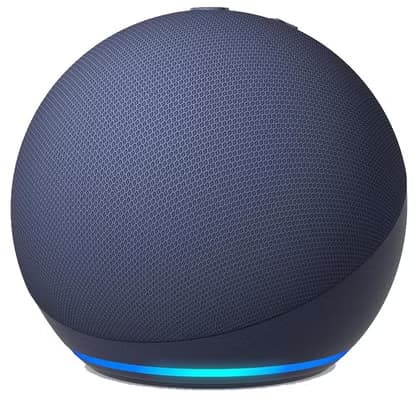
The most frustrating problem with Alexa is its total dependence on cloud connectivity. When you ask your Echo to turn on a smart plug sitting three feet away, that voice command travels to Amazon's servers for processing. The system determines what you meant, then sends the command back to your device.
Your data can travel halfway around the world just to control something in the same room. When your internet connection drops, or Amazon's servers hiccup, your entire smart home stops responding. You can shout at Alexa all you want. Nothing happens.
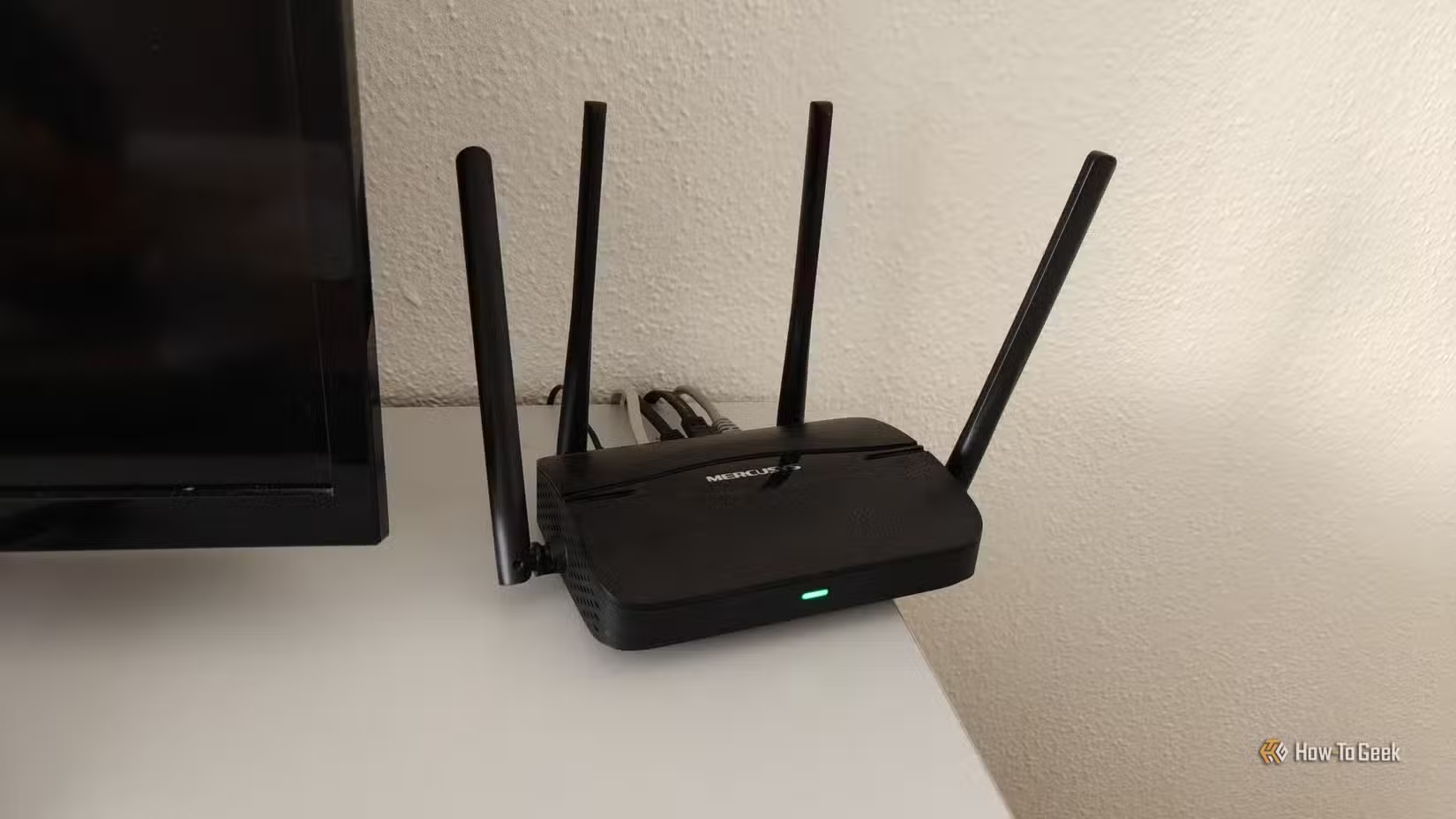
This isn't a theoretical problem. Internet outages happen. Amazon Web Services has had notable downtime events. Each time, millions of Echo users lost control of their lights, thermostats, and locks. A smart home that only works when external servers are running isn't actually smart. It's fragile.
Amazon Removed the Privacy Setting I Used Most
Everything you say to Alexa gets sent to Amazon's servers. This includes accidental activations. Anyone who has used a smart speaker knows they sometimes hear the wake word when you haven't said it. Conversations you never intended to share end up in the cloud.
In 2019, reports revealed that Amazon contractors were listening to some of these voice recordings. The company offered privacy settings to give users more control over their data. One setting let you opt out of having your voice recordings stored.
Amazon later removed this privacy option. The setting I relied on to limit what Amazon kept simply disappeared. When a company takes away privacy controls rather than expanding them, it tells you where their priorities lie.
Local Processing Came Too Late and Too Limited
In 2021, Amazon started releasing Echo devices that could handle certain voice requests locally, without sending audio to the cloud. This sounded like progress. The reality was underwhelming.
Only specific commands work locally. The system still defaults to cloud processing for anything beyond the basics. Amazon never fully committed to local-first design. The feature feels like a checkbox rather than a genuine architectural shift.
What Actually Works Better
I now run Home Assistant on a local server. My smart home devices respond to commands processed entirely on hardware I control. When the internet goes down, my lights still work. My automations still run. Nothing leaves my network unless I explicitly configure it to.
The ideal smart home should work with minimal interaction. Automations should run as if by magic rather than requiring you to push buttons or shout commands. Local processing makes this possible in ways cloud-dependent systems cannot.
Practical tools for building a local-first smart home
The Bigger Problem With Cloud-First Smart Homes
Alexa's issues reflect a broader problem with consumer smart home products. Companies build cloud dependency into devices because it gives them ongoing data collection and control. The trade-off lands on users: reduced reliability, privacy concerns, and features that can disappear whenever the company decides.
When you buy a light switch, you expect it to work for decades. Cloud-dependent smart devices come with no such guarantee. The company can shut down servers, change terms of service, or remove features. Your hardware becomes less capable over time rather than more.

Logicity's Take
Should You Ditch Alexa?
If you use Echo devices casually for timers, music, and weather updates, they work fine. The problems become serious when Alexa is your primary smart home controller.
For anyone building a reliable smart home system, cloud dependency is a liability. Consider whether you want your home's basic functions tied to someone else's servers and business decisions. The answer increasingly points toward local alternatives.
Frequently Asked Questions
Can Alexa work without internet?
Very limited functionality. Some newer Echo devices can process basic commands locally, but most features require an active internet connection and working Amazon servers.
What is the best alternative to Alexa for smart home control?
Home Assistant is the leading local-first alternative. It runs on your own hardware, processes commands locally, and supports thousands of devices without cloud dependency.
Does Amazon still record Alexa conversations?
Yes. Voice recordings are sent to Amazon servers for processing. While some local processing exists for basic commands, most interactions still involve cloud storage.
Why did Amazon remove Alexa privacy settings?
Amazon has not publicly explained why certain privacy controls were removed. The changes reduced user control over how voice data is stored and processed.
Is Home Assistant hard to set up?
Initial setup requires more technical knowledge than Alexa. However, once configured, Home Assistant provides more reliable and customizable smart home control.
Need Help Implementing This?
Source: How-To Geek
Manaal Khan
Tech & Innovation Writer
Produced with AI assistance and reviewed by the Logicity editorial team. Learn more in our Editorial Policy.