Key Takeaways
- Enclosed printers protect prints from dust, pets, and accidental contact with hot components
- Fume extraction is far easier with an enclosed chamber than an open-bed design
- The price gap between open and enclosed Bambu Lab printers has narrowed significantly
The A1 Was Great. The Market Moved On.
The Bambu Lab A1 and A1 mini earned their reputation as solid entry-level machines. They print fast, work reliably out of the box, and cost less than most competitors. But since their introduction, enclosed printers have dropped in price while gaining features. If you're shopping for a 3D printer today, the calculus has changed.
Tim Brookes at How-To Geek lays out five reasons to skip the A1 and buy an enclosed model instead. His argument comes down to practicality: enclosures solve real problems that open-bed printers cannot.
Protection From Everything
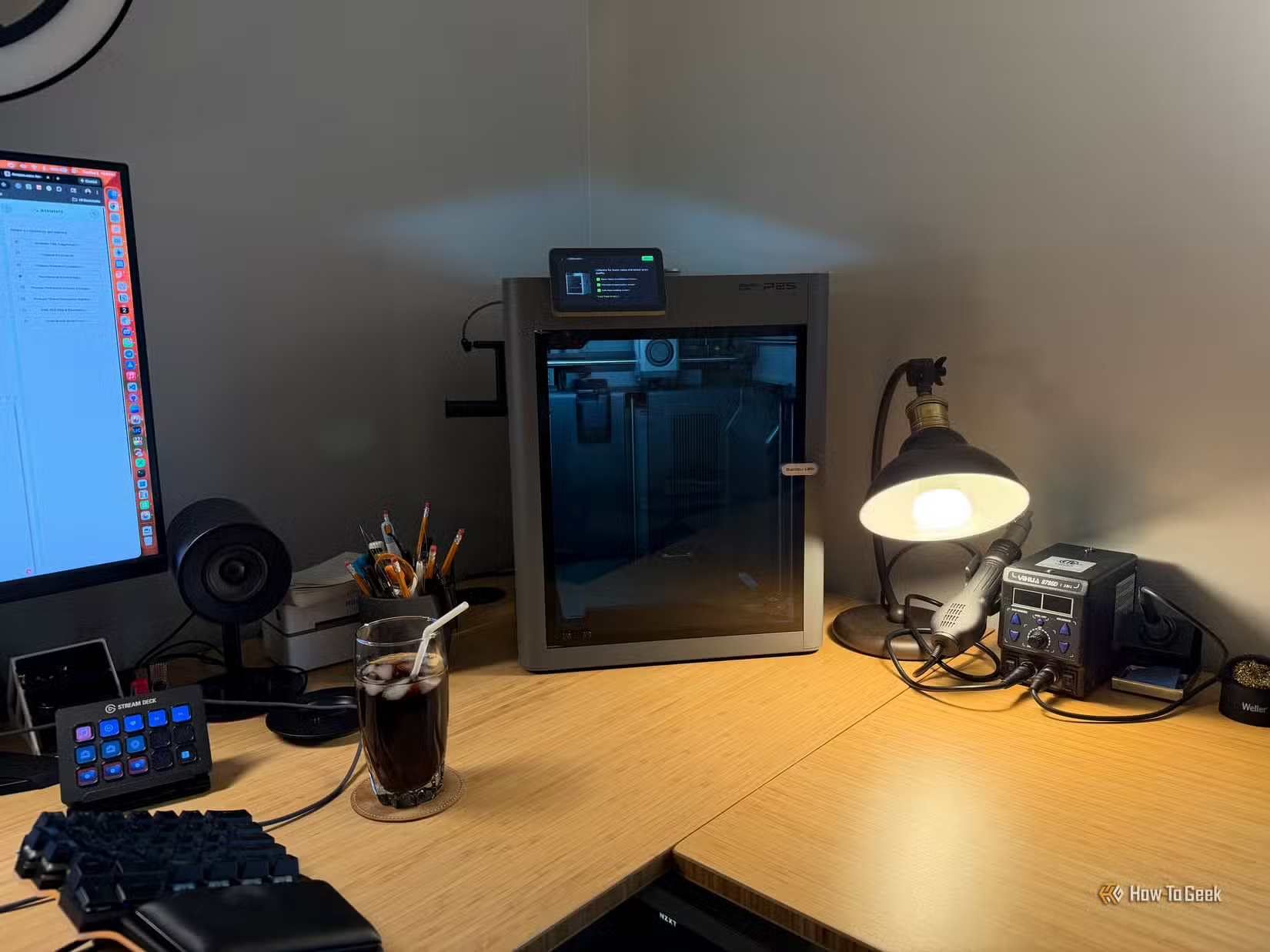
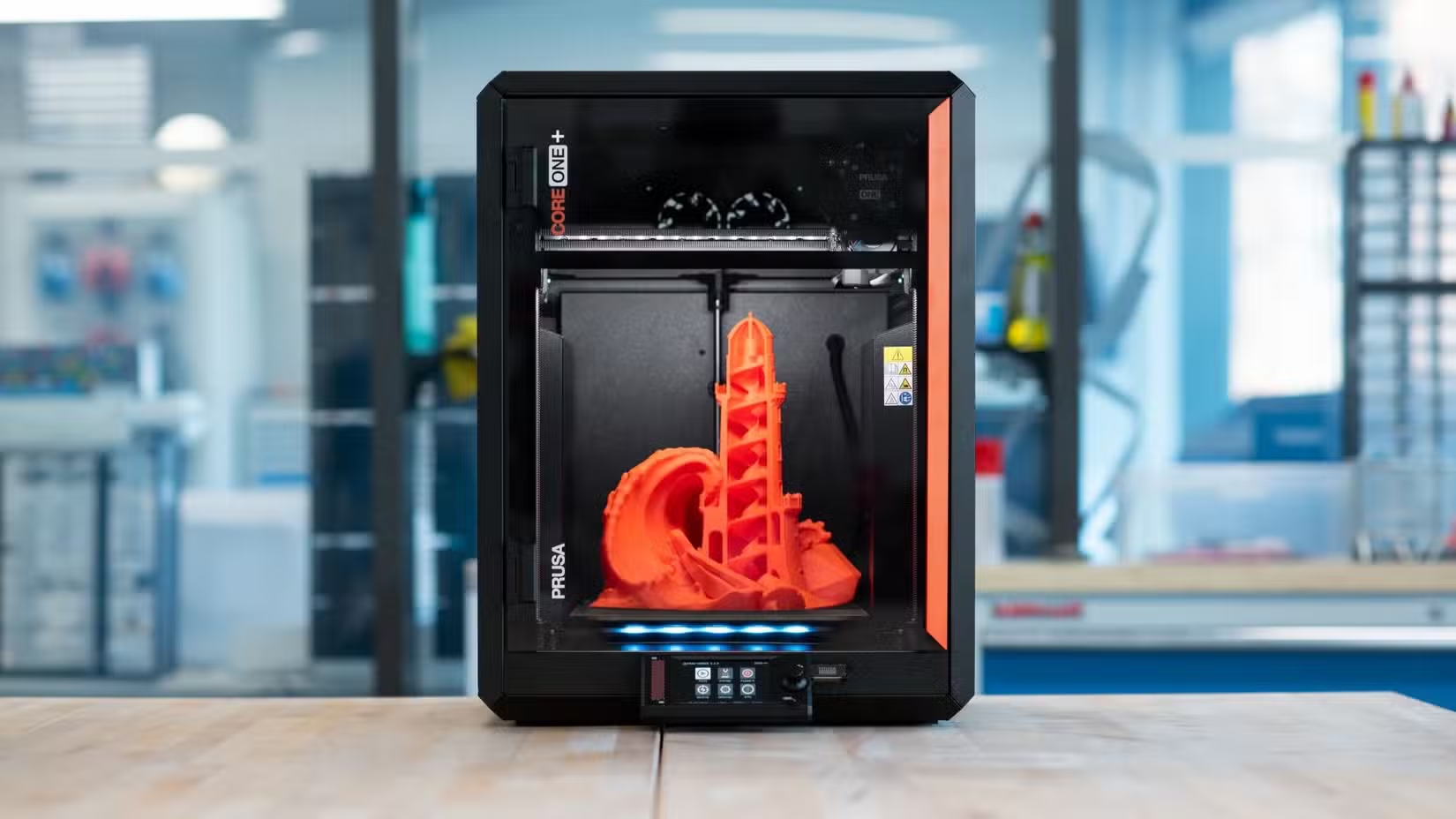
The most obvious benefit is physical protection. An enclosure shields your prints from dust and debris while a job runs. It also keeps curious fingers, children, and pets away from hot nozzles and heated beds.
Brookes is blunt about his own situation: "I know for a fact that I couldn't use an open 3D printer anywhere near my cats, since the rapidly moving print head would become a toy in no time." Anyone with pets or small children faces the same constraint.
Fume Control Actually Works
Open printers release fumes into your workspace with no way to direct them. You can place the printer near a window or under a fume hood, but that's about it. PLA produces mild fumes that most people tolerate. ABS, ASA, and other engineering filaments are another story.
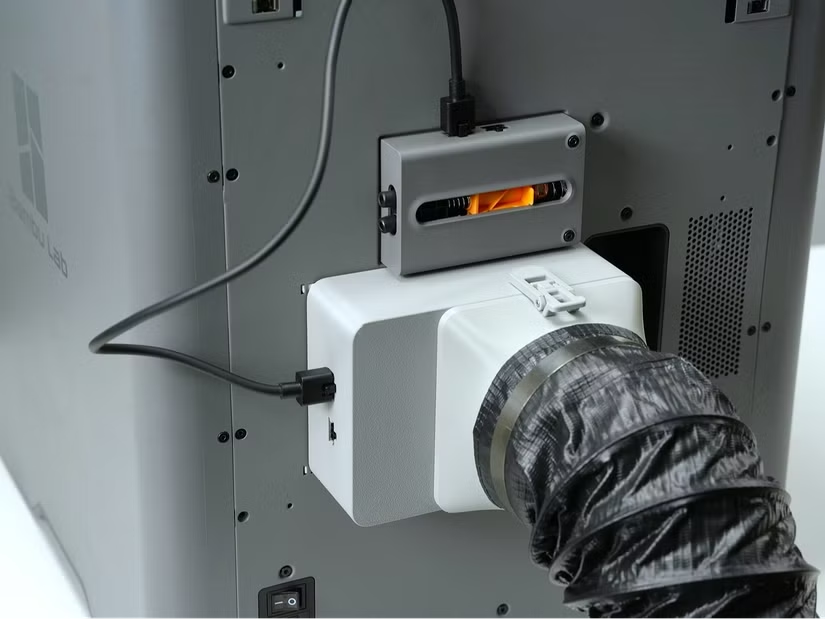
Enclosed printers aren't airtight, but they contain fumes well enough to attach an exhaust system. Bambu Lab sells an official fan adapter for the P2S that routes air outside or through a filter. That option doesn't exist for an open-bed A1.
More Materials, Better Results
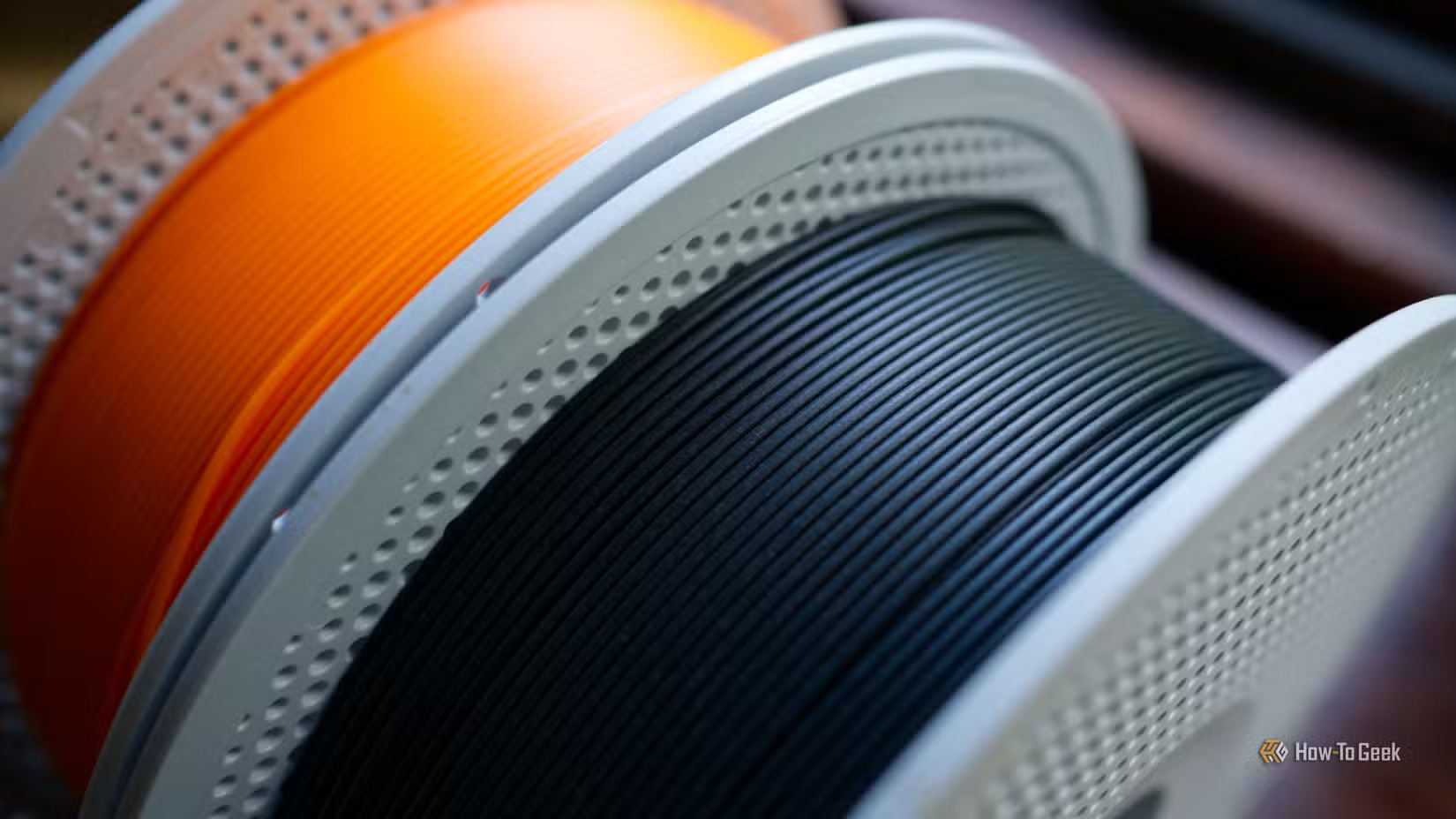
Temperature control matters for high-performance filaments. ABS warps when it cools unevenly. Nylon absorbs moisture from ambient air. Polycarbonate needs a stable chamber temperature above 40°C to print reliably.
An enclosure maintains consistent temperatures throughout a print. You can technically print these materials on an open bed, but you'll fight warping, layer separation, and failed prints. The enclosure removes variables that cause headaches.
The Price Gap Has Shrunk
When the A1 launched, enclosed printers cost significantly more. That gap has narrowed. The Bambu Lab P2S now sells for $549, about $150 more than the A1 at full price. During sales, the difference drops further.
The P2S matches the A1's 600mm/s print speed with a 256x256x256mm build volume. It adds an upgraded camera for remote monitoring and time-lapses, plus support for up to 20-color printing with the AMS unit. The extra $150 buys more than just walls.
Noise Stays Inside
3D printers are loud. Steppers whine, fans spin, and the print head changes direction hundreds of times per minute. An enclosure dampens this noise substantially. If your printer lives in a shared space, an enclosed model is easier on everyone.
What About the X2D?
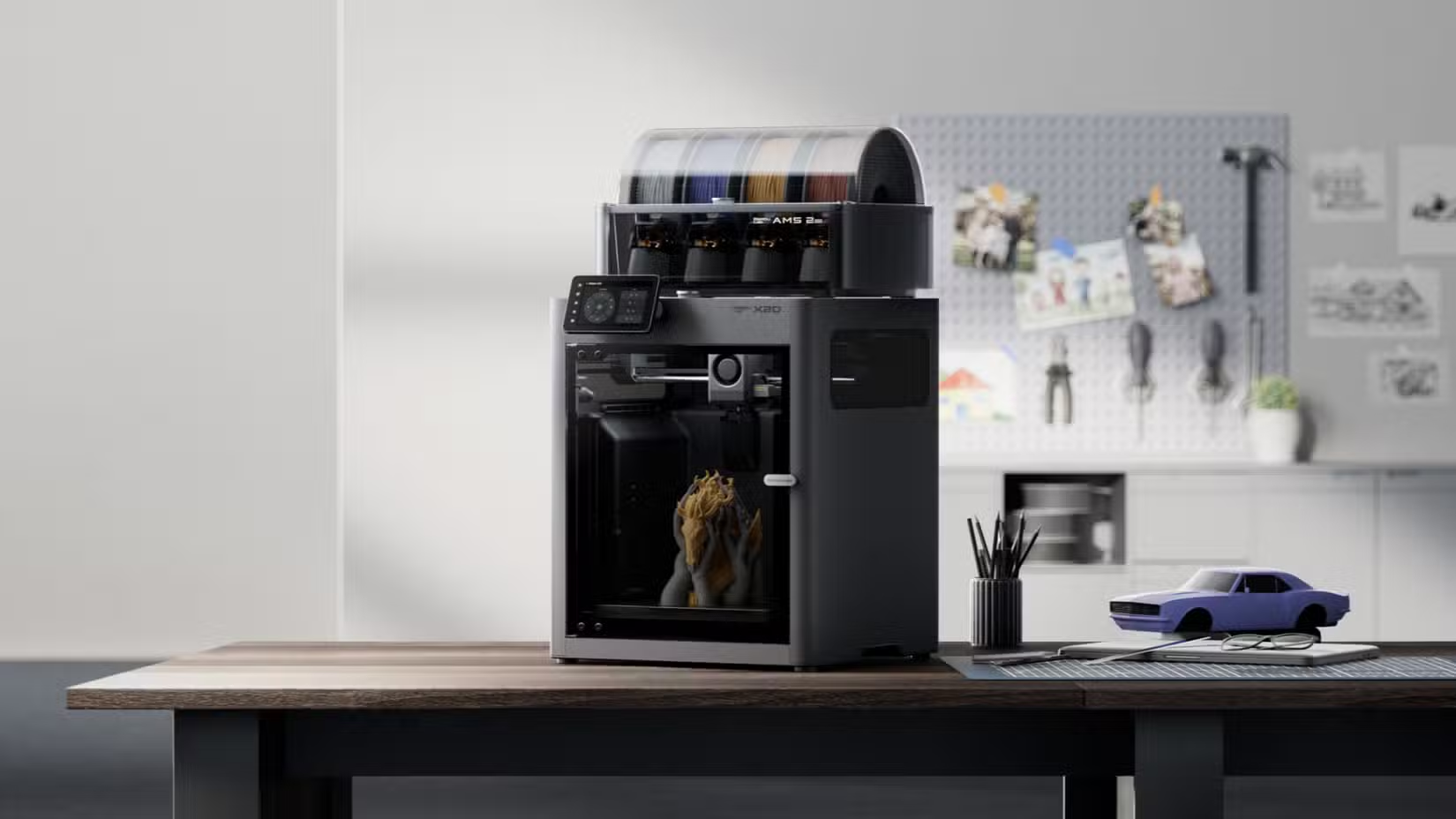
Bambu Lab's X2D sits at the top of their consumer lineup. It offers a larger build volume, active chamber heating, and features aimed at engineering-grade filaments. It costs more than twice the P2S price.
For most users, the P2S hits the sweet spot. It handles the materials hobbyists and small businesses actually use without the premium for features they may never need. The X2D makes sense for production environments or users who specifically need its capabilities.
✅ Pros
- • Physical protection from dust, pets, and accidental contact
- • Easier fume extraction with official adapters
- • Stable chamber temperature for engineering filaments
- • Reduced noise in shared spaces
- • Narrowing price gap with open-bed models
❌ Cons
- • Higher upfront cost than A1 series
- • Larger footprint than open-bed equivalents
- • May be overkill if you only print PLA
- • Chamber heat can complicate PLA prints in some cases
Logicity's Take
Frequently Asked Questions
Can I add an enclosure to the Bambu Lab A1 later?
Third-party enclosures exist, but they add cost and complexity. The A1 wasn't designed for enclosure, so fume extraction and temperature control won't match a purpose-built enclosed printer.
Is the Bambu Lab P2S good for beginners?
Yes. Bambu Lab claims the P2S can be printing within 15 minutes of unboxing. The enclosed design actually reduces variables that trip up new users.
What filaments require an enclosed printer?
ABS, ASA, nylon, and polycarbonate benefit most from enclosure. PLA and PETG print fine on open beds, though enclosure still helps with dust and consistency.
How much quieter is an enclosed 3D printer?
Exact figures vary by model, but enclosures typically reduce perceived noise by 5-10 dB. That's enough to make a noticeable difference in shared living spaces.
Need Help Implementing This?
Source: How-To Geek
Huma Shazia
Senior AI & Tech Writer
Produced with AI assistance and reviewed by the Logicity editorial team. Learn more in our Editorial Policy.