Key Takeaways
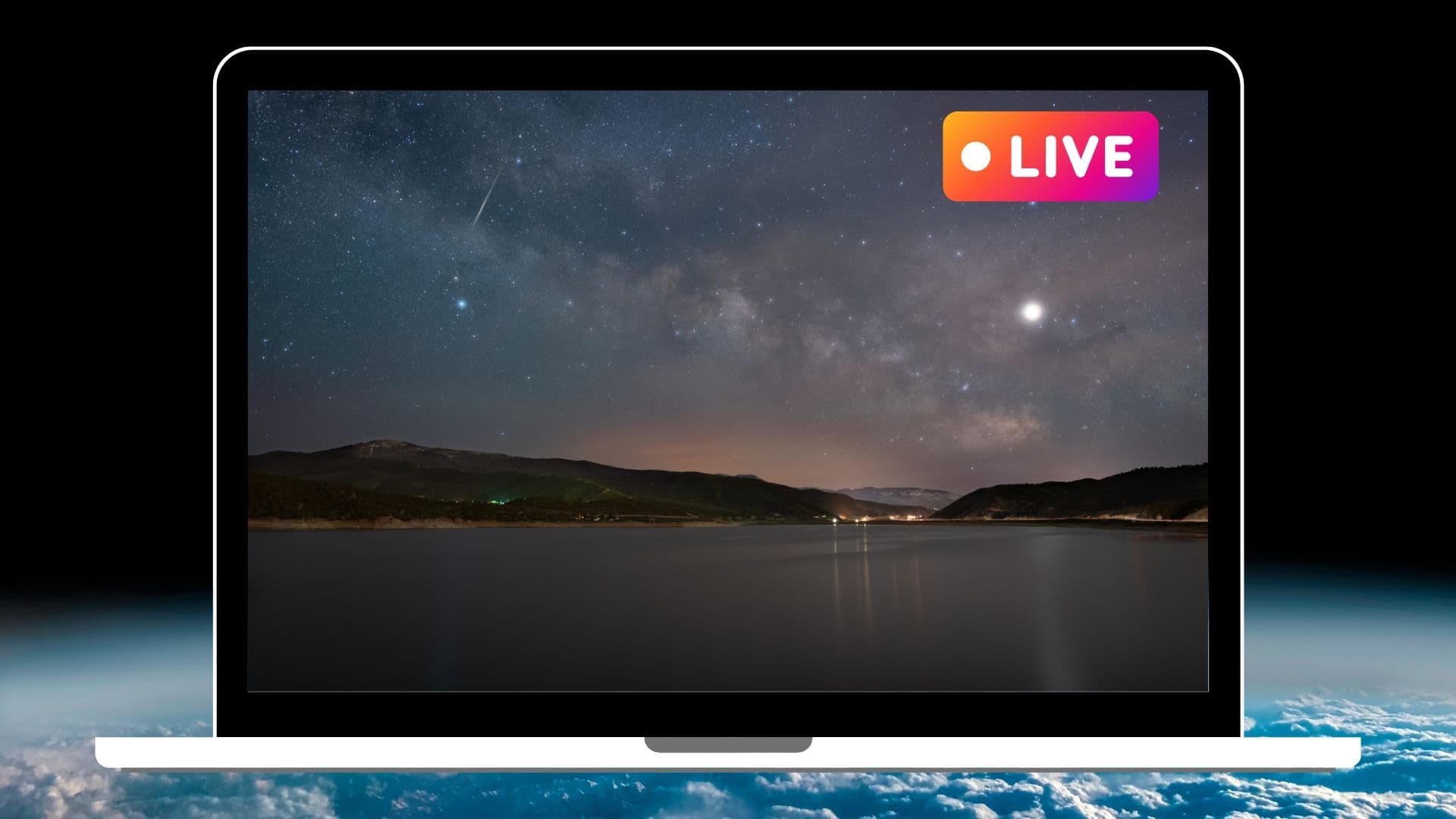
- The Eta Aquarid meteor shower peaks in the early hours of May 6, 2025
- Six free livestreams let you watch from observatories in Chile, Hawaii, Japan, New Zealand, and the UK
- Southern Hemisphere locations offer the best views, but Northern Hemisphere cams can still catch meteors
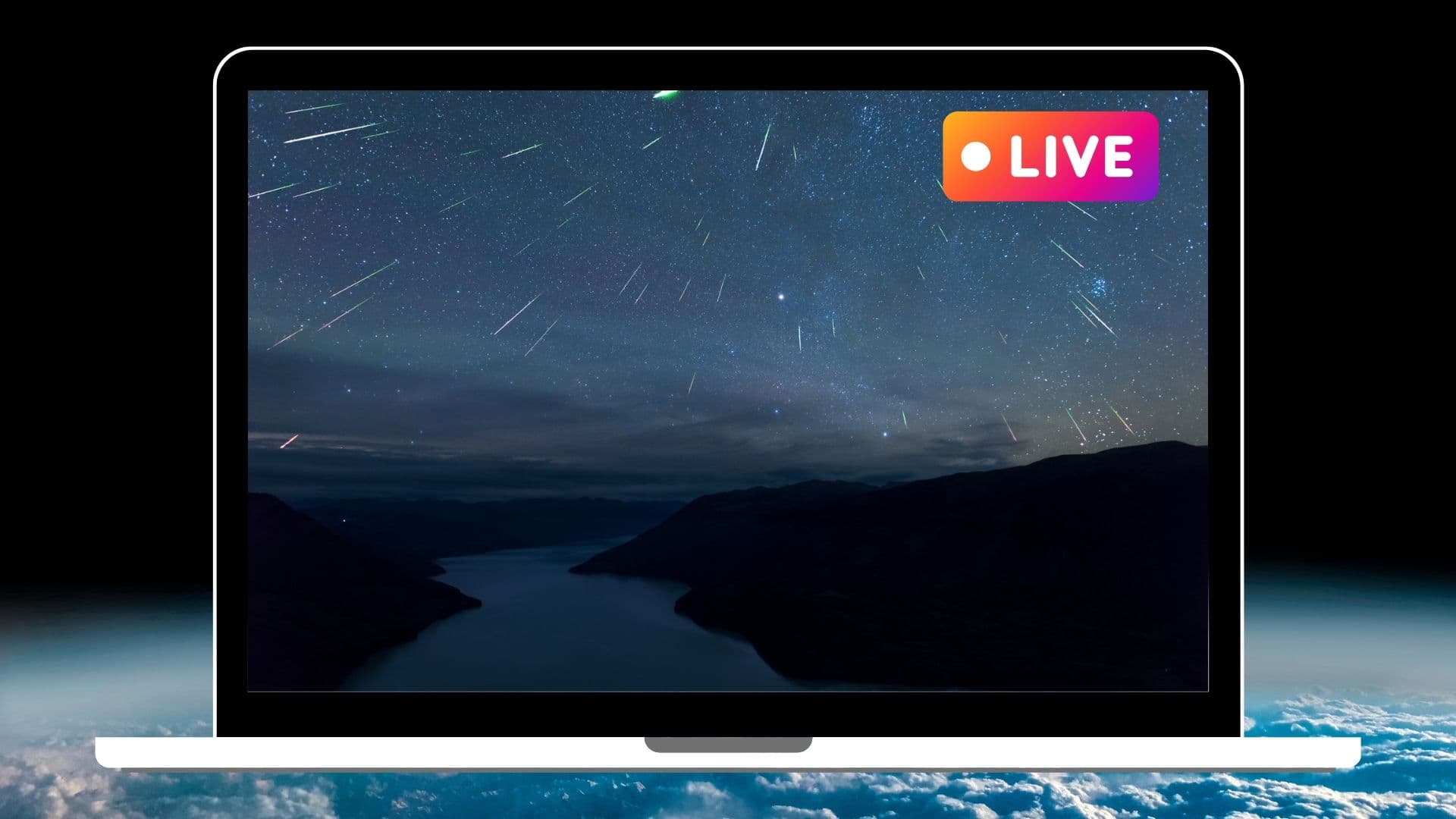
The Eta Aquarid meteor shower peaks in the early hours of May 6. If clouds block your view or you live somewhere with too much light pollution, six observatory livestreams let you watch the show from some of the darkest skies on Earth.
The Eta Aquarids are best seen from the Southern Hemisphere, where the radiant point sits higher in the sky. But these live feeds cover both hemispheres, so you can chase clear skies around the globe without leaving your screen.
Atacama Desert, Chile
The Atacama Large Millimeter/Submillimeter Array (ALMA) sits beneath some of the darkest skies on Earth. The desert's extreme dryness and high altitude make it one of the best places to observe anything in the night sky. ALMA's livestream gives you that view without the 16-hour flight.
Mauna Kea, Hawaii
This feed comes from the Subaru Telescope on Mauna Kea, 13,800 feet above sea level. At that altitude, you're above most of the atmosphere's water vapor and well away from city lights. The camera points east, perfect for catching meteors as they streak in from the direction of Aquarius.
New Zealand
This 4K livestream looks out from the top of New Zealand's South Island, near Nelson. The Southern Hemisphere location means the radiant point climbs higher before dawn, which translates to more visible meteors per hour. The camera also occasionally catches aurora australis when solar activity spikes.
Embleton, UK
Northumberland has some of the darkest skies in England. This meteor cam in Embleton captures a wide stretch of sky, which increases your odds of spotting a quick streak. Northern Hemisphere viewers see fewer Eta Aquarids because the radiant stays low on the horizon, but bright fireballs can still appear.
Japan
Two Japanese livestreams give you overlapping coverage throughout the night. One broadcasts from Kompira-san in Kagawa Prefecture. The other streams from the University of Tokyo's Kiso Observatory in Nagano. Between them, you get continuous coverage from dusk until dawn Japan time.
What Are the Eta Aquarids?
The Eta Aquarids happen every year when Earth passes through debris left behind by Halley's Comet. Dust grains hit the atmosphere at about 66 kilometers per second, burning up and creating the bright streaks we see as meteors. The shower runs from mid-April through late May, but activity peaks sharply around May 5-6.
Under ideal conditions, observers in the Southern Hemisphere can see 50 or more meteors per hour during the peak. Northern Hemisphere rates are lower, typically 10-30 per hour, because the radiant point never rises far above the horizon before dawn.
Learn how observatories use lasers to get clearer views of the night sky
Tips for Watching Online
- Open multiple streams in separate tabs. If one location has clouds, another might be clear.
- Check local time zones. Peak viewing happens in the hours before dawn at each location.
- Set video quality to the highest your connection supports. Meteors appear for less than a second, and compression artifacts can mask them.
- Be patient. Even during peak activity, you might wait several minutes between bright meteors.
Logicity's Take
Frequently Asked Questions
When is the best time to watch the Eta Aquarid meteor shower?
The shower peaks in the predawn hours of May 6, 2025. Activity is highest between 2 AM and dawn local time.
Can I see the Eta Aquarids from the Northern Hemisphere?
Yes, but rates are lower. Northern observers typically see 10-30 meteors per hour compared to 50+ in the Southern Hemisphere.
Do I need special equipment to watch these livestreams?
No. The streams are free on YouTube. Any device with a browser or the YouTube app will work.
What causes the Eta Aquarid meteor shower?
Earth passes through debris left by Halley's Comet. Dust particles hit the atmosphere at high speed and burn up, creating visible streaks.
Why are Southern Hemisphere views better for this shower?
The radiant point in the constellation Aquarius rises higher in the sky as seen from southern latitudes, so more meteors appear above the horizon.
Need Help Implementing This?
Source: Latest from Space.com
Huma Shazia
Senior AI & Tech Writer
Produced with AI assistance and reviewed by the Logicity editorial team. Learn more in our Editorial Policy.