Key Takeaways
- Warren requested all correspondence between Capital One exec Brian Johnson and the CFPB by July 7
- The CFPB dropped its $2 billion lawsuit against Capital One just one month after filing it
- Johnson previously served as CFPB deputy director during Trump's first term before joining Capital One
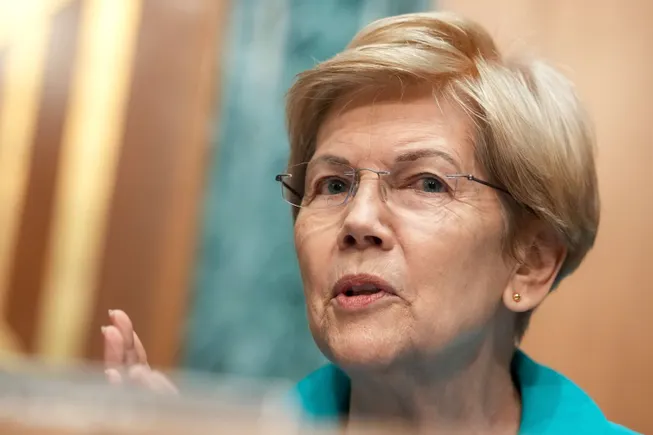
Sen. Elizabeth Warren is demanding that Capital One CEO Richard Fairbank hand over records of any communication between bank executive Brian Johnson and the Consumer Financial Protection Bureau. The request centers on whether Johnson, now nominated to lead the CFPB, played any role in the agency's decision to drop a $2 billion lawsuit against his employer just one month after filing it.
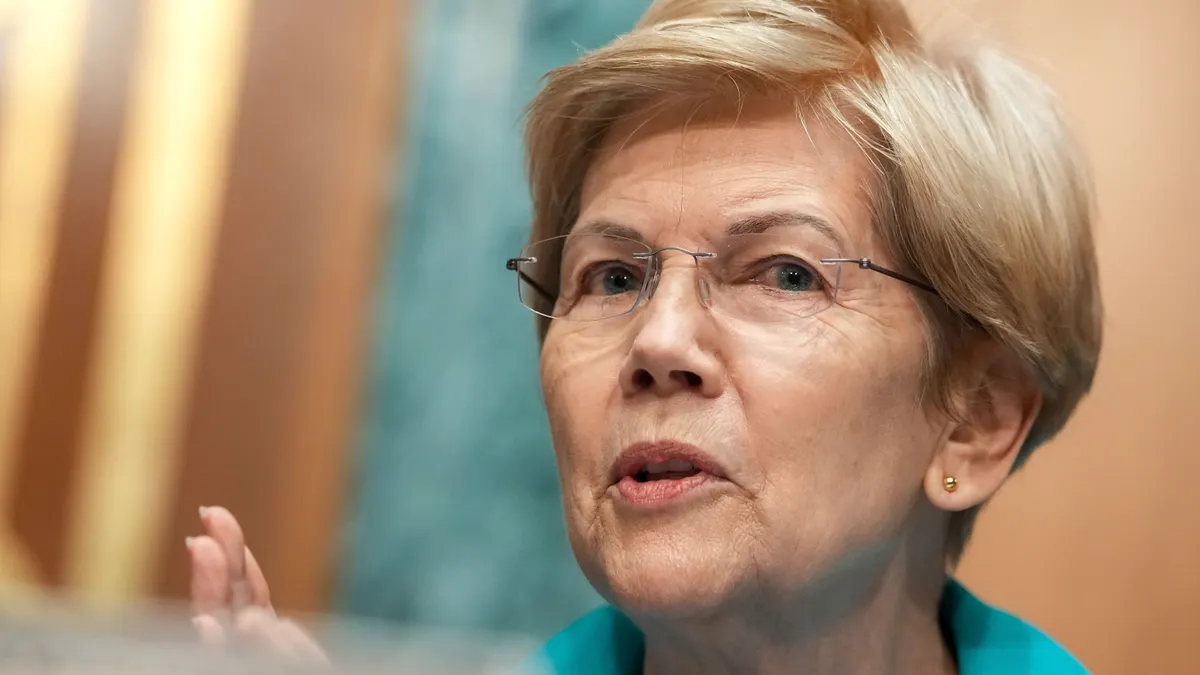
Warren gave Fairbank until July 7 to produce the correspondence. She also wants details on any internal advice Johnson gave Capital One about CFPB enforcement actions. Johnson has served as vice president and U.S. card compliance officer at Capital One since November 2024. Before that, he was deputy director of the CFPB during Trump's first term.
What was the CFPB lawsuit about?
Six days before Trump returned to the White House in January 2025, the CFPB sued Capital One. The allegation: the bank cheated millions of customers out of more than $2 billion in interest on savings accounts.
The case traces back to Capital One's 2012 acquisition of ING Direct USA. ING Direct customers held high-yield savings accounts that became Capital One's 360 Savings accounts after the deal closed. According to the CFPB, Capital One marketed these accounts as offering some of the nation's "best" and "highest" interest rates. Then, between 2019 and 2024, the bank lowered and froze the rate.
Here's where it gets worse. Capital One launched a nearly identical product called the 360 Performance Savings account, which paid a higher rate. At one point, the new account paid more than 14 times what the legacy 360 Savings account paid. But the CFPB said Capital One kept existing customers in the dark about the better option.
The agency alleged that Capital One "eliminated nearly all references" to the older product on its website, obscured that the new account was a separate product with a higher rate, and "forbade its employees from proactively telling" 360 Savings customers about the newer offering.
Why did the CFPB drop the case?
A month after filing the lawsuit, the CFPB under Trump-era leadership dropped it. No public explanation accompanied the decision. That timing is precisely what concerns Warren.
New York Attorney General Letitia James picked up the case in May, suing Capital One on essentially the same grounds. Days later, as Capital One's acquisition of Discover was about to close, the bank agreed to pay $425 million in restitution to affected customers.
The $425 million settlement happened only after state intervention. The federal regulator that was supposed to protect consumers had already walked away.
What does Warren want to know about Johnson?
Warren's letter poses direct questions about Johnson's role at Capital One. She asked whether he, as a compliance officer, was "involved in any way, directly or indirectly, with assessments made regarding the legality of the allegedly false representations Capital One made regarding their 360 Savings account."
She also asked whether Johnson had "any role in developing Capital One's strategy to create a two-tier savings account structure" or to "obscure the new product's existence from current account holders."
Beyond his work at Capital One, Warren wants records of any meetings, calls, or emails between Johnson and CFPB employees, particularly anything related to the terminated lawsuit.
“Mr. Johnson's role at Capital One, given the CFPB's inexplicable and seemingly ill-considered decision to drop a major enforcement action against the bank, raises significant concerns related to his nomination, including questions about whether he was directly or indirectly involved in the enforcement action or in advising Capital One how to avoid responsibility for its alleged misconduct.”
— Sen. Elizabeth Warren, in her letter to Capital One CEO Richard Fairbank
The revolving door problem
Warren called Johnson's nomination his "second pass through the revolving door" between the CFPB and the financial industry. He worked at the bureau during Trump's first term, then joined one of the banks the CFPB regulates, and now he's nominated to run the agency again.
The information Fairbank provides, Warren wrote, will help the Senate Banking Committee "fulfill our responsibility to provide advice and consent about the president's nomination." She noted that the details "may inform potential recusal obligations" Johnson may have if confirmed.
Put simply: if Johnson had any involvement in the savings account scheme or the dropped lawsuit, he may need to recuse himself from related matters as CFPB director. That's assuming his nomination survives the confirmation process at all.
Logicity's Take
For engineering and DevOps leaders at financial institutions, this story is a reminder that compliance isn't just a checkbox. The two-tier savings account structure at the center of this case wasn't just a policy decision; it required deliberate technical implementation: suppressing UI references, routing customers away from higher-yield products, and training systems to keep information siloed. When regulators come calling, or when leadership changes hands, the audit trail doesn't disappear. Systems architecture decisions made years ago can become legal liabilities. Teams building customer-facing financial products should document the business rationale for any feature that restricts customer information, and flag anything that looks like it's designed to keep users in the dark.
What happens next?
Fairbank has until July 7 to respond to Warren's requests. The Senate Banking Committee will use whatever he provides, or doesn't provide, during Johnson's confirmation process.
Whether Johnson knew about the lawsuit, advised on it, or had no involvement at all, the optics are difficult. He was a compliance officer at a bank that allegedly built systems to obscure better savings rates from customers. The federal agency he's nominated to lead sued that bank, then dropped the case. Then a state attorney general sued, and the bank paid $425 million.
Warren's letter doesn't accuse Johnson of wrongdoing. It asks questions the Senate needs answered before deciding whether he should lead the agency responsible for protecting consumers from the industry he just left.
Frequently Asked Questions
Who is Brian Johnson and why is his CFPB nomination controversial?
Brian Johnson is a Capital One vice president and compliance officer who previously served as CFPB deputy director during Trump's first term. His nomination is controversial because the CFPB dropped a $2 billion lawsuit against Capital One shortly after filing it, and Sen. Warren wants to know if Johnson had any involvement.
Why did the CFPB drop its lawsuit against Capital One?
The CFPB under Trump-era leadership dropped the lawsuit about a month after filing it in January 2025. No public explanation was given. The case alleged Capital One cheated customers out of $2 billion in interest by hiding a higher-yield savings account option.
What was the Capital One savings account scheme?
Capital One allegedly froze interest rates on its 360 Savings accounts while launching a nearly identical 360 Performance Savings account with rates up to 14 times higher. The CFPB said the bank hid the better option from existing customers and forbade employees from mentioning it.
Did Capital One pay any penalty for the savings account allegations?
After the CFPB dropped its lawsuit, New York Attorney General Letitia James sued Capital One on similar grounds. Capital One agreed to pay $425 million in restitution to affected customers.
What is Sen. Warren asking Capital One to provide?
Warren requested all correspondence between Brian Johnson and CFPB employees, details on any advice Johnson gave Capital One about CFPB enforcement, and information on whether Johnson was involved in the savings account strategy or compliance assessments. The deadline is July 7.
Need Help Implementing This?
Building compliant financial systems requires clear audit trails and documented decision-making. If your engineering team is designing customer-facing products in regulated industries, reach out to learn how Logicity can help you stay ahead of compliance requirements.
Source: Banking Dive
Huma Shazia
Senior AI & Tech Writer
Produced with AI assistance and reviewed by the Logicity editorial team. Learn more in our Editorial Policy.