Key Takeaways
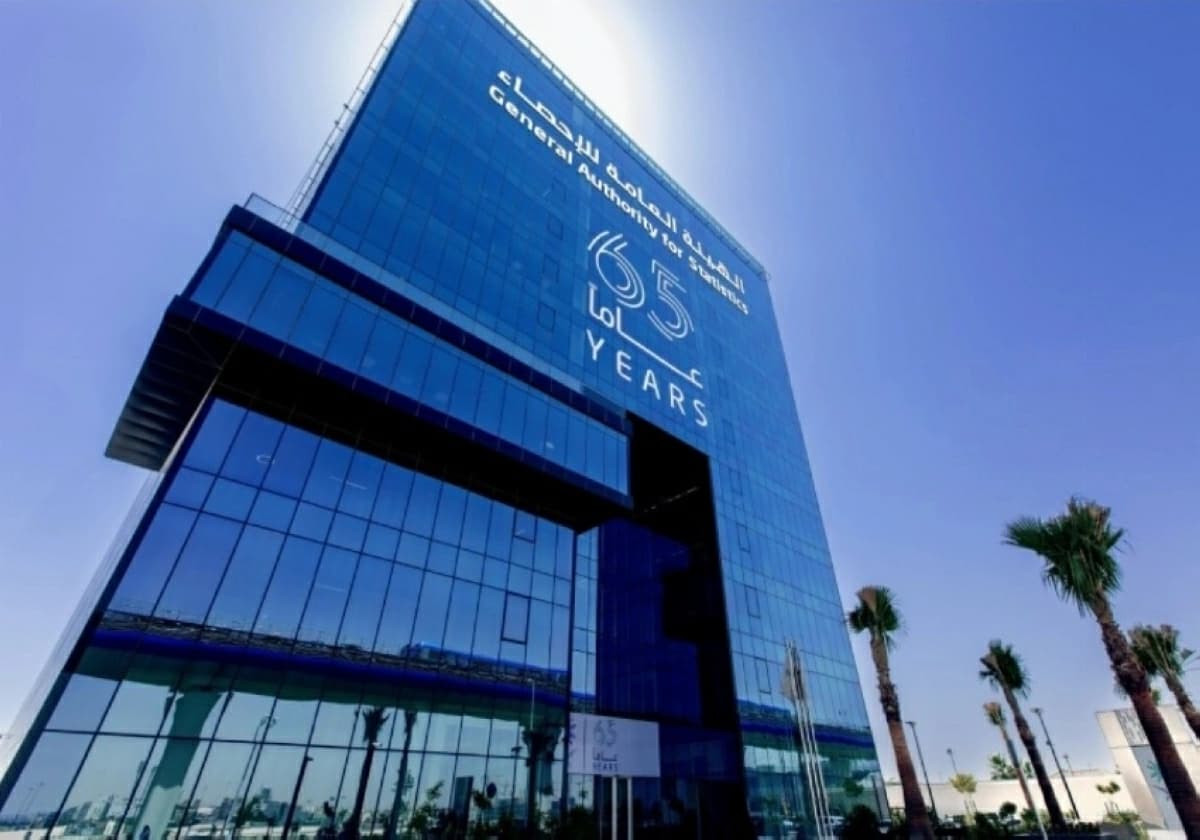
- Net FDI inflows to Saudi Arabia declined 2.4% year-on-year to SR 23.1 billion in Q1 2026
- Quarter-on-quarter, the drop was 51.9% from Q4 2025's unusually high SR 48 billion
- Outward FDI from Saudi Arabia surged 50.6% year-on-year to SR 3.5 billion
Saudi Arabia's net foreign direct investment inflows dropped 2.4% year-on-year in the first quarter of 2026, reaching SR 23.1 billion compared to SR 23.7 billion in Q1 2025, according to data released by the General Authority for Statistics on Tuesday. The quarterly picture looks rougher: net inflows plunged 51.9% from Q4 2025's SR 48 billion.
The headline number tells one story. The context tells another. Q4 2025's figure was anomalously high, likely inflated by large one-time deals or mega-project financing rounds. Against that backdrop, Q1 2026 looks less like a retreat and more like a return to baseline.
What do the gross inflow numbers show?
Total FDI inflows, before netting out outward flows, actually grew 2.4% year-on-year to SR 26.6 billion in Q1 2026, up from SR 26 billion in the same period of 2025. This gross figure suggests foreign investor appetite for Saudi assets remains stable, even as net numbers dipped slightly.
The quarter-on-quarter comparison still shows strain. Total inflows fell 49.9% from Q4 2025's SR 53.1 billion. But quarterly FDI data is notoriously lumpy. A single large acquisition or infrastructure commitment can swing figures by billions.
Saudi outbound investment jumped sharply
The more striking shift happened on the outflow side. Saudi outward FDI surged 50.6% year-on-year to SR 3.5 billion in Q1 2026, up from SR 2.3 billion in Q1 2025. This reflects the Kingdom's increasingly active posture as a capital exporter, not just a recipient.
The Public Investment Fund, Saudi Arabia's sovereign wealth fund, has been deploying capital globally at an aggressive pace. In 2025 alone, PIF reported a 152% jump in profit to $17.4 billion, signaling the scale of its international operations. When Saudi entities invest abroad, those outflows reduce the net FDI figure even if gross inflows hold steady.
Still, outward FDI declined 31.8% from Q4 2025's SR 5.2 billion, suggesting some moderation after a particularly active final quarter.
Vision 2030's $100 billion target: where does this leave it?
Saudi Arabia has set an ambitious goal of attracting $100 billion in annual FDI by 2030, a central pillar of Crown Prince Mohammed bin Salman's economic diversification strategy. The Q1 2026 figures, annualized, would fall well short of that target.
But FDI flows rarely distribute evenly across quarters. Major project financing, such as tranches for NEOM, The Line, or the Red Sea Project, tends to hit the books in concentrated bursts. The Kingdom's strategy depends on these giga-projects attracting international capital at scale, and the timing of those inflows can skew quarterly data significantly.
For tech companies and vendors eyeing Saudi Arabia as a growth market, the underlying trend matters more than any single quarter. The 2.4% year-on-year gross inflow increase suggests the Kingdom's pitch to foreign investors remains intact.
What's driving the quarterly volatility?
Q4 2025 appears to have been exceptional. The SR 48 billion net inflow figure was roughly double the typical quarterly run rate. Without detailed breakdowns from GASTAT, we can only speculate on what drove it: perhaps a major infrastructure deal closing, a significant stake sale, or accumulated commitments from multiple sources landing in the same reporting period.
The 51.9% quarter-on-quarter drop, while dramatic sounding, simply reflects reversion from that spike. For analysts tracking Saudi Arabia's investment environment, the year-on-year comparison offers a cleaner signal.
Logicity's Take
The 2.4% year-on-year decline masks a more stable picture. Gross inflows grew by the same percentage, and Q4 2025's outlier figure makes quarter-on-quarter comparisons misleading. For tech vendors weighing Saudi expansion, the math still works: the Kingdom is spending aggressively on digital infrastructure, and PIF's global dealmaking signals capital availability rather than scarcity. The question isn't whether Saudi Arabia wants foreign investment. It's whether global investors are comfortable with the regulatory and geopolitical context. That calculus hasn't changed in one quarter.
Frequently Asked Questions
How much FDI did Saudi Arabia receive in Q1 2026?
Net FDI inflows reached SR 23.1 billion in Q1 2026, a 2.4% decline from SR 23.7 billion in Q1 2025. Gross inflows totaled SR 26.6 billion.
Why did Saudi FDI drop so sharply quarter-on-quarter?
The 51.9% quarter-on-quarter decline reflects comparison against an anomalously high Q4 2025 figure of SR 48 billion, likely driven by one-time large deals.
What is Saudi Arabia's FDI target for 2030?
Saudi Arabia aims to attract $100 billion in annual FDI by 2030 as part of Vision 2030's economic diversification strategy.
Did Saudi outward investment increase in Q1 2026?
Yes. Saudi outward FDI jumped 50.6% year-on-year to SR 3.5 billion, reflecting the Kingdom's growing role as a global capital exporter.
Context on PIF's global investment activity driving Saudi outward FDI
Need Help Implementing This?
If you're evaluating Saudi Arabia as a market or tracking regional investment flows for strategic planning, reach out to Logicity's research team for tailored analysis.
Source: https://saudigazette.com.sa / Saudi Gazette report
Manaal Khan
Tech & Innovation Writer
Produced with AI assistance and reviewed by the Logicity editorial team. Learn more in our Editorial Policy.




