Key Takeaways
- Conversational Analytics in BigQuery is now generally available with zero setup required
- The feature shows its reasoning steps and SQL queries before returning answers, addressing enterprise trust concerns
- It connects to external sources including Databricks Unity, AWS Glue, SAP, and Salesforce
Google Cloud has moved Conversational Analytics in BigQuery to general availability, letting anyone in an organization query data warehouses using plain English. The feature, powered by Gemini models, translates natural language questions into SQL, runs multi-step analyses, and generates visual reports without requiring users to write code.
Disclosure
Some links in this post are affiliate links — Logicity earns a commission if you sign up, at no extra cost to you. We only link products we have used or actively recommend.
The announcement addresses a persistent bottleneck in enterprise data teams. Business users need answers. Analysts are buried in request queues. The gap creates delays that compound across organizations. Google's solution: put an AI agent between the question and the database.
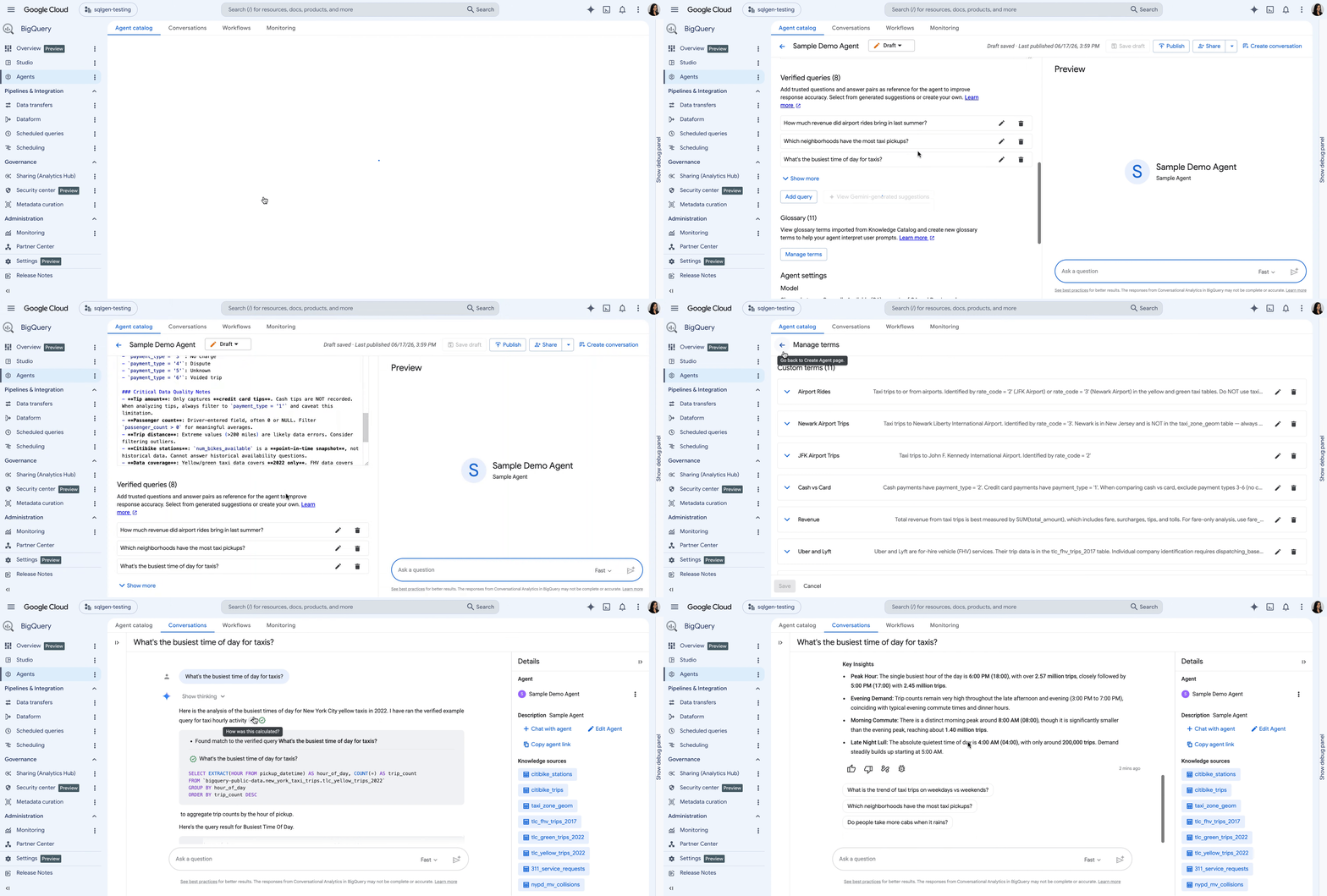
What does Conversational Analytics actually do?
The system works as an intermediary. A user types a question like "What were our top-selling products in Texas last quarter?" The agent translates this into SQL, executes it against BigQuery, and returns both the answer and the query it generated. No setup is required for basic functionality.
For organizations wanting tighter control, data teams can author specialized agents grounded in specific projects, datasets, tables, and user-defined functions. This grounding matters because generic language models hallucinate when they lack context. By constraining what the agent knows about, Google reduces the surface area for errors.
The feature also reaches beyond BigQuery's native tables. It connects to Apache Iceberg tables managed through Lakehouse, plus external sources including Databricks Unity Catalog, AWS Glue, SAP, and Salesforce. For enterprises with data spread across clouds, this means fewer integration headaches.
How does it handle trust and accuracy?
Enterprise AI adoption stalls on trust. If a CFO asks about quarterly revenue and gets a wrong number, the tool is done. Google has built several mechanisms to address this.
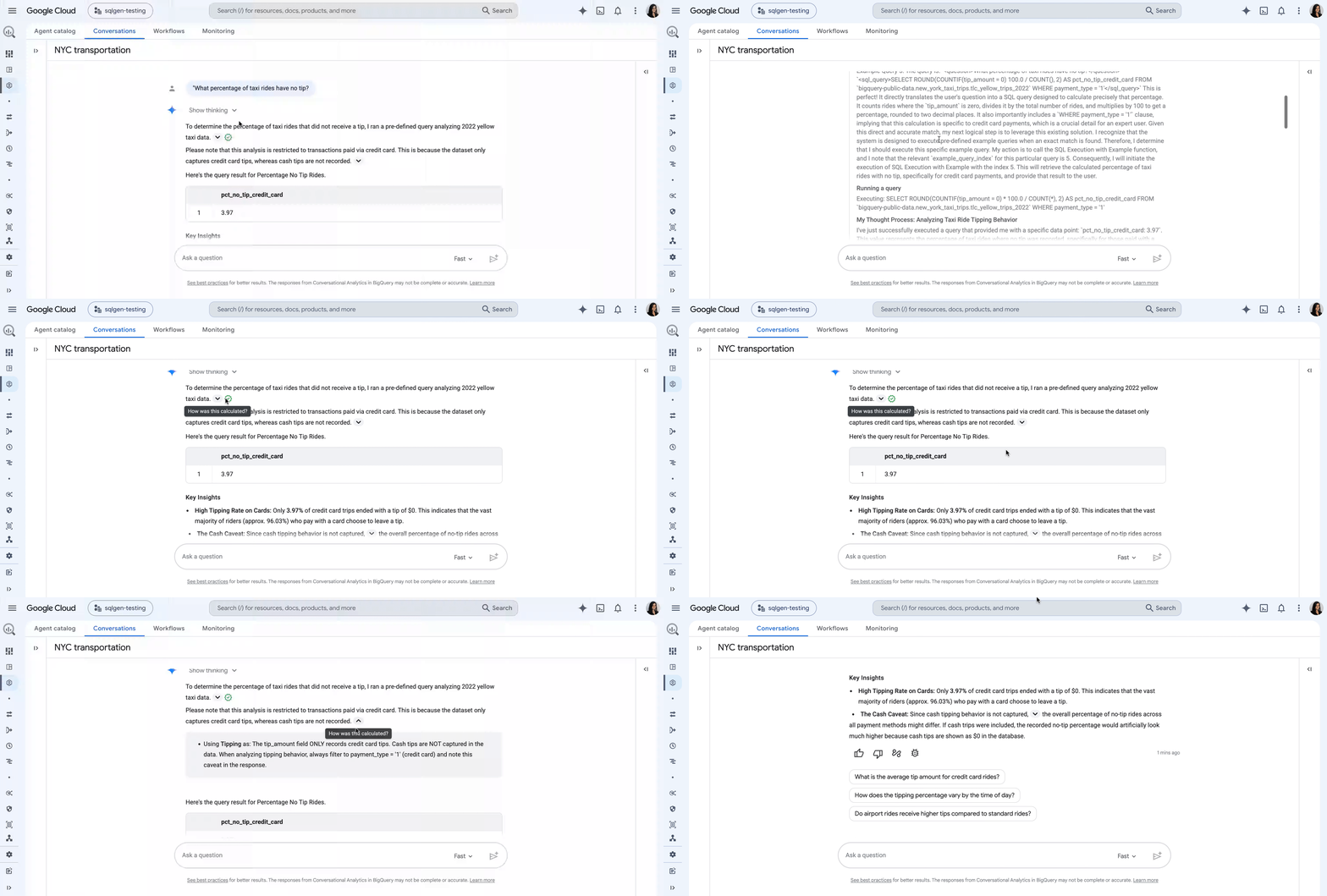
First, visible reasoning. Before returning an answer, the agent shows its step-by-step thinking and the exact SQL it generated. Users can inspect what happened, not just what came back.
Second, context citations. Every response links to the tables, schema definitions, verified queries, and glossary terms used in the calculation. If the finance team has defined "revenue" in a specific way, the agent uses that definition and shows it did so.
Third, disambiguation. When a prompt is vague, the agent asks clarifying questions instead of guessing. And it remembers those clarifications for future queries, building a session-specific understanding of what terms mean.
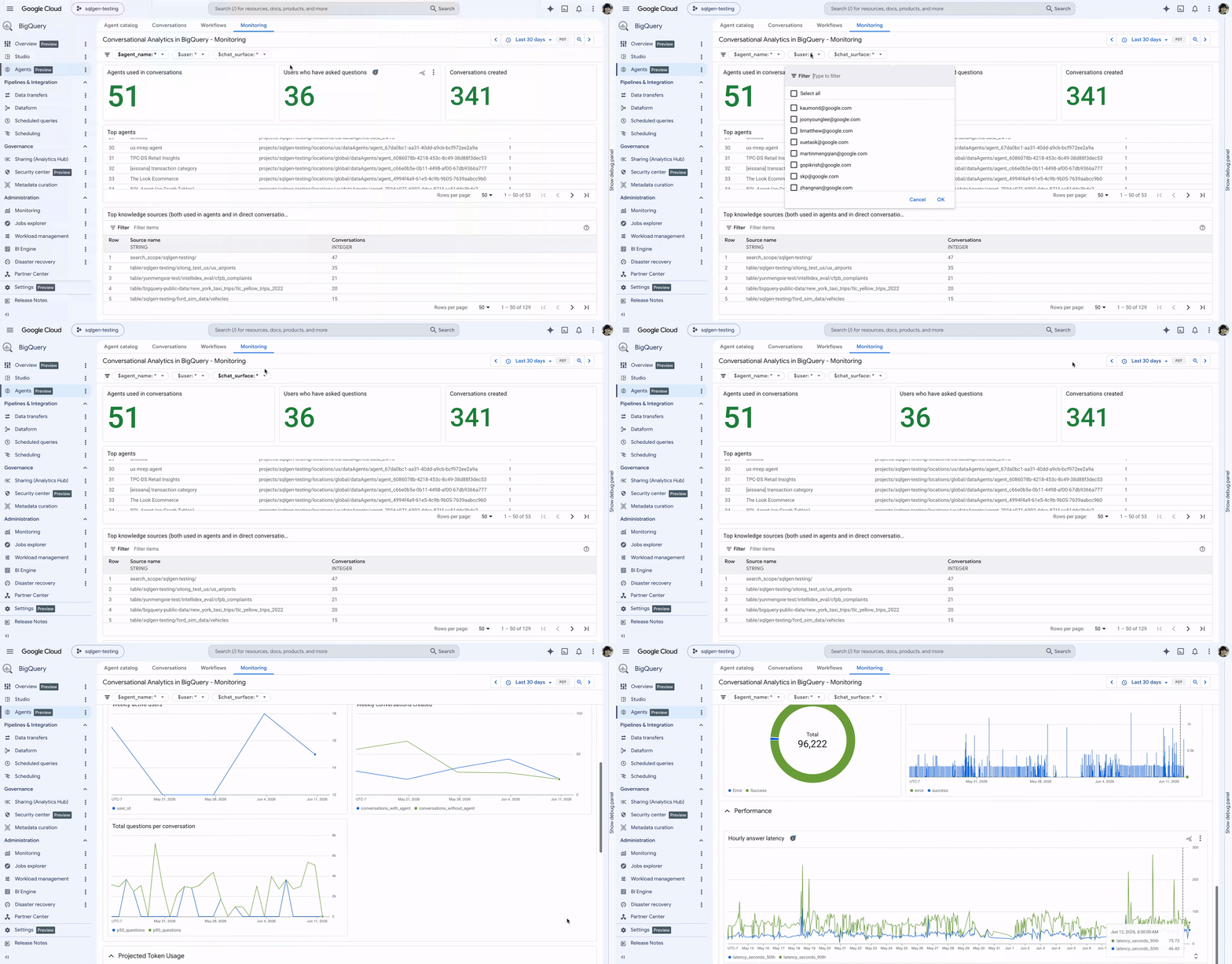
The system also uses existing embeddings of column values. If a user asks about "Texas" but the database stores "TX", the embedding layer handles the translation. This is the kind of detail that separates usable tools from demo-ware.
What about governance and security?
Conversational Analytics inherits BigQuery's existing governance model. Users only query data they're authorized to see. Every query gets logged for auditing. The compliance framework that enterprises already configured still applies.
On top of the baseline, Google added Access Transparency, Customer-Managed Encryption Keys, Private IP, and VPC Service Controls. Data residency guarantees now cover ML processing within EU and US multi-region endpoints, not just data at rest.
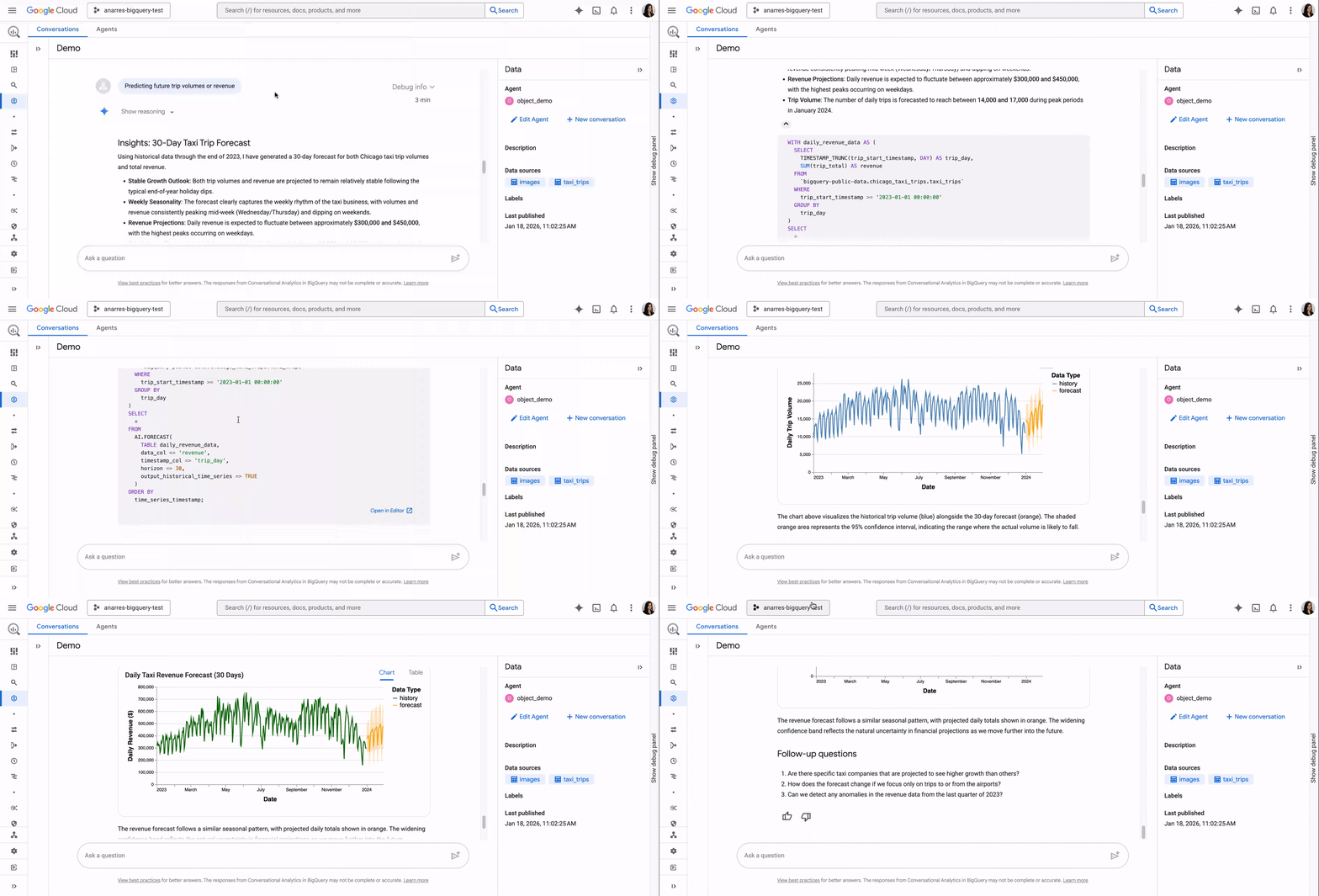
Cost controls matter for tools that make querying easy. Google lets administrators cap query sizes in bytes per agent and set allotments per user or project. Usage tracking flows through BigQuery labels, integrating with existing monitoring setups.
Early results from production use
“At MoneySuperMarket, BigQuery Conversational Analytics has changed how our teams get to insight. Analysis that used to take weeks can now be done in minutes, saving our financial analysts around half a day each week.”
— Suzie Millar, Head of Data, Mony Group
Half a day per week per analyst is meaningful when multiplied across a data team. But the deeper shift is in who can ask questions at all. Self-serve analytics has been a buzzword for a decade. Natural language interfaces may finally make it real.
Where the agents run
Data practitioners build and test agents inside BigQuery Studio and Data Canvas. From there, they can publish to Gemini Enterprise, Data Studio, or custom applications through the Conversational Analytics API. The goal is meeting business users wherever they already work rather than forcing them into a new interface.
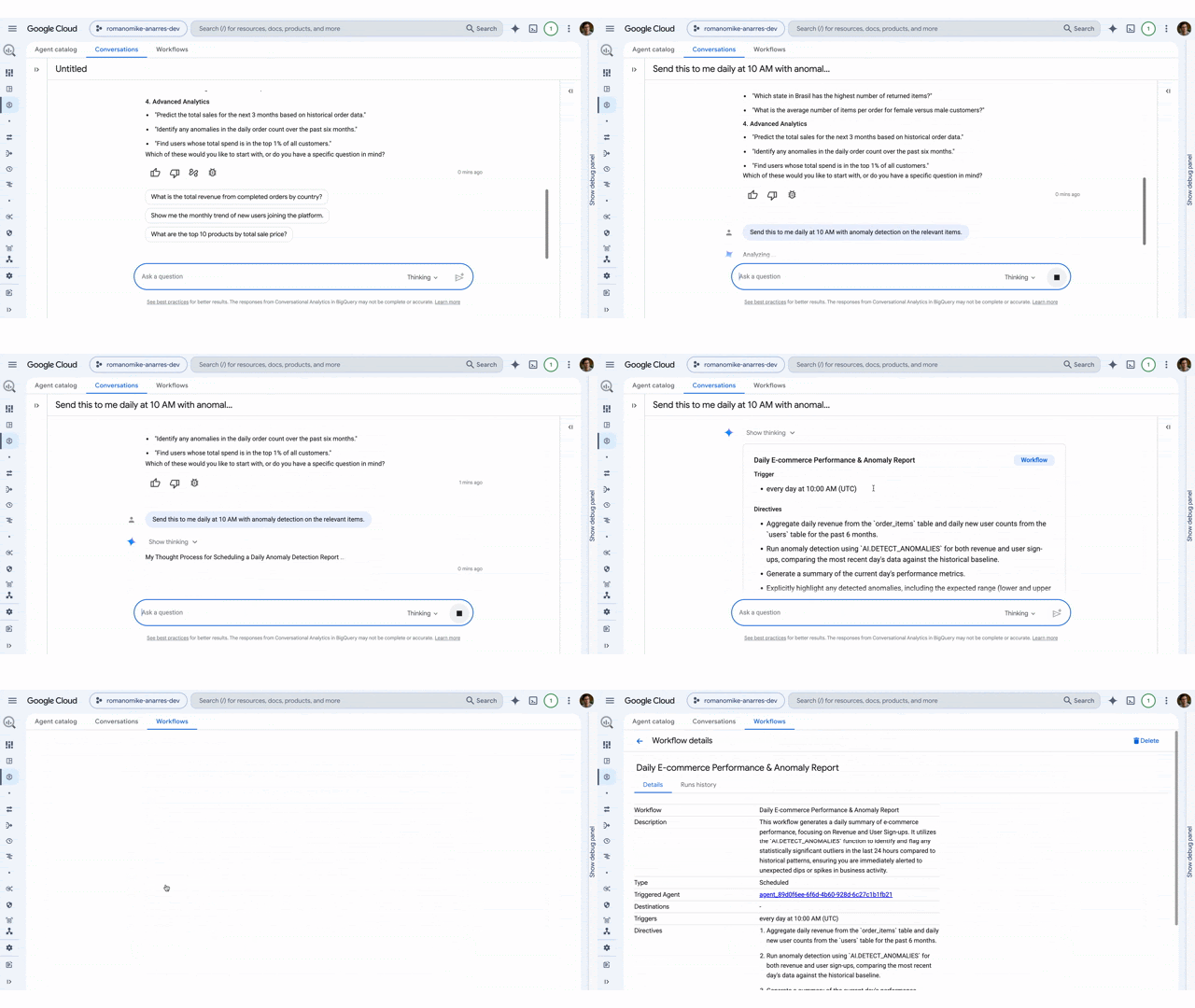
The API angle is worth watching. If you can embed a data-aware agent into any application, the surface area for analytics expands considerably. A support ticket system could pull customer metrics. A planning tool could query forecasts. The possibilities multiply.
Logicity's Take
Google is positioning BigQuery as the control plane for enterprise AI analytics, not just a data warehouse. The cross-cloud connectivity to Databricks, AWS Glue, and Salesforce signals competitive intent: they want to be the query layer regardless of where data lives. For enterprises already using CRM platforms like [HubSpot](https://logicity.in/r/hubspot) or [Zoho CRM](https://logicity.in/r/zoho-crm) alongside BigQuery, the natural language interface could reduce the need for dedicated BI staff. Whether the transparency features actually build trust will depend on execution. If SQL-literate users start finding errors in the generated queries, word will spread. If they don't, this becomes a serious threat to standalone BI tools.
Frequently Asked Questions
Does BigQuery Conversational Analytics require any setup?
Basic functionality works immediately with no configuration. For customized agents grounded in specific datasets and business definitions, data teams can author specialized agents with additional context.
What data sources can BigQuery Conversational Analytics query?
Native BigQuery tables, Lakehouse-managed Apache Iceberg tables, and external sources including Databricks Unity Catalog, AWS Glue, SAP, and Salesforce.
How does BigQuery Conversational Analytics handle data governance?
It inherits BigQuery's existing governance model. Users only access data they're authorized to see, all queries are logged for auditing, and it supports CMEK, Private IP, VPC Service Controls, and data residency guarantees for EU and US regions.
Can you see the SQL queries generated by Conversational Analytics?
Yes. The agent shows its reasoning steps and the exact SQL it generates before returning an answer, plus citations to the tables and definitions used.
What are the cost controls for BigQuery Conversational Analytics?
Administrators can cap maximum query size in bytes per agent, set usage allotments per user or project, and track consumption through BigQuery job labels.
Need Help Implementing This?
If you're evaluating how to bring conversational analytics into your data stack, reach out at [hello@logicity.in] or explore our consulting services for enterprise AI implementation guidance.
Source: Cloud Blog
Huma Shazia
Senior AI & Tech Writer
Produced with AI assistance and reviewed by the Logicity editorial team. Learn more in our Editorial Policy.




