Key Takeaways
- Kürşat 3.0 spray coating claims 43dB radar signal reduction, versus 20-30dB for typical materials
- The volcanic basalt and pumice formula took seven years to develop
- Third-party verification is still needed to confirm the performance claims
A Spray Can for Stealth
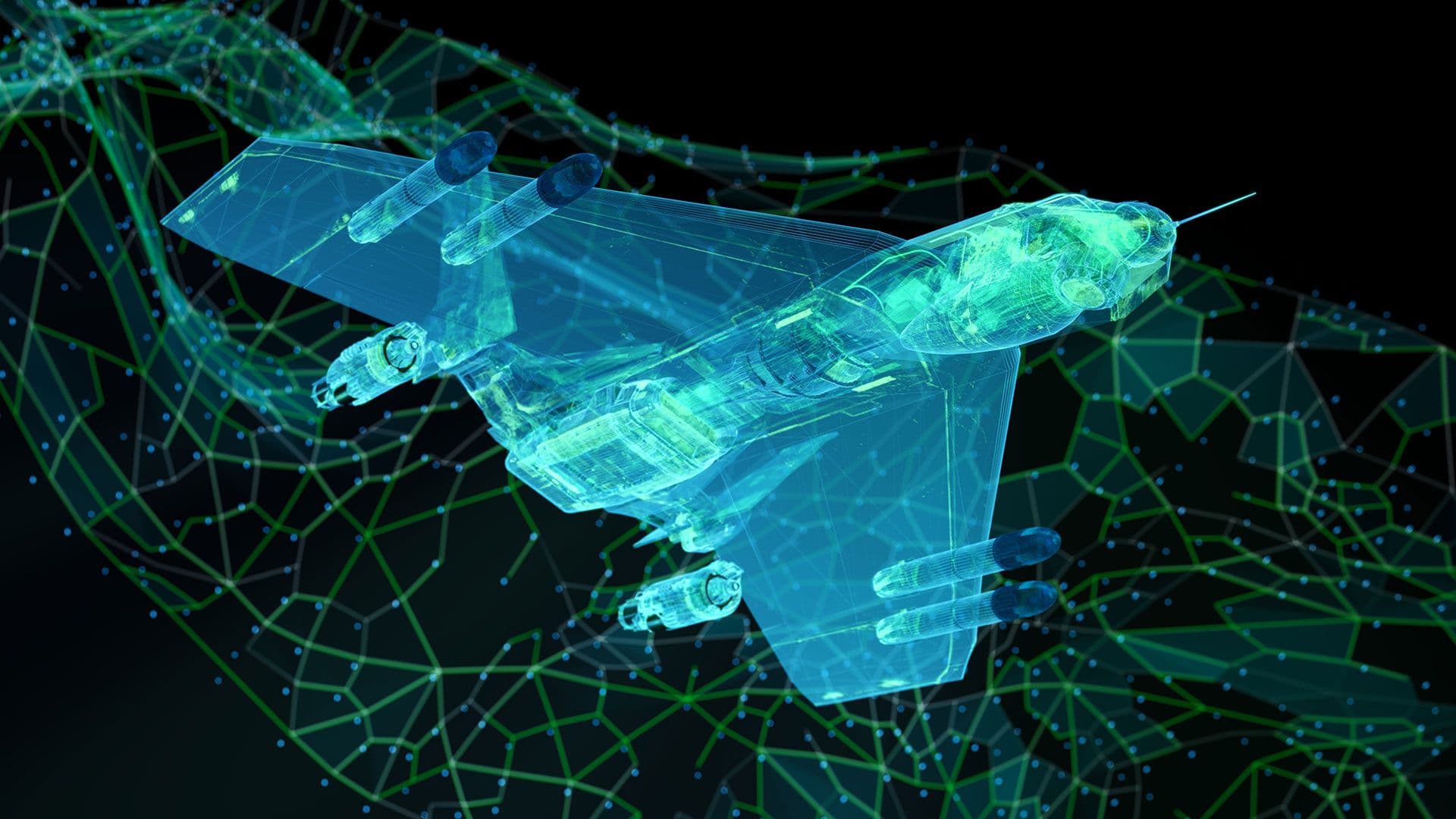
Turkish researcher Yunus İnce has developed a sprayable radar-absorbent material that could make small drones significantly harder to detect. The product, called Kürşat 3.0, uses volcanic basalt and pumice to trap electromagnetic signals. İnce claims the material achieves up to 43dB of signal attenuation in testing.
That number matters. Standard radar-absorbent materials (RAM) typically achieve 20 to 30dB of attenuation. A 43dB reduction means the coating blocks about 99.995% of incoming radar energy, compared to roughly 99.9% for conventional materials. In practical terms, that could be the difference between a drone appearing on radar at 10 kilometers versus 2 kilometers.
Seven Years in Development
İnce and a small defense research firm have been working on the formula for more than seven years. According to Defense Blog, the researcher shared test footage demonstrating the claimed 43dB attenuation. The publication reported this exceeds broadband coatings tested by academic researchers under standardized conditions.
The science behind it is plausible. Volcanic basalt and pumice have microscopic pores that can trap electromagnetic waves. The porous structure converts radar energy into heat instead of reflecting it back to the receiver. This is the same principle behind traditional RAM, but the volcanic rock formulation appears to do it more efficiently.
Why This Matters for Drone Warfare
Drone warfare has exploded since 2022. The conflict in Ukraine demonstrated how cheap UAVs can stop multi-million-dollar tank columns. Both sides have adopted drones extensively, and militaries worldwide are developing countermeasures: lasers, microwaves, kinetic interceptors.
Traditional stealth technology relies on two approaches: deflection and absorption. Aircraft like the F-117 Nighthawk used angular surfaces to bounce radar signals away from receivers. Modern stealth aircraft like the B-21 Raider and F-35 combine aerodynamic curves with radar deflection, made possible by computing advances. RAM handles the signals that can't be deflected, converting them to heat.
Small drones present a different challenge. Their size makes specialized radar-deflecting geometry impractical and cost-ineffective. A spray-on solution that works could let manufacturers apply stealth to mass-produced drones after assembly. That's a significant tactical advantage if the performance holds up.
The Verification Problem
Here's the catch: these claims haven't been independently verified. Defense Blog notes that third-party experts still need to validate whether Kürşat 3.0 actually works as claimed. Self-reported test footage is not the same as peer-reviewed testing.
Online discussions have raised valid concerns. Radar attenuation depends heavily on frequency bands. A coating that blocks X-band radar effectively might perform poorly against L-band systems. Real-world conditions add more variables: vibration, temperature swings, moisture exposure. A coating that works in a lab might fail on a drone flying at 100 km/h through rain.
The 43dB figure also needs context. Is that peak attenuation at an optimal frequency, or average performance across a spectrum? The difference matters for practical applications.
Another research breakthrough with significant defense and security implications
What Comes Next
If independent testing confirms İnce's claims, Kürşat 3.0 could reshape drone design. Manufacturers could apply stealth as an aftermarket upgrade rather than engineering it into the airframe. That would lower costs and increase flexibility.
The opposite is also possible. Many defense claims fail under scrutiny. The spray-on stealth coating could join a long list of technologies that worked in controlled conditions but not in the field.
For now, the technology remains promising but unproven. Defense contractors and military planners will watch for third-party validation. If it comes, expect rapid adoption. Drone operators need every advantage they can get against improving counter-drone systems.
Logicity's Take
Frequently Asked Questions
How does volcanic rock absorb radar signals?
Volcanic basalt and pumice have microscopic pores that trap electromagnetic waves. Instead of bouncing radar energy back to the receiver, the porous structure converts it into heat, reducing the drone's radar signature.
What is dB in radar signal attenuation?
Decibels (dB) measure signal reduction on a logarithmic scale. A 10dB reduction means 90% of the signal is blocked. A 20dB reduction blocks 99%. A 43dB reduction blocks 99.995% of incoming radar energy.
Can any drone use this spray-on stealth coating?
In theory, a spray-on coating could be applied to any drone after manufacturing. However, effectiveness would depend on the drone's shape, size, and the radar frequencies used to detect it. Verification testing is still needed.
Why haven't militaries used volcanic rock for stealth before?
Traditional stealth relies on aircraft geometry and specialized composite materials developed over decades. Volcanic rock formulations for RAM are a newer research area. The challenge is engineering the microscopic structure to trap specific radar wavelengths.
When will Kürşat 3.0 be available?
No timeline has been announced. The material still requires third-party verification before any military or commercial adoption. Development and testing could take additional years.
Need Help Implementing This?
Source: Latest from Tom's Hardware
Huma Shazia
Senior AI & Tech Writer
Produced with AI assistance and reviewed by the Logicity editorial team. Learn more in our Editorial Policy.