Key Takeaways
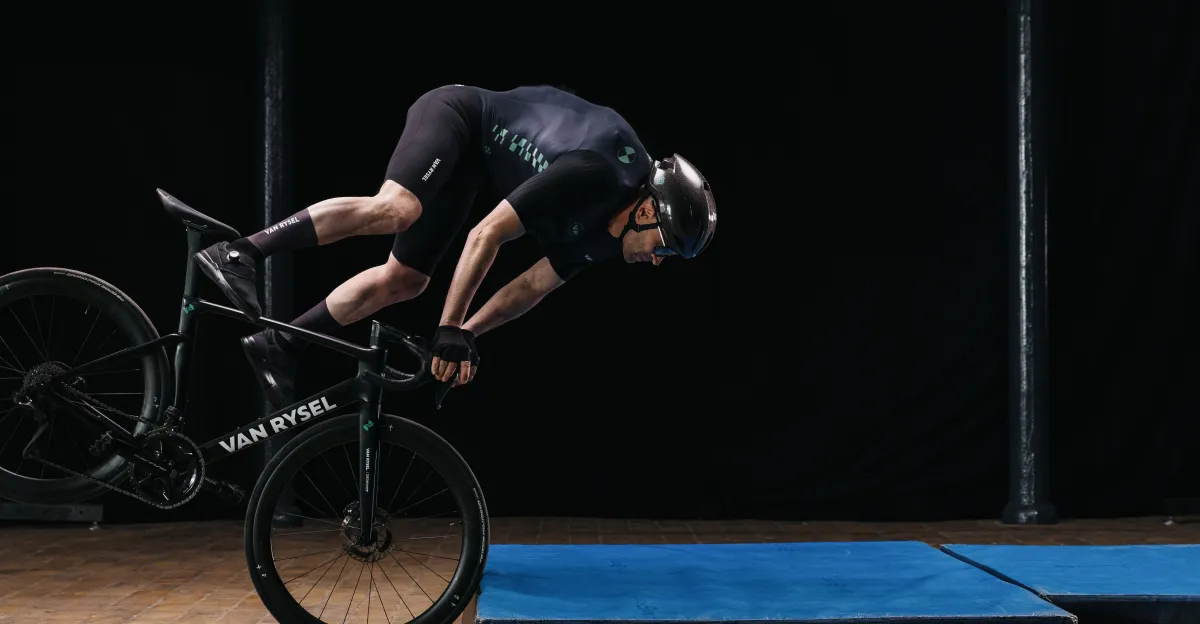
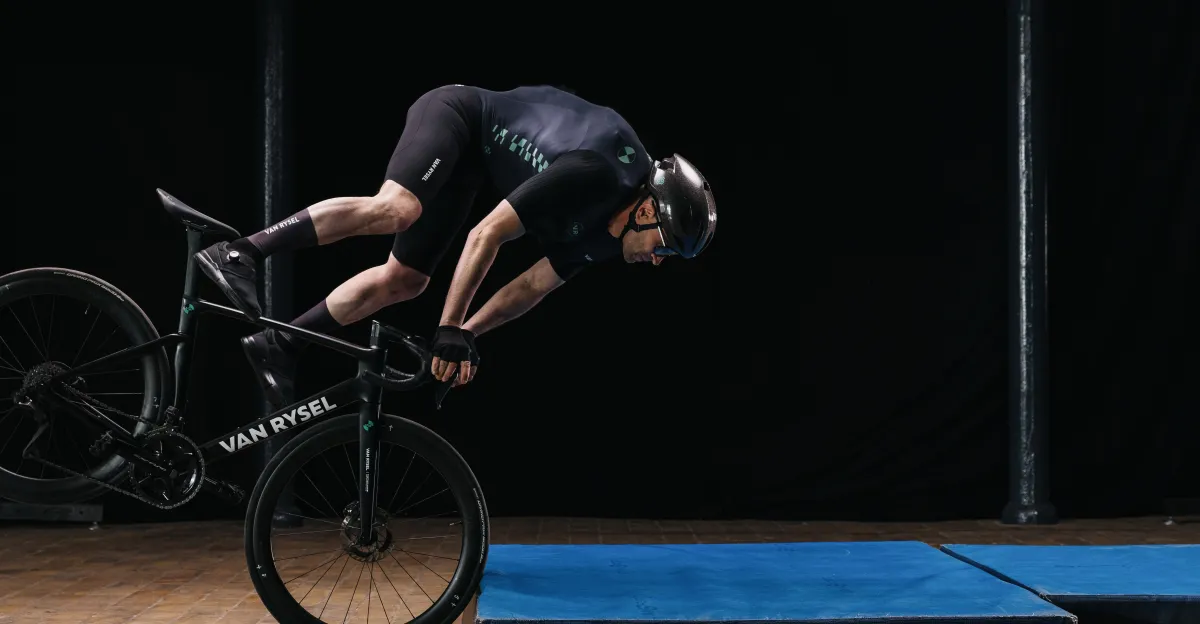
- Van Rysel's airbag skinsuit deploys in 60 milliseconds after detecting a crash
- The entire system weighs just 700 grams, significantly lighter than MotoGP airbags
- Pro cyclists are currently testing it ahead of a consumer release within two years
- The airbag protects the spine, core, and cervical zone areas not covered by helmets
- UCI called for better rider protection gear in February after speeds continued increasing
Read in Short
Van Rysel just unveiled an airbag system built directly into a cycling skinsuit. It deploys in 60 milliseconds, weighs 700 grams total, and protects your spine and core during crashes. Pro riders are testing it now, and you might be able to buy one within two years.
Cycling safety tech has been stuck in the helmet era for decades. Sure, helmets got better. Lighter materials, better ventilation, MIPS technology. But everything below your neck? You're basically on your own with some lycra and hope. Van Rysel wants to change that.
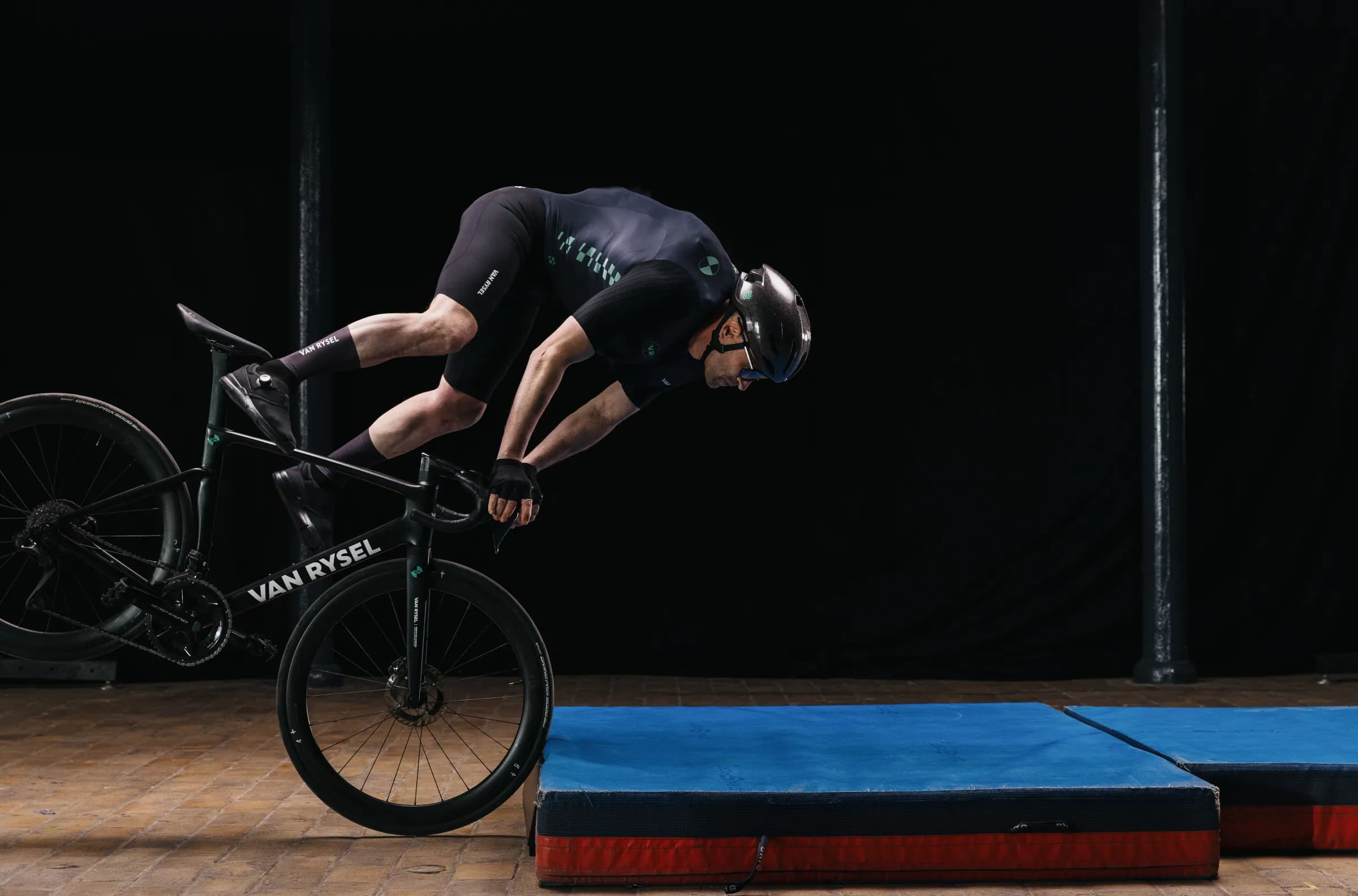
The French cycling brand, working with airbag specialists In&motion, has created something that actually looks like it belongs on a rider rather than being strapped on as an afterthought. We're talking about a full skinsuit with airbag technology woven into its DNA. Not a vest you wear over your kit. Not a backpack with inflatable bits. A proper race-ready skinsuit that just happens to save your spine when things go wrong.

The Numbers That Actually Matter
Here's the thing about crashes at 50+ km/h. By the time your brain registers something's wrong, you've already hit the ground. That's why Van Rysel's 60-millisecond deployment time is such a big deal. The system uses an impact-detection algorithm that senses when everything's about to go horribly wrong, and the airbag inflates before you even know you need it.
The whole system tips the scales at about 700 grams. The airbag components themselves account for 500 grams of that. For context, MotoGP riders wear airbag systems that are significantly heavier, and those guys are sitting down. Cyclists need to pedal, breathe, and not feel like they're wearing a life jacket while climbing the Alpe d'Huez.
- Total weight: 700 grams (airbag components: 500 grams)
- Deployment time: 60 milliseconds
- Protection zones: Central core, cervical zone, spinal line
- Materials: Aerodynamic fabric with abrasion-resistant sections
- Status: Final validation phase with pro riders
Why Now? Because Riders Keep Getting Faster
The UCI, professional cycling's governing body, put out a call in February for gear that could protect riders traveling faster than ever. And they're not wrong to be worried. Modern bikes, better roads, and improved aerodynamics mean the peloton regularly hits speeds that would've been considered reckless a generation ago.
“Behind every race number, there's a human being and sadly it is still widely accepted that a rider can lose everything in a fraction of a second due to a crash. What helmets represented 20 years ago, we think Airbag can represent today, but now, we're looking beyond the head, we need to protect as much of the body as we can.”
— Jocelyn Bar, Van Rysel Product Manager
That quote hits different when you think about all the careers ended by collarbone breaks, spinal injuries, and worse. Cycling has always had this weird acceptance of serious injury as just part of the sport. You crash, you bleed, you get back on. But maybe that's not good enough anymore.
Another look at how regulatory bodies are responding to new safety technologies in their respective fields
What The Airbag Actually Protects
So what happens when you go down? The airbag inflates to cover areas that helmets can't touch. We're talking about the central core, the cervical zone around your neck, and your entire spinal line. Basically all the stuff that makes the difference between walking away from a crash and not walking at all.
The skinsuit itself pulls double duty even before any crash happens. Van Rysel designed it to be aerodynamic and to dissipate heat, because nobody wants to feel like they're wearing a sauna. The abrasion-resistant materials also help reduce road rash and surface-level skin injuries. Getting scraped up is never fun, but it beats the alternative.
What's Not Protected (Yet)
The current version focuses on upper body protection. Van Rysel says more extensive protection for other body areas will be explored in future iterations. Arms, legs, and hips aren't covered by this first generation.
MotoGP Paved The Way
This isn't some untested concept dreamed up in a lab. Airbag technology has been protecting MotoGP riders for years now, and those systems have been proven in some absolutely gnarly crashes. The difference is that motorcycle racing suits can afford to be bulky. Cycling kits cannot.
Getting the weight down to 700 grams while maintaining protection levels comparable to MotoGP systems is genuinely impressive engineering. The In&motion partnership makes sense here. They know airbags. Van Rysel knows cycling. Put them together and you get something that might actually work in the real world.
When Can You Actually Buy One?
The "within two years" timeline means we're probably looking at 2027 or 2028 before regular cyclists can get their hands on one. Pro riders are the guinea pigs right now, which makes sense. If the system works under Tour de France conditions, it'll work on your Saturday group ride.
No word yet on pricing, but given the technology involved and Van Rysel's position as Decathlon's premium cycling brand, expect this to cost more than your average skinsuit. Probably a lot more. The question is whether cyclists will pay a premium for crash protection the same way they happily shell out for lighter wheels or stiffer frames.
The crash detection algorithm powering this airbag is another example of AI making real-world safety decisions in milliseconds
The Bigger Picture
Look, helmets were once controversial in cycling. Hard to believe now, but there was genuine pushback against mandatory helmet rules. Today, nobody questions whether you should protect your head. Van Rysel is betting that airbag protection for your spine and core will follow the same trajectory.
The tech is here. It works in other sports. Pro riders are testing it. The UCI wants it. And honestly? Watching riders walk away from crashes that would've ended careers a decade ago sounds pretty good to me.
We'll keep you posted as this moves toward consumer release. If Van Rysel pulls this off, your next skinsuit might just save your spine.
Frequently Asked Questions
How does the Van Rysel cycling airbag detect crashes?
The system uses an impact-detection algorithm that senses when a crash is occurring and deploys the airbag in 60 milliseconds, faster than human reaction time.
How much does the Van Rysel airbag skinsuit weigh?
The total system weighs about 700 grams, with the airbag components accounting for 500 grams. This is significantly lighter than MotoGP airbag systems.
When will the cycling airbag be available to buy?
Van Rysel says the airbag skinsuit should be available to consumers within two years, likely in 2027 or 2028 after pro rider testing is complete.
What parts of the body does the airbag protect?
The current version protects the central core, cervical zone around the neck, and the spinal line. Future versions may expand to cover additional body areas.
Huma Shazia
Senior AI & Tech Writer
Produced with AI assistance and reviewed by the Logicity editorial team. Learn more in our Editorial Policy.




