Key Takeaways
- Shift provides free professional cleaning in exchange for recording the entire session via head-mounted cameras
- The startup claims footage is fully anonymized before use, blurring faces, names, and personal information
- Service launches in New York, with expansion to San Francisco, London, Zurich, and Munich planned
Your Dirty Dishes for Their Robot Future
A new AI startup called Shift has a proposition: let us clean your home for free, and in return, we record the whole thing. The footage trains robots to eventually do the job themselves.
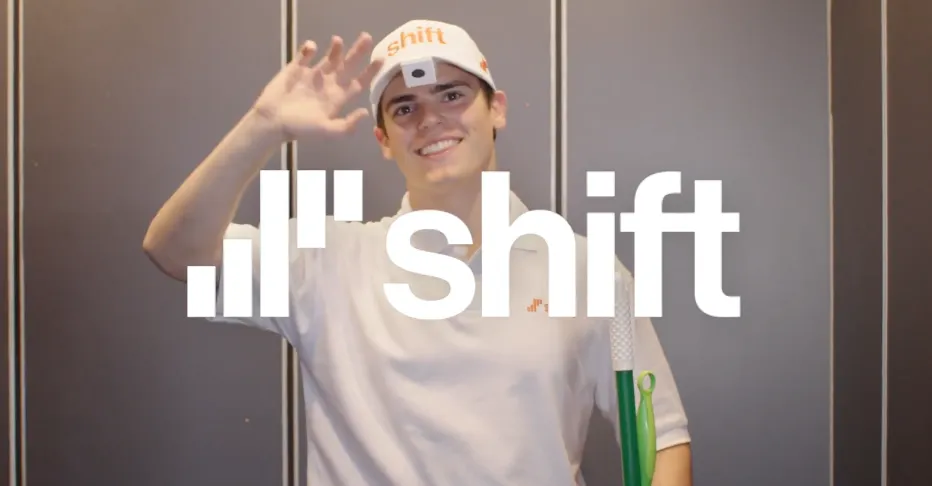
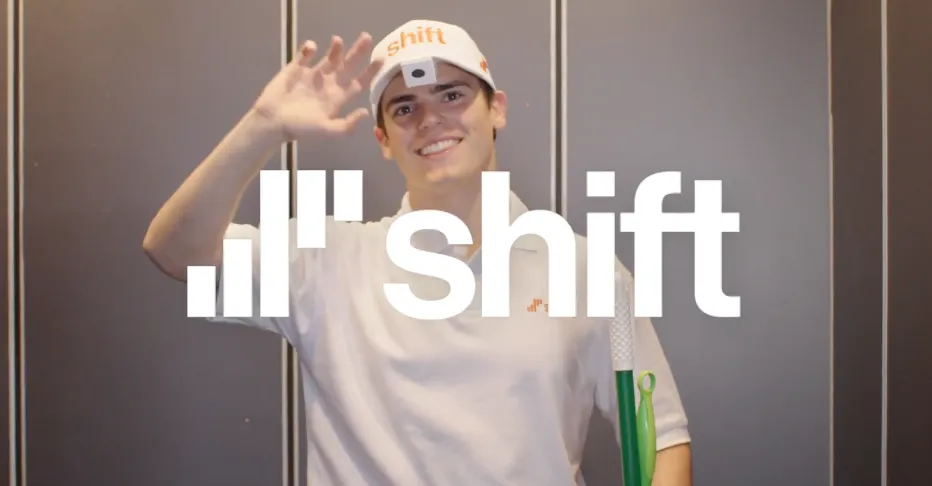
Shift announced the offer on Thursday via social media. Cleaners arrive in white uniforms wearing what the company calls a "magic hat." The hat contains a camera that captures a first-person view of every task. Scrubbing counters, vacuuming floors, washing windows. All recorded.
"You get a spotless apartment. We get training data. Everyone wins," the company's website states.
The economics work because training data is valuable. According to co-founder Bercan Kilic, the footage from a single cleaning session is worth more than the labor cost to perform it.
“The value of the training data generated from one session is exponentially higher than the hourly labor cost of the cleaner.”
— Bercan Kilic, Co-founder of Shift
How It Works
The service is straightforward. You book a cleaning through Shift. A vetted cleaner arrives wearing the camera-equipped hat. They clean your home while recording from their point of view. You pay nothing.
Shift says customers' privacy is "fully protected." Sensitive details like faces, names, and information visible on screens or ID cards get blurred and anonymized before the footage enters AI training sets. The company emphasizes that cleaners are vetted by partner organizations, though they are not Shift employees.
The company has a preference for messy homes. An FAQ on Shift's website notes that "more challenging cleaning environments can be especially useful" for training purposes. The dirtier your apartment, the better the data. There are limits. Cleaners can decline any task they find uncomfortable.
Where and When
The free service is initially available only in New York. Kilic says San Francisco, London, Zurich, and Munich are coming "very soon." The company has not specified how long the free offer will last, only that it is available for a "limited time."
Shift already operates a broader data collection business. The company says it pays tens of thousands of people across 15 countries to record their activities through its app. The free cleaning service is an expansion of this model into a new domain.
Cleaning may be just the start. Shift's promotional video mentions plans to expand into plumbing, cooking, and construction. The goal is a comprehensive visual dataset for what the company calls "domestic embodied AI."
“We aren't just cleaning homes; we are building the world's most comprehensive visual dataset for domestic embodied AI.”
— Shift Official Press Release
The Privacy Debate
The reaction online has been mixed. On Reddit's r/technology and Hacker News, users have drawn comparisons to Black Mirror. The central question: is a free cleaning worth letting cameras record the inside of your home?
Skeptics on Hacker News questioned whether Shift's anonymization technology actually works as promised. Blurring faces and documents sounds good in a press release. The details of how it is implemented matter.
Other users took a lighter approach. Reddit commenters jokingly volunteered their messiest apartments, noting that grubbier environments provide higher-quality training data. One viral thread described the service as "your home is the product."
The Bigger Picture
Shift's model fits within a growing market for real-world training data. AI systems, especially robots that need to navigate physical environments, require massive amounts of footage showing humans performing tasks. Simulated data only goes so far. Real-world recordings of people vacuuming, scrubbing dishes, and mopping floors are harder to synthesize.
Companies building domestic robots need to train them on diverse home layouts, furniture arrangements, and cleaning challenges. A spotless test lab does not prepare a robot for a cluttered New York studio apartment. Shift's service generates exactly this kind of varied, realistic data.
The trade-off is clear. Homeowners get professional cleaning at no monetary cost. Shift gets valuable training data. Whether that exchange is worth it depends on how much you value the footage of your living space staying out of AI training sets.

Logicity's Take
Frequently Asked Questions
Is Shift cleaning really free?
Yes, there is no monetary cost. You pay with the footage recorded inside your home, which Shift uses to train AI and robotics systems.
How does Shift protect privacy during recordings?
Shift claims to automatically blur sensitive details like faces, names, and information on screens or ID cards before using footage for AI training. Independent verification of these claims is not yet available.
Where is Shift free cleaning available?
The service is currently available only in New York. San Francisco, London, Zurich, and Munich are planned for expansion, though exact dates have not been announced.
What kind of homes does Shift prefer?
Shift says "more challenging cleaning environments can be especially useful" for training purposes. Messier homes generate more valuable training data.
How long will Shift offer free cleaning?
The company says free cleanings are available for a "limited time" but has not specified an end date.
If you're evaluating AI automation platforms, this comparison breaks down the tradeoffs
Need Help Implementing This?
Huma Shazia
Senior AI & Tech Writer
Produced with AI assistance and reviewed by the Logicity editorial team. Learn more in our Editorial Policy.