Key Takeaways

- US smartphone shipments dropped 3% year-over-year to 33.4 million units in Q1 2026
- Motorola was the only major vendor to grow, posting 18% shipment gains on strong Moto G sales
- The mid-range segment ($300-599) collapsed 19%, while budget and premium tiers held steady
The US smartphone market shrank 3% year-over-year in Q1 2026, according to new analysis from Omdia. Total shipments reached 33.4 million units, a number that reflects both economic headwinds and the aftermath of aggressive inventory hoarding in early 2025.
The culprits are familiar: rising memory chip prices squeezing manufacturers, delayed flagship launches compressing the sales window, and consumers who simply aren't buying phones as often as they used to. Omdia predicts the market will contract 4% for the full year.
The Tariff Hangover
Much of the Q1 weakness traces back to decisions made a year ago. In early 2025, smartphone makers rushed to build inventory ahead of anticipated import tariffs from the Trump Administration. That front-loading meant demand was pulled forward, leaving Q1 2026 with fewer natural buyers.
At the same time, memory chip prices have climbed steadily, raising the bill of materials for every phone. Manufacturers face a choice: absorb the cost or pass it to consumers. Neither option helps volumes.
Apple Holds the Lead, But Slips
Apple remained the top smartphone vendor in the US, but its shipments fell 3% compared to Q1 2025. The iPhone 17 series accounted for 70% of all Apple shipments, a concentration that reflects both the device's popularity and the thin lineup behind it.
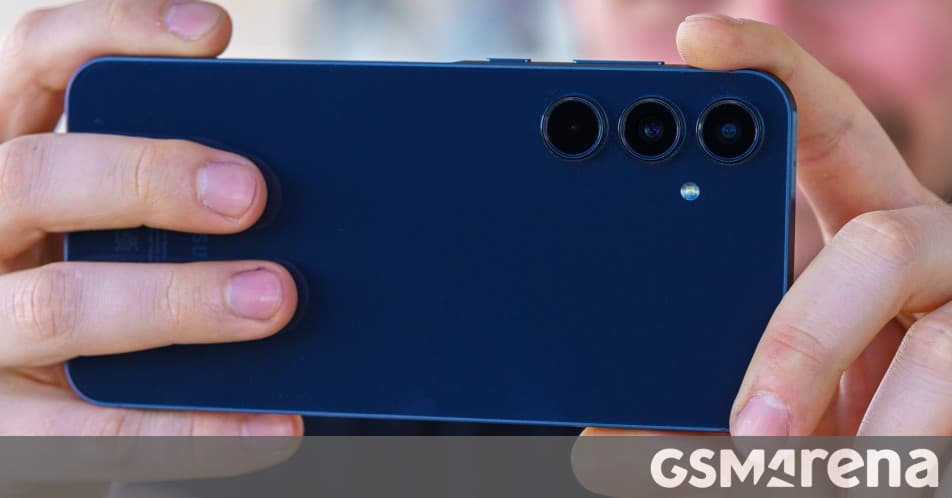
Apple benefited from Samsung's timing misstep. The Galaxy S26 series launched about a month later than its predecessor, pushing some premium buyers toward the iPhone instead. That's a rare case of Apple winning by default in the flagship wars.
Samsung's Late Launch Hurts
Samsung held second place but shipped 5% fewer phones than in Q1 2025. The delayed Galaxy S26 launch bears some responsibility. Still, the series showed strong underlying demand. Pre-orders for the Galaxy S26 jumped 25% over the Galaxy S25 lineup.
That 25% pre-order surge suggests the problem isn't the product. It's the calendar. A month less time in the quarter means a month less revenue.
Motorola: The Lone Grower
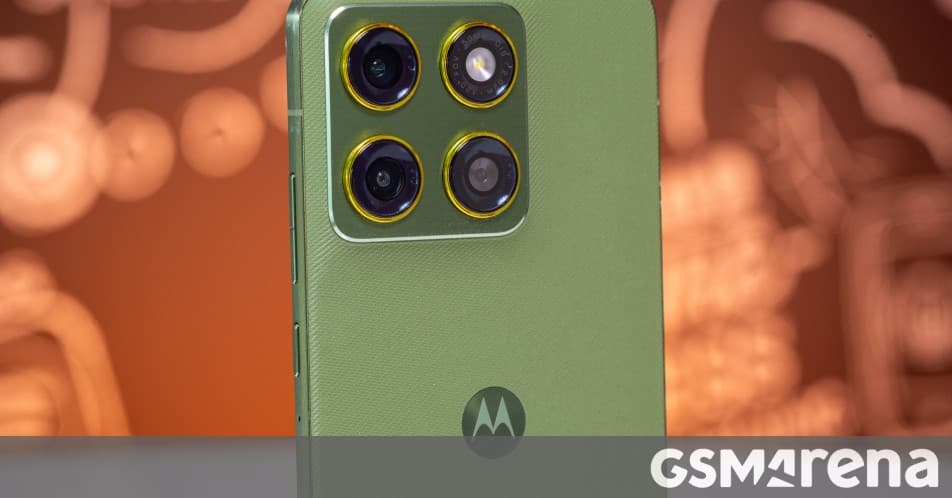
Motorola was the only major vendor to post growth, shipping 18% more phones than in Q1 2025. The secret? The budget-focused Moto G portfolio, which accounted for over 70% of Motorola's total shipments.
While Apple and Samsung fight over $800+ buyers, Motorola cleaned up in the sub-$300 segment. That category grew 8% overall, bucking the market's downward trend.
Google's Pixel Problem
Google recorded a 7% shipment decline. The Pixel 10 series sales stayed flat, and even an early Pixel 10a launch couldn't compensate. Google's strategy of releasing a mid-range variant sooner in the year was supposed to capture budget buyers. It didn't work.
The Pixel's struggles reflect a broader truth: in a market where consumers are holding onto phones longer, the mid-tier gets squeezed hardest. Buyers either stretch for the flagship or grab the cheapest option that works.
The Middle Collapses
Omdia's data shows a polarizing market. The premium segment ($800+) fell just 1%. The sub-$300 budget category grew 8%. But the middle got crushed.
- $300-599 segment: down 19%
- $600-799 segment: down 6%
- Sub-$300 segment: up 8%
- $800+ premium segment: down 1%
The pattern makes sense. If you're spending $500 on a phone, the $300 jump to flagship territory feels smaller than it used to. And if money is tight, a $200 Moto G does everything most people need. The phones in the middle have lost their reason to exist.
What Comes Next
Omdia expects the full-year 2026 market to contract 4%. Their prescription: stronger partnerships with carriers and plan-linked promotions that shield consumers from rising component costs.
Translation: expect more aggressive trade-in deals and installment plans that spread the pain. The days of consumers eagerly upgrading every year are over. Now the industry has to work harder to move units.
Google's Pixel struggles coincide with its broader push into AI-powered home features
Logicity's Take
Frequently Asked Questions
Why did US smartphone shipments decline in Q1 2026?
The decline stems from three factors: inventory hoarding in early 2025 ahead of anticipated tariffs, rising memory chip costs pressuring manufacturers, and delayed flagship launches like the Samsung Galaxy S26 compressing the sales window.
Which smartphone brand grew in Q1 2026?
Motorola was the only major vendor to grow, posting 18% higher shipments than Q1 2025. The growth came from its budget Moto G portfolio, which accounted for over 70% of Motorola's total shipments.
How did the iPhone 17 perform in Q1 2026?
The iPhone 17 series accounted for 70% of all Apple shipments in Q1 2026. While Apple remained the market leader, its overall shipments still fell 3% year-over-year.
What smartphone price segment is growing in 2026?
The sub-$300 budget segment grew 8% in Q1 2026, while the $300-599 mid-range collapsed 19%. Premium phones ($800+) fell just 1%, showing the market is polarizing toward extremes.
What is the US smartphone market forecast for 2026?
Omdia analysts predict a 4% full-year decline for the US smartphone market in 2026, driven by rising component costs and cautious consumer spending.
Need Help Implementing This?
Source: GSMArena.com / Ro
Manaal Khan
Tech & Innovation Writer
Produced with AI assistance and reviewed by the Logicity editorial team. Learn more in our Editorial Policy.