Key Takeaways
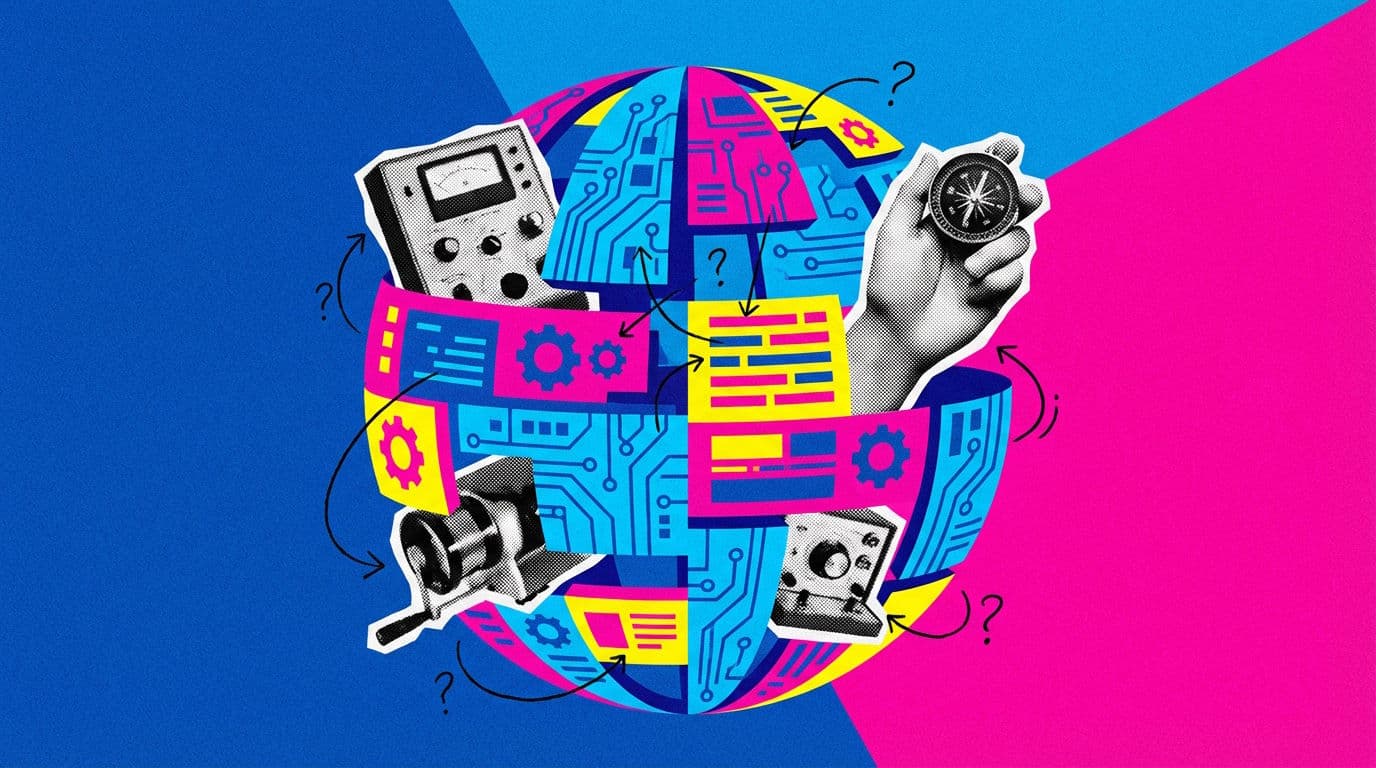
- World models predict physical environments using video, images, and sensor data, enabling robotics and autonomous systems
- Stanford's Russell Wald warned Congress about LLMs before ChatGPT and sees the same deaf ears for world models
- A Chinese robot recently broke the human half-marathon record while US lacks a national robotics strategy
The Pattern Repeats
Russell Wald saw this movie before. The director of the Stanford Institute for Human-Centered Artificial Intelligence warned Congress about large language models before ChatGPT launched in 2022. They ignored him. Now he's sounding the same alarm about world models, and he's getting the same blank stares.
Many lawmakers don't even know what a world model is, Wald told Politico. That's a problem because these systems represent the next phase of AI development, one that moves beyond text prediction and into the physical world.
What World Models Actually Do
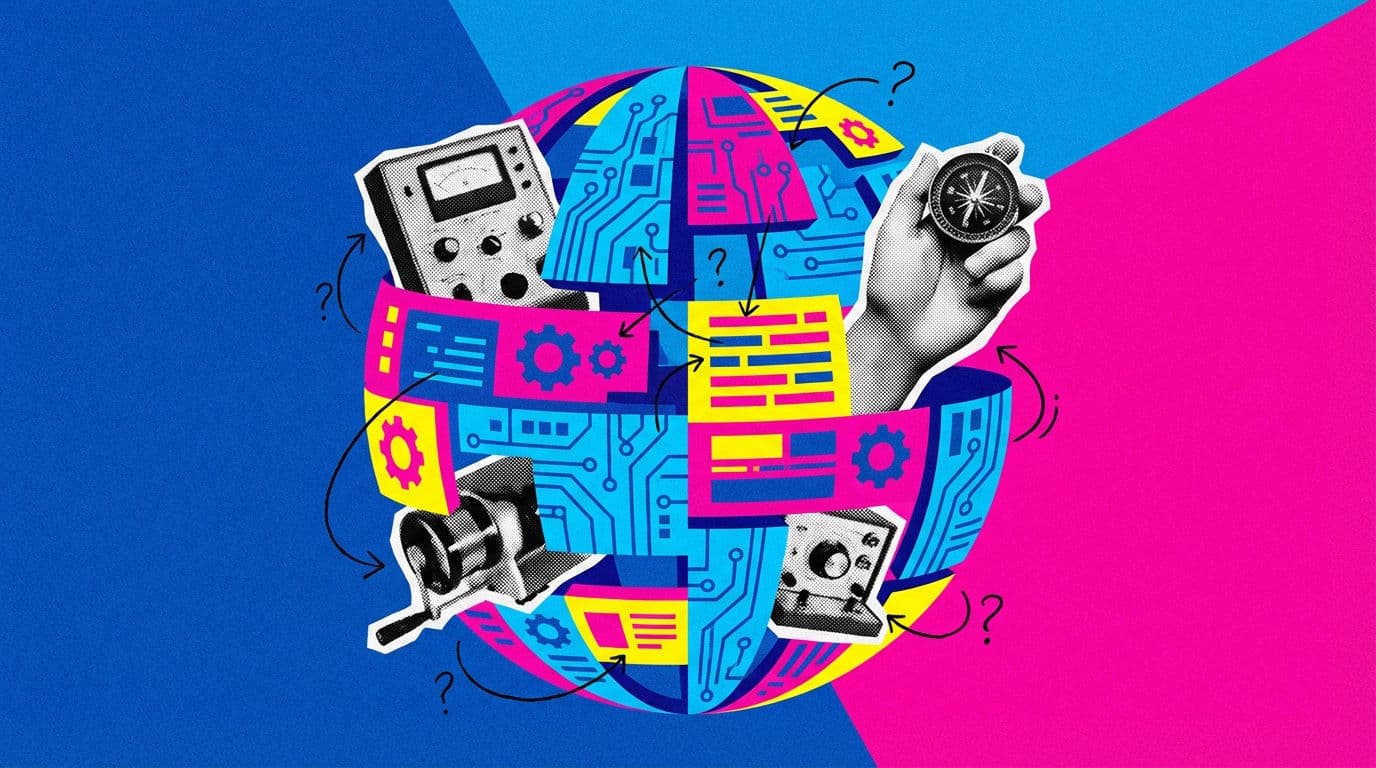
Large language models predict the next word in a sentence. World models predict what might happen in a physical environment. They analyze multimodal data from video, images, text, audio, and sensors to understand three-dimensional spaces.
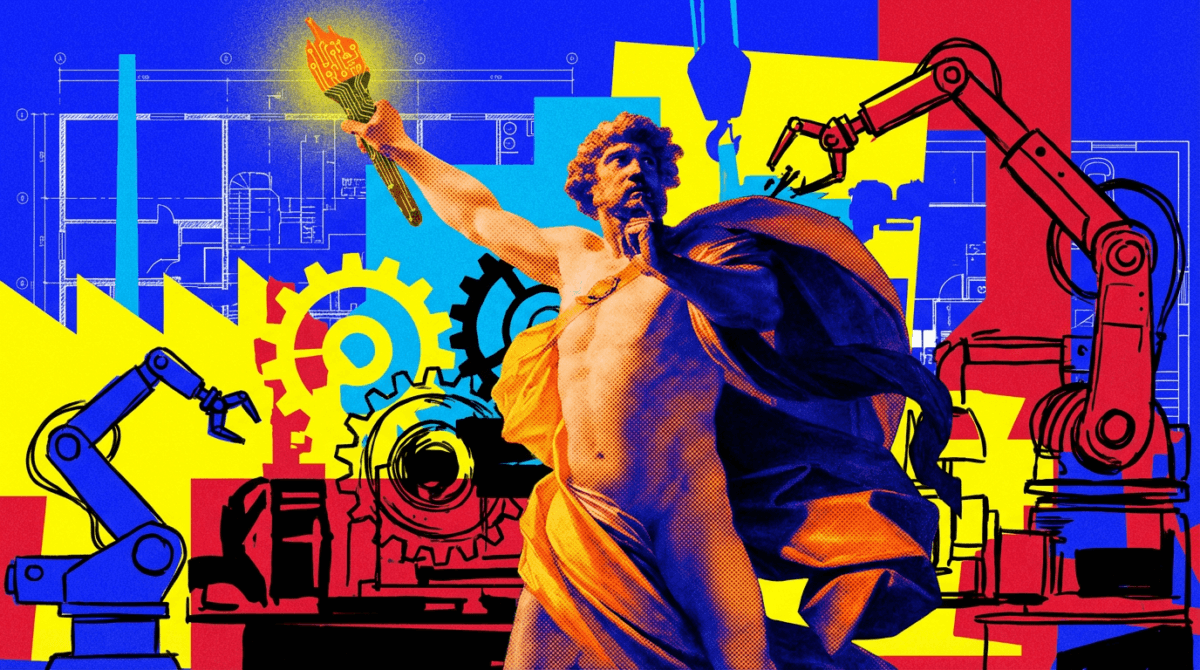
The applications span warehouse robotics, home automation, molecular simulation for drug development, and autonomous driving. The industry umbrella term is "Physical AI." Researchers like AI pioneer Yann LeCun consider world models a core building block for advanced AI systems.
Logicity's Take
The Hardware Bottleneck
World models don't just need more compute. They need physical hardware too. Blaine Fisher of Tulane University told Politico that keeping up with data demands for language models alone was already a struggle. World models add robots to the equation.
Wald draws a parallel to 5G infrastructure. If there's a breakthrough in world model research, the US will have given these systems a brain but won't have the supply chains for the bodies they need. The tech industry is pushing for a national robotics strategy that would also strengthen supply chains against China.
China's Lead in Robotics
While American policymakers learn vocabulary, China builds hardware. A bipedal robot from Chinese smartphone maker Honor recently broke the human half-marathon record. That's not a research demo. That's a functioning machine outperforming elite human athletes at endurance tasks.
The gap extends beyond individual achievements. China has manufacturing capacity, supply chain control, and government coordination that the US currently lacks for robotics production at scale.
The compute demands of world models make GPU selection critical for development teams
New Risks Beyond Chatbots
The governance challenges go beyond what we've seen with language models. World models can analyze the real world, which means significant boosts to surveillance capabilities and autonomous weapons systems. Privacy, labor markets, and national security all need new frameworks.
Fisher raised another concern: people retreating into virtual worlds. With lifelike physics and AI avatars, some users simply won't want to leave their homes anymore. That's a social problem that no existing regulatory body is equipped to handle.
“World models require a different kind of governance, especially around privacy, labor markets, and national security.”
— Russell Wald, Stanford Institute for Human-Centered Artificial Intelligence
The Window Is Closing
The ChatGPT mistake wasn't technical. It was temporal. Policymakers had years of warning about large language models and chose not to act until the technology was already reshaping society. The same window exists now for world models, but it won't stay open.
Physical AI touches everything from warehouse jobs to military systems. The regulatory frameworks built today will shape how these technologies deploy tomorrow. Right now, the people who would build those frameworks are still asking what a world model is.
Understanding how organizations adopt AI tools informs the policy discussion
Frequently Asked Questions
What is a world model in AI?
A world model predicts what might happen in a physical environment by analyzing multimodal data from video, images, text, audio, and sensors. Unlike language models that predict text, world models understand three-dimensional spaces.
What is Physical AI?
Physical AI is the umbrella term for AI systems that interact with the real world, including robotics for warehouses and homes, molecular simulation for drug development, and autonomous driving systems.
Why are researchers worried about US policy on world models?
Researchers say US lawmakers don't understand world models, repeating the same pattern seen before ChatGPT launched. Meanwhile, China is advancing in robotics hardware while the US lacks supply chains and a national strategy.
How do world models differ from large language models?
Large language models predict the next word in text. World models predict what happens in physical environments using video, images, and sensor data. They require both massive compute and physical hardware like robots.
What are the main risks of world models?
Risks include enhanced surveillance capabilities, autonomous weapons development, labor market disruption, and people retreating into virtual worlds with lifelike physics and AI avatars.
Need Help Implementing This?
Source: The Decoder / Maximilian Schreiner
Huma Shazia
Senior AI & Tech Writer
Produced with AI assistance and reviewed by the Logicity editorial team. Learn more in our Editorial Policy.