Key Takeaways
US Lifts Export Curbs on Anthropic's Fable and Mythos AI Models | WION
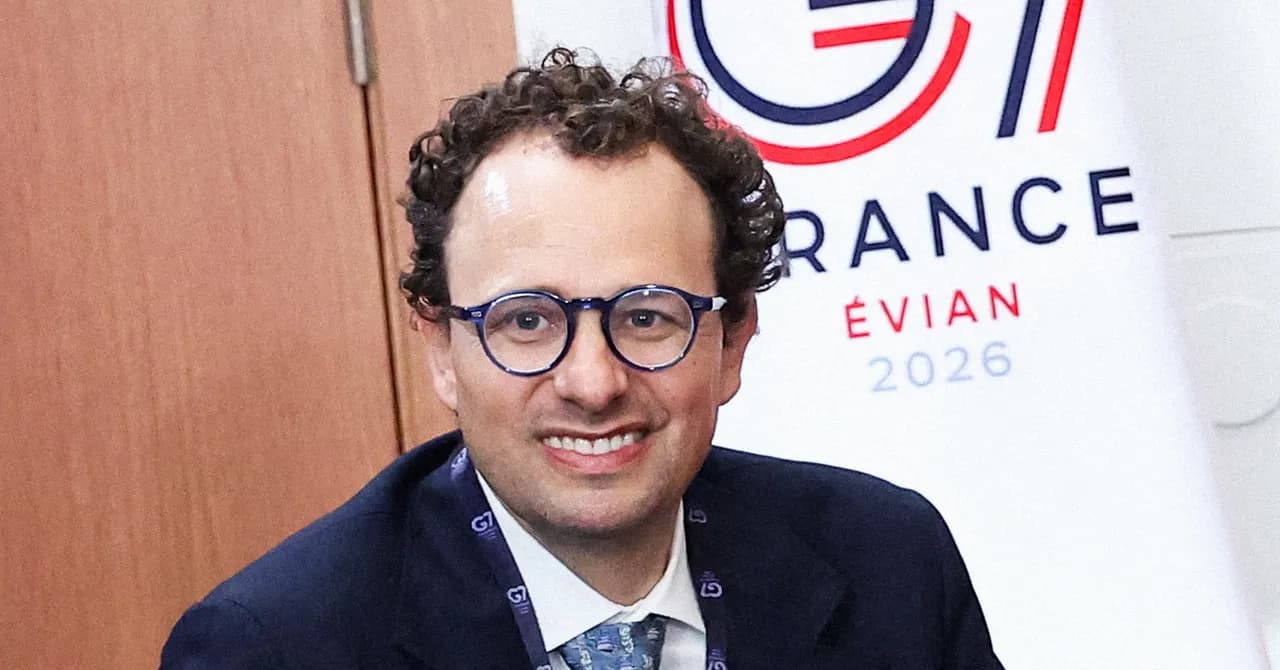
- Commerce Secretary Howard Lutnick confirmed export restrictions lifted on both Mythos 5 and Fable 5 models
- Anthropic agreed to proactively detect security risks and work with the US government on future model releases
- CEO Dario Amodei was sidelined in negotiations, replaced by cofounder Tom Brown
The Trump administration has removed export controls on Anthropic's two most advanced AI models, Mythos 5 and Fable 5, after weeks of negotiations between the company and the Commerce Department. Commerce Secretary Howard Lutnick confirmed the decision in a letter to Anthropic cofounder Tom Brown, stating that licenses are no longer required to export, reexport, or transfer either model.
Until now, Mythos 5 had been available only to select companies and government agencies. The broader release marks a significant shift in how the administration is handling advanced AI capabilities that had raised national security concerns, particularly around cybersecurity.
What did Anthropic agree to?
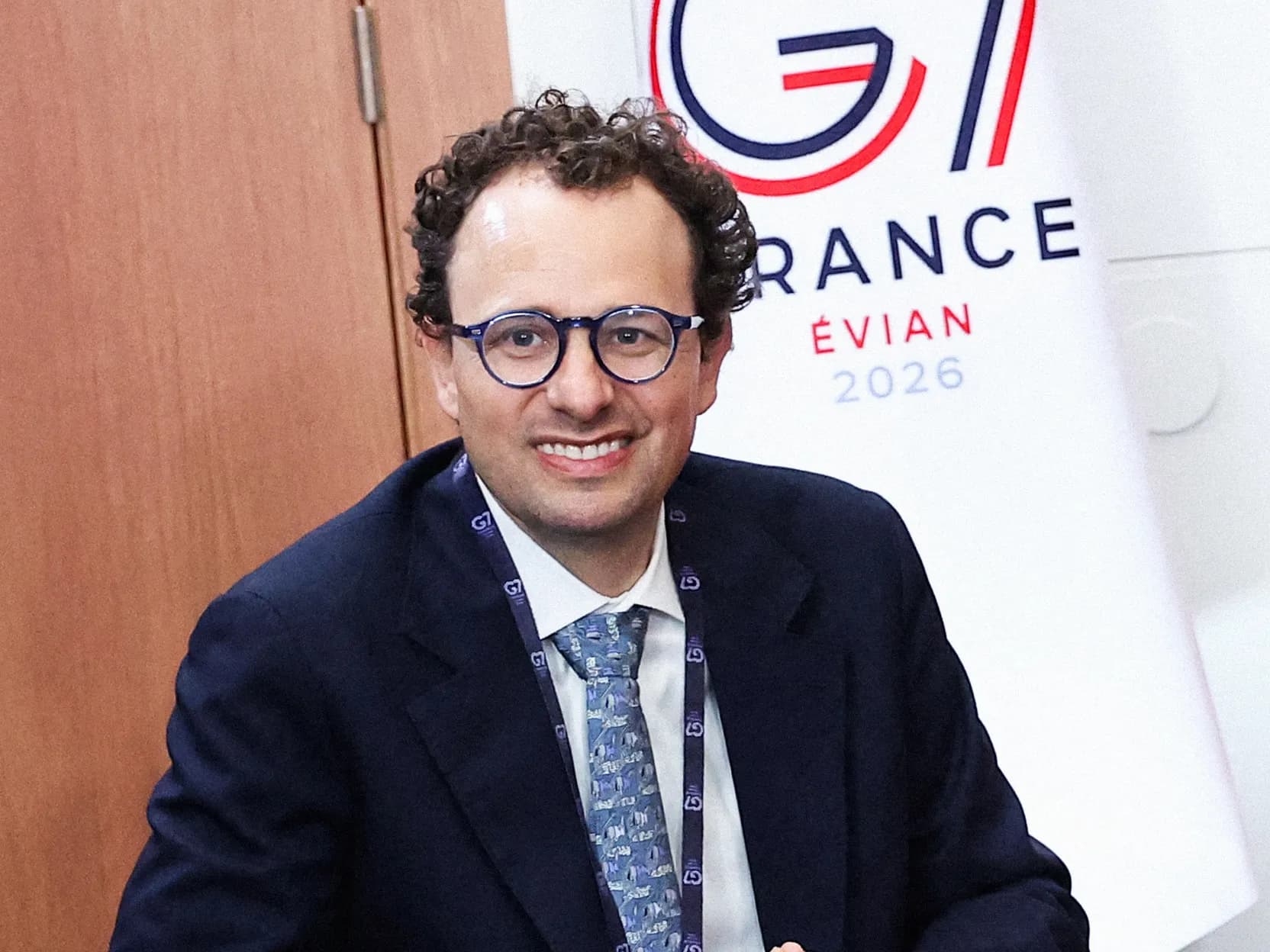
The deal required Anthropic to make several commitments. According to Lutnick's letter, the company agreed to proactively detect and address security risks associated with both models. Anthropic will also work with the US government on protocols and standards for Mythos, Fable, and any future releases.
The sticking point had been jailbreaks. Anthropic originally argued that the administration's security concerns were overblown. The company maintained it was impossible to guarantee zero jailbreaks on Mythos, meaning determined users could potentially bypass safety restrictions to access capabilities the government wanted locked down.
That argument went nowhere. In recent weeks, Anthropic changed tactics. Rather than debating whether jailbreaks can be fully prevented, the company assured the administration it would build stronger safeguards to reduce their frequency. Officials got what they wanted to hear.
Why was Dario Amodei sidelined?
WIRED previously reported that CEO Dario Amodei was replaced in negotiations by cofounder Tom Brown. The reason was personal. Administration officials simply liked Brown better. This shift in Anthropic's front man coincided with the company's change in communication style, moving from pushback to accommodation.
National cyber director Sean Cairncross worked alongside Lutnick to resolve the dispute. The Commerce Department had been under pressure to reach a resolution, and Anthropic's willingness to frame its commitments in terms the administration preferred cleared the path forward.
What this means for AI builders
For product teams building on Anthropic's API, the immediate impact is access. Mythos 5 can now be deployed in markets and contexts that were previously restricted. Companies that had been limited to Fable or earlier Claude models can now evaluate whether Mythos fits their use case.
The longer term signal is about how AI companies will need to engage with regulators. Anthropic's technical argument, that perfect jailbreak prevention is impossible, was correct. But correctness did not matter. What mattered was demonstrating good faith and giving officials something concrete to point to.
Other AI labs watching this negotiation will take notes. When government concerns arise, the path forward may not involve winning the technical debate. It may involve reframing the conversation entirely.
Logicity's Take
This deal reveals more about politics than technology. Anthropic's original position was defensible: you cannot promise zero jailbreaks on a frontier model. But governments do not want to hear what is impossible. They want to hear what you will do. For AI builders integrating Anthropic's models, the practical question is whether the company's new security commitments will affect API latency, rate limits, or model behavior. Expect Anthropic's compliance overhead to grow, and watch whether competitors like OpenAI or Google DeepMind face similar pressure on their most capable models.
Frequently Asked Questions
What are Anthropic's Mythos and Fable AI models?
Mythos 5 and Fable 5 are Anthropic's most advanced AI models. Mythos is the more powerful of the two and was previously restricted to select companies and government agencies due to security concerns.
Why were export controls placed on these models?
The Commerce Department restricted the models over concerns that users could bypass safety features to access capabilities related to cybersecurity. The government worried about potential misuse if the models were exported without safeguards.
What did Anthropic agree to in exchange for lifting controls?
Anthropic committed to proactively detecting security risks, building stronger safeguards against jailbreaks, and working with the US government on protocols for current and future model releases.
Can AI jailbreaks be fully prevented?
Anthropic originally argued that zero jailbreaks cannot be guaranteed on advanced AI models. The company later shifted its position to focus on reducing jailbreak frequency rather than debating whether complete prevention is possible.
Related analysis on how Anthropic's Claude is being used in practice
Need Help Implementing This?
If you are building AI products and need guidance on integrating Anthropic's models or navigating compliance requirements, reach out to the Logicity team. We help product teams move from prototype to production.
Source: Feed: Artificial Intelligence Latest / Hugo Lowell
Huma Shazia
Senior AI & Tech Writer
Produced with AI assistance and reviewed by the Logicity editorial team. Learn more in our Editorial Policy.