Key Takeaways
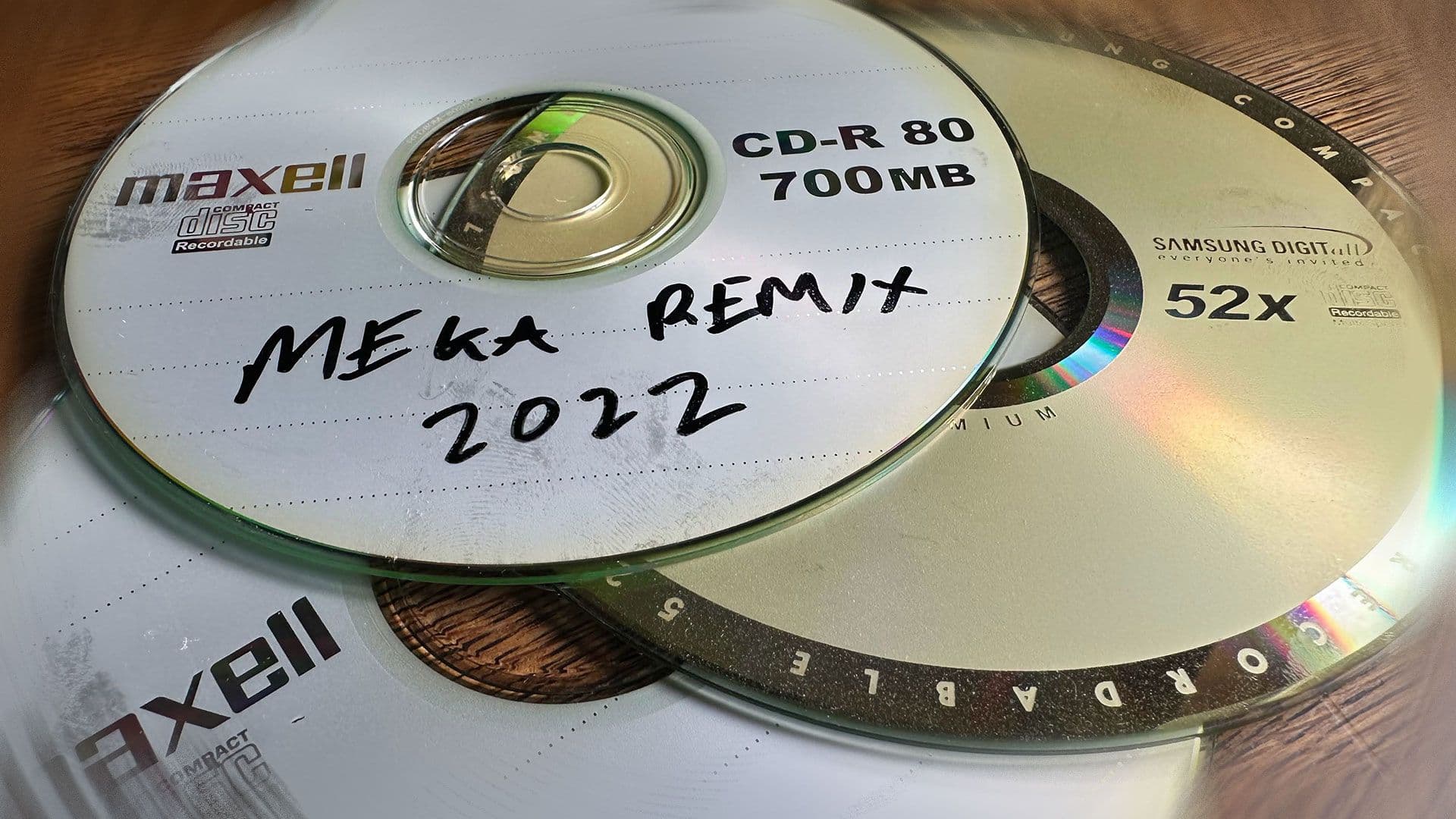
- Marc Kearns, known as DJ Marc Landish, received a 26-month suspended sentence for selling unauthorized remix CDs
- The four-year investigation began after a 2018 tip-off and revealed £221,000 in illegal revenue
- Physical media piracy remains prosecutable despite the shift to streaming
Marc Kearns, a 47-year-old DJ from East Yorkshire, has been sentenced to 26 months in prison, suspended for 18 months, after pleading guilty to copyright infringement charges at Hull Crown Court. His crime: burning and selling unauthorized remix CDs of popular artists, a business that generated an estimated £221,000 between 2017 and 2022.
The case stands out not for its scale, but for its medium. In 2026, when streaming dominates music consumption, Kearns was still running a physical disc operation. Trading standards officers first caught wind of his business in 2018 after the British Phonographic Industry flagged his activities. What followed was a four-year investigation that culminated in a warrant executed in September 2022.
How did a CD piracy operation last this long?
Kearns, who operated under the DJ name Marc Landish, ran his remix CD business from East Cowick, a village near Snaith. The operation was what East Riding of Yorkshire Council's Trading Standards department called "sophisticated." He produced compilations and remixes featuring well-known artists, then sold them through channels the investigation traced over several years.
The sources don't specify whether Kearns worked market stalls, car boot sales, or online groups. But the physical nature of his product made him trackable in ways that purely digital piracy often isn't. CD-Rs leave commercial footprints: blank disc purchases, printing supplies, postal records, payment trails.
What sentence did Kearns receive?
Along with the suspended prison term, Kearns must complete 250 hours of unpaid community service. Local authorities framed the sentence as a deterrent, though Kearns won't serve time behind bars unless he violates the terms of his suspension.
A council spokesperson emphasized that Kearns "commercially exploited protected material, generating income at the expense of legitimate artists and businesses within the music industry." Local officials also highlighted the broader risk of counterfeit goods trades generating "significant illicit profit."
Why prosecute CD piracy in the streaming era?
Online discussion has split on whether this prosecution made sense. Some see it as disproportionate, arguing that remix culture occupies a gray zone and that criminal charges seem heavy for selling discs in 2024. Others point out that £221,000 is real money that didn't reach artists or labels.
The music industry's enforcement arm, the BPI, clearly still monitors physical channels. Their 2018 tip-off launched this case. For rights holders, the medium doesn't matter. Unauthorized distribution is unauthorized distribution, whether it happens through a torrent site or a stack of CD-Rs at a car boot sale.
There's also a practical angle. Physical piracy is easier to prove in court than digital. Each disc is evidence. Transaction records, inventory, and customer lists create a paper trail prosecutors can present to a jury. Digital piracy cases often rely on IP address logs and metadata that defense attorneys can challenge.
The timeline of the investigation
The four-year gap between the warrant and sentencing isn't unusual for complex IP cases, but it does raise questions about resource allocation. Trading standards departments handle everything from food safety to consumer protection. Spending years on a single CD piracy case suggests either the scale warranted it or the bureaucratic process simply takes that long.
Will this deter other physical media pirates?
Probably not. Anyone still selling pirated CDs in 2026 is already operating on the margins of both technology and common sense. The market for physical compilations exists, but it's shrinking. Most potential pirates have long since moved to digital distribution, where anonymity tools and offshore hosting make prosecution harder.
What this case does demonstrate is that copyright enforcement has no statute of limitations on format. The BPI and similar organizations monitor old channels alongside new ones. If you're making money from someone else's music without authorization, the medium won't protect you.
Frequently Asked Questions
What was Marc Kearns sentenced for?
Kearns received a 26-month suspended sentence and 250 hours of community service for producing and selling unauthorized remix CDs featuring copyrighted music from well-known artists.
How much money did the pirated CD operation make?
Investigators estimated Kearns generated approximately £221,000 from his unauthorized CD sales between 2017 and 2022.
Is selling remix CDs illegal in the UK?
Yes. Producing and selling CDs containing copyrighted music without authorization from rights holders violates UK copyright law, regardless of whether the tracks are remixes or original recordings.
Why did the investigation take four years?
Trading standards began investigating in 2019 after a 2018 BPI tip-off. A warrant was executed in 2022, and the case concluded in 2026. Complex IP cases often require extensive evidence gathering and court scheduling.
Does the BPI still monitor physical piracy?
Yes. The British Phonographic Industry continues to track copyright infringement across all formats, including physical media like CDs, and reports violations to local trading standards authorities.
Logicity's Take
This case is a reminder that copyright enforcement hasn't forgotten about physical media. While most piracy discussions focus on torrents and stream-ripping, a parallel economy of counterfeit discs still exists, particularly at local markets and through niche online communities. The BPI's continued monitoring suggests rights holders view any commercial-scale infringement as worth pursuing, even when the format feels like a relic. For businesses, the lesson is simpler: licensing doesn't expire because a format becomes unfashionable.
Related look at how media storage habits have evolved
Need Help Implementing This?
If your business handles digital content licensing or needs guidance on intellectual property compliance, reach out to Logicity for resources and expert recommendations tailored to your industry.
Source: Latest from Tom's Hardware
Manaal Khan
Tech & Innovation Writer
Produced with AI assistance and reviewed by the Logicity editorial team. Learn more in our Editorial Policy.