Key Takeaways
- UK to ban TikTok, YouTube, Instagram, Snapchat, Facebook, and X for children under 16, following Australia's model
- Tech platforms face potential multi-million dollar daily fines for failing to implement age verification
- The US has opposed the move, citing free speech concerns and burdens on American tech companies
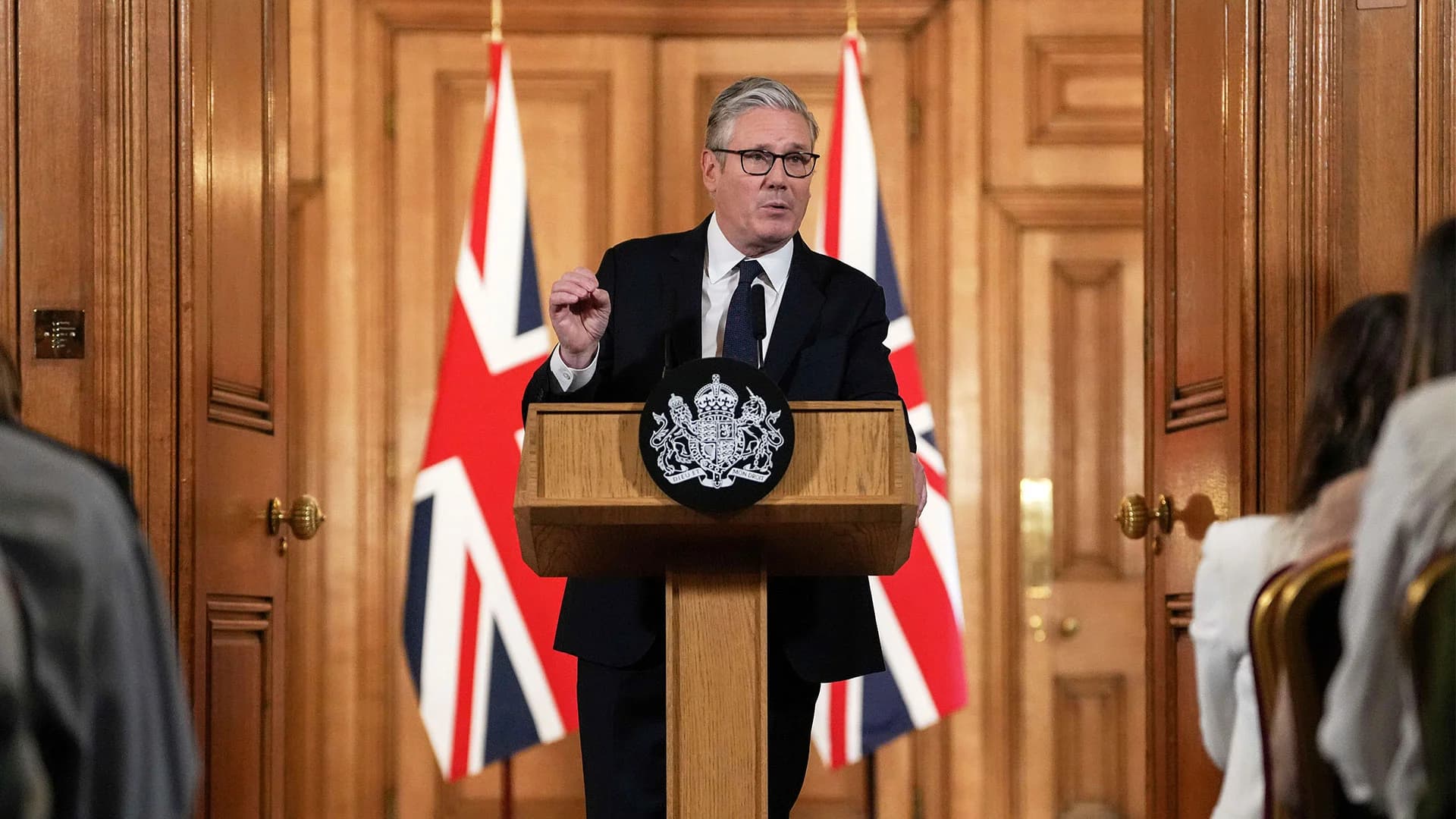
Britain will ban children under 16 from using TikTok, YouTube, Instagram, Snapchat, Facebook, and X starting early next year. Prime Minister Keir Starmer announced the move Monday, promising to fight tech companies that resist and warning of multi-million dollar fines for non-compliance.
"I'm not prepared to compromise on the safety and happiness of our children," Starmer said at a press conference. "Every parent can see it with their own eyes. Social media is making children unhappy."
The policy makes the UK part of a growing global push to restrict minors' access to social platforms. Australia passed similar legislation last year. Canada, Brazil, Indonesia, France, Spain, Denmark, Thailand, and South Korea are either implementing or studying comparable measures.
What does the UK ban actually cover?
The restrictions target the major social media platforms: TikTok, YouTube, Snapchat, Instagram, Facebook, and X. YouTube Kids and messaging services like WhatsApp and Signal are exempt. The distinction suggests the government views algorithmic recommendation feeds as the core problem, not digital communication itself.
Starmer's government is calling this an "Australia plus" model. Beyond the basic age-gating that Australia requires, the UK plans to prevent strangers from contacting children on gaming and livestreaming platforms. Officials are also considering overnight curfews on app usage and mandatory breaks in infinite scrolling for users under 18.
Enforcement will target the tech companies, not the children. Secretary of State for Education Bridget Phillipson put it bluntly: "We are effectively ending the era of the 'wild west' for under-16s online. The responsibility to enforce this doesn't sit with the parents anymore; it sits squarely with the corporations."
How will platforms verify age?
The UK hasn't released detailed technical requirements yet. More specifics are expected next month. But the enforcement mechanism is clear: platforms that fail to take "reasonable steps" to exclude under-16s face daily fines that could exceed $2.5 million.
This is where critics see problems. Age verification online typically requires either ID document uploads, credit card checks, or biometric analysis. Each method raises privacy concerns. The Open Rights Group has flagged worries about how age verification companies will handle and protect user data.
YouTube's response hinted at a different concern. A spokesperson warned that blanket restrictions "could push kids out of such curated, supervised, beneficial experiences and towards anonymous, less-safe services." The argument: ban kids from YouTube, and they'll find their way to platforms with no moderation at all.
The public wanted this. The US does not.
The government collected 116,000 public comments on the proposal. That's the second-highest response rate in UK history, trailing only the 2012 consultation on same-sex marriage. More than 90% of respondents supported an under-16 ban.
Esther Ghey, whose 16-year-old daughter Brianna was murdered in 2023 by teenagers who had accessed harmful content online, said the ban could "potentially save so many children's lives." NSPCC, a major children's charity, praised the government's ambition while urging "robust age checks" and effective enforcement.
The US sees it differently. The American Embassy in London warned that regulations should be narrow and not violate free speech protections. It also expressed concern that the rules would place "greater burdens on American technology companies." Starmer said he expects to discuss the issue with President Trump at the G7 summit in France this week.
"I honestly think that across world leaders, there has always been a recognition that leaders have to take steps to protect children," Starmer said. "I don't think that's controversial."
Can the ban actually work?
Technical experts are skeptical. Jon Crowcroft, a communications systems professor at Cambridge, said people supporting social media bans are "well-meaning but probably misguided." His concern: "There is a real risk this will drive some users to worse sites, and policing devices is close to impossible technically."
Crowcroft's alternative is to regulate the platforms directly rather than trying to gate access. "Policing platforms is far easier, if only regulators would bother," he said.
Starmer acknowledged that some teens will find workarounds. But he framed success differently: "a massive drop off of children on social media" and "a cultural change, a sense that actually you can grow up differently." The goal isn't perfect enforcement. It's shifting norms.
Online communities are split. On Reddit's r/unitedkingdom and Hacker News, parents expressed relief at government action against addictive design features like infinite scroll. Younger users and civil liberties advocates pushed back, raising concerns about privacy, VPN workarounds, and the risk of creating a "splinternet" where UK teens are excluded from global digital communities.
The political context matters
Starmer is under pressure. Elected less than two years ago, he faces calls from within his own party to step down over perceived leadership failures. A leadership challenge could come in days or weeks.
This ban is the kind of consequential policy that could serve as a legacy project, one that positions Starmer as the leader who took on Big Tech for children's safety. The 90% public support doesn't hurt either.
Whether the policy works, or becomes another example of regulation that fails to keep pace with determined teenagers, will take years to determine. The implementation details arriving next month will offer the first real test of whether this is serious legislation or political theater.
Harris, co-founder of the Center for Humane Technology, has been a leading voice on the harms of algorithmic social media design
Frequently Asked Questions
Which platforms are banned for under-16s in the UK?
The UK ban covers TikTok, YouTube, Instagram, Snapchat, Facebook, and X. YouTube Kids and messaging apps like WhatsApp and Signal are exempt.
When does the UK social media ban take effect?
The ban is expected to take effect in early 2026. The government will release detailed implementation rules next month.
What happens to tech companies that don't comply?
Platforms that fail to implement adequate age verification could face daily fines exceeding $2.5 million.
Will children be punished for using social media?
No. PM Starmer stated that enforcement will target tech companies, not children who circumvent the restrictions.
How does the UK ban compare to Australia's?
The UK is adopting an "Australia plus" model. Beyond age-gating, it adds restrictions on stranger contact in gaming, potential overnight curfews, and breaks in infinite scrolling for under-18s.
Logicity's Take
The UK ban will likely reduce casual social media use among younger teens, but it won't stop determined 14-year-olds with VPNs. The real shift here is liability transfer. By making platforms legally responsible for age verification, Starmer is forcing Meta, ByteDance, and Google to choose between expensive compliance infrastructure or losing the UK market entirely. That's a business problem these companies will actually solve. Whether the solution protects kids or just collects more of their data in verification processes remains the open question.
Need Help Implementing This?
If your organization operates platforms affected by these regulations or needs to understand compliance requirements for the UK market, contact Logicity's advisory team for a briefing on the technical and legal landscape.
Source: Fast Company / Associated Press
Manaal Khan
Tech & Innovation Writer
Produced with AI assistance and reviewed by the Logicity editorial team. Learn more in our Editorial Policy.