Key Takeaways
AWS/CTIB Cybersecurity Startup Accelerator Closing Ceremony
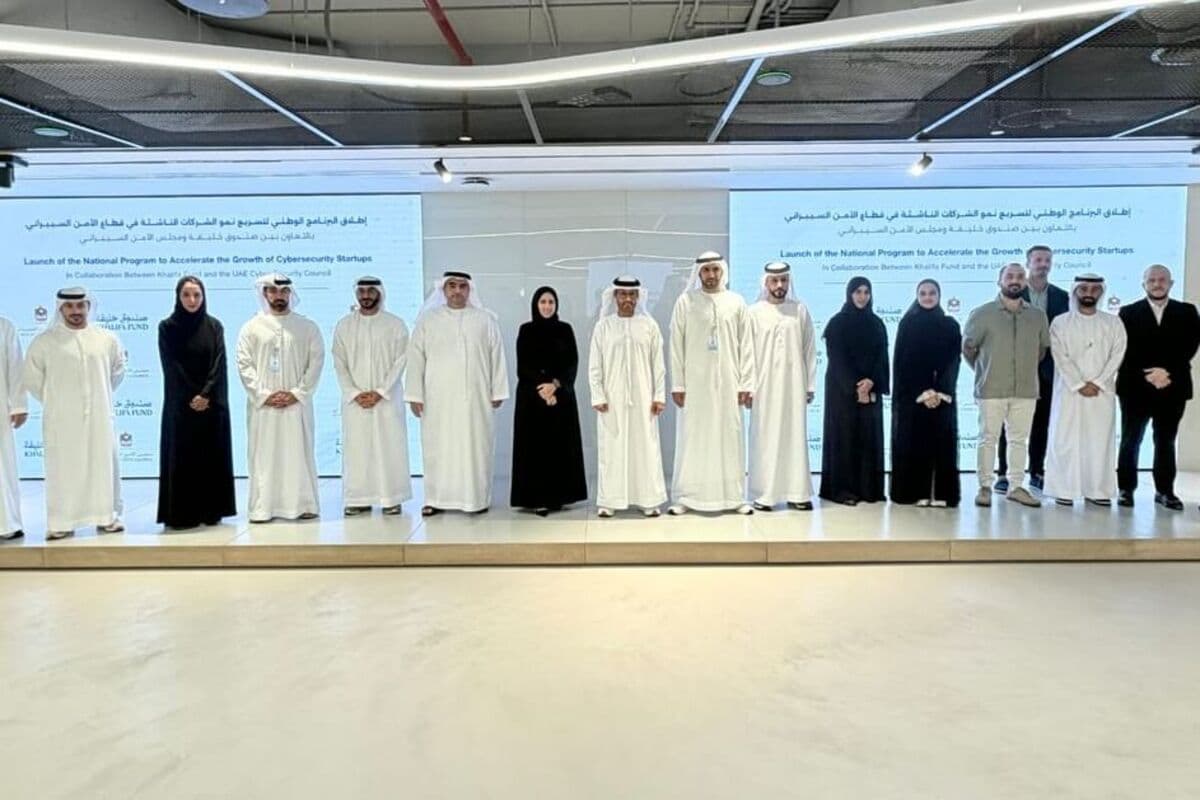
- Khalifa Fund and UAE Cyber Security Council launch national accelerator for cybersecurity startups
- Program includes mentorship, investor access, and partnership opportunities for Emirati founders
- UAE positions itself as regional hub for homegrown cybersecurity solutions with global ambitions
The UAE's Khalifa Fund for Enterprise Development and the UAE Cyber Security Council have launched a national accelerator program for cybersecurity startups. The initiative, announced at MZN Hub Al Ain, aims to help Emirati founders build security companies that can compete in global markets.
The program emerged from an existing memorandum of understanding between the two bodies. CyberE71, a cybersecurity-focused accelerator, is the operational partner. Mouza Obaid Al Nasri, CEO of Khalifa Fund, and Dr. Mohamed Al Kuwaiti, Head of Cyber Security for the UAE Government, both attended the launch.
What does the accelerator offer?
Startups accepted into the program get mentorship, introductions to investors, and access to industry experts. The goal is straightforward: take early-stage cybersecurity ideas and turn them into companies ready to serve both UAE institutions and international clients.
Dr. Al Kuwaiti framed cybersecurity as more than a technical discipline. "Cybersecurity is no longer merely a technical sector; it has become a strategic driver of the digital economy and one of the fundamental pillars of the security and sustainability of societies," he said. The UAE wants companies that originate domestically but expand globally, not just startups serving local contracts.
The program's structure reflects a common accelerator model: cohort-based support, connections to capital, and access to potential customers through government relationships. What makes it distinct is the direct involvement of the national Cyber Security Council, which can open doors to procurement opportunities that private accelerators cannot.
Why the UAE is betting on homegrown security
The Gulf states face a dilemma familiar to any technology buyer: dependence on foreign vendors for critical infrastructure. Cybersecurity is especially sensitive. Governments and large enterprises want assurance that their security tools do not create backdoors for foreign intelligence services. Building a domestic cybersecurity industry addresses that concern while creating high-skill jobs.
The UAE's broader economic strategy prioritizes technology sectors as oil revenues decline in importance. Khalifa Fund has historically supported SMEs and entrepreneurs across industries, but cybersecurity represents a newer focus. The Middle East cybersecurity market is projected to reach $11.5 billion by 2027, and the UAE wants a slice of that as a producer, not just a buyer.
Al Nasri emphasized economic diversification. "This program contributes to diversifying the national economy by strengthening emerging businesses' capabilities and enabling them to grow," she said. The fund expects to produce "a new generation of national cybersecurity companies" capable of developing solutions for both local and international markets.
Where this fits in the regional startup landscape
The UAE already hosts several accelerators and venture funds, but cybersecurity-specific programs remain rare in the Gulf. Most regional startups gravitate toward fintech, e-commerce, and logistics, where customer acquisition is more straightforward. Cybersecurity startups face longer sales cycles, complex compliance requirements, and technical hiring challenges.
Government-backed programs can partially offset these hurdles. Access to public sector contracts provides revenue stability during the early years when enterprise sales are slow. The Cyber Security Council's involvement signals that successful graduates may find a receptive buyer in UAE government agencies.
The partnership with CyberE71 brings operational expertise. Running an accelerator well requires curriculum design, mentor networks, and demo day logistics that government agencies rarely handle themselves. Outsourcing execution while retaining strategic control is a pattern the Gulf states have used in other sectors.
Challenges ahead for Emirati cybersecurity founders
Accelerator programs can only do so much. Cybersecurity startups need deep technical talent, and the UAE's domestic engineering pipeline remains small compared to Israel, the US, or India. Many regional cybersecurity companies hire heavily from South Asia and Eastern Europe, which complicates the "Emirati entrepreneurship" framing.
Competing globally also means competing against well-funded incumbents. Palo Alto Networks, CrowdStrike, and Fortinet dominate enterprise security. Startups typically succeed by finding niches: specialized compliance tools, regional threat intelligence, or industry-specific solutions. The accelerator's value will depend on whether it can help founders identify and capture those niches.
Logicity's Take
For AI builders working on security applications, this program signals growing demand for localized threat detection and compliance automation in the Gulf. The UAE's push to reduce dependency on foreign vendors creates openings for startups that can combine AI capabilities with regional expertise. Teams building security tools might consider UAE partnerships or accelerator participation as a distribution strategy, particularly if their products address Arabic-language threats or GCC-specific regulatory requirements. The government backing reduces early-stage risk, but founders should expect longer sales cycles than typical B2B SaaS.
Frequently Asked Questions
Who can apply to the UAE cybersecurity accelerator?
The program targets cybersecurity startups in the UAE. While specific eligibility criteria were not detailed in the announcement, Khalifa Fund programs typically prioritize Emirati founders or UAE-based companies.
What support does the Khalifa Fund accelerator provide?
Participants receive mentorship, access to investors and industry experts, and partnership-building opportunities. The program is designed to help startups scale and compete both locally and internationally.
How large is the UAE cybersecurity market?
The UAE is one of the largest cybersecurity markets in the Middle East. The broader regional market is projected to reach $11.5 billion by 2027, with the UAE and Saudi Arabia representing the majority of spending.
Who is CyberE71?
CyberE71 is a cybersecurity-focused accelerator that partnered with Khalifa Fund and the UAE Cyber Security Council to operate this program. They bring operational expertise in running startup accelerators.
Why is the UAE government involved in startup acceleration?
The UAE is diversifying its economy away from oil dependence. Building a domestic cybersecurity industry creates high-skill jobs, reduces reliance on foreign vendors for sensitive infrastructure, and positions the country as a regional technology hub.
Another example of reducing dependency on foreign technology providers
Need Help Implementing This?
Building a cybersecurity startup or exploring Gulf market entry? Logicity covers emerging tech ecosystems and can connect you with relevant resources. Subscribe to our newsletter for weekly updates on AI, security, and startup funding across global markets.
Source: Economy Middle East
Manaal Khan
Tech & Innovation Writer
Produced with AI assistance and reviewed by the Logicity editorial team. Learn more in our Editorial Policy.