Key Takeaways
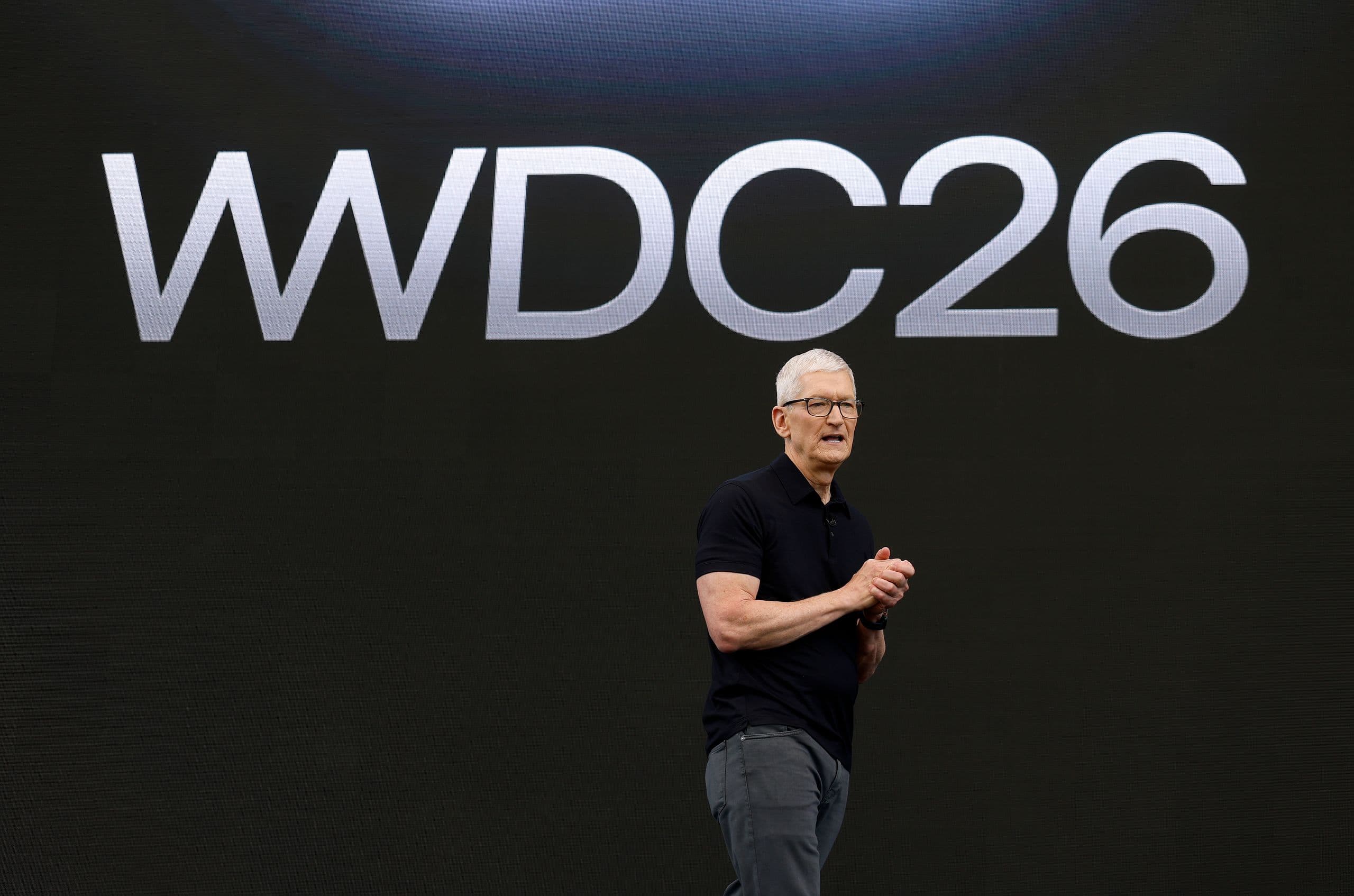
- Tim Cook confirmed Apple will raise product prices due to surging memory costs from AI demand
- TechInsights estimates iPhone Pro could increase by $270 to maintain current margins
- Memory suppliers are prioritizing AI data center contracts over consumer electronics
Apple will raise prices on its products because memory costs have climbed to a point the company can no longer absorb. CEO Tim Cook disclosed this in a Wall Street Journal interview, calling the situation "unsustainable" after decades of shielding customers from component volatility.
Cook did not specify which products would see increases or when. But the warning itself is unusual. Apple rarely telegraphs pricing moves, preferring to let product launches speak for themselves. That Cook chose to prepare customers publicly suggests the adjustments will be significant enough to require explanation.
Why memory prices are spiking now
The culprit is AI. Specifically, the explosive buildout of AI data centers worldwide has created unprecedented demand for high-bandwidth memory and specialized RAM. Memory suppliers, faced with lucrative enterprise contracts, have deprioritized consumer electronics. Samsung, SK Hynix, and Micron can sell to hyperscalers at premium prices with guaranteed volume. Smartphone and PC makers get what's left.
LPDDR and 3D NAND, the memory types Apple uses across iPhones, iPads, and Macs, have roughly quadrupled in cost over the past year according to industry estimates. Apple has historically absorbed component price swings through prepayments, long-term supply agreements, and sheer purchasing power. That buffer has apparently run out.
How much could iPhone prices rise?
TechInsights, a semiconductor research firm, estimates Apple would need to raise the price of a flagship iPhone Pro by roughly $270 to maintain its current gross margins. That would push an iPhone Pro from today's $999 starting price toward the $1,270 range, a threshold that changes the competitive calculus entirely.
Apple already moved in this direction last month. The company raised the base price of the Mac Mini and eliminated its highest-end configuration. Whether this was a memory-driven decision or a strategic repositioning is unclear, but the timing aligns with Cook's comments.
Apple's AI ambitions compound the problem
Here's the irony: Apple is expanding on-device AI features that require more RAM per device. Apple Intelligence, the company's suite of local AI capabilities, demands substantial memory headroom. The very trend driving up memory costs is one Apple is actively chasing.
This creates a compounding effect. Apple needs more memory per unit at the exact moment memory becomes more expensive per gigabyte. The entry-level iPhone 15 ships with 6GB of RAM; the iPhone 16 base model jumped to 8GB specifically to support Apple Intelligence. Future models may require even more.
Is Apple really at a disadvantage here?
Some skepticism is warranted. Apple is one of the world's largest semiconductor buyers. It purchases more NAND and DRAM than most countries consume. The company has historically negotiated from a position of strength, using prepayments and equipment financing to lock in favorable terms.
Nelson Duann, senior vice president at Silicon Motion, told Tom's Hardware that memory makers prefer smartphone customers because they can bundle LPDDR and NAND sales together. By that logic, Apple should be among the most favored customers in the industry, not among the disadvantaged ones.
The more likely reality: Apple can get the memory it needs. It simply cannot get it at the prices it wants. The company's margins, famously among the highest in consumer electronics, face compression. Cook's interview reads less like a supply crisis and more like margin protection.
What customers should expect
Cook declined to specify timing, but several signals suggest price increases could arrive sooner than later. The Mac Mini adjustment already happened. The iPhone 17 lineup, expected this fall, represents the next major product cycle where pricing decisions must be finalized.
Community reaction on Reddit and Hacker News has been mixed. Some users see this as inevitable given the AI boom's downstream effects. Others suspect Apple is using the memory shortage as cover for margin expansion it would have pursued anyway. A third camp speculates Apple might shift its product strategy, offering higher base storage configurations to justify elevated price points.
Cook, notably, framed this as something happening to Apple rather than something Apple is choosing. After 40 years in supply chain management, he claimed he has never seen a spike of this magnitude. Whether that's accurate or strategic framing, the outcome is the same: customers will pay more.
See what's next for Apple's hardware lineup
Logicity's Take
Cook's public warning serves two purposes: it prepares customers for sticker shock, and it shifts blame to external market forces. But Apple has always controlled its margins with precision. The company could absorb higher memory costs and accept lower margins; it's choosing not to. That's a business decision, not a supply chain crisis. Competitors using the same memory components will face identical pressures, which may be exactly why Apple felt comfortable announcing this now.
Frequently Asked Questions
When will Apple raise prices on its products?
Tim Cook did not specify timing. The Mac Mini already saw a price increase last month. The iPhone 17 lineup this fall is the next major opportunity for pricing adjustments.
Why is memory so expensive right now?
AI data center buildout has created massive demand for high-bandwidth memory. Suppliers are prioritizing enterprise contracts over consumer electronics, causing LPDDR and 3D NAND prices to spike roughly 4x over the past year.
How much more could the iPhone cost?
TechInsights estimates Apple would need to raise iPhone Pro prices by approximately $270 to maintain current gross margins, potentially pushing flagship models above $1,200.
Will other phone makers also raise prices?
Yes. Samsung, Google, and other smartphone manufacturers face the same memory cost pressures. Industry-wide price increases are likely across premium devices.
Could Apple absorb the costs instead of raising prices?
Technically yes. Apple's margins are among the highest in consumer electronics. The company is choosing to pass costs to customers rather than accept lower profitability.
Need Help Implementing This?
If your business is evaluating hardware procurement strategies in light of rising component costs, Logicity's enterprise consulting team can help you model total cost of ownership across device refresh cycles. Contact us for a custom assessment.
Source: Latest from Tom's Hardware
Manaal Khan
Tech & Innovation Writer
Produced with AI assistance and reviewed by the Logicity editorial team. Learn more in our Editorial Policy.