Key Takeaways
- McMinnville enacted an 18-month data center moratorium to study grid capacity, water impact, and noise.
- Nashville's Metropolitan Council passed a moratorium on first reading with only one dissenting vote out of 40.
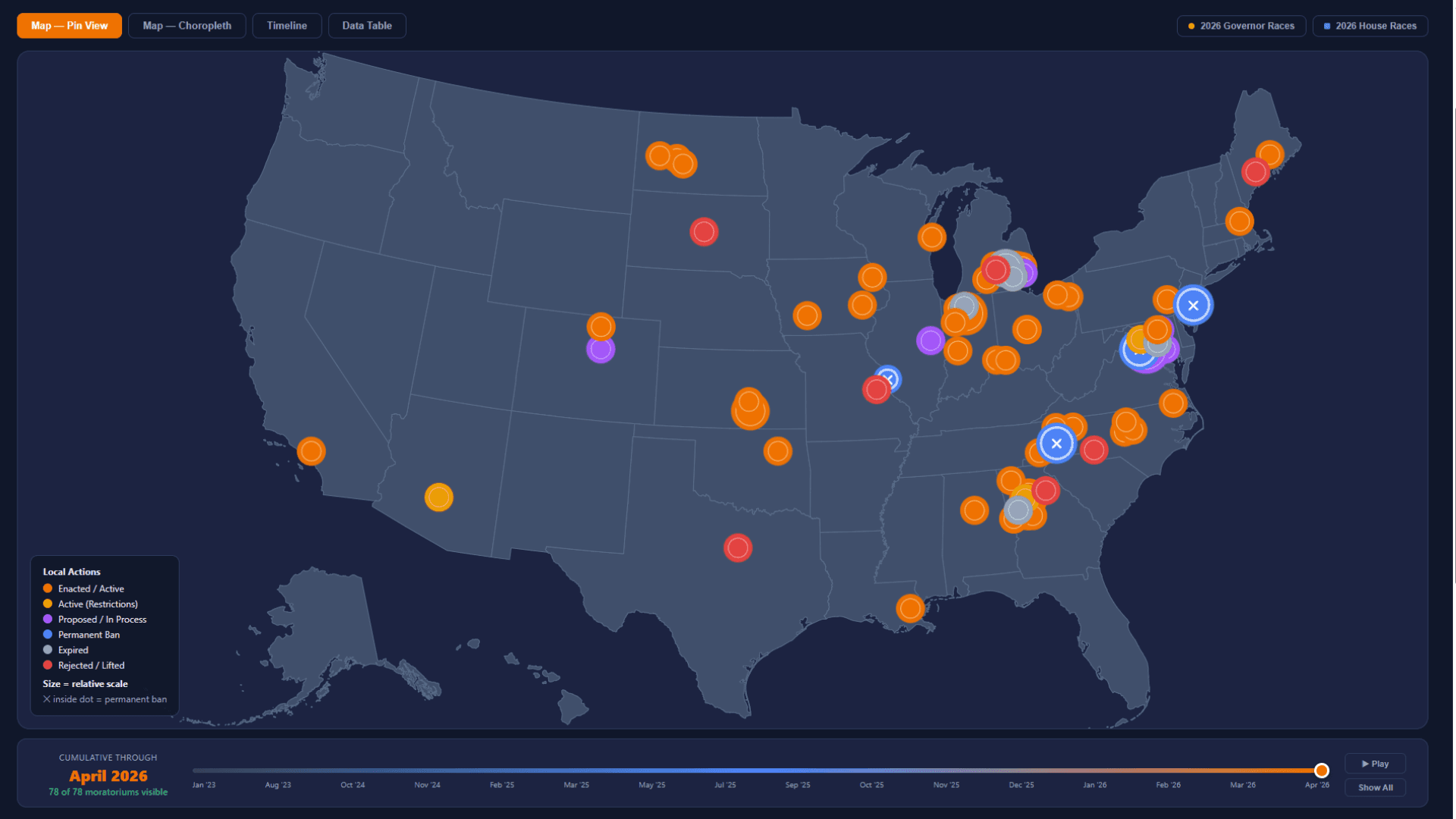
- 69 U.S. jurisdictions have enacted data center bans or pauses as of May 2026.
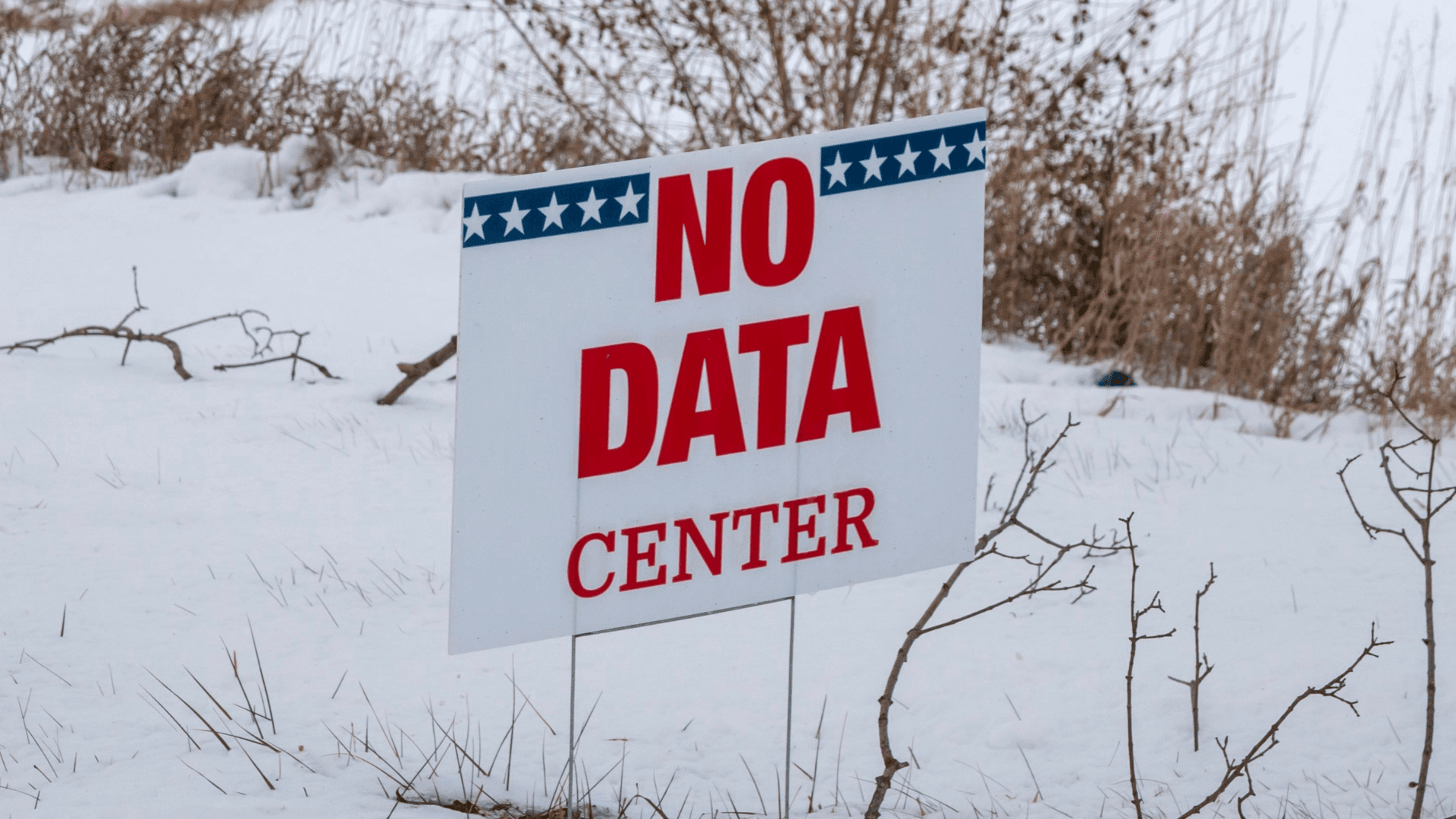
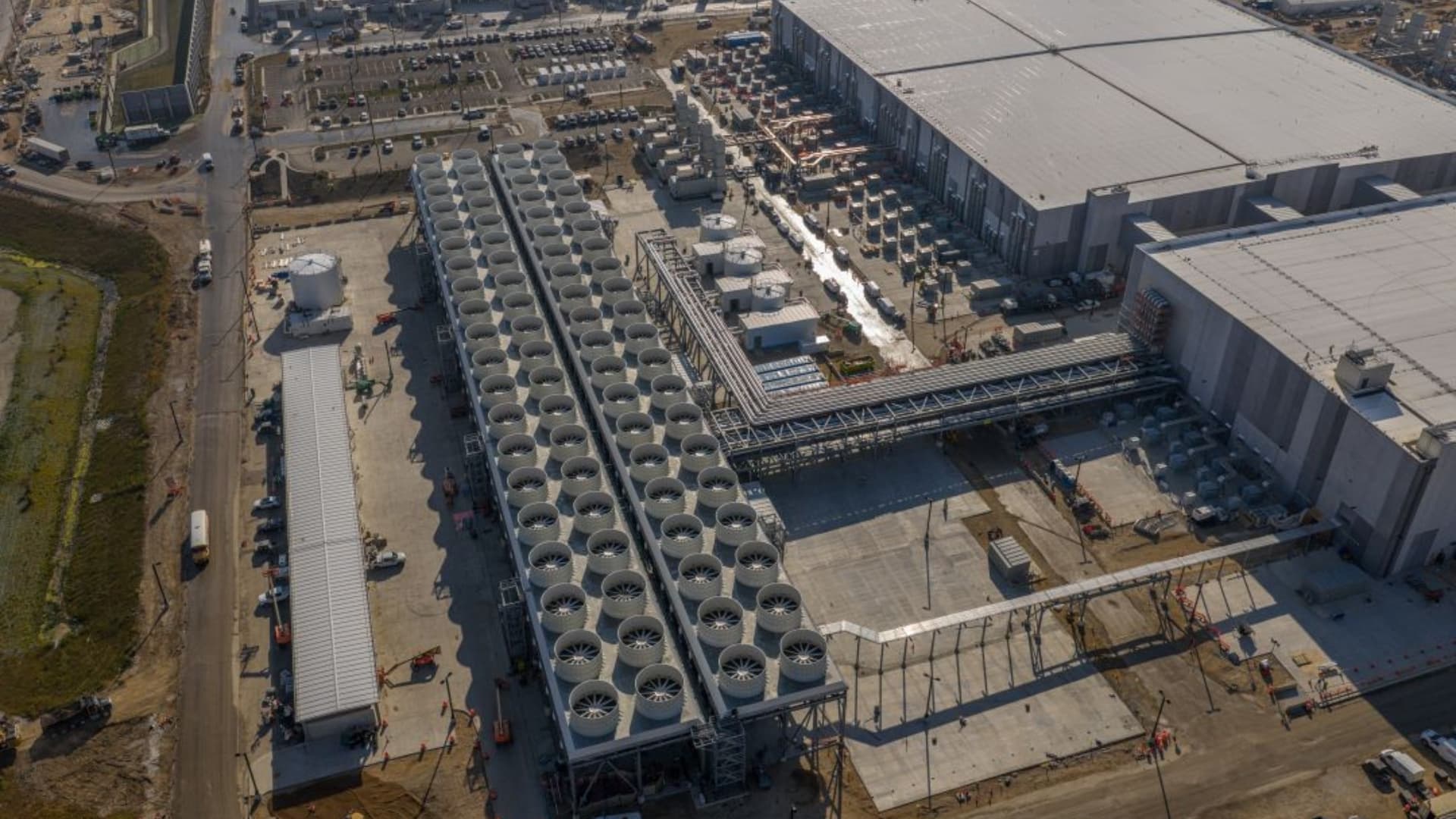
Tennessee's rural counties are slamming the brakes on data center development. McMinnville passed an 18-month moratorium this week, Nashville's Metropolitan Council approved a similar pause with only one dissenter among 40 members, and at least three other counties are voting on bans this month. The message from local governments is clear: AI infrastructure is welcome, but not until they understand what it costs.
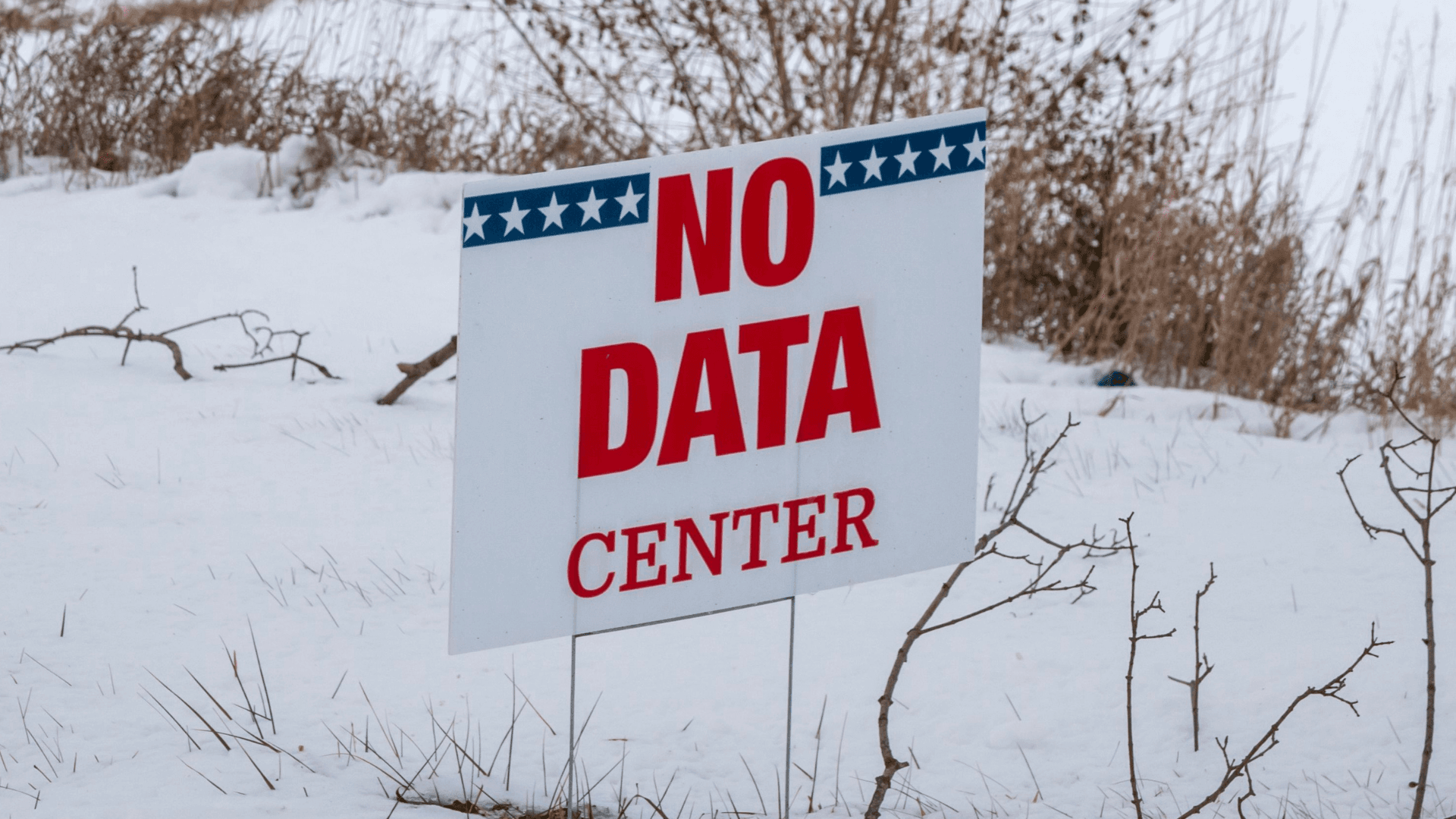
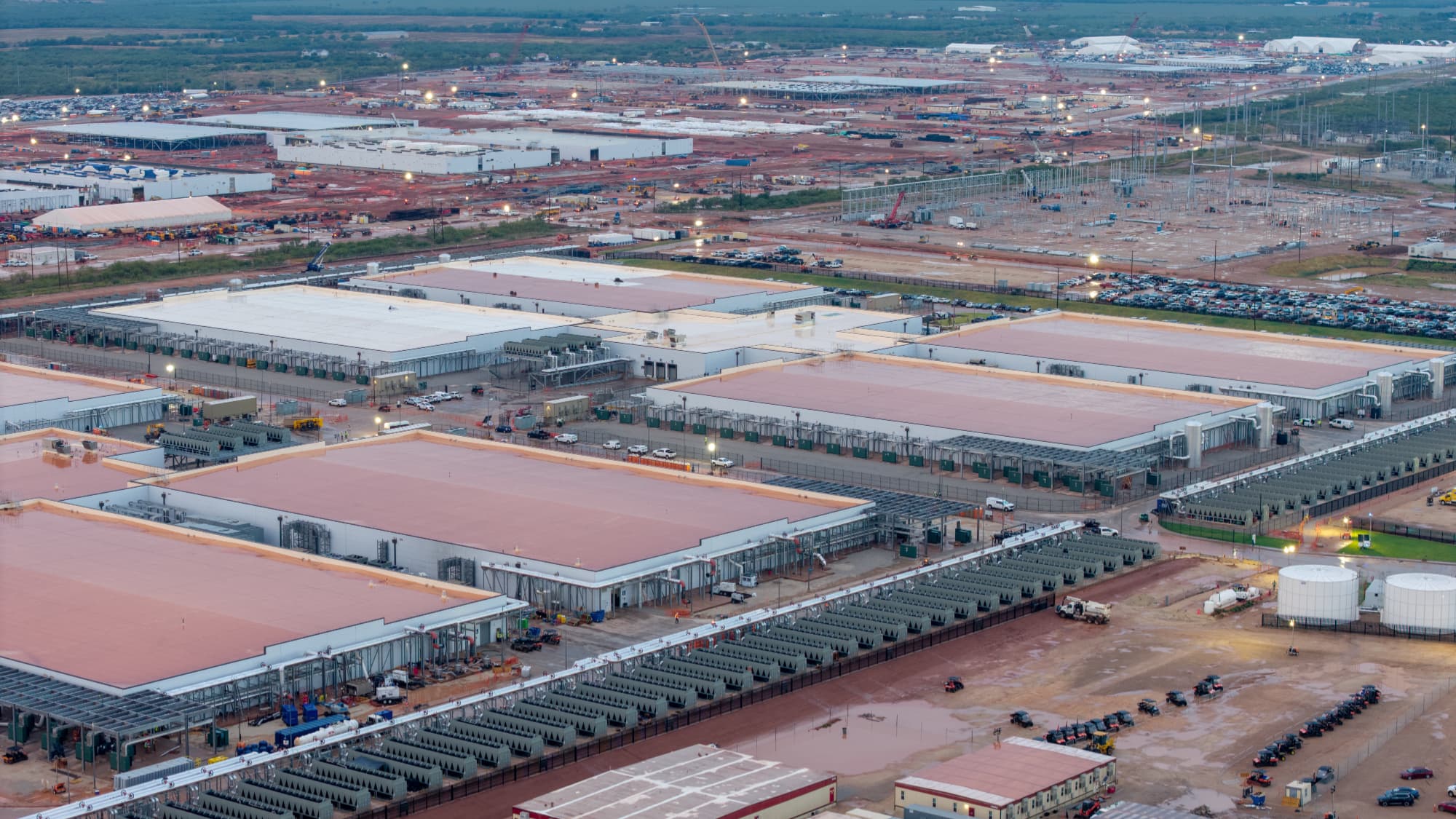
The pushback centers on concrete concerns. Data centers consume massive amounts of electricity. They require cooling systems that draw heavily on local water supplies. They generate noise. And they arrive in communities whose zoning codes were written long before anyone imagined a 500,000 square foot computing facility next to farmland.
Why are Tennessee counties banning data centers?
McMinnville's moratorium gives the city time to study "electrical grid capacity, water and stormwater impacts, environmental and public health concerns, noise, and community fit" before developers can even apply for permits. The trigger was a proposed 25 megawatt Hixson Data Center project in Warren County, which would strain local infrastructure well beyond current capacity.
"A moratorium is not a permanent ban. It is a responsible time-out," McMinnville City Administrator Nolan Ming posted on social media. "It gives us time to study the issues carefully, update our zoning and land use regulations, and make sure any future decisions are based on solid information, not rushed approvals."
Warren County, which contains McMinnville, will vote on a county-wide temporary ban on June 22nd. Coffee County, adjacent to Warren, passed its own moratorium simultaneously. Knox County votes the same day as Warren. The coordination suggests these communities are watching each other and acting in concert.
Why rural Tennessee attracts data center developers
Data center developers target rural areas for predictable reasons: cheap land, minimal regulatory friction, no state income tax, and communities unfamiliar with the demands of hyperscale facilities. Tennessee currently hosts 63 data centers, including Elon Musk's Colossus and Colossus 2 facilities in Memphis.
“I think that they're aiming these at these smaller places in Tennessee because our land is so cheap, our laws are so lenient, the income isn't taxed like it is anywhere else, and generally they're just not going to get a lot of pushback, because a lot of people don't know what's going on.”
— Kai Sage, McMinnville resident
Sage added that local awareness made the difference: "Luckily, a lot of people around here were informed, so as soon as we alerted people about this, people quickly reacted." Community groups have organized on Facebook and Change.org to push for stricter oversight, citing concerns about protecting rural character, wildlife, and local water resources.
Nashville joins the pause despite its tech ambitions
Nashville's near-unanimous first-reading vote signals that urban areas share rural concerns. Council members are considering bans on "hyperscale" facilities exceeding 500,000 square feet in certain zones. The state capital's participation adds political weight to what might otherwise be dismissed as small-town resistance to progress.
No U.S. state has enacted a permanent data center ban. Maine's legislature passed a moratorium in April that would have paused all developments until October 2027, but Governor Janet Mills vetoed it because one well-supported project in Franklin County would have been blocked. The veto illustrates the tension: state governments want AI investment, but local communities bear the infrastructure burden.
What happens when local bans meet national AI demand?
Even Seattle, home to Microsoft and Amazon, passed a one-year pause to study community impact. The growing list of moratoriums creates a problem for AI hyperscalers racing to build compute capacity. Demand for AI infrastructure keeps climbing as models grow larger and adoption spreads. But 69 jurisdictions have now said "wait."
These delays are temporary by design. Local governments want time to update zoning codes, assess grid capacity, and negotiate community benefit agreements. The question is whether the pause produces better outcomes or simply pushes development to communities with less organized resistance.
The tension between AI infrastructure expansion and regulatory constraints is playing out at federal and local levels simultaneously.

Logicity's Take
Tennessee's moratoriums reveal a structural flaw in how AI infrastructure gets built. Tech companies optimize for cheap land and permissive regulations, but the communities paying the infrastructure costs have no seat at the table until construction starts. The smarter play for developers would be proactive engagement: fund grid upgrades, guarantee water offsets, and negotiate noise mitigation before local opposition crystallizes. The current approach of targeting places where "people don't know what's going on" is creating exactly the political backlash that slows everyone down.
Frequently Asked Questions
How long do Tennessee data center moratoriums last?
McMinnville's moratorium runs 18 months. Other counties are considering similar timeframes to allow for infrastructure studies and zoning updates.
Are data center bans permanent in Tennessee?
No. All current measures are temporary moratoriums designed to give local governments time to assess impacts and update regulations before approving new projects.
Why are rural areas targeted for data center development?
Data center developers favor rural areas for cheap land, minimal regulatory friction, no state income tax, and historically less organized community resistance.
How many U.S. jurisdictions have passed data center moratoriums?
As of May 2026, 69 U.S. jurisdictions have enacted data center bans or temporary pauses, including Nashville and Seattle.
What infrastructure concerns do data centers raise?
Local governments cite electrical grid strain, water usage for cooling systems, stormwater impacts, noise pollution, and incompatibility with residential zoning.
Need Help Implementing This?
If your organization is navigating data center siting, infrastructure planning, or community engagement for large-scale tech projects, reach out to our team at Logicity.in for expert analysis and strategic guidance.
Source: Latest from Tom's Hardware
Manaal Khan
Tech & Innovation Writer
Produced with AI assistance and reviewed by the Logicity editorial team. Learn more in our Editorial Policy.