Key Takeaways
- Tamil Nadu pollution board found Tata's Hosur plant discharged wastewater into a pond that overflowed into adjacent farmland wells
- Regulators conducted five inspections between December 2025 and May 2026 after farmer complaints
- A shutdown would disrupt Apple's India manufacturing expansion, its key alternative to China
What the Pollution Board Found
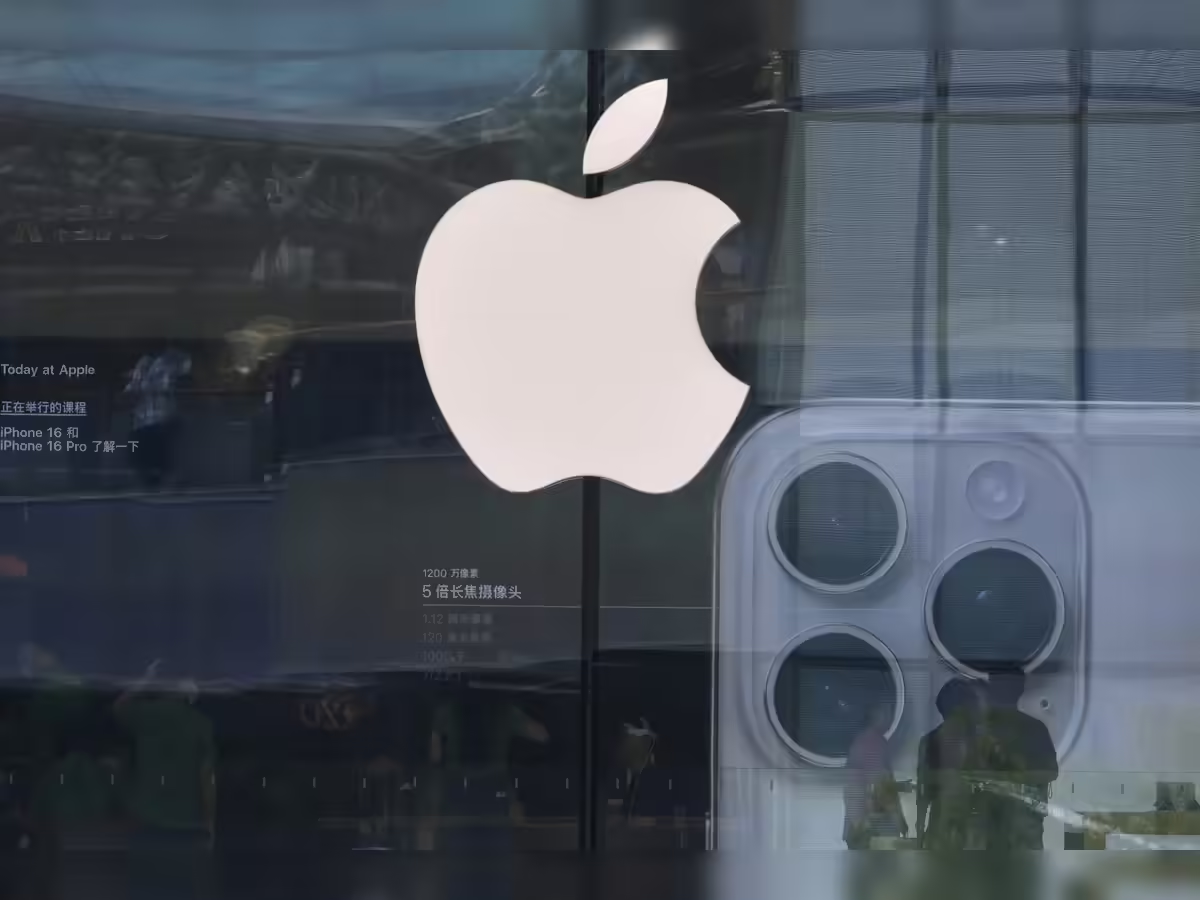
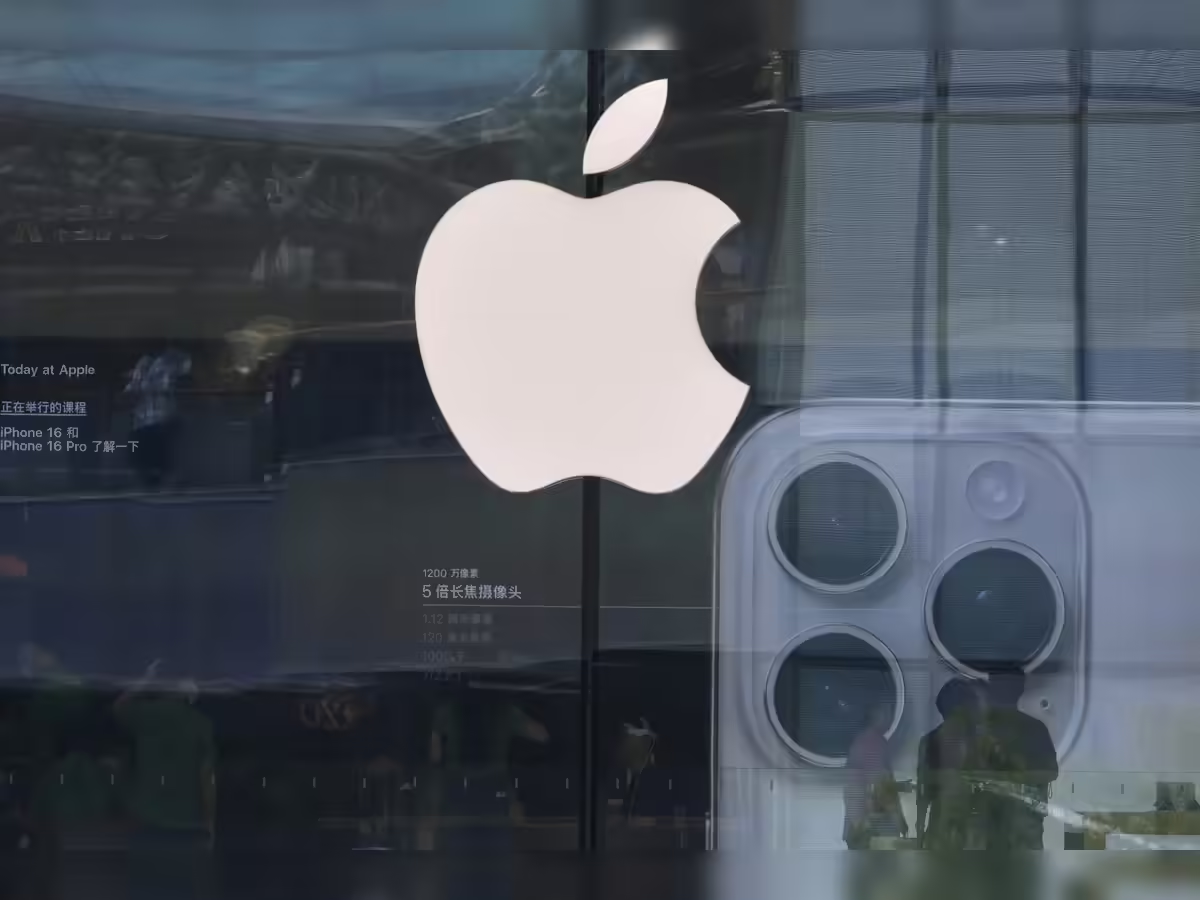
India's Tamil Nadu Pollution Control Board has issued a warning notice to Tata Electronics, alleging that wastewater from its iPhone components factory in Hosur contaminated groundwater used by nearby farms. The regulator threatened to cut power and force a shutdown unless Tata provides a satisfactory explanation.
The Hosur plant makes back panels and other components for iPhones. Farmers near the facility had complained for months that wastewater from the factory was contaminating their land and open wells.
Those complaints triggered five state inspections between December 2025 and May 2026, according to a May 25 regulatory notice reviewed by Reuters. Inspectors found that Tata discharged wastewater into a rainwater harvesting pond inside its facility. The pond overflowed, contaminating "groundwater in the open wells located in the adjacent agricultural lands," the notice said.
The pollution board also noted that Tata had not taken corrective actions after receiving instructions in a December 23, 2025 letter.
Tata's Response
“We are committed to full compliance with all regulatory norms, as confirmed by our own independent analysis conducted by accredited laboratories.”
— Tata Electronics spokesperson
Tata Electronics told Reuters it commissioned an independent analysis through an accredited laboratory. The company said the study determined it was "in full compliance with all regulatory norms." Tata added that it is "committed to responsible business practices and protection of the environment and local communities" and has responded to pollution authorities, though it did not provide further details.
Apple, which has strict rules on how its suppliers handle wastewater, did not respond to Reuters' request for comment. The Tamil Nadu government also did not respond.
Why This Matters for Apple's India Strategy
Tata Electronics is central to Apple's push to diversify iPhone production beyond China. It is the second-biggest supplier to Apple in South Asia after Taiwan's Foxconn. A forced shutdown of the Hosur plant would disrupt Apple's "China Plus One" manufacturing strategy at a critical time.
The dispute highlights a recurring tension in India's rapid industrialization: balancing manufacturing growth with environmental protection. Companies have often faced disciplinary action from pollution authorities in the country. In 2024, Mercedes-Benz improved wastewater and air pollution management at its only car factory in India after officials detected lapses in compliance with environmental law.
What Happens Next
The pollution board's May notice asked Tata to explain why power to the unit should not be cut and the facility closed for its alleged breach of the rules. Tata says it has responded to the authorities, but neither side has disclosed the contents of that response or any timeline for resolution.
Online discussion on platforms like Reddit and Hacker News has focused on the tension between India's "Make in India" economic goals and corporate accountability. Some users expressed skepticism about Tata's "independent" compliance reports, while others worried that a shutdown would hamper Apple's global iPhone supply chain.
Logicity's Take
Frequently Asked Questions
Why is the Tamil Nadu Pollution Control Board threatening to shut down Tata's factory?
Inspections found that wastewater discharged into an on-site pond overflowed and contaminated groundwater in adjacent farmland wells. Tata did not take corrective action after a December 2025 notice.
What does Tata say about the pollution allegations?
Tata claims an independent laboratory analysis shows the company is "in full compliance with all regulatory norms." It says it has responded to pollution authorities but has not disclosed details.
How does this affect Apple's manufacturing in India?
Tata Electronics is Apple's second-largest supplier in South Asia. A shutdown of the Hosur plant would disrupt Apple's strategy to diversify iPhone production away from China.
Has Apple commented on the allegations?
No. Apple did not respond to Reuters' request for comment. Apple has strict supplier rules on wastewater handling, but it is unclear how those rules will apply here.
Is this kind of enforcement common in India?
Yes. Companies often face disciplinary action from pollution authorities. In 2024, Mercedes-Benz was required to improve wastewater and air pollution management at its India car factory after compliance lapses were detected.
Another look at India's push to build domestic tech infrastructure
Need Help Implementing This?
Source: Tech-Economic Times / ET
Huma Shazia
Senior AI & Tech Writer
Produced with AI assistance and reviewed by the Logicity editorial team. Learn more in our Editorial Policy.