Key Takeaways
- Stack Internal's Ingestion engine is now generally available, converting documents into structured Q&A pairs
- A new Confluence Cloud connector automatically transforms wiki pages into verified knowledge posts
- Ingested content flows to AI tools and IDEs via the Stack Internal MCP server
Stack Overflow has released version 2026.3 of Stack Internal, its enterprise knowledge platform. The headline feature: the Ingestion engine is now generally available after what the company calls its most significant milestone of the year.
The Ingestion engine solves a familiar problem. Companies accumulate technical knowledge across PDFs, Confluence pages, Office documents, and countless other formats. That knowledge stays siloed. Engineers interrupt senior colleagues with questions that have been answered elsewhere. AI coding tools hallucinate because they lack organizational context.
How the Ingestion Pipeline Works
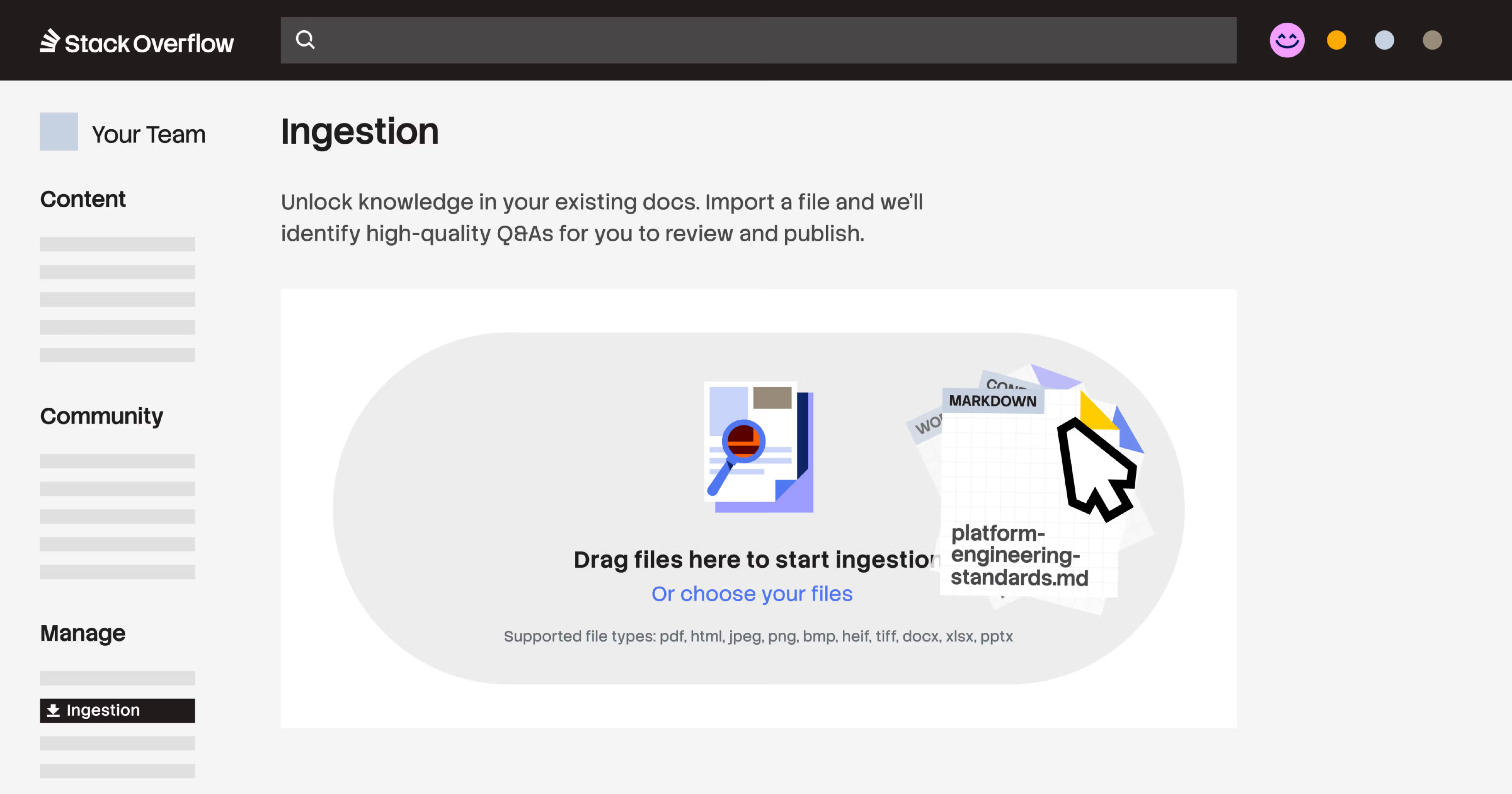
The system accepts uploads of PDFs, HTML, Markdown files, images (JPEG, PNG, BMP, HEIF, TIFF), and Microsoft Office documents including Word, Excel, and PowerPoint files. You can drag and drop files into the web interface or automate bulk migrations through a POST /ingest/file API endpoint.
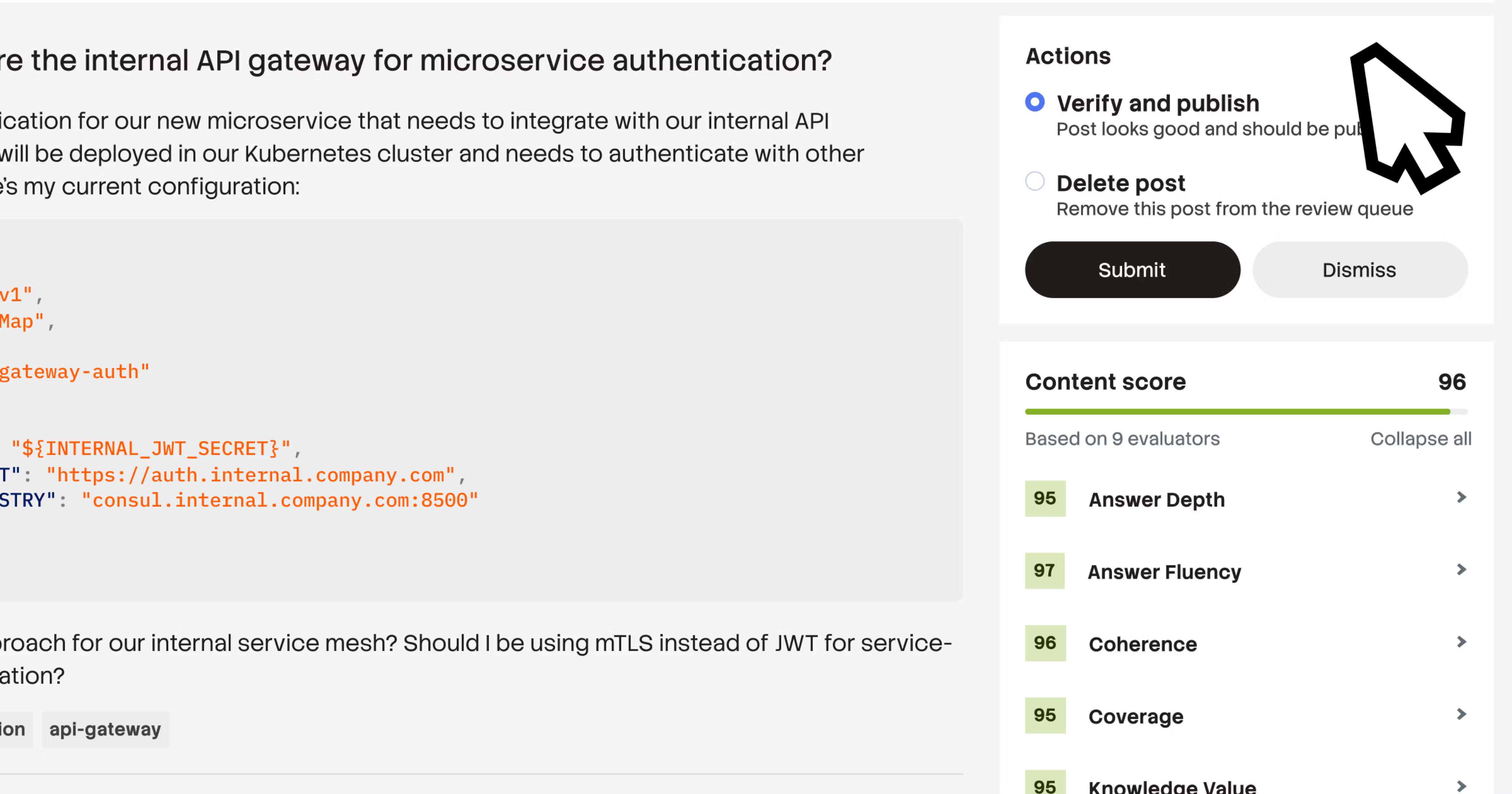
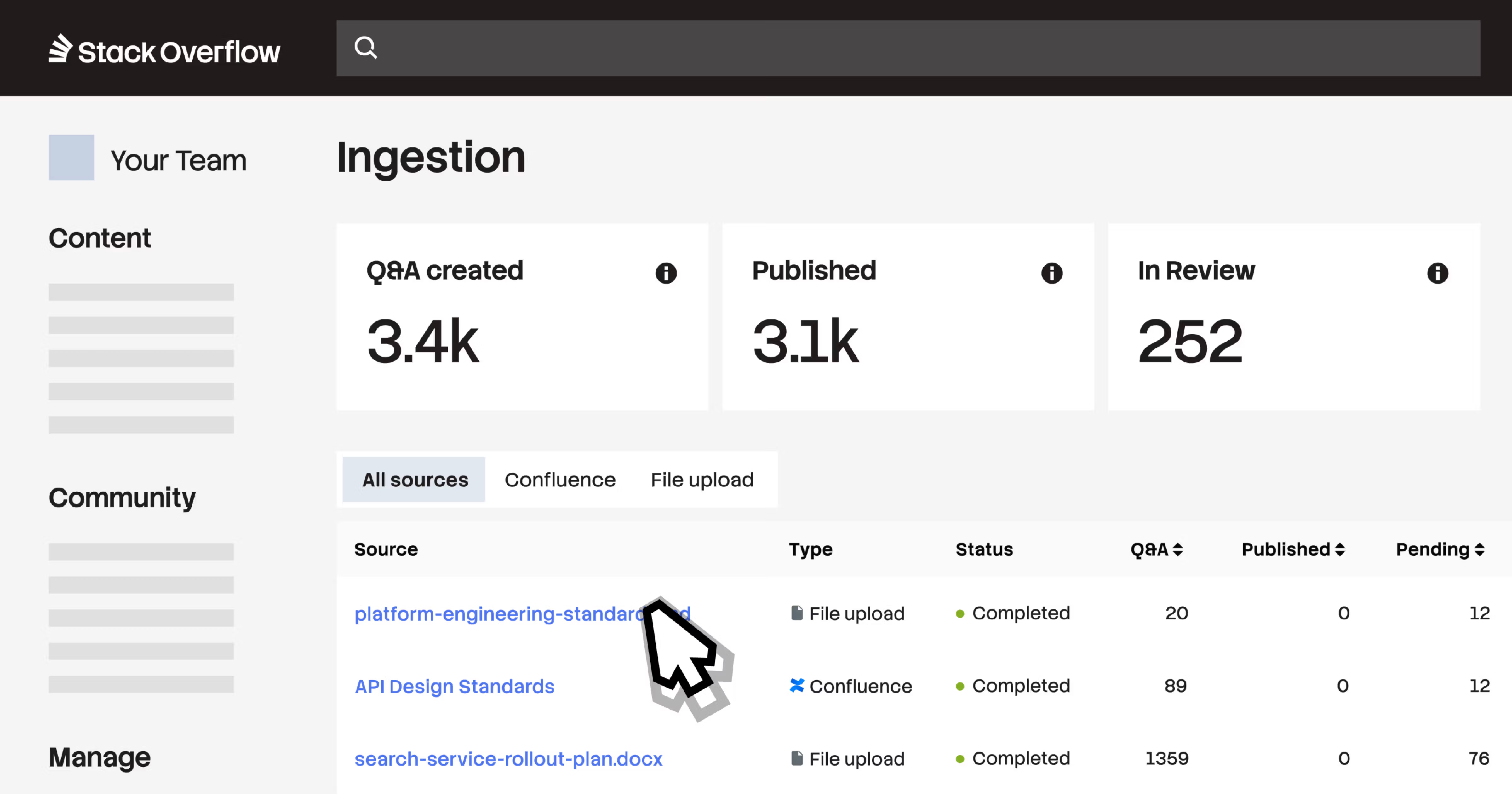
Once uploaded, the AI pipeline chunks the raw text, cleans it, and converts fragments into atomic Q&A pairs. Each pair gets automatic tagging, user mapping, and a confidence score. The system then routes posts to subject matter experts for final review.
This shifts the workload for SMEs. Instead of writing documentation from scratch, they validate pre-structured content. Stack Overflow describes it as moving from manual curation to expert validation.
Confluence Cloud Integration
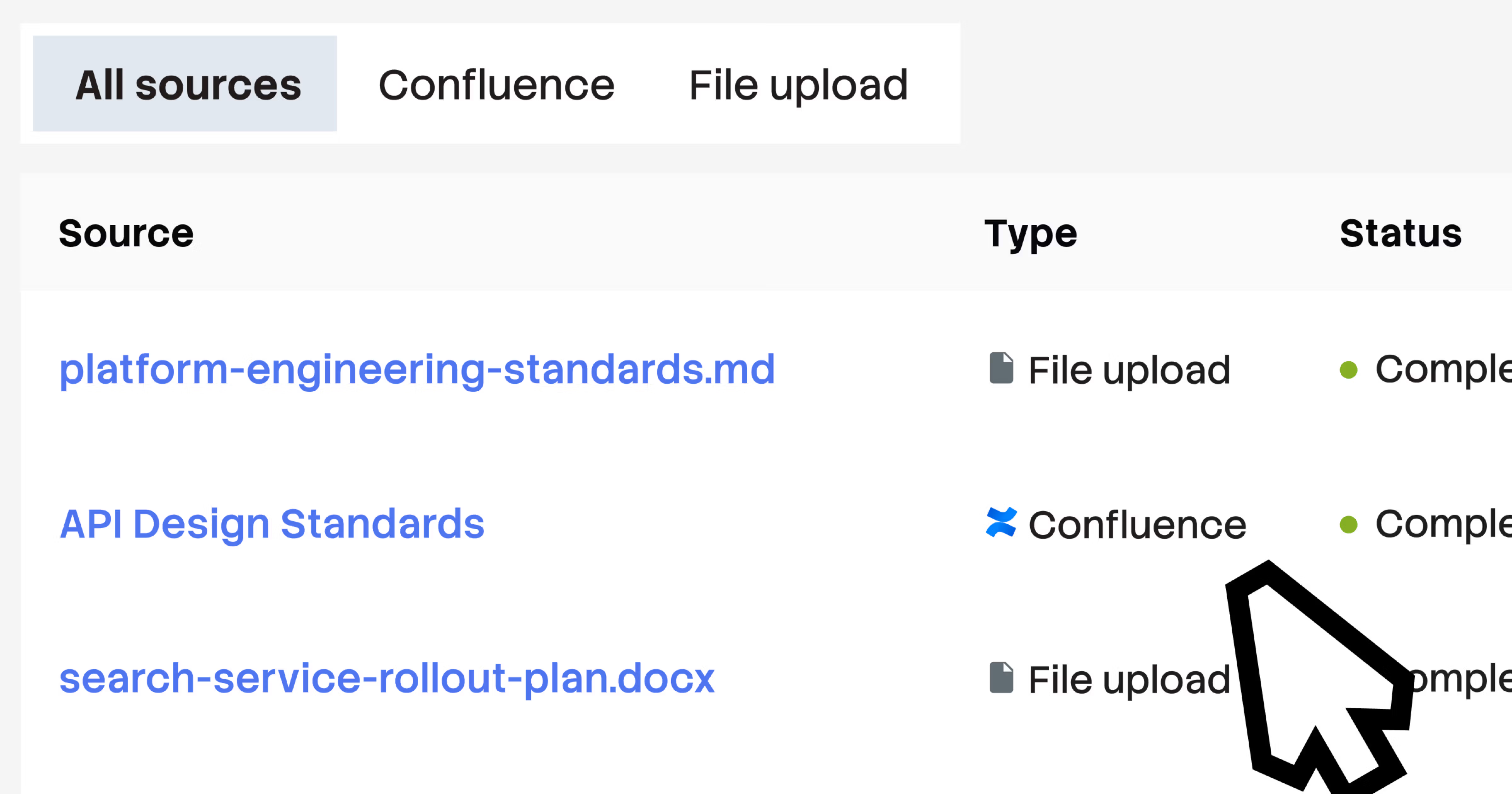
The 2026.3 release also includes a Confluence Cloud connector. Organizations can connect Stack Internal directly to specific Confluence spaces. The Ingestion engine then converts long-form Confluence pages into Q&A pairs that are easier to search and maintain.
Every generated post includes a link back to the original Confluence source page. This preserves attribution and lets readers access the full context when needed.
MCP Server Delivers Context to AI Tools
Validated Q&A posts become accessible through the Stack Internal MCP (Model Context Protocol) server. This surfaces expert-vetted knowledge directly in AI tools and IDEs where developers already work.
The goal is what Stack Overflow calls "closing the context loop." Ingested data stays updated and feeds into AI assistants, reducing hallucinations and improving the quality of AI-generated code and answers.
Reducing Shoulder Taps
Stack Overflow frames the release around a productivity metric that resonates with engineering managers: shoulder taps. Senior engineers get interrupted constantly by questions from junior team members. Many of those questions have answers buried somewhere in organizational documentation.
By making that knowledge searchable and feeding it to AI tools, the Ingestion engine aims to reduce these interruptions. Senior engineers can focus on higher-value work while the knowledge base handles routine questions.
Logicity's Take
Getting Started
Organizations with existing Stack Internal deployments can enable Ingestion through their Admin Settings. The feature is included in the 2026.3 release without requiring additional licensing.
Frequently Asked Questions
What file types does Stack Internal Ingestion support?
The Ingestion engine accepts PDFs, HTML, Markdown, images (JPEG, PNG, BMP, HEIF, TIFF), and Microsoft Office documents including .docx, .xlsx, and .pptx files.
Does Stack Internal integrate with Confluence?
Yes, the 2026.3 release includes a Confluence Cloud connector that converts selected Confluence spaces into structured Q&A pairs with links back to original pages.
How does Stack Internal work with AI coding tools?
Validated Q&A posts are accessible through the Stack Internal MCP server, which surfaces verified knowledge directly in compatible AI tools and IDEs.
Do subject matter experts still need to review ingested content?
Yes, but the Ingestion engine pre-structures content with tagging and confidence scores, so SMEs validate rather than author from scratch.
Need Help Implementing This?
Source: Stack Overflow Blog
Huma Shazia
Senior AI & Tech Writer
Produced with AI assistance and reviewed by the Logicity editorial team. Learn more in our Editorial Policy.