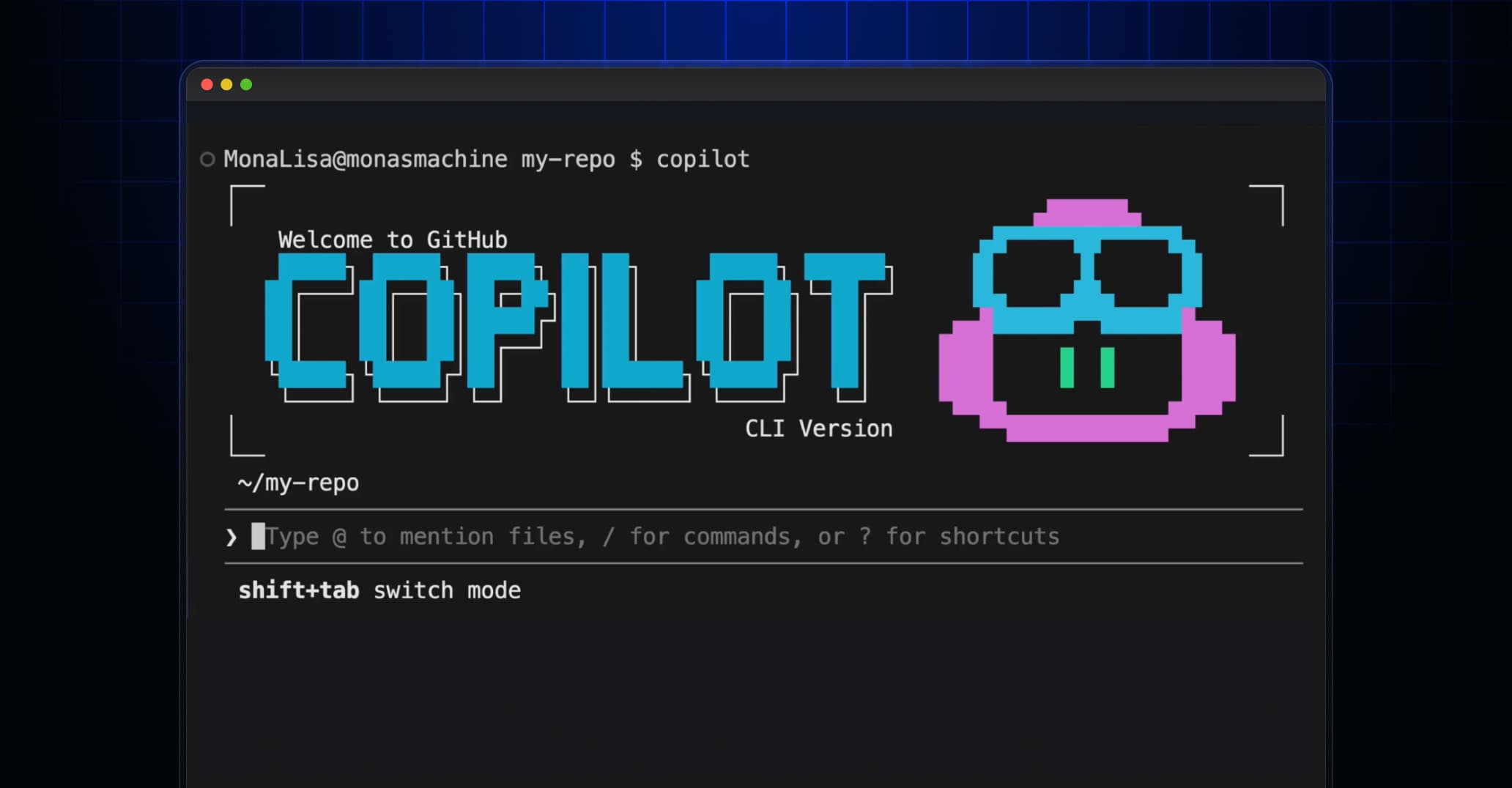
Developers resisting agentic coding are missing out on a game-changer
The coding landscape is evolving with agentic coding, a shift that's both exciting and intimidating for many developers. We explore why embracing this change can lead to unprecedented growth and innovation. By understanding the core of agentic coding, developers can position themselves at the forefront of the tech revolution.
In This Article
- The Unavoidable Shift to Agentic Coding: Are You Ready?
- Demystifying Agentic Coding: What You Need to Know
- Why Developers Should Welcome Agentic Coding with Open Arms
- The Broader Implications of Agentic Coding for the Tech Industry
- Navigating the Challenges of Agentic Coding: What to Expect
- The Future of Coding: Embracing the Potential of Agentic Coding
The Unavoidable Shift to Agentic Coding: Are You Ready?
The world of coding is on the cusp of a significant transformation, with agentic coding emerging as a revolutionary force. It's essential to understand what this means for you as a developer.
- Agentic coding is not just about writing code; it's about creating a symbiotic relationship between human developers and AI tools. This collaborative approach is set to redefine the boundaries of software development.
- According to recent studies, developers who embrace agentic coding are likely to see a significant boost in their productivity and efficiency, leading to faster project delivery times.
- The integration of AI in coding processes is predicted to lead to more sophisticated and adaptive software solutions, meeting the evolving needs of users more effectively.
- There's a growing concern among developers that agentic coding could replace human coders, but the reality is that it's designed to augment human capabilities, not replace them.
- To stay ahead of the curve, developers need to be open to learning and adapting to new technologies and methodologies, including those based on AI.
- By doing so, they can ensure their skills remain relevant in a rapidly changing tech landscape.
“85% of companies believe AI will be a major driver - McKinsey 2022”
Demystifying Agentic Coding: What You Need to Know
Before we dive into the benefits and challenges, let's clarify what agentic coding is all about. It's crucial to understand its core principles to harness its full potential.
- At its core, agentic coding involves using AI and machine learning algorithms to assist in the coding process, from suggesting code improvements to automating repetitive tasks.
- This approach can significantly reduce the time spent on mundane coding tasks, allowing developers to focus on more complex and creative aspects of software development.
- The key insight here is that agentic coding is not a replacement for human intuition and creativity but a tool to amplify them.
- Developers can use agentic coding tools to analyze large datasets, identify patterns, and make predictions, leading to more informed decision-making.
- Moreover, agentic coding can facilitate collaboration among developers by providing a common platform for sharing and integrating code.
- By leveraging these capabilities, development teams can work more efficiently and effectively, leading to higher quality software products.
Why Developers Should Welcome Agentic Coding with Open Arms
Despite initial reservations, agentic coding offers a plethora of benefits for developers, from enhanced productivity to improved job satisfaction.
- One of the most significant advantages of agentic coding is its ability to automate routine coding tasks, freeing up developers to focus on more challenging and rewarding projects.
- By leveraging AI-powered tools, developers can reduce the likelihood of errors and bugs in their code, leading to more reliable and stable software applications.
- Furthermore, agentic coding can help developers stay up-to-date with the latest technologies and trends, ensuring their skills remain current and in demand.
- The use of agentic coding tools can also facilitate knowledge sharing and reuse across different projects and teams, promoting a culture of innovation and continuous learning.
- Additionally, by working alongside AI, developers can gain new insights into their coding practices and identify areas for improvement.
- This collaborative approach can lead to a more engaging and motivating work environment, as developers are empowered to tackle complex problems and create innovative solutions.
“60% of developers are already using AI in their workflow - Gartner 2023”
The Broader Implications of Agentic Coding for the Tech Industry
The adoption of agentic coding is not just a developer issue; it has far-reaching implications for the entire tech industry, from startups to multinational corporations.
- As agentic coding becomes more prevalent, we can expect to see a shift in the way companies approach software development, with a greater emphasis on AI-driven technologies.
- This could lead to the creation of new job roles and opportunities, such as AI training specialists and human-AI collaboration experts.
- Moreover, the increased efficiency and productivity brought about by agentic coding could lead to faster time-to-market for software products, giving companies a competitive edge.
- The integration of AI in coding processes can also enable the development of more sophisticated and adaptive software solutions, better meeting the evolving needs of users.
- However, there are also challenges to be addressed, such as ensuring the transparency and explainability of AI-driven decision-making processes.
- By navigating these challenges and opportunities, the tech industry can harness the full potential of agentic coding to drive innovation and growth.
Navigating the Challenges of Agentic Coding: What to Expect
While agentic coding offers numerous benefits, it's essential to acknowledge the challenges and limitations that come with its adoption.
- One of the primary concerns is the potential for job displacement, as AI takes over certain coding tasks, although this is more about augmentation than replacement.
- Developers may also face a learning curve when adapting to new AI-powered tools and methodologies, requiring significant investment in training and education.
- Moreover, there are ethical considerations to be addressed, such as ensuring that AI systems are fair, transparent, and unbiased in their decision-making processes.
- The reliability and security of AI-driven coding tools are also critical issues, as they can have a direct impact on the quality and safety of software applications.
- Despite these challenges, the benefits of agentic coding far outweigh the drawbacks, and by acknowledging and addressing these limitations, we can create a more sustainable and equitable coding ecosystem.
- By doing so, we can ensure that the adoption of agentic coding is a positive force for change in the tech industry.
The Future of Coding: Embracing the Potential of Agentic Coding
As we look to the future, it's clear that agentic coding is here to stay, and its impact will be felt across the tech industry.
- The integration of AI in coding processes is a game-changer, offering unprecedented opportunities for growth, innovation, and collaboration.
- Developers who embrace agentic coding can expect to see significant improvements in their productivity, efficiency, and job satisfaction.
- However, it's crucial to address the challenges and limitations associated with agentic coding, from job displacement to ethical considerations.
- By navigating these complexities, we can harness the full potential of agentic coding to drive positive change in the tech industry.
- As we move forward, it's essential to prioritize education, training, and transparency, ensuring that the benefits of agentic coding are accessible to all.
- By doing so, we can create a brighter future for coding, where human and artificial intelligence collaborate to achieve extraordinary things, with the potential to revolutionize the way we develop software.
Final Thoughts
As we conclude our exploration of agentic coding, it's clear that this technology has the potential to transform the world of software development. At Logicity, we're committed to helping developers and companies navigate this shift, ensuring they're equipped to thrive in an AI-driven future. If you're interested in learning more about how agentic coding can benefit your organization, we invite you to reach out to us at logicity.in and discover the possibilities.
“By 2025, AI is expected to replace 30% of programming tasks - Forrester 2022”
Sources & Further Reading
- McKinsey — McKinsey reports that 85% of companies believe AI will be a major driver of business change in the coming years.
- Gartner — Gartner predicts that 60% of developers will be using AI in their workflow by 2025, highlighting the growing importance of agentic coding.
- Forrester — Forrester estimates that by 2025, AI will replace 30% of programming tasks, underscoring the need for developers to adapt to new technologies and methodologies.
Huma Shazia
Senior AI & Tech Writer
Produced with AI assistance and reviewed by the Logicity editorial team. Learn more in our Editorial Policy.