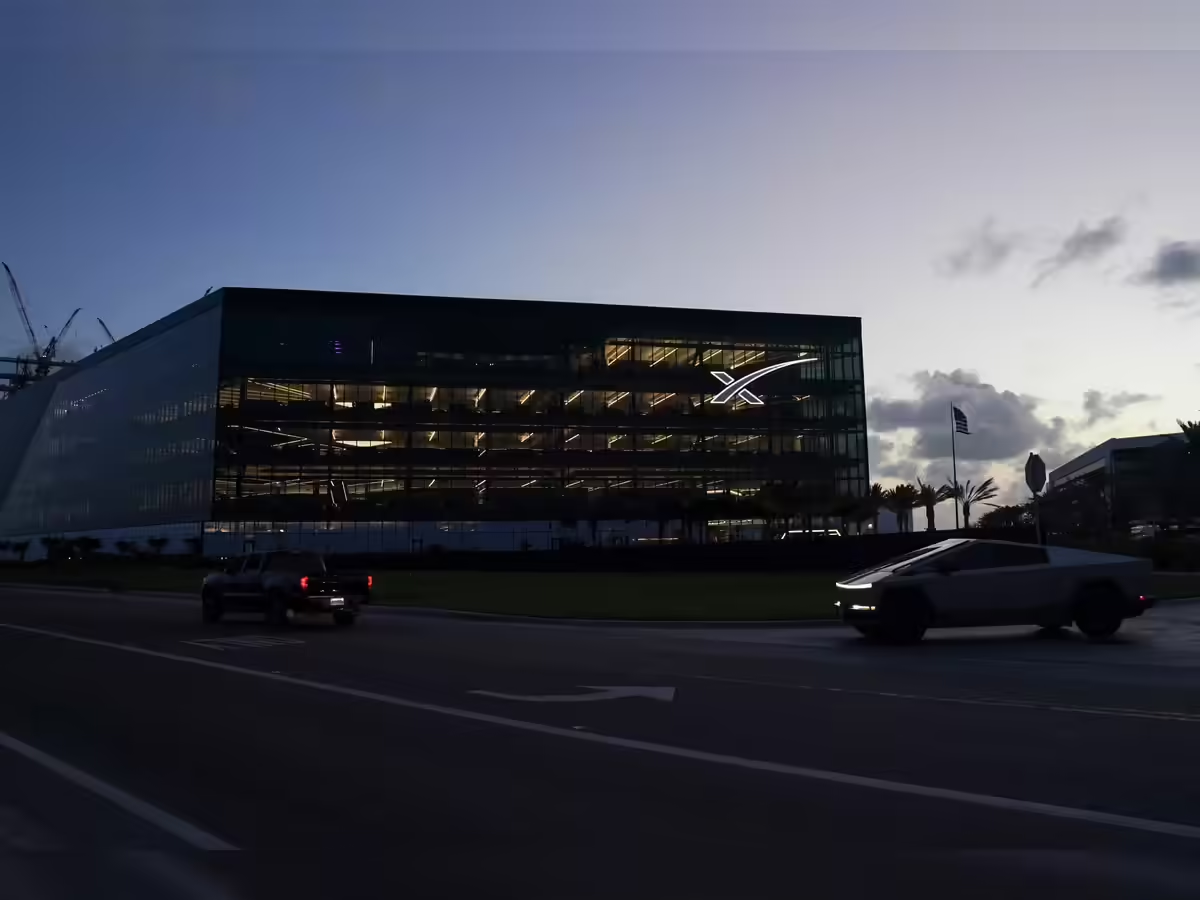
Key Takeaways
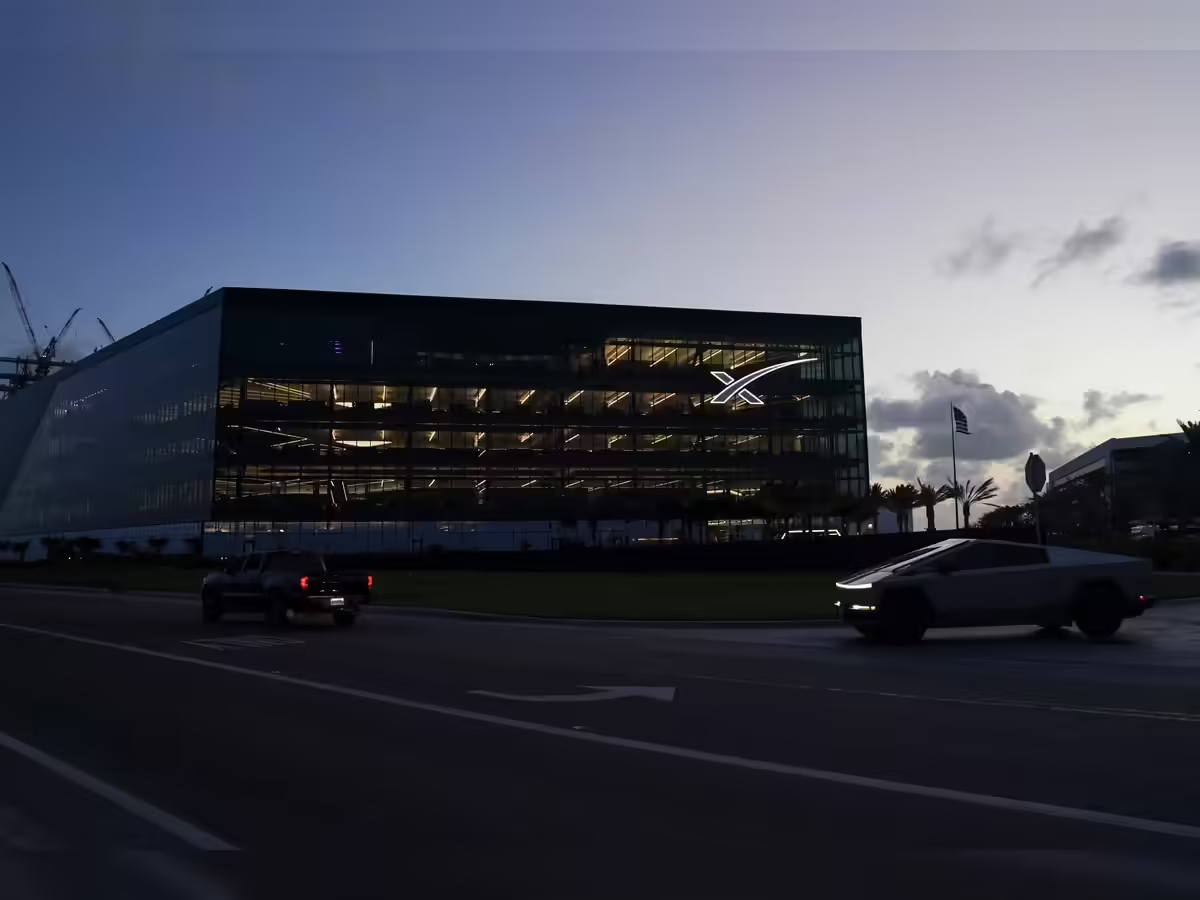
- SpaceX is trading at $211.8 per share, valuing the company at nearly $2.8 trillion
- The stock has gained over 30% in two days following its June 2026 IPO
- Trading volume exceeded Nvidia, Microsoft, Tesla, and Apple combined
SpaceX shares climbed more than 10% in premarket trading Tuesday, pushing the company's market capitalization to nearly $2.8 trillion. If gains hold, Elon Musk's rocket company will overtake Amazon to become the world's fifth-largest company by market value, just days after going public.
The stock was last trading at $211.8, building on Monday's 19% surge. Amazon, by comparison, sits at a $2.66 trillion valuation. The gap between the two companies has narrowed to roughly $200 billion, a margin that could evaporate within hours given the current momentum.
Trading volume dwarfs Big Tech
What makes this rally unusual isn't just the percentage gains. More than $1.16 billion worth of SpaceX shares changed hands by 4:14 a.m. ET on Tuesday. That volume exceeded the combined trading in Nvidia, Microsoft, Tesla, and Apple during the same window.
This kind of concentrated retail and institutional interest in a newly public company is rare. SpaceX officially went public on June 12, 2026, in what became the largest initial public offering in market history. The company raised $75 billion in the listing.
Why investors are piling into SpaceX
The valuation surge reflects sustained investor confidence in two areas: Starlink's profitability and the accelerating pace of SpaceX's interplanetary infrastructure projects. Starlink, the satellite internet service, has become a cash-generating machine with millions of subscribers worldwide. The Starship program, meanwhile, represents a bet on future revenue streams from lunar missions, Mars colonization, and orbital infrastructure.
The rally has also made Elon Musk the world's first trillionaire. His net worth now stands at approximately $1.1 trillion, driven largely by his stake in SpaceX. Musk's Tesla holdings, once the primary driver of his wealth, now represent a smaller fraction of his overall portfolio.
How SpaceX's valuation compares to Amazon
Amazon built its $2.66 trillion valuation over decades, anchored by AWS's reliable cash flow and its dominant e-commerce infrastructure. SpaceX reached similar territory in three trading days. The comparison raises obvious questions about sustainability.
Amazon generates consistent operating income from AWS, a business with high margins and recurring revenue. SpaceX, while increasingly profitable through Starlink, still faces massive capital expenditures. Building rockets and satellites is expensive. The company's path to profitability at scale remains less proven than Amazon's.
The skeptic's case against the rally
Not everyone is celebrating. Discussions on Reddit and Hacker News are polarized. Retail investors are cheering the "trillionaire era" and the prospect of faster space exploration. Skeptics are calling it a bubble.
The core concern: a $2.8 trillion valuation requires SpaceX to generate extraordinary returns for decades. The company's capital expenditure needs are enormous, and the timeline for revenue from Mars-related projects stretches far into the future. Amazon, by contrast, has AWS generating profits today.
The debate mirrors earlier conversations about Tesla's valuation. Musk's companies tend to trade on future potential rather than current fundamentals. Whether that pattern holds for SpaceX depends on execution, and on whether Starlink can scale profitably enough to justify the multiple.
What happens next
If SpaceX maintains its current price, it will officially surpass Amazon by market close. That would make it the fifth-largest company in the world behind Apple, Microsoft, Nvidia, and Alphabet. The speed of the ascent is unprecedented for a company of this size.
The broader implication is a shift in how markets value space infrastructure. For years, aerospace was a niche sector dominated by government contracts and thin margins. SpaceX has rewritten that playbook. Whether the stock price reflects reality or irrational exuberance will become clearer in the quarters ahead.
Frequently Asked Questions
When did SpaceX go public?
SpaceX officially went public on June 12, 2026, in the largest IPO in market history, raising $75 billion.
What is SpaceX's current market cap?
SpaceX's market capitalization reached nearly $2.8 trillion as of Tuesday premarket trading, based on a share price of $211.8.
How does SpaceX's valuation compare to Amazon?
SpaceX is poised to overtake Amazon, which is valued at $2.66 trillion. The gap between the two companies has narrowed to approximately $200 billion.
Is Elon Musk now a trillionaire?
Yes. Following the SpaceX IPO rally, Musk's net worth reached approximately $1.1 trillion, making him the world's first trillionaire.
What is driving SpaceX's stock price?
Investor confidence in Starlink's profitability and the long-term potential of SpaceX's interplanetary infrastructure projects, including Starship, are driving the valuation.
Logicity's Take
The SpaceX rally is less about rockets and more about a market searching for the next category of growth. Software multiples have compressed. Cloud is mature. AI is crowded. Space infrastructure offers a new narrative, and narrative drives capital. The question isn't whether SpaceX deserves a $2.8 trillion valuation today. It's whether the market is right that orbital infrastructure will be as foundational to the 2030s economy as cloud computing was to the 2010s. If so, SpaceX is underpriced. If not, this is 2021 all over again.
Another high-profile funding round reshaping tech valuations
Recent fundraising activity in the tech sector
Need Help Implementing This?
Tracking fast-moving IPOs and market valuations requires real-time data and analysis. If you're building investor dashboards, portfolio tools, or need to integrate financial data APIs for your product, reach out to our team at Logicity for recommendations on data providers and technical architecture.
Source: Tech-Economic Times / ET
Manaal Khan
Tech & Innovation Writer
Produced with AI assistance and reviewed by the Logicity editorial team. Learn more in our Editorial Policy.




