Key Takeaways
- Starship V3 stands 124.4 meters tall, making it the tallest rocket ever built
- Flight 12 will deploy 20 dummy and 2 real Starlink satellites to test heat shield imaging
- This is the first Starship iteration capable of supporting moon and Mars missions
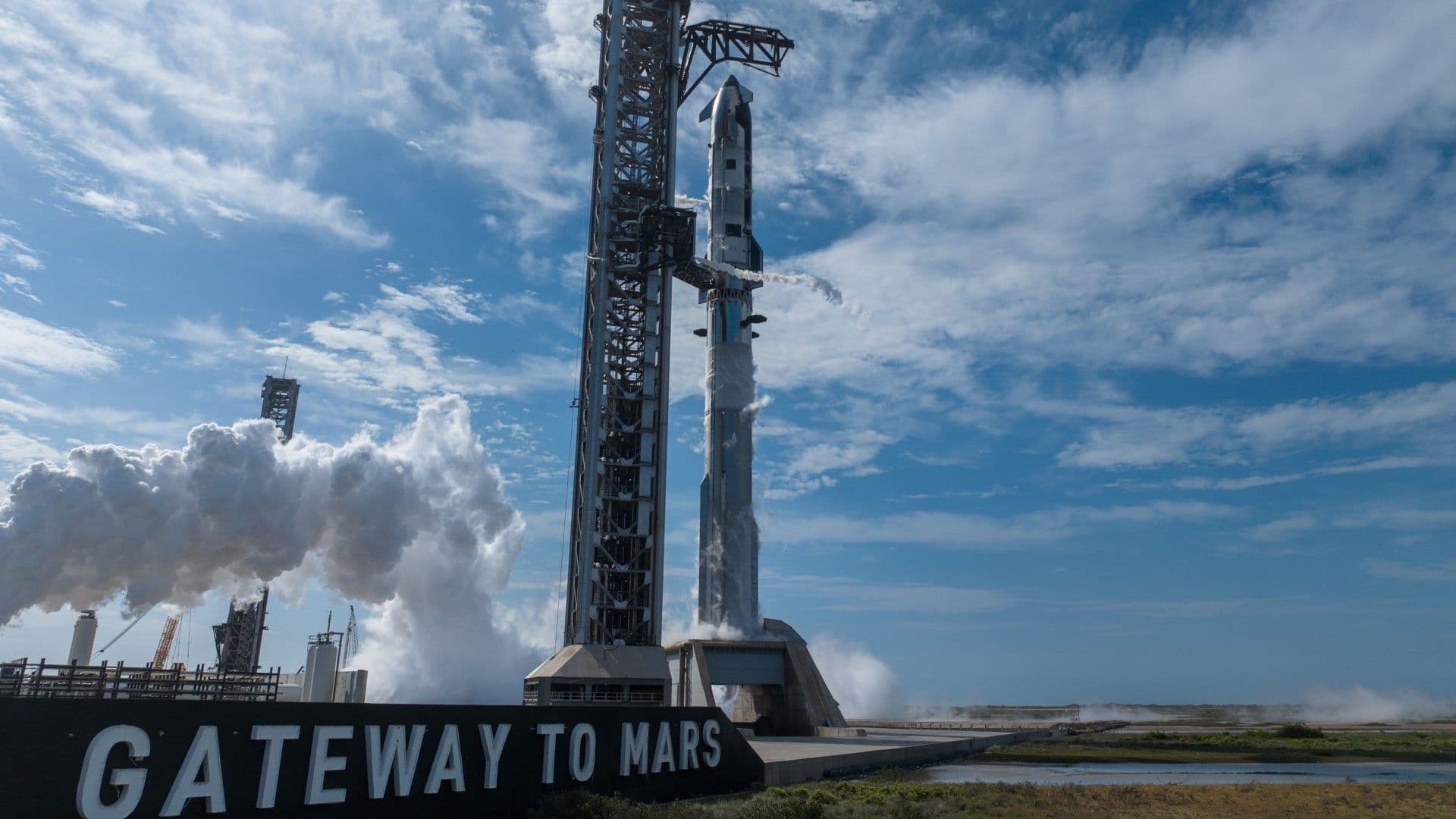
SpaceX will launch its biggest rocket yet on Thursday, May 21. The Starship V3 megarocket will lift off from Starbase in South Texas during a 90-minute window that opens at 6:30 p.m. EDT (5:30 p.m. local time).
This flight marks the debut of the V3 architecture. At 124.4 meters (408 feet) tall, it's the tallest rocket ever built. More importantly, it's the first Starship variant designed for deep-space missions to the Moon and Mars.
How to Watch the Launch
SpaceX will stream the launch live on its website and YouTube channel. Coverage begins about 45 minutes before liftoff. The entire suborbital test should last a little over an hour if everything goes to plan.
Super Heavy's splashdown will occur about seven minutes after liftoff. Ship will follow with its own splashdown in the Indian Ocean 58 minutes later.
What Makes V3 Different
The V3 introduces the Raptor 3 engine, which delivers 250 metric tons of sea-level thrust. That's a significant bump from the V2. But the bigger change is the design itself.
“The Raptor 3 is a masterpiece of simplification; we've moved from a 'spaghetti' of plumbing to a nearly integrated engine block.”
— Gwynne Shotwell, COO of SpaceX
The new engines eliminate individual shrouds in favor of a cleaner, more integrated design. On Reddit's r/SpaceX community, users have dubbed the vehicle "the flying skyscraper." HackerNews discussions compare the Raptor 3's simplified architecture to "the Apple Silicon moment" for rocket propulsion.
Flight 12 Mission Goals
Though V3 is new, this is Starship's 12th overall flight. The vehicle first launched in April 2023, ending in an explosion shortly after liftoff. SpaceX has made steady progress since then. Flight 10 and Flight 11, which launched in August and October of last year, were both successful according to the company.
Flight 12 will attempt to deploy 22 satellites: 20 dummy Starlink craft and two "specially modified" real ones. Those two satellites will test hardware planned for Starlink V3 and will photograph the Starship's heat shield during reentry.
"The two modified satellites will test hardware planned for Starlink V3 and will attempt to scan Starship's heat shield and transmit imagery down to operators to test methods of analyzing Starship's heat shield readiness for return to launch site on future missions," SpaceX wrote in its Flight 12 mission description.
The flight will target a peak altitude of 350 kilometers to maximize reentry heat testing.
Why This Launch Matters
This is the first Starship launch in more than seven months. SpaceX is developing the vehicle to help humanity settle the Moon and Mars. NASA picked Starship as one of two crewed landers for its Artemis program of moon exploration.
If Flight 12 and subsequent tests go well, Starship could launch on the Artemis 3 mission, which would return humans to the lunar surface for the first time since 1972.
Logicity's Take
Frequently Asked Questions
What time is the SpaceX Starship V3 launch?
The launch window opens at 6:30 p.m. EDT (5:30 p.m. local Texas time) on May 21, 2026. The window stays open for 90 minutes.
Where can I watch the Starship launch live?
SpaceX will stream the launch on its website and YouTube channel. Coverage starts about 45 minutes before liftoff.
How tall is the Starship V3?
The fully stacked Starship V3 stands 124.4 meters (408 feet) tall, making it the tallest rocket ever built.
What is the Raptor 3 engine?
The Raptor 3 is SpaceX's redesigned rocket engine for Starship V3. It produces 250 metric tons of sea-level thrust with a simplified, more integrated design that eliminates individual engine shrouds.
Is Starship part of NASA's Artemis program?
Yes. NASA selected Starship as one of two crewed landers for the Artemis program. If test flights continue successfully, Starship could support the Artemis 3 mission to return humans to the Moon.
Need Help Implementing This?
Source: Latest from Space.com
Manaal Khan
Tech & Innovation Writer
Produced with AI assistance and reviewed by the Logicity editorial team. Learn more in our Editorial Policy.