Key Takeaways
- Signull Labs raised $3.58 million in pre-seed funding for Skye at a $19.5 million valuation
- The app uses iOS widgets to create an 'agentic homescreen' that surfaces contextual AI insights
- Tens of thousands of users have joined the waitlist despite no public product yet
An 'Agentic Homescreen' Before Launch Day
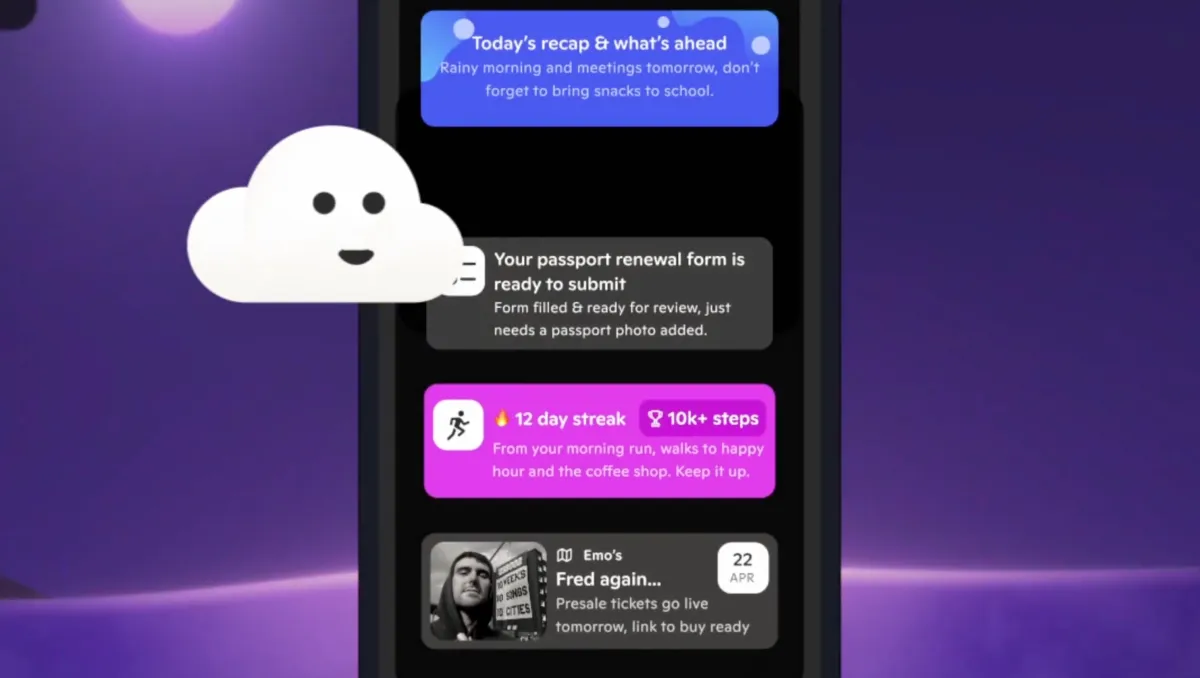
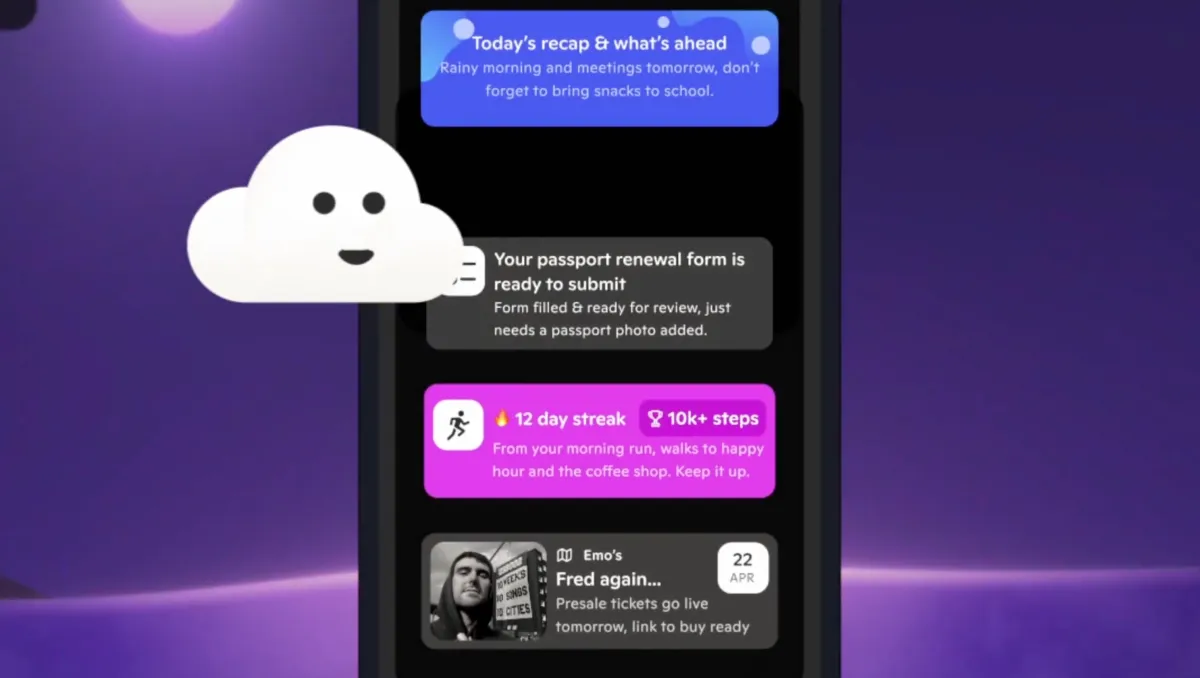
Skye is an iPhone app that wants to replace your static home screen with something smarter. Instead of rows of app icons, you'd get iOS widgets that act as an ambient AI layer. The widgets would surface contextual information about your day: local weather, upcoming meetings, health data, even suspicious charges on your bank account.
The app is still in private testing. But according to an SEC filing, Signull Labs has already raised north of $3.58 million in pre-seed funding. The round closed in September 2025. Pitchbook lists the startup's post-money valuation at $19.5 million.
What Skye Actually Does
The app's creator, who goes by signüll on X, describes Skye as an "agentic homescreen." The idea: your phone's widgets become a single surface for AI-powered assistance. You don't open a chatbot app or speak a command. The intelligence is just there, updating throughout your day.
According to posts from the founder, Skye can draft email replies, help with meeting prep, send reminders, and flag suspicious bank charges. It also promises location-specific recommendations for nearby businesses and attractions. Most of this requires user-authorized connections to existing services like email, calendar, and banking apps.
Tens of Thousands on the Waitlist
Signüll claims the app has added "tens of thousands" of users to its waitlist since announcing Skye on X. In one post, he noted that a promotional video hit roughly one million views, and the waitlist had already exceeded 25,000 before that spike.
If accurate, those numbers suggest real consumer interest in AI that lives on the phone's surface rather than inside an app you have to open. It also raises a question: if people want this, why hasn't Apple built it into iOS already?
Who's Behind Signull Labs
TechCrunch identified the founder as Nirav Savjani through SEC filings and other documents. Savjani has worked at Google and Meta, according to statements he made to TechCrunch, though he has no obvious LinkedIn presence. He initially asked to be interviewed under his pseudonym. TechCrunch declined, noting that his name is already public in regulatory filings.
The startup is based in New York. Beyond the founder's background, little is known about the team size or composition.
Why Investors Are Betting Early
A $19.5 million valuation for a pre-launch app is not unusual in AI. But it does signal investor conviction that the current smartphone interface is due for an overhaul. Apple's Siri integration remains clunky. Google Assistant lives behind a button. Neither feels native to the way people actually use their phones.
Skye's bet is that widgets can become the new default surface for AI. It's an incremental approach compared to projects like the rumored OpenAI smartphone, but it doesn't require buying a new device. That might be the point.
Logicity's Take
Skye is one of several experiments testing whether AI can break out of the chatbot window and into the phone's core interface. The waitlist numbers suggest users want this. The open question is whether Apple will allow a third-party app to get this close to the home screen experience, or whether iOS restrictions will clip Skye's ambitions.
What Happens Next
Skye is still in private testing with no announced public launch date. The pre-seed funding gives Signull Labs runway to iterate, but the product's success depends heavily on Apple's policies around widget functionality and background data access.
For now, the waitlist continues to grow. Whether those early sign-ups convert into active users will depend on what Skye can actually deliver once it ships.
Frequently Asked Questions
What is Skye app for iPhone?
Skye is an unreleased iPhone app from Signull Labs that uses iOS widgets to create an AI-powered home screen. It aims to surface contextual information like weather, calendar events, health data, and financial alerts without requiring you to open separate apps.
How much funding has Skye raised?
According to SEC filings, Signull Labs raised over $3.58 million in pre-seed funding, with the round closing in September 2025. Pitchbook lists the startup's post-money valuation at $19.5 million.
When will Skye be available to download?
Skye is currently in private testing with no announced public launch date. The app has a waitlist with tens of thousands of sign-ups.
Who founded Signull Labs?
Signull Labs was founded by Nirav Savjani, who goes by signüll on X. According to TechCrunch, he has previously worked at Google and Meta.
What can Skye do on an iPhone?
According to the founder, Skye can draft email replies, help with meeting prep, send reminders, flag suspicious bank charges, and provide location-based recommendations. It pulls data through user-authorized connections to existing services.
Need Help Implementing This?
Building AI-powered mobile experiences or evaluating the right interface approach for your product? Logicity covers emerging tech trends that matter for business. Reach out to our team to discuss how these developments apply to your roadmap.
Source: Startups | TechCrunch / Sarah Perez
Huma Shazia
Senior AI & Tech Writer
Produced with AI assistance and reviewed by the Logicity editorial team. Learn more in our Editorial Policy.