Key Takeaways
- Apple will open Siri to third-party AI agents, creating new enterprise integration opportunities
- The standalone Siri app with multi-command support could reduce workflow friction by 30-40%
- Companies investing in Apple ecosystem tools should prepare for Q4 2026 compatibility updates
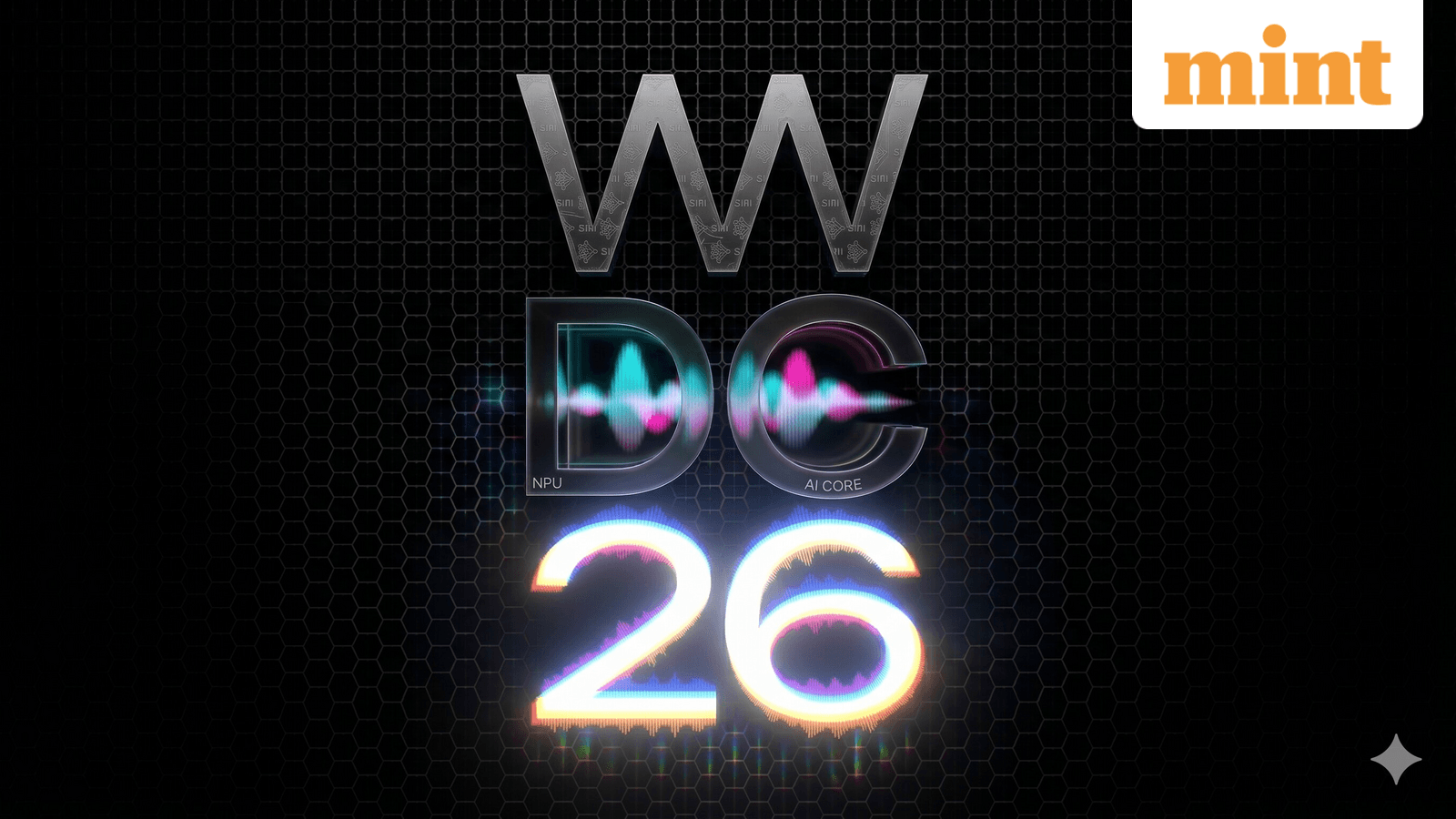
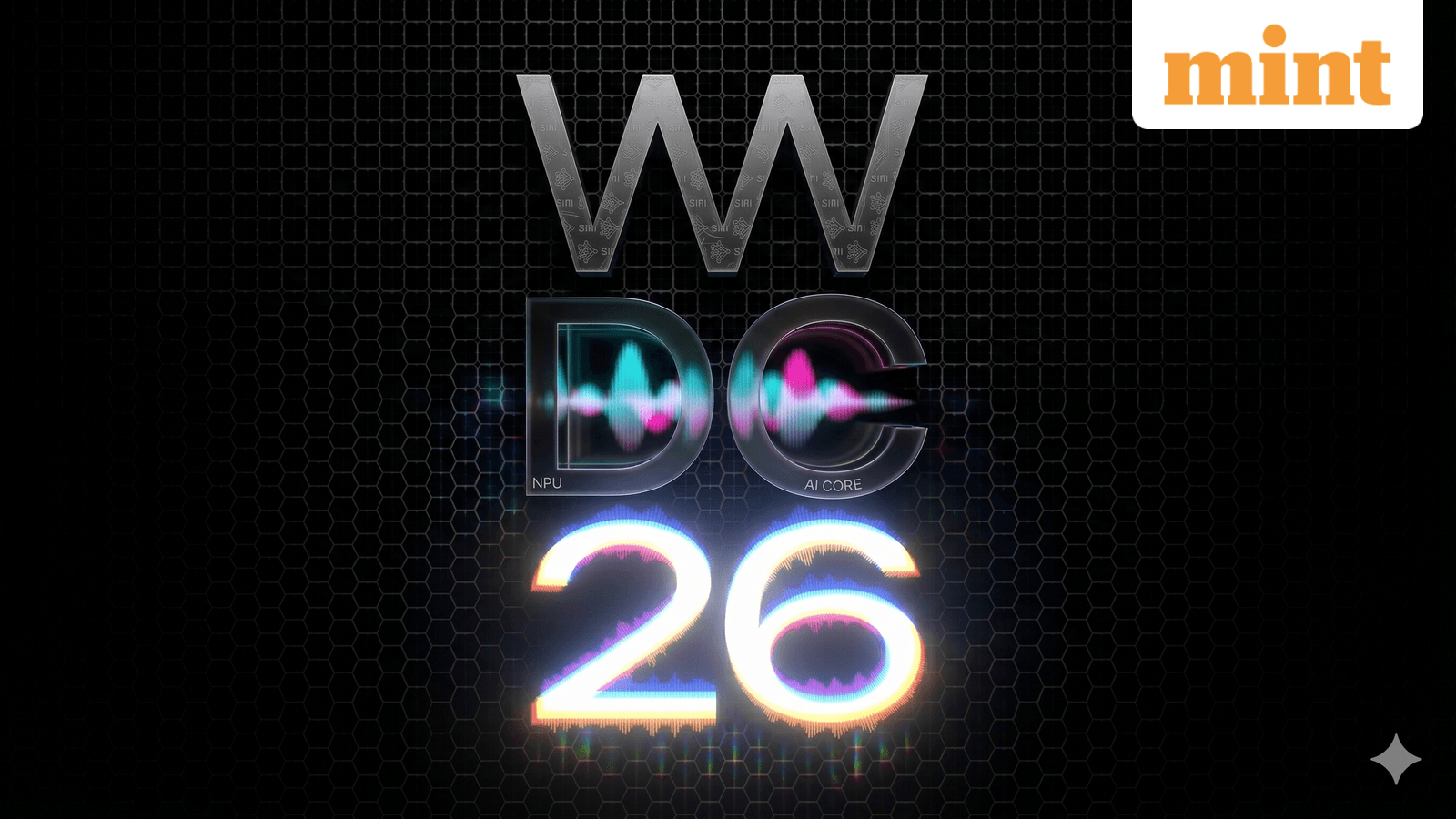
According to [Bloomberg's Mark Gurman via Mint](https://www.livemint.com/technology/tech-news/has-apple-already-begun-marketing-siris-big-overhaul-check-hidden-ai-clues-in-wwdc-2026-poster-11776657964065.html), Apple's WWDC 2026 poster contains hidden visual clues pointing to a complete Siri overhaul as the central theme of June's developer conference. The glowing visual effects in the teaser reportedly mirror a new Siri interface being tested internally at Cupertino.
Here's why this matters for your business: Apple is about to transform Siri from a simple voice assistant into an AI platform that accepts third-party agents. If your company builds customer-facing apps, provides enterprise services, or relies on Apple devices for operations, the next six months are critical planning time.
What Is Apple's Siri AI Overhaul in 2026?
The WWDC 2026 announcement will introduce Siri as a standalone app with a chatbot-like interface. According to Gurman's reporting, the key upgrades include multi-command handling, deeper personal data integration, on-screen content awareness, and most significantly for businesses: third-party AI agent support.
The new interface will live inside the Dynamic Island on iPhones. When triggered, it expands with a 'Search or Ask' prompt and glowing cursor. This isn't just a design refresh. It's a fundamental shift in how Apple positions Siri against competitors like ChatGPT, Google Assistant, and Amazon Alexa.
Executive Summary: What's Changing
Siri becomes a standalone app with multi-command support. Third-party AI agents can plug into Siri's ecosystem. The Dynamic Island becomes the primary AI interaction point. Apple is marketing this early, suggesting high confidence in the release timeline.
Why Should Business Leaders Care About Siri Changes?
The third-party AI agent announcement is the headline that should trigger strategy meetings. Apple rarely opens its ecosystem to external services. When it does (think Apple Pay, HealthKit, CarPlay), it creates billion-dollar market opportunities.
Consider what this means: your company's AI customer service bot could potentially operate through Siri. Your enterprise workflow tools could respond to voice commands across all Apple devices. Your SaaS product could become accessible without users ever opening your app.
For companies already wrestling with [AI vendor lock-in risks](ai-vendor-lock-in-risk-anthropic-suspensions-hit-fintech), Apple's third-party agent support offers a potential hedge. Instead of betting everything on one AI provider, you could distribute your AI capabilities across multiple platforms.
How Will Third-Party AI Agents Work With Siri?
While Apple hasn't released technical specifications, Gurman's reporting suggests the integration will be deep. Third-party agents won't just be apps you can ask Siri to open. They'll be services that Siri can delegate tasks to, retrieve information from, and coordinate with.
Think of it as Siri becoming an AI orchestrator rather than just an AI assistant. You ask Siri to book a meeting, check your project status, and draft a follow-up email. Siri routes each request to the appropriate agent: your calendar AI, your project management AI, your email AI.
| Feature | Current Siri | Siri AI Overhaul 2026 |
|---|---|---|
| Command Handling | Single command at a time | Multiple commands in sequence |
| Third-Party Integration | Limited app shortcuts | Full AI agent support |
| Interface | Voice-only or small overlay | Standalone app with chat UI |
| Personal Data Access | Basic contacts/calendar | Deep on-screen content awareness |
| Business API Access | None | Expected enterprise SDK |
Enterprise Integration Timeline: When to Prepare
Apple typically announces WWDC features in June, releases developer betas immediately, and ships to consumers in September. For enterprise integration, expect a longer runway. Third-party AI agent APIs will likely require additional certification and review processes.
Smart CTOs are already asking their teams to audit current Apple ecosystem touchpoints. Which internal tools run on iOS or macOS? Which customer-facing services could benefit from voice integration? Where would Siri-based automation reduce operational costs?
Cost and Investment Considerations for iOS 27 AI Features
Apple hasn't announced pricing for enterprise AI agent APIs. Based on comparable services (Apple Business Manager, Apple Business Essentials), expect a tiered model. Small businesses may get basic access free. Enterprise features with advanced security, analytics, and priority support will likely cost $5-15 per user monthly.
Development costs are harder to estimate. If your team already builds iOS apps, adding Siri AI agent support could be a 2-4 week sprint. Starting from scratch means hiring iOS specialists or working with agencies familiar with Apple's AI frameworks.
✅ Pros
- • Access to 1.5 billion Apple devices without App Store discovery challenges
- • Voice-first interfaces reduce user training costs for enterprise tools
- • Apple's privacy reputation helps with GDPR and HIPAA compliance positioning
- • Multi-command support could replace complex workflow automation tools
❌ Cons
- • Apple takes 15-30% commission on App Store transactions
- • Certification requirements may delay enterprise deployments
- • Dependency on Apple's platform decisions and policy changes
- • Integration costs unclear until developer documentation releases
Competitive Impact: How This Affects AI Strategy
Apple's move puts pressure on Microsoft (Copilot), Google (Gemini/Assistant), and Amazon (Alexa). More importantly for business leaders, it validates the multi-agent AI architecture that forward-thinking companies have been building.
If you've invested in modular AI systems where different agents handle different tasks, Apple just made that investment more valuable. If you've built monolithic AI solutions, you may need to refactor for agent-based architectures to participate in Apple's ecosystem.
Understanding AI dependency risks is critical before expanding to new platforms
The [recent Vercel security incidents](vercel-data-breach-2026-2m-ransom-and-ai-powered-attack) also highlight why Apple's walled-garden approach to AI agents might appeal to security-conscious enterprises. Apple's certification process, while slower, typically results in more vetted integrations.
What Should CTOs Do Before WWDC 2026?
- Audit your current Apple ecosystem presence. Which apps, tools, and services touch iOS or macOS?
- Identify three use cases where voice-activated AI would reduce friction for employees or customers
- Review your AI architecture. Can your current systems expose functionality as discrete agents?
- Allocate budget for Q3-Q4 2026 iOS development sprints
- Brief your legal team on Apple's enterprise terms and upcoming API agreements
The companies that move fastest after WWDC will capture the "first mover" advantage in their categories. When Apple opens a new integration point, the first quality solutions get featured, get press coverage, and establish market position.
Performance and Battery Improvements: The Hidden Business Value
Beyond Siri, Gurman notes that iOS 27 focuses heavily on battery life, performance, and stability. For enterprises managing device fleets, this translates to reduced support tickets, longer device refresh cycles, and improved employee productivity.
The home screen customization improvements (undo/redo for app layouts) seem minor but address a consistent complaint from enterprise device management teams. Standardizing device configurations across hundreds of employees becomes marginally easier.
Compare Apple's AI direction with Android competitors' enterprise strategies
Logicity's Take
We build AI agents using Claude and custom workflows for clients across India and the Middle East. Apple opening Siri to third-party agents is genuinely exciting, but we're cautious about the timeline for small and medium businesses. Apple's enterprise features typically favor large organizations with dedicated iOS development teams and existing Apple Business Manager infrastructure. For most of our clients (startups, SMBs, agencies), the practical question isn't 'should we build a Siri agent?' It's 'should we wait for Apple's walled garden or build cross-platform AI assistants now?' Our recommendation: don't pause current AI projects waiting for iOS 27. Build modular AI systems today that could expose Siri-compatible endpoints later. The agent architecture Apple is validating works just as well with WhatsApp Business API, web chat, Slack, or Teams. If you're already in the Apple enterprise ecosystem with managed devices and corporate App Store distribution, absolutely start planning for WWDC. If you're not, the Android and web-based AI assistant markets remain larger and more accessible for most Indian businesses.
Frequently Asked Questions
How much will Apple charge for enterprise Siri AI integration?
Pricing hasn't been announced. Based on Apple's enterprise pricing patterns, expect free basic access with premium tiers at $5-15 per user monthly for advanced features, analytics, and enterprise support.
When will third-party AI agents be available for Siri?
Apple will announce at WWDC in June 2026, with iOS 27 shipping in September. Enterprise SDK access and the first certified third-party agents will likely arrive Q4 2026 to Q1 2027.
Should my company build a Siri AI agent?
If you already have iOS apps and enterprise Apple users, yes. If you're starting from scratch, consider whether Apple's ecosystem is your primary market. Cross-platform AI assistants may offer better ROI for companies without existing Apple infrastructure.
How long does it take to develop a Siri AI agent?
For teams with iOS experience, expect 4-8 weeks for basic integration after Apple releases documentation. Complex enterprise agents with security certifications could take 3-6 months.
Will Siri's overhaul work on older iPhones?
Apple typically supports devices 4-5 years old for major iOS releases. However, AI-intensive features often require newer chips. Expect full Siri AI capabilities on iPhone 14 and newer, with limited features on older devices.
Need Help Implementing This?
Logicity builds AI agents and automation workflows for businesses preparing for multi-platform AI futures. Whether you're planning for Apple's Siri integration, deploying Claude-powered assistants today, or building cross-platform AI strategies, our Hyderabad team can help. We specialize in modular AI architectures that adapt as platforms evolve. Contact us to discuss your AI roadmap.
Source: mint / Aman Gupta
Huma Shazia
Senior AI & Tech Writer
Produced with AI assistance and reviewed by the Logicity editorial team. Learn more in our Editorial Policy.




