Key Takeaways
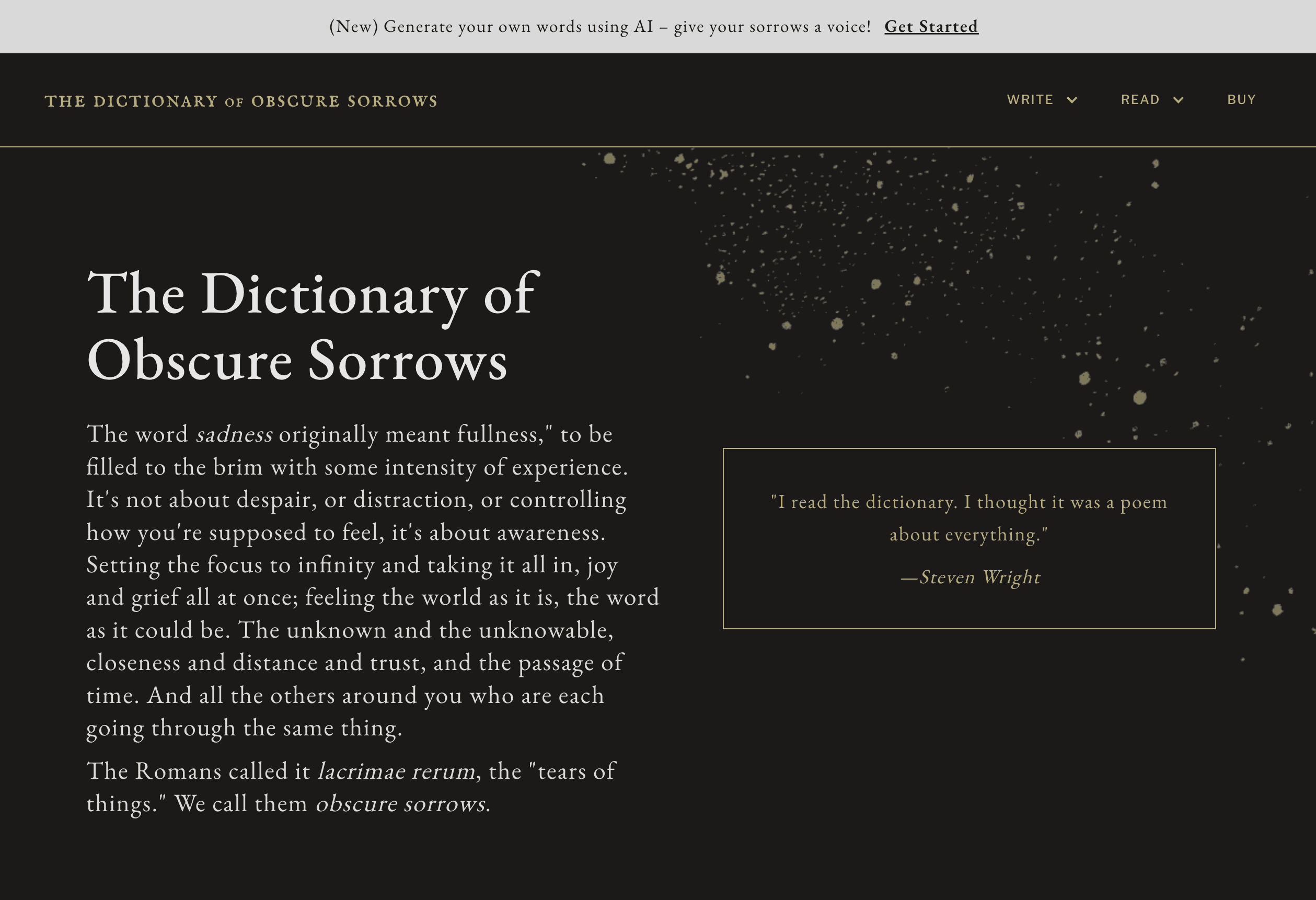
- Marketing agency Qontour copied all 311 entries from John Koenig's bestselling book without permission
- The fake site replaced original photo-collage art with DALL-E 2 generated images
- Koenig confirmed to Waxy.org he had no involvement with the unauthorized website
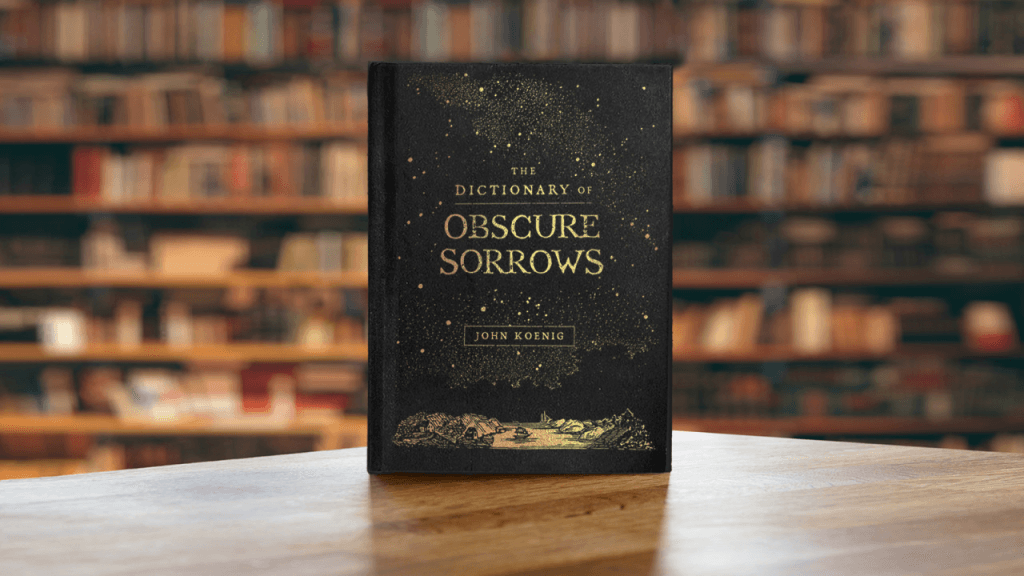
A San Francisco marketing agency built a polished website containing the entire text of John Koenig's New York Times bestselling book, The Dictionary of Obscure Sorrows, without his knowledge or permission. The site replaced Koenig's original artwork with AI-generated images and added a feature letting visitors create new entries using GPT-4. Koenig, who spent over a decade building the project, confirmed he had nothing to do with it.
The theft was first spotted by MetaFilter members who noticed something off about a newly circulating Dictionary of Obscure Sorrows website. The URL was almost identical to the original. Koenig's legitimate site lives at dictionaryofobscuresorrows.com. The copycat used thedictionaryofobscuresorrows.com.
What exactly was stolen?
Everything. The fake site includes Koenig's 800-word foreword, all 311 neologisms he coined, their definitions, etymologies, and accompanying essays. The agency essentially republished his entire book online for free, stripping out the original photo-collage illustrations that Koenig and collaborating artists created.
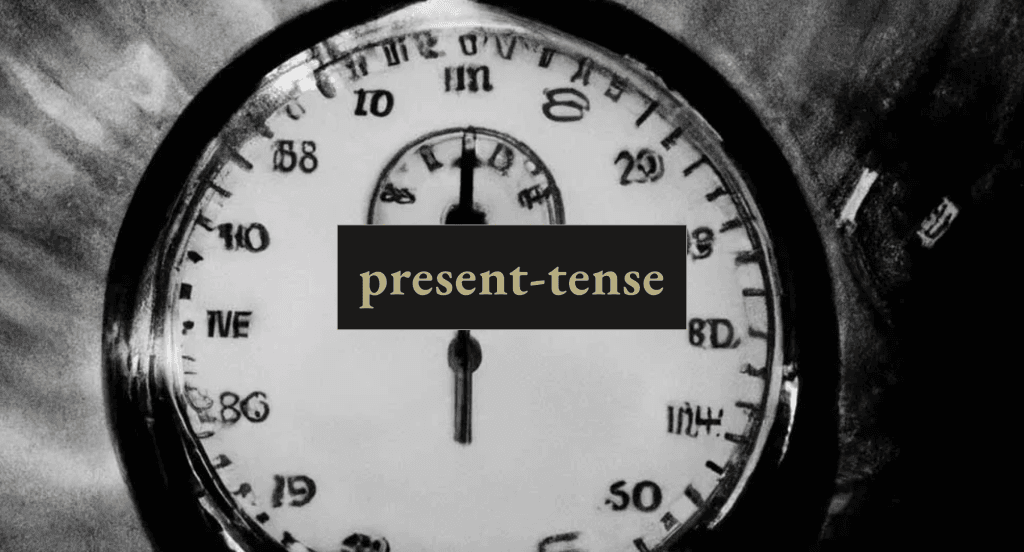
In their place: DALL-E 2 images riddled with the telltale artifacts of early AI image generation. Clocks with illegible numbers. Text that melts into gibberish. The site even added a "Submit A Sorrow" feature that uses GPT-4 to generate new words in Koenig's style, feeding them into a gallery of "User-Generated Sorrows."
Who did this?
The agency didn't try to hide. Qontour, formerly known as Prompt Digital, listed themselves in the site credits on every page. They even featured the project in their portfolio, describing how they "built the interactive digital platform" without any acknowledgment that the content belonged to someone else.
Andy Baio of Waxy.org reached out to Koenig directly to ask if he was involved. Koenig's response came within an hour: "Yeah man, I had nothing to do with it. Don't know what to think or do about that, as the site is pretty slick. Nicer than my own, really."
Why this case matters
Koenig started the Dictionary of Obscure Sorrows on Tumblr in 2009. Over the next decade, he created words for emotions that don't have names. "Sonder" became his breakout hit: the realization that every stranger you pass is living a life as vivid and complex as your own. The word spread so far beyond his project that it now appears in Dictionary.com and Merriam-Webster. Most people who use it have no idea a guy on Tumblr invented it in 2012.
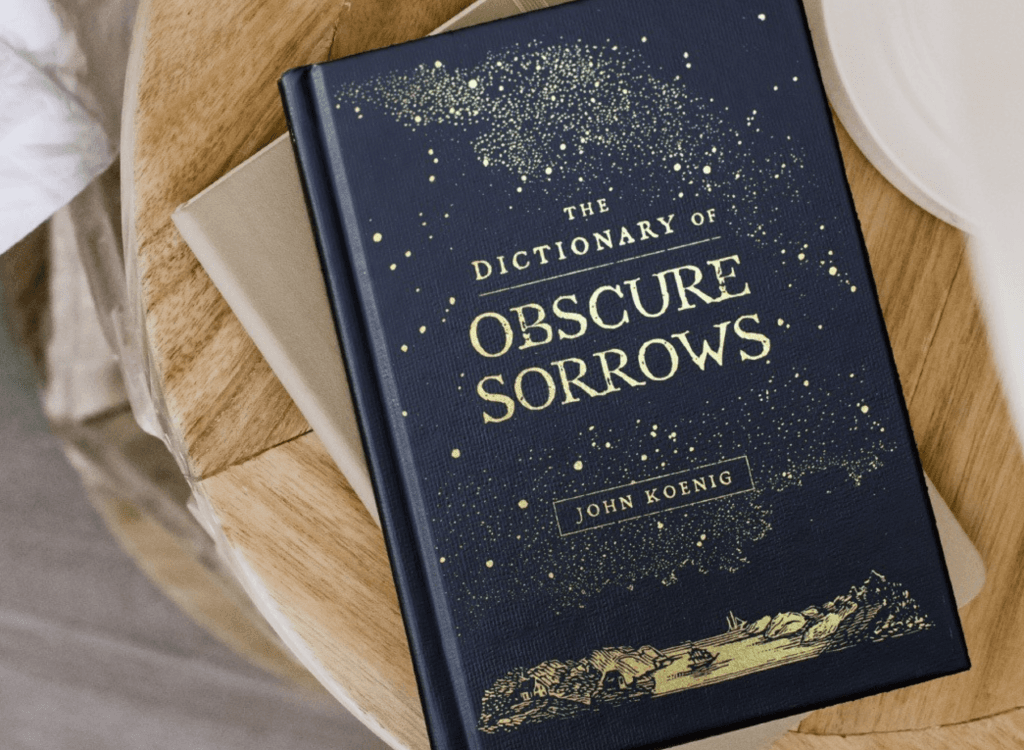
That viral success led to a book deal with Simon & Schuster. The book became a New York Times bestseller when it released in November 2021. And then, around August 2023, the copycat site appeared. No announcement from Koenig's official channels. No link from his Tumblr. Just a slick impostor.
The AI angle makes it worse
Koenig's project exists to "shine a light on the fundamental strangeness of being a human being." He invents words for feelings that require lived experience to understand. Wrapping that work in AI-generated imagery and GPT-generated contributions isn't just theft. It's a kind of conceptual vandalism.
The site encourages visitors to "Generate your own words using AI – give your sorrows a voice!" But an LLM trained on human writing cannot know what it's like to be human. It can mimic Koenig's style. It cannot feel the emotions his words describe.
What happens next?
Koenig's "don't know what to think or do about that" suggests he's still figuring out his response. Copyright law is clear: you can't reproduce an entire book without permission. But pursuing legal action against a marketing agency requires time, money, and energy that many creators don't have. The agency, meanwhile, is using stolen work to demonstrate their capabilities to potential clients.
The case illustrates a new pattern in AI-enabled plagiarism. It's not just about training models on copyrighted data. It's about using AI to launder stolen content, dressing it up with new imagery and interactive features to make it look like original work.
Logicity's Take
This is wholesale content theft dressed up as a tech demo. For businesses evaluating marketing agencies, Qontour's portfolio now includes a red flag they put there themselves. For creators, the lesson is grimmer: a decade of work can be cloned overnight, and the clone can look better than the original. The legal remedies exist, but they're slow. Public exposure may be faster.
Frequently Asked Questions
Is the Dictionary of Obscure Sorrows website legitimate?
Only dictionaryofobscuresorrows.com is John Koenig's official site. The copycat site thedictionaryofobscuresorrows.com was created without his permission by marketing agency Qontour.
Who created the word sonder?
John Koenig coined 'sonder' on his Tumblr blog in 2012 as part of his Dictionary of Obscure Sorrows project. It has since spread into common usage and appears in major dictionaries.
Can you copyright made-up words?
Individual words are generally not copyrightable, but the creative definitions, etymologies, and essays that accompany them are protected. Reproducing an entire book's content without permission is copyright infringement.
Did the marketing agency face consequences for the plagiarism?
As of the story's publication, John Koenig was still determining how to respond. The agency Qontour publicly credited themselves on the site and featured it in their portfolio.
Another case where AI systems produce unpredictable results that affect real people's work
Need Help Implementing This?
If you're a creator concerned about protecting your content or a business that needs to vet agencies before signing contracts, contact Logicity for guidance on due diligence and content protection strategies.
Source: Hacker News: Best / Andy Baio
Huma Shazia
Senior AI & Tech Writer
Produced with AI assistance and reviewed by the Logicity editorial team. Learn more in our Editorial Policy.




