Key Takeaways
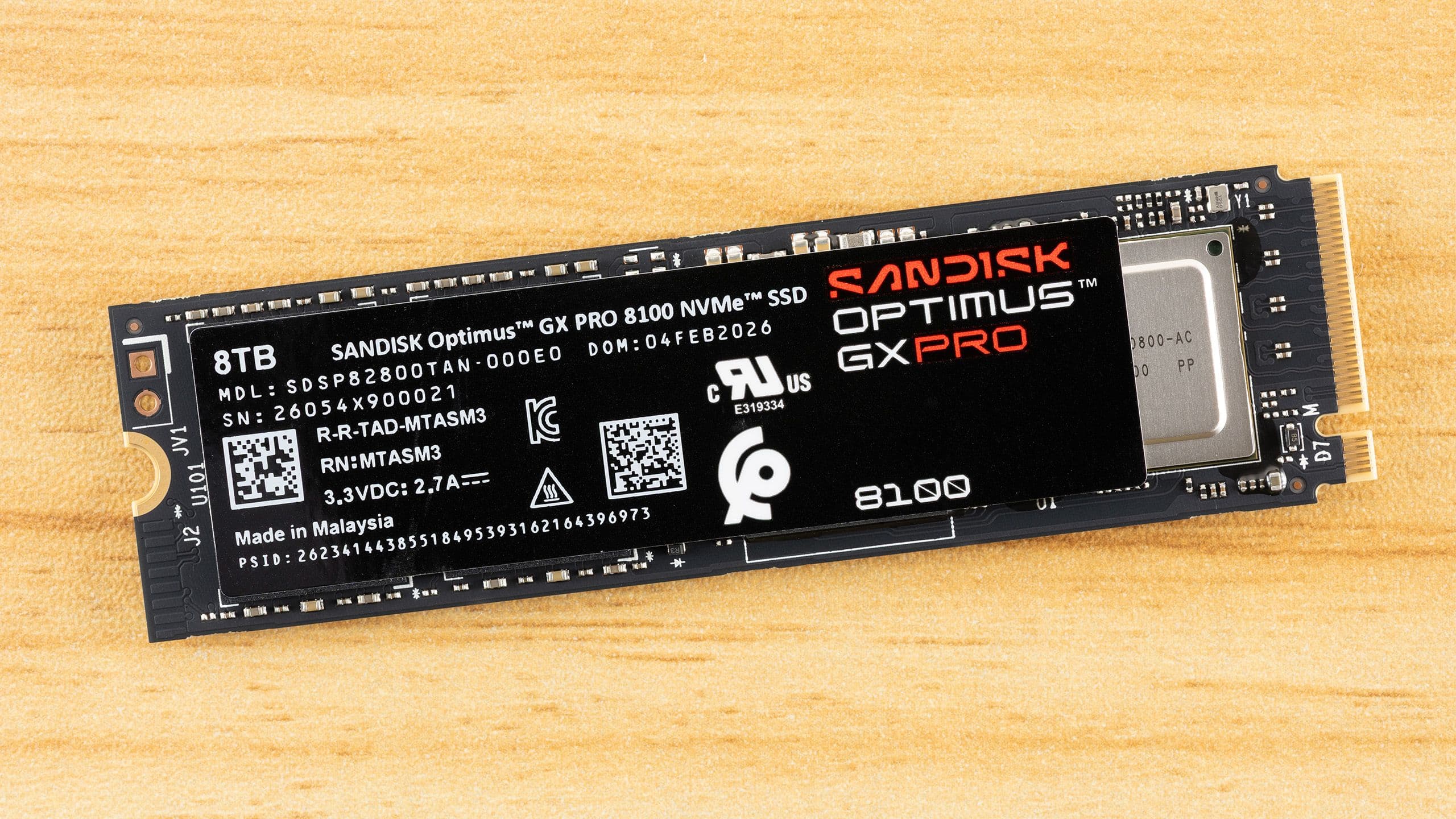
- The 8TB model delivers 14,900 MB/s sequential reads with exceptional random read latency
- Pricing starts at $350 for 1TB but jumps to $2,800 for the 8TB variant
- The WD Black SN8100 offers identical hardware at significantly lower prices
The SanDisk Optimus GX Pro 8100 is the WD Black SN8100 with a different label and one critical addition: an 8TB capacity option. Tom's Hardware's testing confirms what the specs promise. This drive hits 14,900 MB/s sequential reads, maintains exceptionally low random read latency, and does it all while staying power-efficient. The catch? The 8TB model costs $2,800.
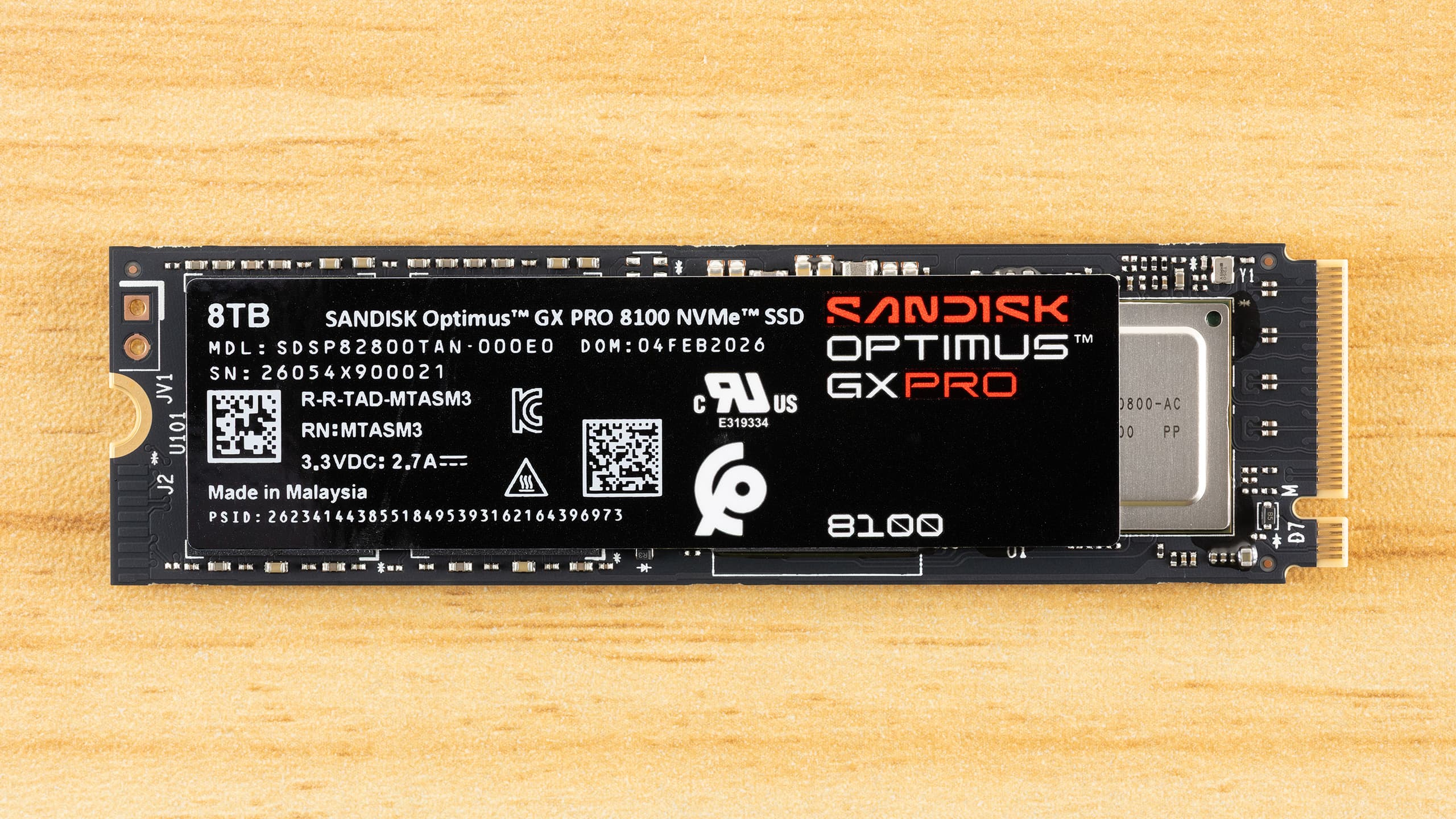
That price positions this drive firmly outside consumer territory. For most users, even enthusiasts, it's overkill. But for AI researchers loading massive training datasets, video editors cutting 8K footage, or anyone who needs both speed and capacity without compromise, the Optimus GX Pro 8100 fills a gap that few competitors can touch.
What makes the Optimus GX Pro 8100 different from other 8TB drives?
High-capacity PCIe 5.0 drives have been promised for over a year. Kingston said an 8TB Fury Renegade G5 was coming. Phison E28-based drives were supposed to hit this capacity. Neither has materialized. The only other 8TB PCIe 5.0 option Tom's Hardware has tested is the Samsung 9100 Pro, and if you missed the sale price, the comparison stings.
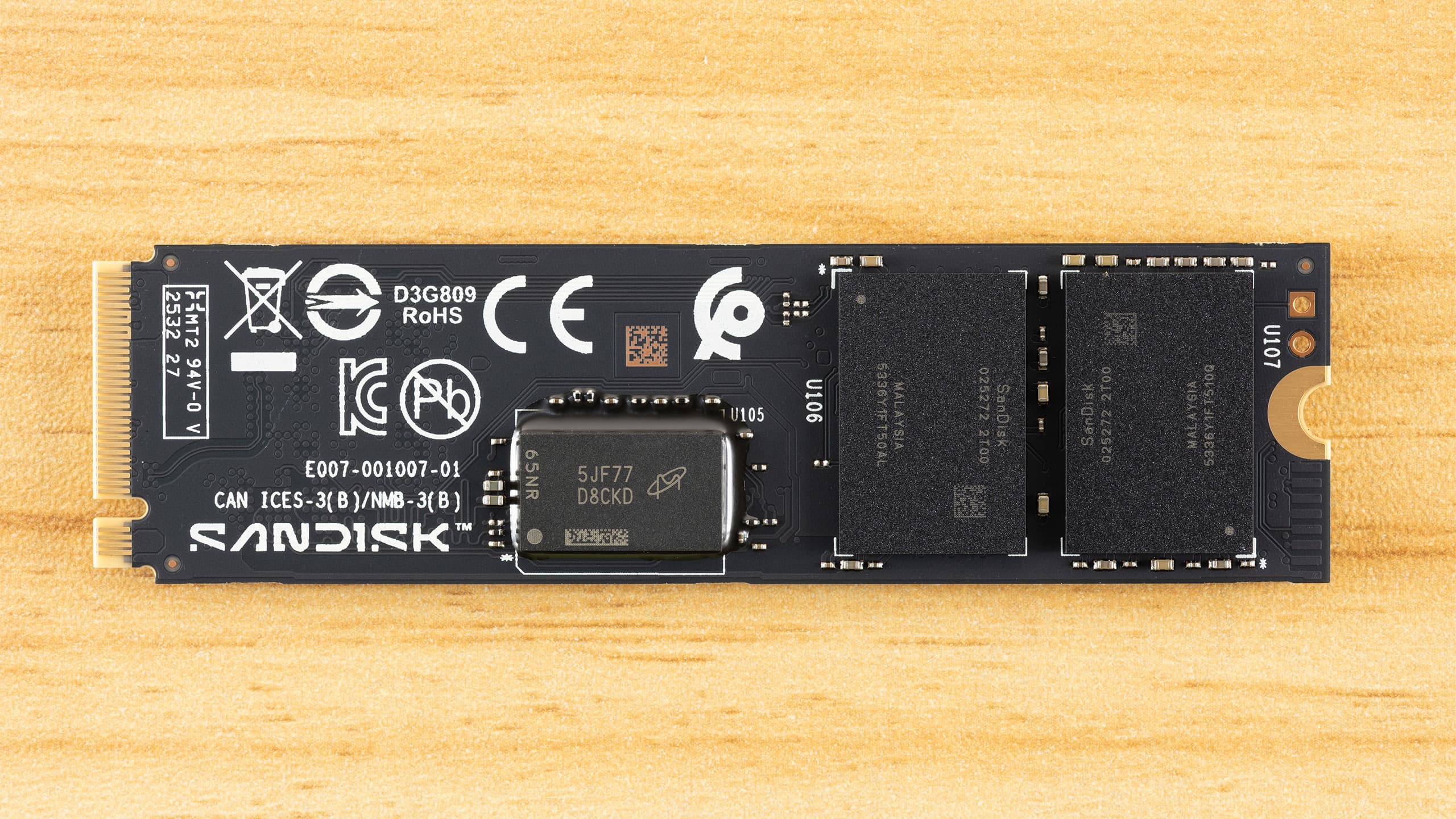
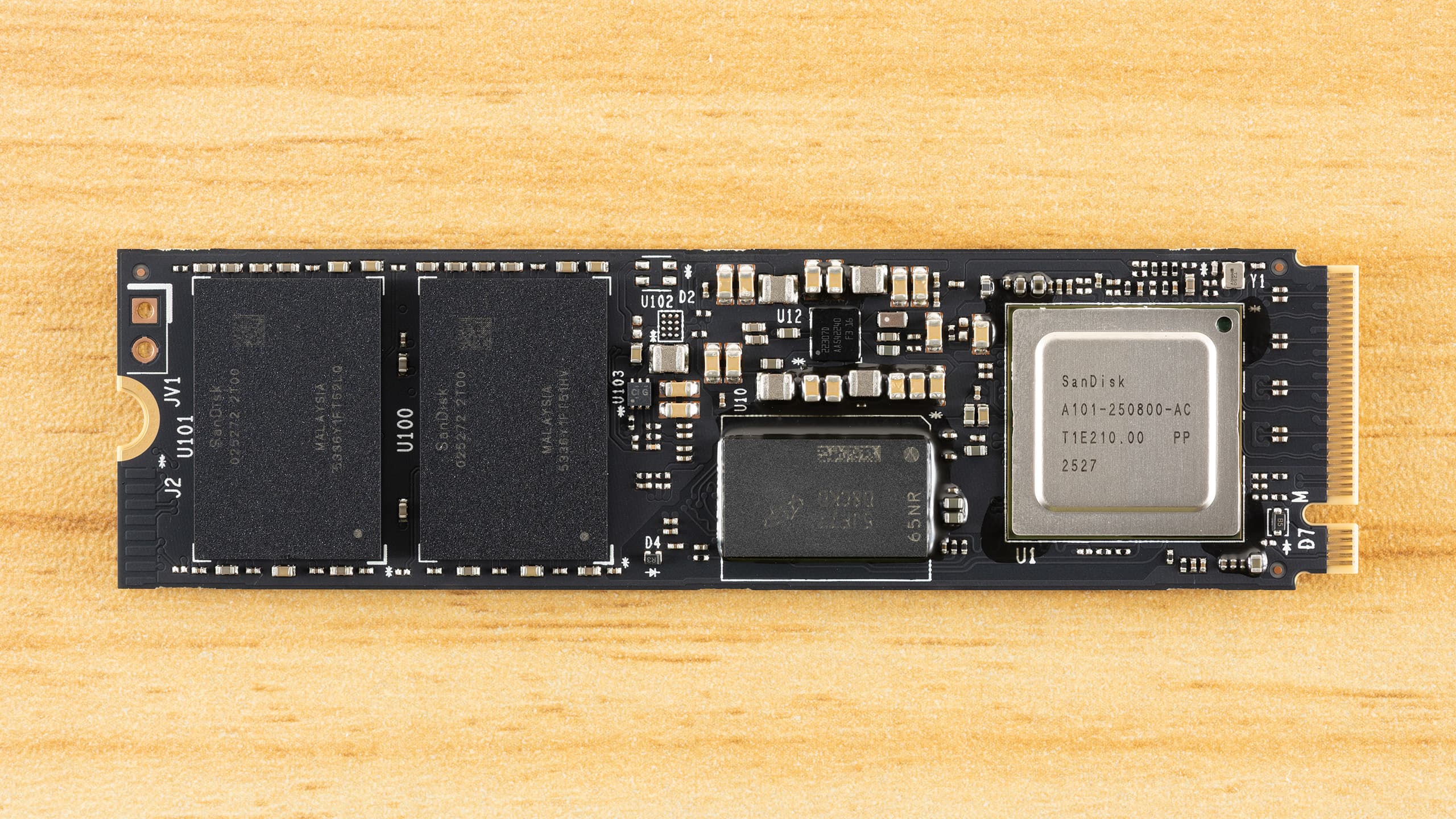
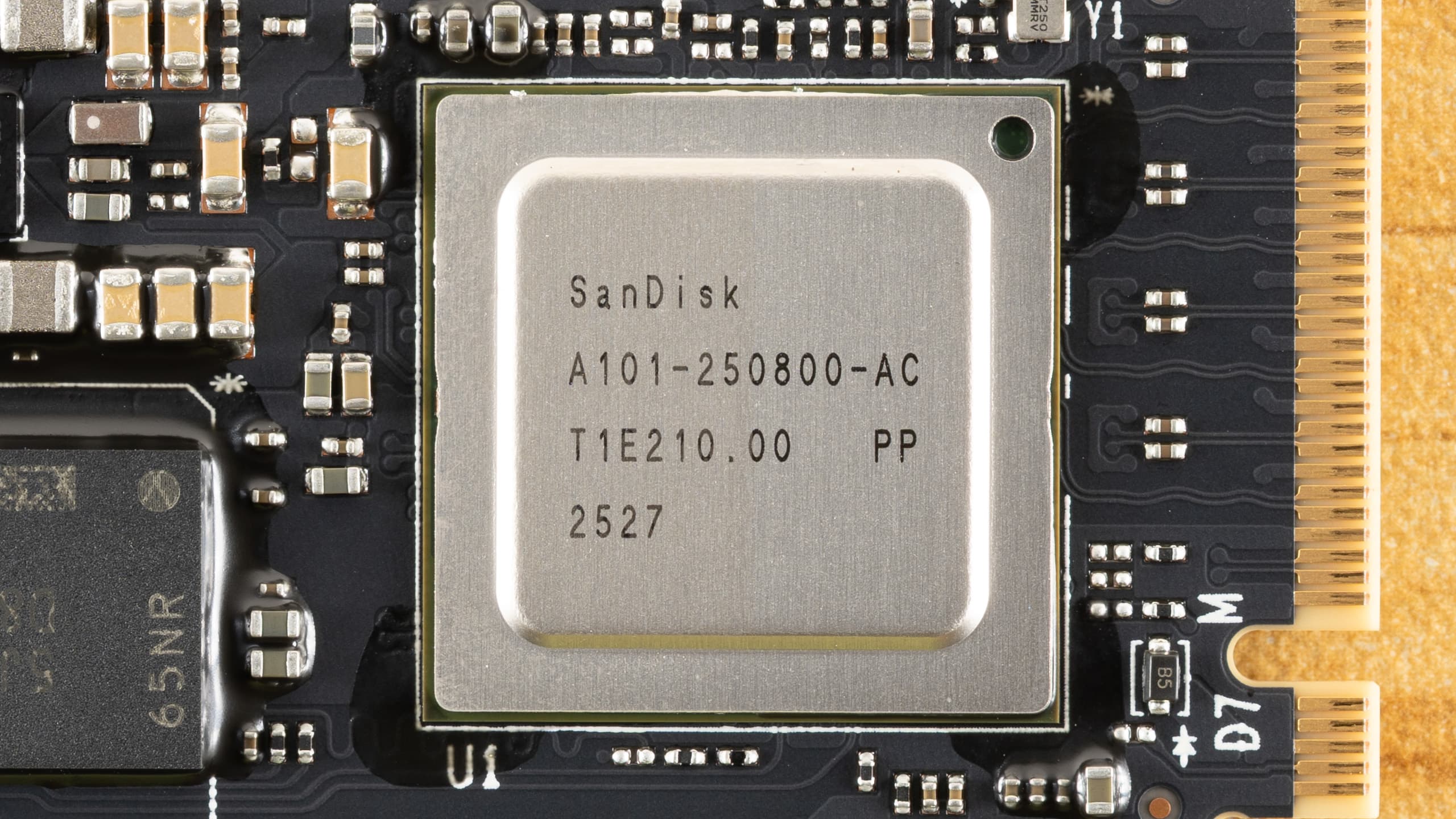
The Optimus GX Pro 8100 runs on Silicon Motion's SM2508 controller paired with Kioxia's 218-layer BiCS8 TLC NAND. This combination delivers consistent performance across all capacity tiers. The 8TB model pushes 14,900 MB/s reads, 13,200 MB/s writes, and 2,200K random read IOPS. These aren't just marketing numbers. The review confirms the drive maintains this performance under sustained loads, a weakness in many high-density SSDs.
Endurance is equally impressive. The 8TB variant carries a 4,800 TBW rating, meaning you could write 2.6TB per day, every day, for five years before exceeding the warranty. That's enterprise-grade durability in a consumer form factor.
How do prices compare across the lineup?
Here's where the math gets interesting. The Optimus GX Pro 8100 and WD Black SN8100 share identical internals. Same controller, same NAND, same performance. But the pricing diverges sharply.
| Capacity | Optimus GX Pro 8100 | WD Black SN8100 |
|---|---|---|
| 1TB | $350 | $260 |
| 2TB | $695 | $440 |
| 4TB | $1,340 | $790 |
| 8TB | $2,800 | $1,800 |
The price gap is massive. At 8TB, you're paying $1,000 more for the SanDisk branding. Unless the Optimus line sees significant price cuts, there's no logical reason to choose it over the WD Black SN8100. Both carry five-year warranties. Both come from Western Digital's ecosystem.
Who should actually buy this drive?
The honest answer: very few people. Tom's Hardware notes the drive excels at random read latency, which matters for database workloads and AI inference tasks. The sustained write performance handles large file transfers without throttling. Power efficiency keeps thermals manageable even under extended use.
But at $2,800 for 8TB, you need to genuinely require both the capacity and the speed. Content creators working with uncompressed 8K footage, AI engineers training models locally, or simulation workloads that read massive datasets repeatedly. For gaming? For general productivity? The WD Black SN850X at 8TB offers PCIe 4.0 speeds at a fraction of the cost.
What about the heatsink?
SanDisk offers the drive with an optional heatsink, adding $20 to $50 depending on capacity. Tom's Hardware recommends skipping it. Most motherboards include M.2 heatsinks, and aftermarket options provide better cooling for less money. The 1TB variant is the only SKU where the bundled heatsink makes financial sense.
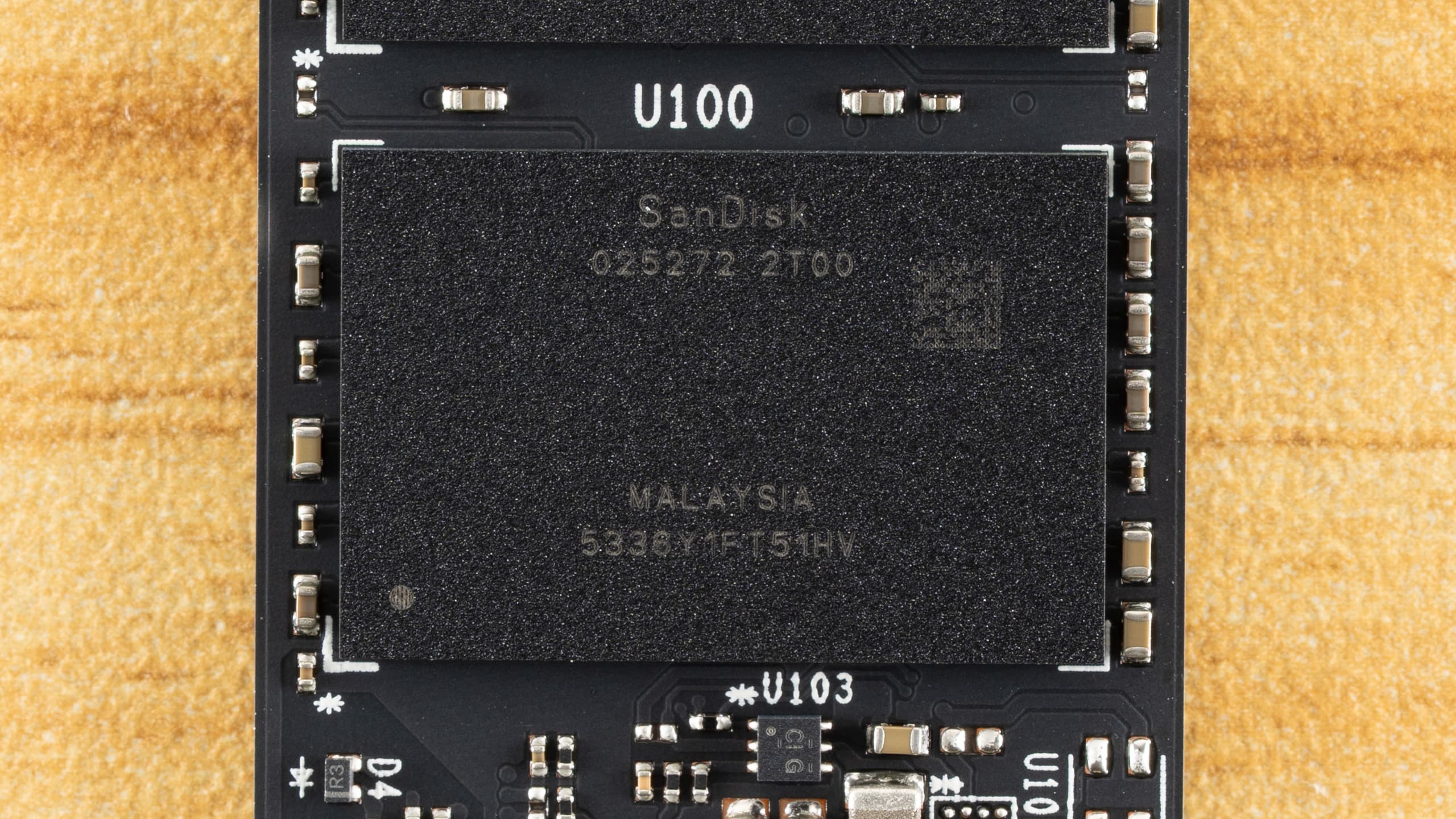
One hardware note: the 8TB model uses a double-sided design, while smaller capacities are single-sided. This might cause clearance issues with some low-profile M.2 heatsinks or tightly spaced laptop slots. Check your mounting depth before ordering.
Should you wait for alternatives?
Kingston and Phison-based manufacturers have promised 8TB PCIe 5.0 drives for months. None have shipped. If you need this capacity and speed now, the Optimus GX Pro 8100 or its cheaper WD Black SN8100 sibling are your only real options outside Samsung's 9100 Pro. Waiting might save money, but there's no timeline for when competitors will actually deliver.
Logicity's Take
The Optimus GX Pro 8100 is a technical achievement wrapped in a pricing problem. Unless you're buying through enterprise channels where SanDisk branding matters for support contracts, the WD Black SN8100 offers identical performance for $1,000 less at 8TB. The drive itself is excellent. The value proposition, in its current form, is not.
Frequently Asked Questions
Is the SanDisk Optimus GX Pro 8100 the same as the WD Black SN8100?
Yes, internally they're identical. Same Silicon Motion SM2508 controller, same Kioxia 218-layer BiCS8 NAND, same performance specs. The only differences are branding and pricing, with the WD version costing significantly less across all capacities.
What workloads benefit most from 8TB PCIe 5.0 storage?
AI training with large datasets, 8K video editing with uncompressed footage, scientific simulations, and database applications that require both high capacity and low latency. Gaming and general productivity don't need speeds this high.
Does the 8TB model fit in all M.2 slots?
The 8TB variant uses a double-sided design, which may cause clearance issues with some motherboard heatsinks or laptop M.2 slots. The 1TB through 4TB models are single-sided and fit standard M.2 2280 slots without issue.
How does the Optimus GX Pro 8100 compare to Samsung's 9100 Pro?
Both offer 8TB PCIe 5.0 performance. Tom's Hardware notes the SanDisk has better random read latency, while the Samsung occasionally appears on sale at lower prices. The WD Black SN8100 undercuts both.
Understanding semiconductor manufacturing advances that enable high-density NAND like the 218-layer flash in this drive
Need Help Implementing This?
Planning a high-capacity storage deployment for AI workloads or content production? Logicity can connect you with enterprise storage consultants who specialize in PCIe 5.0 infrastructure. Contact our team for vendor-neutral guidance on balancing performance, capacity, and budget.
Source: Latest from Tom's Hardware
Huma Shazia
Senior AI & Tech Writer
Produced with AI assistance and reviewed by the Logicity editorial team. Learn more in our Editorial Policy.