Key Takeaways
- Samsung's 78,000 semiconductor workers will share 10.5% of operating profit, totaling an estimated $22.6 billion
- Memory chip workers specifically could receive bonuses averaging $400,400 under the new agreement
- The deal mirrors SK Hynix's profit-sharing structure from last year, which promised 10% of profits for a decade
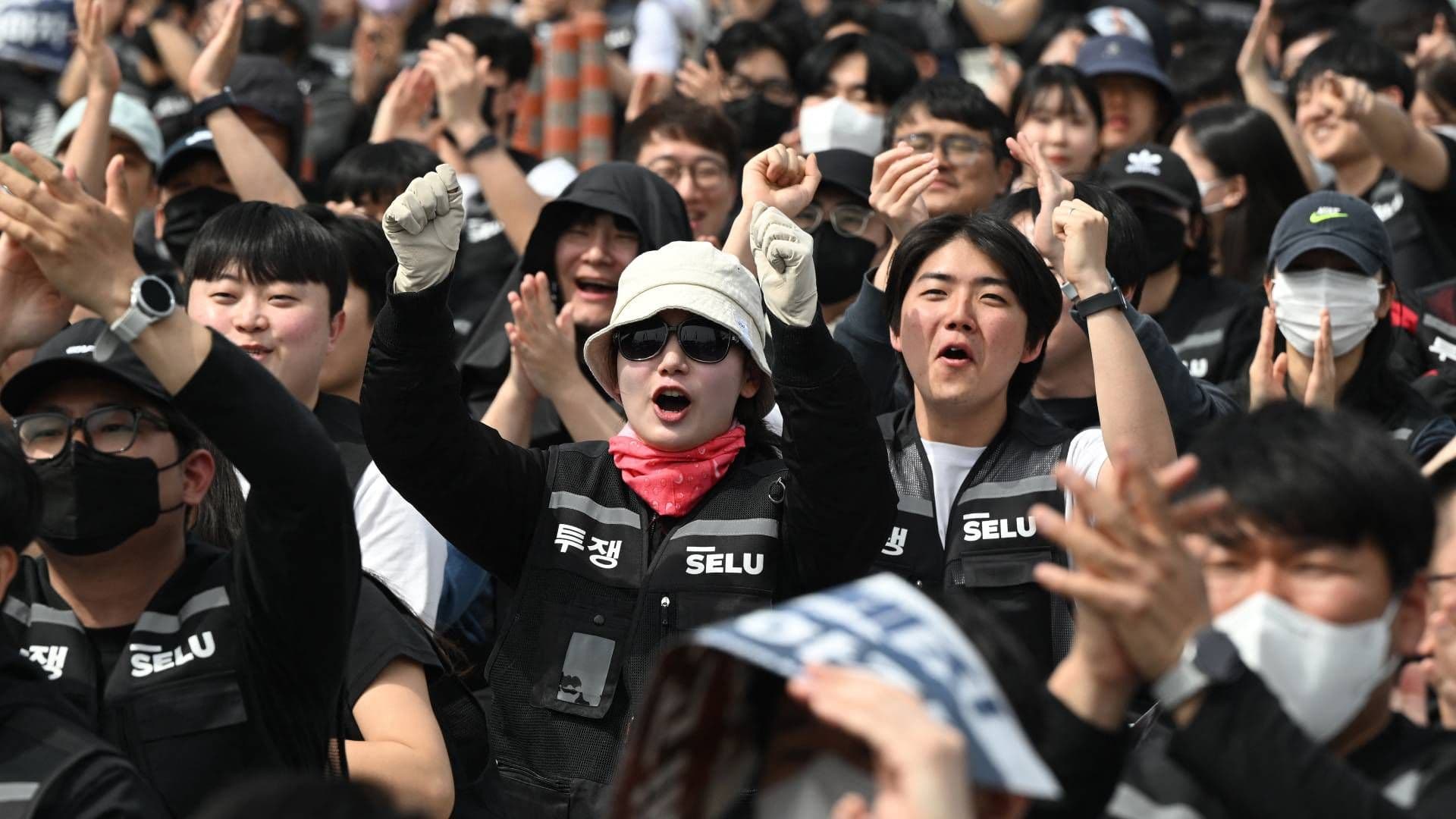
Samsung's semiconductor workers just locked in one of the most generous profit-sharing agreements in tech history. The deal, ratified by 74% of union members, will distribute 10.5% of the division's operating profits to 78,000 employees. Average payout: $340,000 per worker.
The agreement came together at the last possible moment. Samsung's labor union had scheduled an 18-day general strike starting May 21, 2026. A strike of that length would have cost the South Korean economy an estimated 1 trillion won ($730 million) daily, according to industry projections. More critically, it would have disrupted production of High Bandwidth Memory chips that power AI systems worldwide.
How the Bonus Structure Works
The $22.6 billion bonus pool (34 trillion South Korean won) will not be split evenly. Forty percent goes into an equal distribution for all workers. The remaining 60% gets allocated based on departmental performance.
This tiered approach means some workers will take home significantly more than others. Financial Times estimates put memory chip workers at roughly $400,400 in bonuses, higher than the company-wide $340,000 average. Workers in less profitable divisions will receive proportionally less.
The deal also includes a 6.2% average wage increase across the semiconductor division. Combined with the profit-sharing component, total compensation jumps substantially for workers in Samsung's most strategically important business unit.
“This agreement is a testament to the essential nature of our workforce in maintaining global dominance in the semiconductor sector. It reflects the value created during this AI-driven hardware boom.”
— Park Sang-hyun, Senior Industry Analyst at Seoul Tech Insights
The SK Hynix Effect
Samsung's deal follows a template set by rival SK Hynix last year. That company promised its workers 10% of operating profits for the next decade. The results transformed how South Korean society views semiconductor workers.
According to the Chosun Daily, SK Hynix employees rose to the same status as doctors and lawyers in the South Korean marriage market after their profit-sharing bonuses hit bank accounts. It sounds like a joke, but in a culture where profession heavily influences social standing, sudden six-figure windfalls shift perceptions.
Samsung workers noticed. A number of employees left for SK Hynix after the rival's deal went public. Samsung's slightly less generous terms (10.5% vs 10%, but a different profit base and distribution formula) might not fully stop that talent drain. When your competitor's workers are pulling comparable bonuses with better job security optics, staying put becomes a harder sell.
Why This Deal Happened Now
Samsung's semiconductor division sits at the center of the AI hardware boom. The company's High Bandwidth Memory chips are essential components in AI accelerators and data center GPUs. Disrupting that supply chain would ripple through every major AI company's production timeline.
That leverage gave the union real bargaining power. A strike would not just hurt Samsung. It would delay AI infrastructure buildouts globally. Both sides understood this, which explains why negotiations intensified in the final days before the strike deadline.
The timing also reflects Samsung's market position. As a member of the $1 trillion market capitalization club, the company can afford profit-sharing at this scale. The question is whether this sets expectations that become harder to meet during semiconductor down-cycles.
Internal Tensions Remain
Not everyone at Samsung celebrates equally. Discussions on Reddit's r/technology highlight a growing "bonus gap" between the semiconductor division and other departments. Workers in appliances, TVs, and mobile devices do not benefit from the same profit-sharing structure.
This disparity creates friction inside the company. The semiconductor division generates most of Samsung's profits right now, but workers in other units helped build the brand and infrastructure that supports those profits. Explaining why some colleagues get $400,000 bonuses while others get standard compensation is a management challenge that doesn't disappear with a press release.
Broader Implications for Tech Workers
Samsung's deal demonstrates what collective bargaining can achieve in industries where workers hold genuine leverage. Memory manufacturing expertise is scarce. Semiconductor fabs require years of operational knowledge that cannot be quickly replaced. That scarcity translated into negotiating power.
Contrast this with recent moves elsewhere in tech. Three years after laying off more than 1,000 employees, Hasbro and Wizards of the Coast have begun sending daily emails and physical letters encouraging remaining workers not to unionize. Game developers marched at this year's GDC to propose a "Game Workers' Bill of Rights."
Few unions will secure deals as generous as Samsung or SK Hynix's workers. Those companies sit at a unique intersection of high profits, irreplaceable expertise, and supply chain criticality. But the principle holds: workers who can credibly disrupt essential production have leverage that translates into compensation.
Logicity's Take
Samsung's profit-sharing deal marks a turning point in how semiconductor companies compensate workers during AI-driven booms. The real test comes when chip cycles inevitably turn downward. Workers accustomed to six-figure bonuses will expect continued profit-sharing even when profits shrink. Samsung just raised the floor for what retention costs in an industry where expertise is the scarcest resource.
What Happens Next
The immediate strike threat is gone. Samsung's HBM chip production continues without interruption. AI companies relying on those chips can exhale.
Longer term, this deal becomes the benchmark for future negotiations across the semiconductor industry. Taiwan's TSMC, Intel's fab operations, and other memory manufacturers will face workers pointing to Samsung and SK Hynix as evidence of what's possible. Whether those companies operate in labor environments that permit such outcomes is another question.
For Samsung specifically, the challenge is managing expectations. A $22.6 billion bonus pool assumes continued high profits in memory chips. If AI demand plateaus or competition intensifies, maintaining this profit-sharing level becomes harder. The deal creates stability today while potentially seeding future conflicts.
More on Samsung's latest strategic initiatives
How AI is reshaping business operations globally
Frequently Asked Questions
How much will Samsung workers receive in bonuses under the new deal?
The average bonus across Samsung's semiconductor division is $340,000. Memory chip workers specifically could receive approximately $400,400 based on Financial Times projections. The total bonus pool amounts to $22.6 billion distributed among 78,000 workers.
Why did Samsung agree to such a generous profit-sharing deal?
Samsung faced an 18-day strike that would have disrupted production of High Bandwidth Memory chips critical to AI systems globally. The strike could have cost the South Korean economy $730 million daily. The company's $1 trillion market cap also means it can afford profit-sharing at this scale during the current AI boom.
How does Samsung's deal compare to SK Hynix's profit-sharing?
SK Hynix promised workers 10% of operating profits for the next decade. Samsung's deal offers 10.5% of semiconductor division profits, with 40% distributed equally and 60% based on departmental performance. The slight structural differences mean SK Hynix workers may still receive higher per-person payouts in some cases.
Will all Samsung employees receive these bonuses?
No. The profit-sharing deal applies specifically to the semiconductor division's 78,000 workers. Employees in other divisions like appliances, TVs, and mobile devices do not benefit from the same structure, which has created internal tensions.
What percentage of union members voted to approve the deal?
74% of Samsung's semiconductor union members voted in favor of the profit-sharing agreement, clearing the threshold needed to ratify the deal and cancel the planned strike.
Need Help Implementing This?
Understanding labor dynamics and compensation structures in the tech industry matters for hiring, retention, and strategic planning. If you're navigating similar workforce challenges or want to discuss how these trends affect your business, reach out to Logicity's team for analysis and insights.
Source: PCGamer latest
Manaal Khan
Tech & Innovation Writer
Produced with AI assistance and reviewed by the Logicity editorial team. Learn more in our Editorial Policy.