Key Takeaways
- Samsung is running a 100-person clinical trial with MGH to test if Galaxy Watch 8 can help GLP-1 patients preserve muscle mass
- Over 30% of weight lost on GLP-1 drugs like Ozempic comes from muscle, not fat
- The study will compare wearable-guided exercise against standard treatment over six months
What Samsung Is Testing
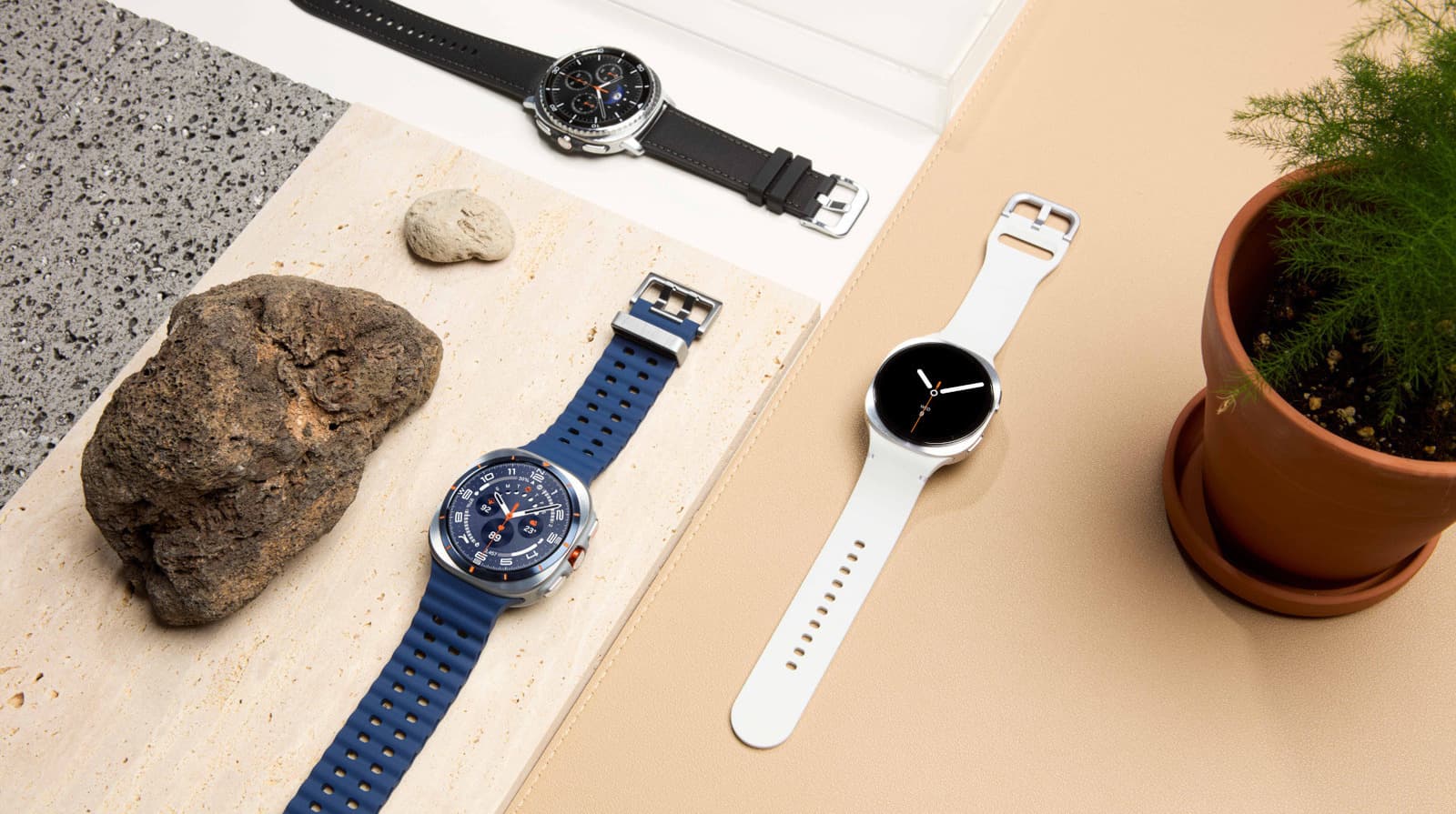
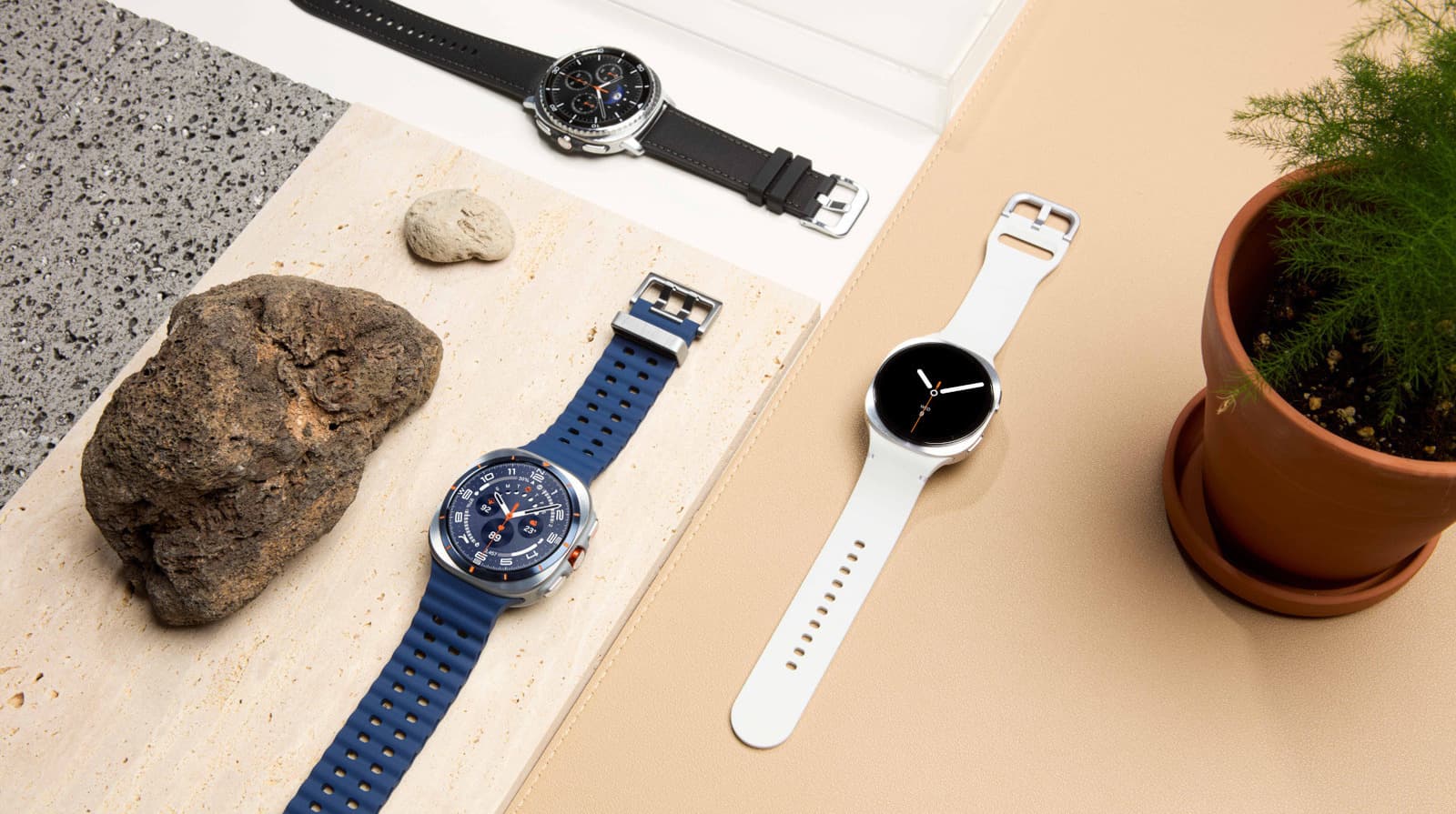
Samsung has partnered with the Massachusetts General Hospital Diabetes Research Center to run a clinical trial on GLP-1 patients. The goal: figure out if the Galaxy Watch 8 can help people on drugs like Ozempic keep their muscle mass while losing weight.
The study, called BICEP, will enroll 100 adults who are just starting GLP-1 treatment. Half will use the Galaxy Watch 8 to monitor body composition, track activity, and receive personalized exercise guidance. The other half will get standard treatment advice. Researchers will use clinical-grade DXA scans to measure actual changes in body composition over six months.
Dr. Melissa Putman, who leads the MGH Diabetes Research Center, will direct the study. She called muscle loss on GLP-1 medications a serious concern that can increase cardiovascular disease risk and lower basal metabolic rate. That metabolic drop makes future weight regain more likely.
“The study is a critical step in exploring how continuous biometric data can provide clinicians with a more comprehensive view of a patient's health compared to sporadic clinic visits.”
— Dr. Melissa Putman, Director of the MGH Diabetes Research Center
Why Muscle Loss on GLP-1 Matters
GLP-1 receptor agonists like Ozempic, Wegovy, and Zepbound are effective for weight loss. They also cause patients to lose significant lean muscle mass alongside fat. According to Mayo Clinic's Dr. David N. Brennan, over 30% of weight lost on these medications can come from muscle.
That muscle loss creates two problems. First, it lowers the patient's basal metabolic rate, making weight maintenance harder after stopping treatment. Second, researchers from the University of Virginia found that losing lean body mass increases cardiovascular disease risk and can diminish quality of life, particularly when axial muscle, which supports posture and physical function, is affected.
The bigger concern: patients often regain weight after stopping GLP-1 drugs, but they don't always regain the muscle. This creates a worse body composition than before treatment.
How the Galaxy Watch 8 Fits In
The Galaxy Watch 8, released last year, includes Bioelectrical Impedance Analysis (BIA) sensors that estimate body composition. Samsung Health uses this data alongside activity tracking and heart rate monitoring to build a picture of the wearer's physical state.
In the trial, participants in the intervention group will use the watch to track their body composition over time. Samsung Health will provide personalized exercise guides designed to help preserve muscle mass. The control group will receive standard guidance, which typically includes general advice about diet and activity without continuous monitoring.
Samsung referenced a KFF poll showing nearly one in five US adults has taken a GLP-1 drug at some point for Type 2 diabetes or weight loss. With that level of adoption, wearable features targeting GLP-1 users represent a meaningful product opportunity.
Community Reaction
Discussion on Reddit's r/GalaxyWatch and r/Ozempic communities has been cautious but interested. Users note that the watch's sensor technology is impressive, but the real test is whether personalized exercise guidance can actually motivate users to build muscle while on drugs that significantly reduce appetite.
Tech enthusiasts on Hacker News pointed out the broader implications. If wearables can demonstrate clinical value in trials like this, they move closer to being classified as clinical-grade medical equipment rather than consumer gadgets.
What Happens Next
The trial will run for six months. Results will show whether continuous wearable monitoring and guided exercise can meaningfully change muscle preservation outcomes compared to standard care. If successful, Samsung could integrate these features more prominently into future Galaxy Watch releases and Samsung Health.
For now, this is still research, not a consumer feature. But it signals where Samsung sees opportunity: healthcare applications that go beyond step counting.
Logicity's Take
Another wearable company expanding into clinical health features
AI-driven health and home monitoring trends
Frequently Asked Questions
Can the Galaxy Watch 8 currently help with GLP-1 muscle loss?
Not yet as a dedicated feature. Samsung is running a clinical trial to see if the watch's body composition sensors and exercise guidance can help. Results are expected after six months.
How much muscle do people lose on Ozempic?
According to Mayo Clinic, over 30% of total weight lost on GLP-1 medications can come from muscle rather than fat.
What is BIA on the Galaxy Watch 8?
Bioelectrical Impedance Analysis (BIA) uses small electrical signals to estimate body composition, including muscle mass, fat percentage, and body water.
Who is running the Samsung GLP-1 study?
Dr. Melissa Putman at the Massachusetts General Hospital Diabetes Research Center is leading the 100-person trial.
When will results from the Galaxy Watch 8 GLP-1 trial be available?
The trial runs for six months, so results should emerge in late 2026 or early 2027.
Need Help Implementing This?
Source: Engadget
Huma Shazia
Senior AI & Tech Writer
Produced with AI assistance and reviewed by the Logicity editorial team. Learn more in our Editorial Policy.