Key Takeaways
- Galaxy Z Fold 8 weighs 201g with a passport-sized design and reduced screen crease
- Samsung introduced its first 'Ultra' foldable with new flex titanium material
- Galaxy Watch 9 and Watch Ultra 2 join the lineup alongside teased smart glasses
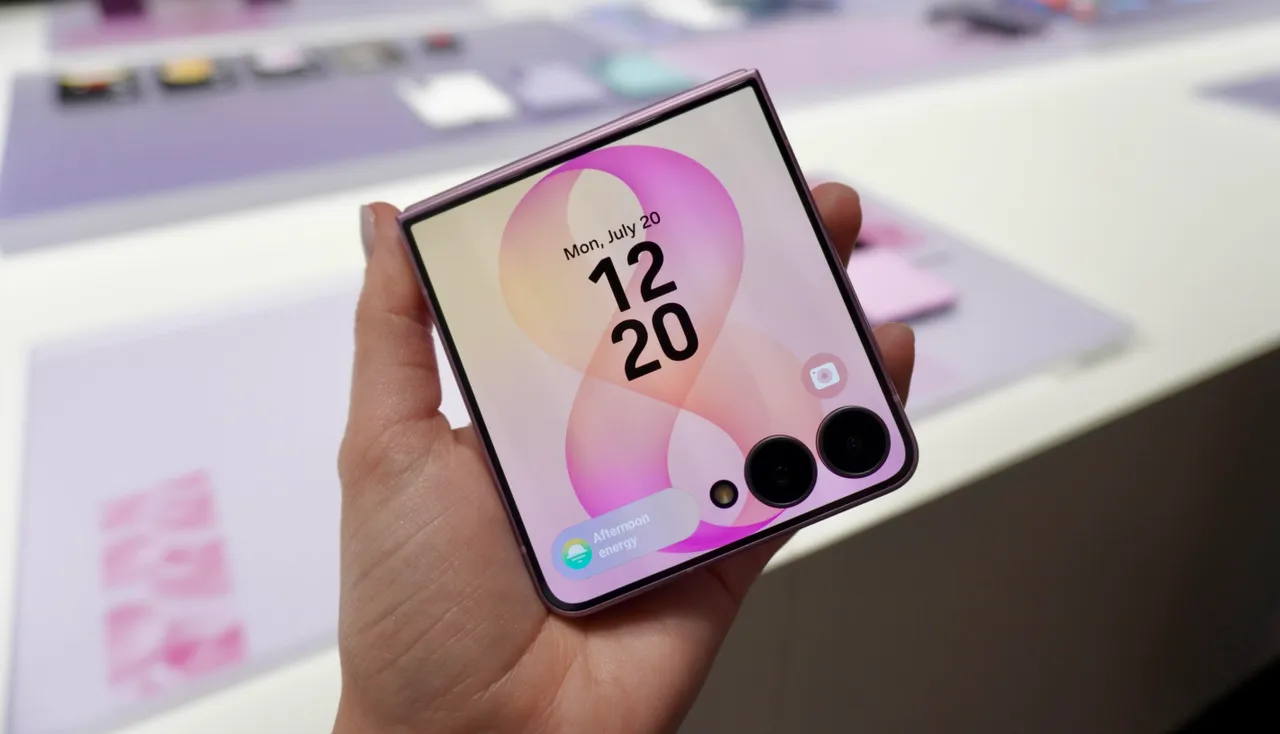
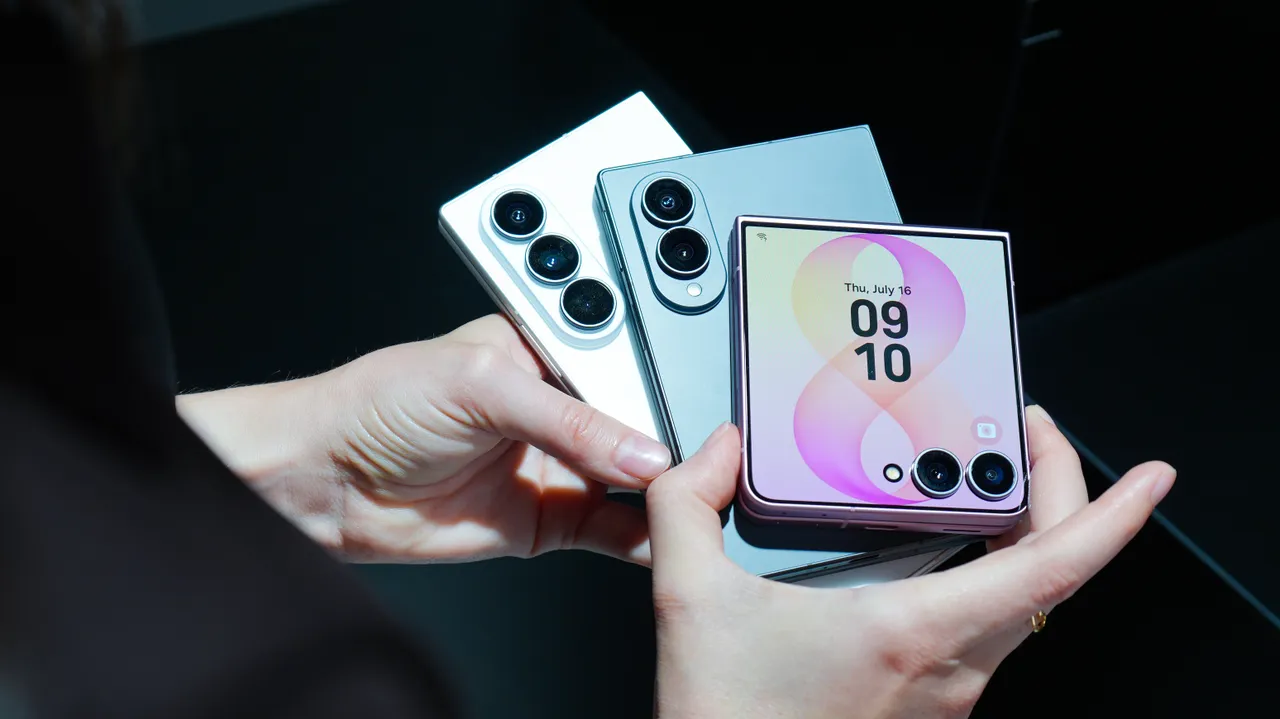
Samsung held its Unpacked 2026 event in London on July 22, announcing three foldable smartphones, two smartwatches, and teasing smart glasses. The headline product is the Galaxy Z Fold 8, which Samsung says is its lightest foldable yet at 201 grams. The company also debuted its first "Ultra" foldable and claimed meaningful progress on the crease problem that has plagued folding displays since 2019.
The timing matters. Apple's rumored foldable iPhone is expected this fall, and Samsung is racing to lock in its seven-year head start in the category. With over 70% of the global foldable market, Samsung can't afford a weak generation. This launch is its answer.
What's new with the Galaxy Z Fold 8?
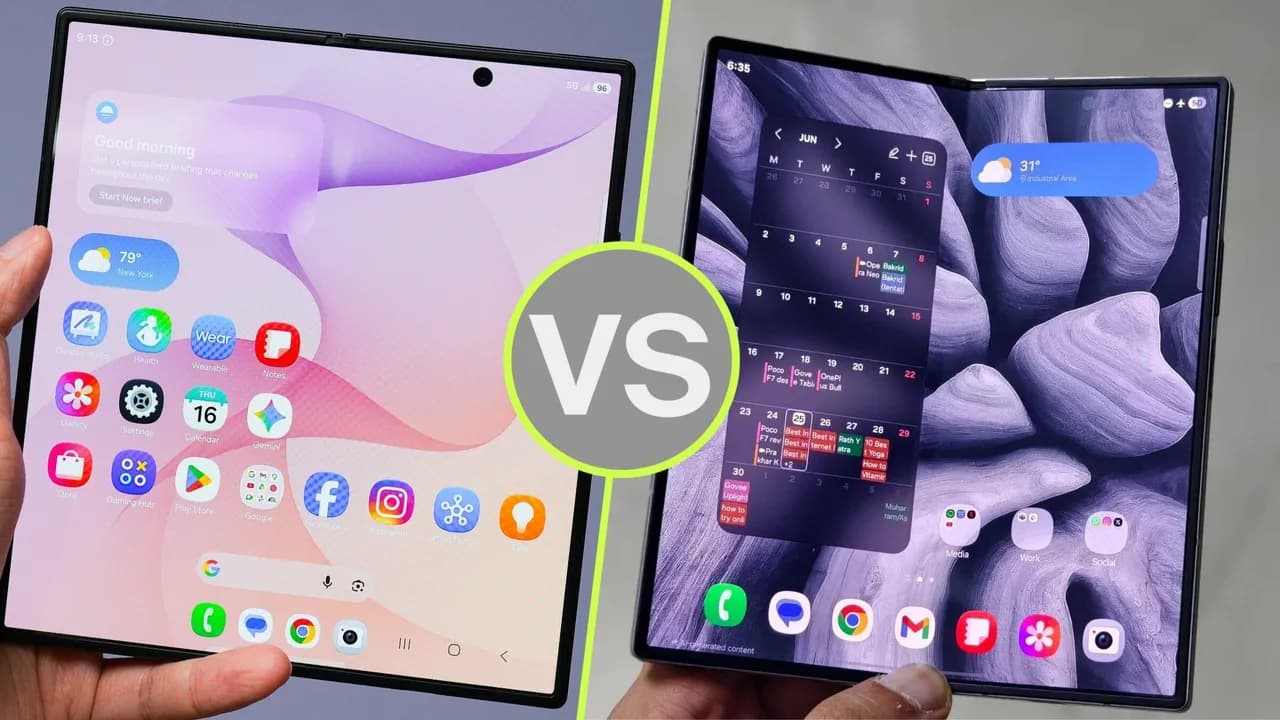
The Galaxy Z Fold 8 breaks from previous designs with a passport-sized form factor. Closed, it measures 9.7mm thick. Open, just 4.5mm. Samsung redesigned the aspect ratios: the cover screen runs 10:16 for quick tasks like messaging, while the main display opens to a 4:3 ratio for video and gaming.
Battery capacity jumps from 4,400mAh in the Z Fold 7 to 4,800mAh. The phone runs on Qualcomm's Snapdragon 8 Elite Gen 5 for Galaxy chipset. Camera setup includes dual 50MP wide-angle rear sensors, a 10MP main camera, and a 10MP selfie camera.
The crease, long the most visible compromise in foldable design, has improved. Samsung introduced a "flex titanium" material combining a titanium-alloy film with a titanium plate. ZDNET's Adam Doud, reporting from the event, called it "the best Samsung has ever shipped."
Galaxy Z Fold 8 Ultra: Samsung's first Ultra foldable
Samsung extended its "Ultra" branding to foldables for the first time. The Galaxy Z Fold 8 Ultra targets power users willing to pay more for premium materials and additional camera capabilities. The flex titanium construction appears across both Fold 8 models, but the Ultra pushes build quality further.
Full specs weren't detailed in Samsung's initial announcements, but the Ultra positioning suggests a higher price tier and likely camera improvements over the standard Fold 8. Samsung has followed this playbook with its S series, where Ultra models command $200-400 premiums.
Galaxy Watch 9 and Watch Ultra 2
Samsung announced two smartwatches at Unpacked: the Galaxy Watch 9 and Galaxy Watch Ultra 2. The Watch Ultra 2 continues Samsung's push into rugged, outdoor-focused wearables that compete directly with Apple Watch Ultra.
Specific hardware upgrades weren't fully detailed in the initial announcement. Samsung typically improves battery life, processing speed, and health sensors with each generation. The company has been adding advanced sleep tracking and cardiac monitoring features in recent years.
Smart glasses teased
Samsung teased smart glasses at the event, though it stopped short of a full product announcement. The company has explored AR and smart eyewear before, most recently through partnerships with Qualcomm and Google. A full reveal may come later in 2026.
Smart glasses have struggled commercially. Google Glass failed as a consumer product. Meta's Ray-Ban partnership has found modest success by focusing on basic camera and audio features rather than full AR. Samsung's approach remains unclear.
How to watch the Unpacked replay
Samsung posted the full event on its official YouTube channel and at the Samsung Newsroom website. CNET also broadcast the event with live commentary.
Logicity's Take
Samsung's foldable lead is real, but it's measured in months, not years. The Z Fold 8's crease improvements and weight reduction address the two biggest buyer objections. But with Apple's foldable likely arriving this fall, Samsung needs this generation to convert fence-sitters before they have an iPhone option. For enterprise buyers, foldables remain a productivity bet: the larger unfolded display helps with documents and multitasking, but durability and repair costs still trail traditional slabs. IT teams should factor in Samsung's Care+ pricing when evaluating total cost of ownership.
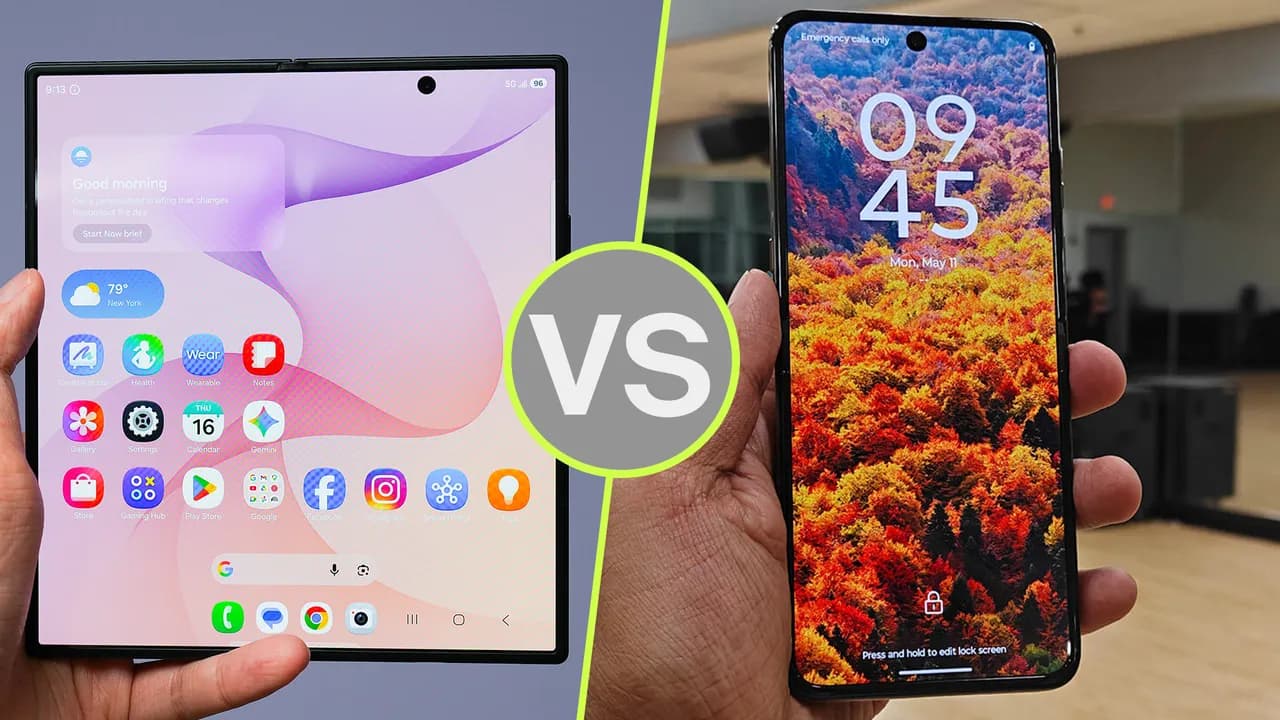
Detailed spec comparison for buyers evaluating Samsung's new foldable against competitors
Helps readers decide between Samsung's two foldable form factors
Frequently Asked Questions
When does the Galaxy Z Fold 8 go on sale?
Samsung announced the Z Fold 8 at Unpacked on July 22, 2026. Preorders typically open the same day, with shipping within two weeks.
How much does the Galaxy Z Fold 8 weigh?
The Galaxy Z Fold 8 weighs 201 grams, making it Samsung's lightest foldable to date.
Does the Galaxy Z Fold 8 still have a screen crease?
Yes, but Samsung reduced the crease visibility using new flex titanium material. Reviewers at the event called it the best crease Samsung has shipped.
What's the difference between Galaxy Z Fold 8 and Z Fold 8 Ultra?
The Ultra is Samsung's first premium-tier foldable, targeting power users with enhanced materials and likely improved cameras. Full specs will follow Samsung's detailed announcements.
Did Samsung announce smart glasses at Unpacked 2026?
Samsung teased smart glasses but did not fully announce a product. More details may come later in 2026.
Need Help Implementing This?
If your organization is evaluating foldables for executive or field deployments, Logicity can help you assess total cost of ownership, MDM compatibility, and support options. Contact our team for a device strategy consultation.
Source: Latest news
Manaal Khan
Tech & Innovation Writer
Produced with AI assistance and reviewed by the Logicity editorial team. Learn more in our Editorial Policy.