Key Takeaways
Samsung Galaxy Z Fold 8 vs Z Fold 8 Ultra - 7 Biggest Differences
- The Z Fold 8 ($1,900) unfolds to a 7.6-inch tablet display with 4:3 aspect ratio, ideal for multitasking and content creation
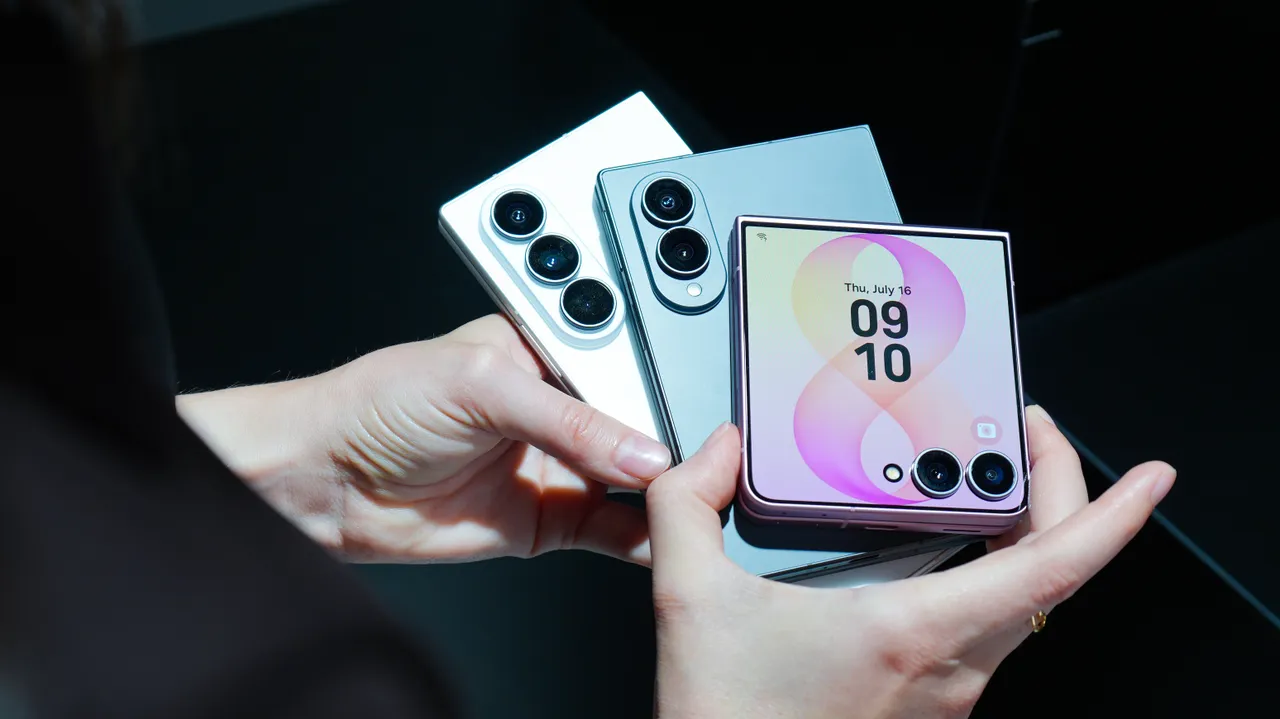
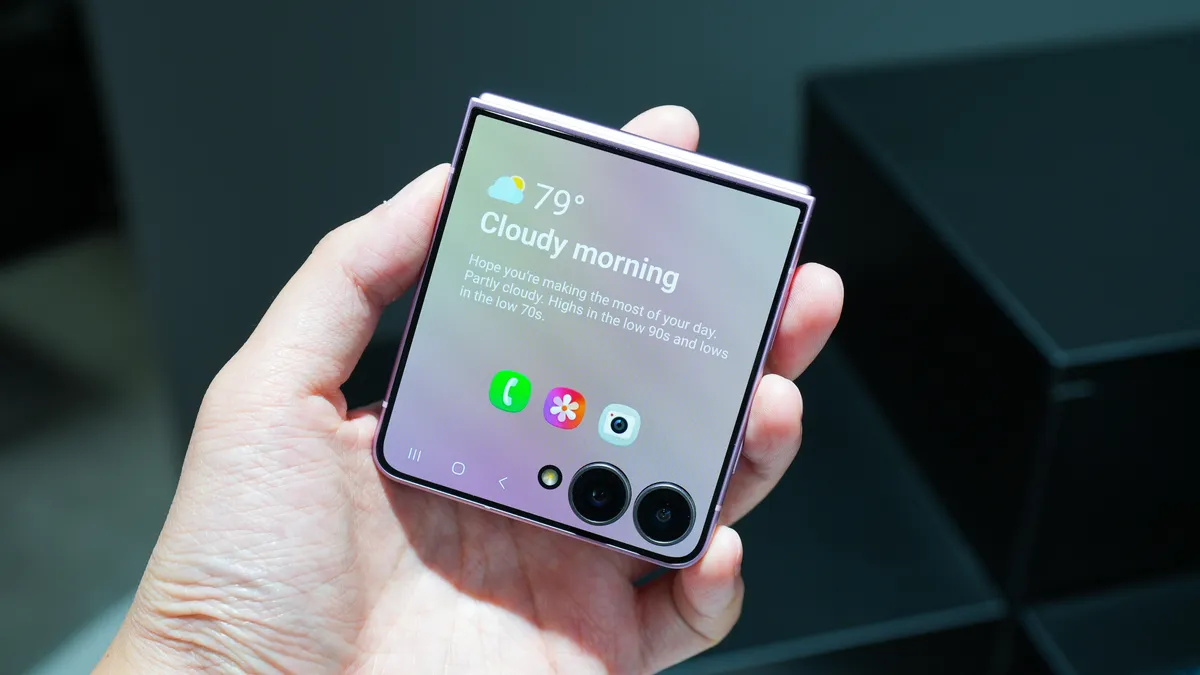
- The Z Flip 8 ($1,200) folds into a 3x3.4-inch pocket-sized square with a 4.1-inch cover screen for quick interactions
- Both phones run the Snapdragon 8 Elite Gen 5 processor, but the Fold 8 offers 8K video and a larger 4,800mAh battery
Samsung just unveiled the Galaxy Z Fold 8 and Galaxy Z Flip 8 at Unpacked 2026. Both are foldable phones. That's where the similarities end. The Z Fold 8 opens into a 7.6-inch tablet that costs $1,900. The Z Flip 8 folds into a pocket-sized square for $1,200. For tech leaders evaluating devices for themselves or their teams, the choice depends on whether you prioritize screen real estate or portability.
How do the form factors differ?
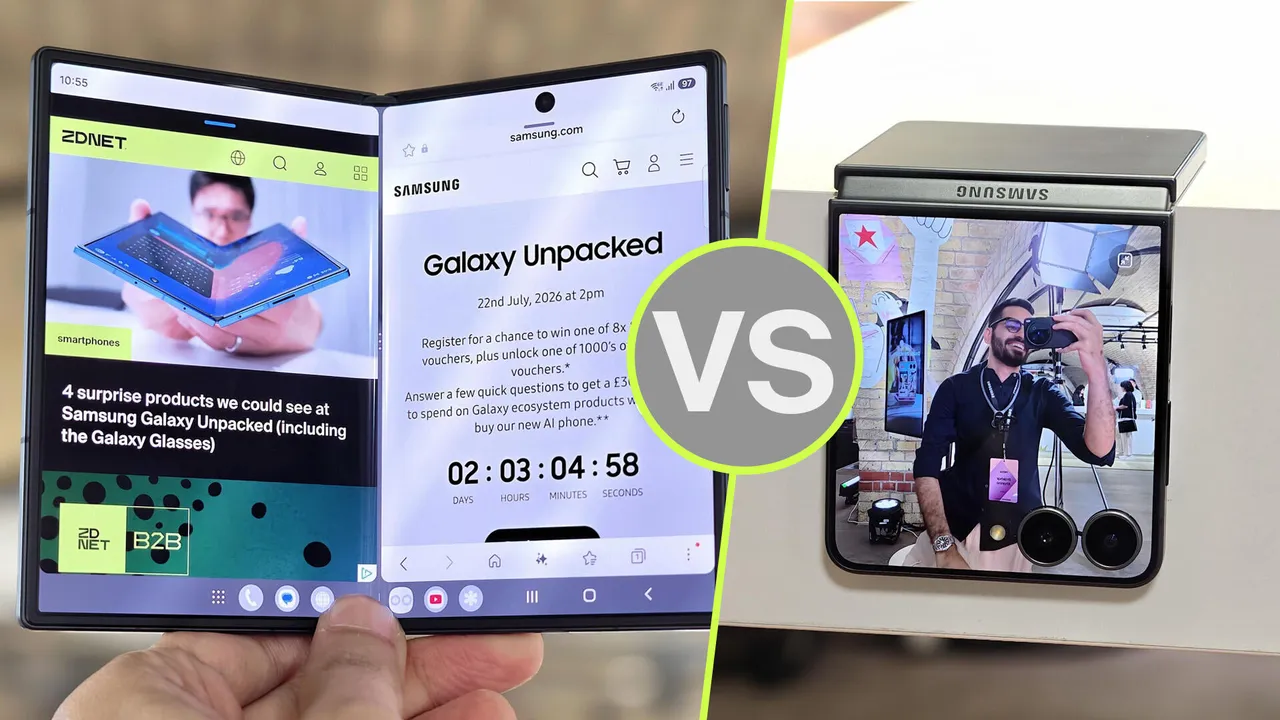
The Z Fold 8 is a book-style foldable. Open it horizontally and you get a 7.6-inch AMOLED display with a 4:3 aspect ratio, close to an iPad mini in size. That extra screen space matters for reading documents, reviewing spreadsheets, or running two apps side by side. When closed, the phone shows a 5.5-inch cover display with a 16:10 ratio. It looks like a regular smartphone, just 9.7mm thick. For context, that's 1.75mm thicker than the standard iPhone 17.
The Z Flip 8 takes the opposite approach. It's a clamshell that folds vertically into a compact square measuring 3 by 3.4 inches. The 4.1-inch cover screen handles notifications, widgets, and quick replies without opening the phone. Unfold it and you get a 6.9-inch display with a standard 16:9 smartphone ratio. This is the phone for people who want a full-sized screen that disappears into a jacket pocket.
What about specs and performance?
Both devices run Qualcomm's Snapdragon 8 Elite Gen 5 for Galaxy, Samsung's custom-tuned version of the flagship chip. Raw processing power is identical. The differences show up in storage, camera, and battery.
| Spec | Galaxy Z Fold 8 | Galaxy Z Flip 8 |
|---|---|---|
| Starting price | $1,900 | $1,200 |
| Main display | 7.6-inch AMOLED, 120Hz | 6.9-inch AMOLED, 120Hz |
| Cover display | 5.5-inch | 4.1-inch |
| Resolution (main) | 1,848 x 2,448 | 1,080 x 2,520 |
| RAM options | 12GB or 16GB | 12GB |
| Storage options | 256GB, 512GB, 1TB | 256GB, 512GB |
| Battery | 4,800mAh | 4,300mAh |
| Main camera | 50MP wide + 50MP ultrawide | 50MP wide + 12MP ultrawide |
| Max video | 8K @ 30fps | 4K @ 60fps |
The Z Fold 8 has the edge for power users. The 16GB RAM option paired with 1TB storage suits people who run demanding apps or store large files locally. The 50MP ultrawide camera and 8K video recording make it better for content creation. The 500mAh larger battery compensates for the bigger display.
Which phone makes sense for business use?
The Z Fold 8 works as a laptop replacement for light tasks. The 4:3 display handles document editing, video calls, and email triage without squinting. Executives who spend time in airports or client offices get a tablet-sized screen without carrying a second device. The tradeoff is weight, bulk, and a $1,900 starting price.
The Z Flip 8 suits professionals who prioritize mobility. The compact form fits comfortably in formal attire. The cover screen handles calendar checks and message replies without unfolding the phone. At $700 less than the Fold, it's easier to justify as a corporate device for employees who don't need the extra screen real estate.
What colors and finishes are available?
Both phones ship in Graphite and Cream at retail. Samsung's online store adds exclusive colors: Lavender and Pistachio for the Z Fold 8, Pink and Mint for the Z Flip 8. The online exclusives tend to sell out faster, so order early if you want something other than the standard options.
Logicity's Take
The $700 price gap tells you who Samsung designed each phone for. The Z Fold 8 competes with the iPad mini ($499) plus a flagship phone ($1,000+), making the combined package slightly cheaper for people who would carry both anyway. The Z Flip 8 competes with standard flagships like the iPhone 17 Pro ($1,199) on price while offering a unique form factor. For CTOs evaluating fleet devices, the Flip makes more sense at scale. For individual executives who want one device for everything, the Fold justifies its premium.
Full breakdown of the Z Fold 8 announcement and new display features
Samsung's broader AI strategy that will power future Galaxy devices
Frequently Asked Questions
Is the Galaxy Z Fold 8 worth $700 more than the Z Flip 8?
Yes, if you need a tablet-sized screen for productivity. The 7.6-inch display, 16GB RAM option, 8K video, and larger battery justify the premium for power users. For casual use, the Flip offers better value.
Which Samsung foldable has better battery life?
The Z Fold 8 has a 4,800mAh battery versus 4,300mAh in the Z Flip 8. However, the Fold's larger display consumes more power, so real-world battery life is comparable between the two.
Can the Galaxy Z Flip 8 replace a regular smartphone?
Yes. When unfolded, it functions as a standard 6.9-inch smartphone with flagship specs. The folding design is purely for portability when closed.
Do both phones support the same apps?
Yes. Both run Android with Samsung's One UI. The Z Fold 8 offers better multitasking with its larger screen, letting you run three apps simultaneously.
Which foldable is more durable?
Both use Samsung's latest folding glass technology and carry the same durability rating. The Flip's smaller footprint means less surface area exposed to potential damage.
Need Help Implementing This?
Evaluating mobile devices for your team or building a BYOD policy around foldables? Logicity's consulting team helps tech leaders standardize device procurement and security protocols. Reach out to discuss your organization's mobile strategy.
Source: Latest news
Manaal Khan
Tech & Innovation Writer
Produced with AI assistance and reviewed by the Logicity editorial team. Learn more in our Editorial Policy.