Key Takeaways
Samsung Galaxy Z Fold 8 Ultra vs Fold 8 - DO NOT BUY Until You See This!
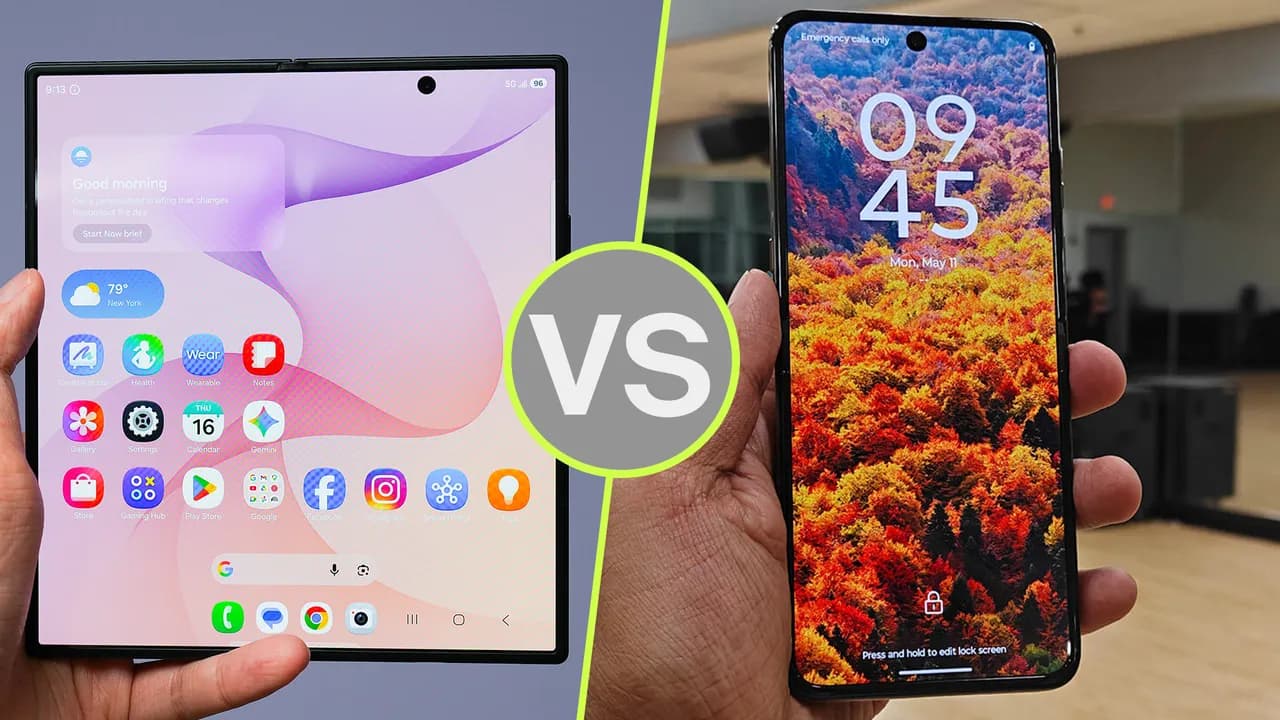
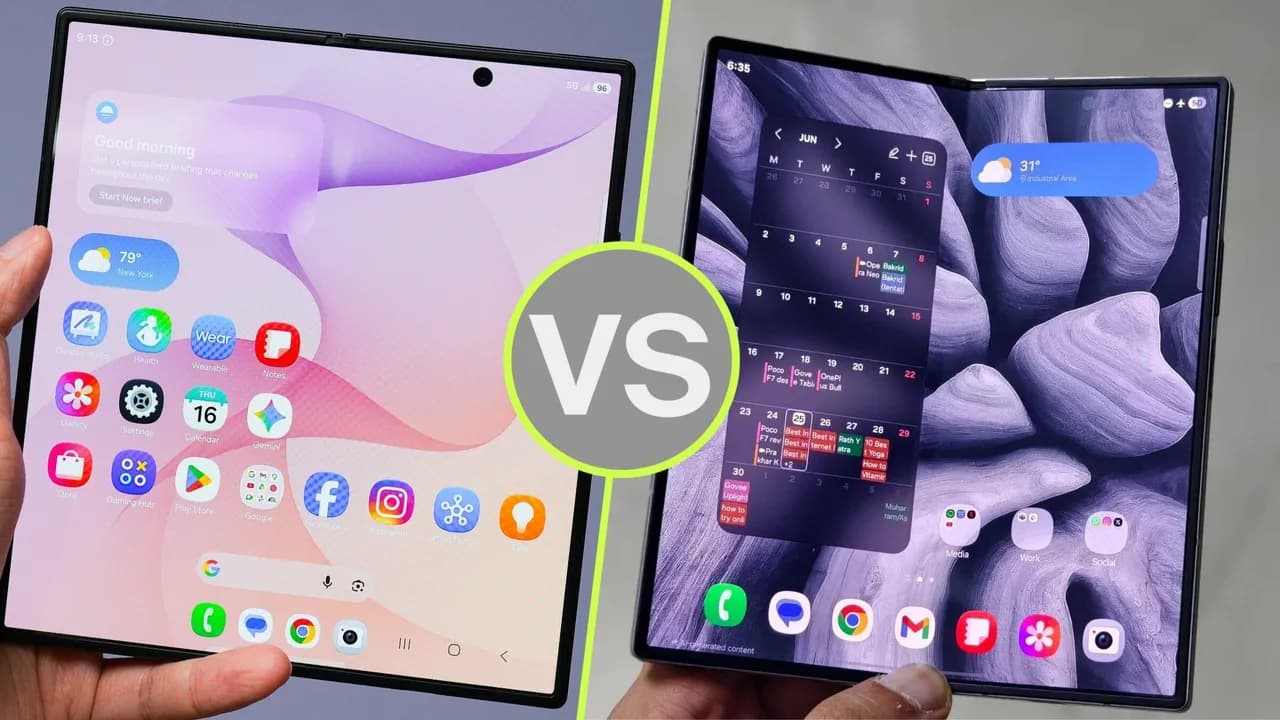
- The Z Fold 8 Ultra offers an 8-inch inner display and 200MP camera for $2,099, while the Razr Ultra delivers a compact flip design with 4-inch cover screen for $1,500
- Samsung's book-style foldable suits multitasking and productivity, Motorola's flip phone prioritizes portability and one-handed use
- Both run Snapdragon 8 Elite processors, but the Z Fold 8 Ultra packs a larger 5,000mAh battery versus the Razr's 4,700mAh
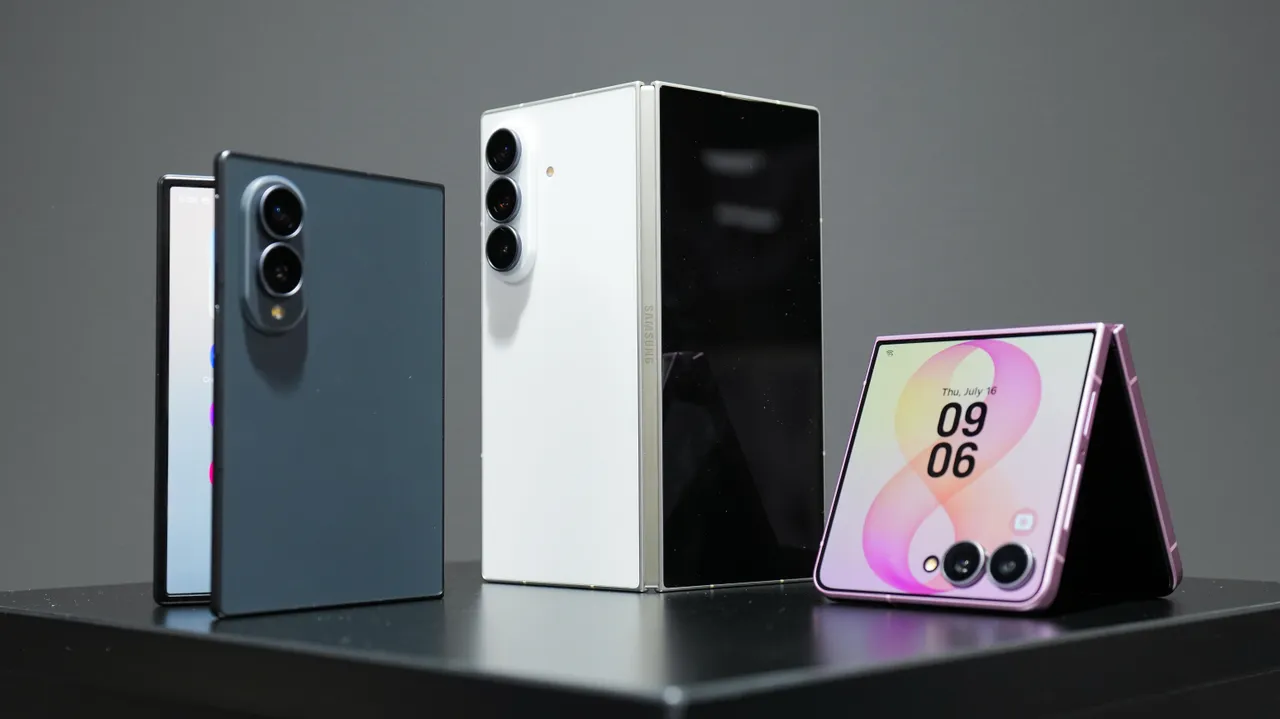
Samsung's Galaxy Z Fold 8 Ultra and Motorola's Razr Ultra represent two fundamentally different answers to the same question: what should a foldable phone be? One unfolds into a near-tablet. The other folds into a pocket-friendly square. The price gap between them, $599, reflects that philosophical divide.
Samsung unveiled the Z Fold 8 Ultra at Unpacked 2026 on July 22, positioning it as the company's most refined book-style foldable yet. The device starts at $2,099 for the 256GB model and climbs to higher tiers with 512GB and 1TB storage options. Motorola's Razr Ultra, meanwhile, launched earlier with a $1,500 starting price for 512GB of storage, more capacity at a lower entry point.
Book-style vs flip: which form factor fits your work?
The Z Fold 8 Ultra opens to reveal an 8-inch QXGA+ AMOLED inner display running at 120Hz. That's tablet territory. You can run three apps side by side, edit documents with a stylus, or conduct video calls while referencing notes. The cover screen measures 6.5 inches, large enough to use as a standard phone without unfolding.
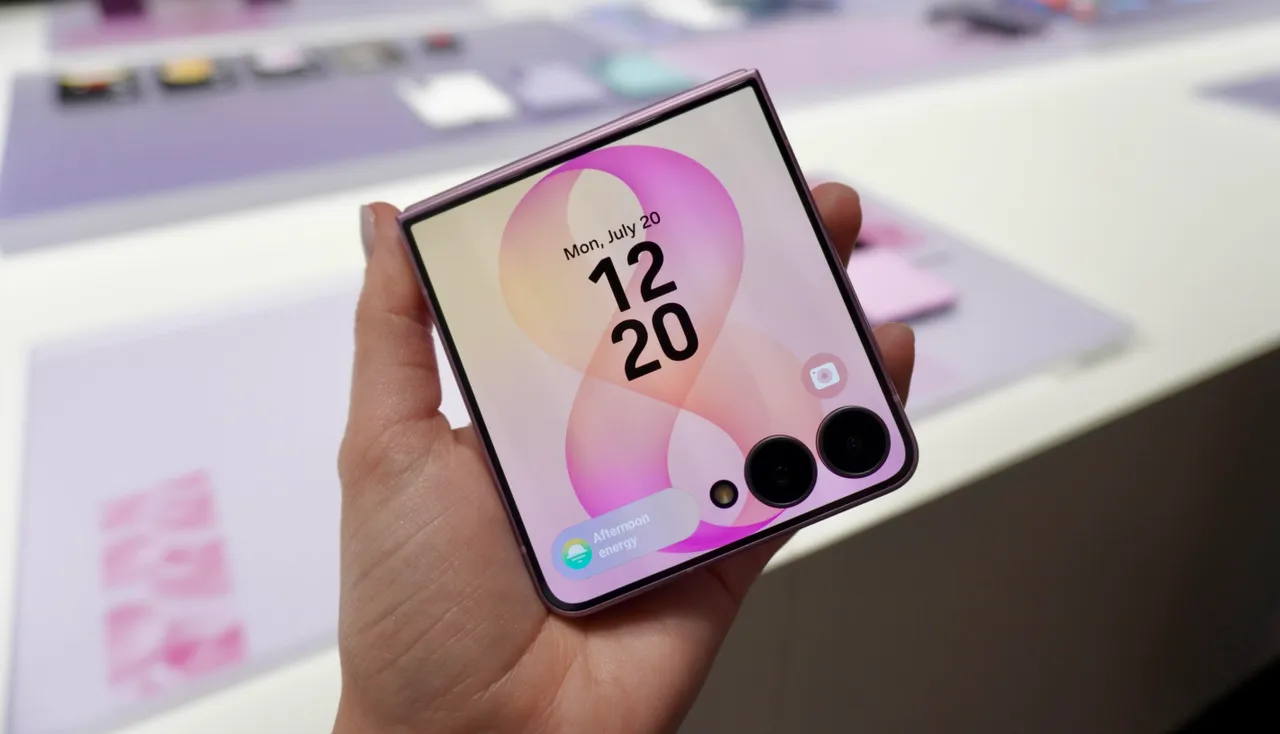
Motorola took the opposite approach. The Razr Ultra's 4-inch cover screen handles quick tasks, notifications, and even some apps without opening the phone. Flip it open and you get a 7-inch Extreme AMOLED display at 165Hz, faster refresh than Samsung's panel but smaller overall. The Razr prioritizes compactness over screen real estate.
Weight tells part of this story too. The Razr Ultra comes in at 199g, while the Z Fold 8 Ultra weighs 215g. Samsung has trimmed its device compared to previous generations, but it remains heavier than Motorola's flip. For all-day pocket carry, those 16 grams add up.
How do the cameras compare?
Samsung went aggressive on imaging. The Z Fold 8 Ultra carries a 200MP main sensor, a 50MP ultrawide, and a 10MP telephoto with 3x optical zoom. That 200MP sensor matches what Samsung puts in its flagship S-series phones, a clear signal that the company wants the Ultra to compete on photography, not just folding tricks.
The Razr Ultra fields a 50MP wide and 50MP ultrawide setup without a dedicated telephoto. Its front camera hits 50MP, compared to Samsung's 10MP selfie shooters on both the cover and inner displays. Motorola wins on front-facing resolution, useful for video calls and content creators, but Samsung pulls ahead for versatile rear photography.
Performance and battery: same chip, different capacities
Both phones run Qualcomm's Snapdragon 8 Elite processor, so raw performance should be comparable. The difference lies in RAM and battery size. Samsung offers 12GB RAM on its base models and 16GB on the 1TB variant. Motorola standardizes at 16GB across the board.
Battery capacity favors Samsung: 5,000mAh versus 4,700mAh. That 300mAh gap matters more than it appears because Samsung's larger displays demand more power. Real-world endurance will depend on usage patterns, but the Z Fold 8 Ultra has more capacity to work with.
| Specification | Galaxy Z Fold 8 Ultra | Motorola Razr Ultra |
|---|---|---|
| Price | $2,099+ | $1,500 |
| Inner Display | 8-inch AMOLED, 120Hz | 7-inch AMOLED, 165Hz |
| Cover Display | 6.5-inch AMOLED | 4-inch AMOLED |
| Main Camera | 200MP | 50MP |
| Battery | 5,000mAh | 4,700mAh |
| RAM | 12GB / 16GB | 16GB |
| Weight | 215g | 199g |
What about durability?
Samsung introduced a new display structure called Flex Titanium for the Z Fold 8 Ultra. The technology combines a titanium-alloy film with an enhanced support plate, aiming to reduce crease visibility and improve long-term durability. Every foldable shows some crease where the display bends, but Samsung claims this iteration minimizes the effect more than previous generations.
Motorola hasn't publicized equivalent material innovations for the 2026 Razr Ultra, though the company has steadily improved hinge reliability across generations. Both devices should handle normal usage without issue, but Samsung is marketing its durability more explicitly.
Which foldable delivers better value?
Value depends on what you're buying. At $1,500, the Razr Ultra offers a premium flip phone experience with flagship internals. It doesn't try to replace a tablet. It tries to be a better phone that happens to fold.
At $2,099, the Z Fold 8 Ultra asks you to pay for productivity. That 8-inch display enables workflows that smaller phones simply cannot match. If you travel frequently, review documents on the go, or want a single device that serves as both phone and tablet, the premium makes sense. If you want a compact flagship that fits in a small pocket, Motorola wins.
Logicity's Take
The Z Fold 8 Ultra competes less with the Razr Ultra than with Google's Pixel 10 Pro Fold, which occupies similar book-style territory at a potentially lower price point. For business users weighing foldables, the real question isn't Samsung vs Motorola. It's whether the book-style form factor justifies a $500-600 premium over flip phones. Samsung's 200MP camera and 8-inch display say yes for content creators and mobile professionals. Everyone else should pocket the savings.
Compare Samsung's book-style foldable against Google's alternative
Frequently Asked Questions
Is the Galaxy Z Fold 8 Ultra worth $600 more than the Razr Ultra?
It depends on your needs. The Z Fold 8 Ultra's larger display suits multitasking and productivity work. The Razr Ultra prioritizes portability. Neither is objectively better, they serve different use cases.
Which foldable has better battery life?
The Z Fold 8 Ultra has a larger 5,000mAh battery versus the Razr Ultra's 4,700mAh. However, the Z Fold's bigger displays consume more power. Real-world endurance will be similar for typical usage.
Can the Razr Ultra's cover screen run full apps?
Yes. The 4-inch cover screen supports various apps without opening the phone, though the smaller size limits usability for complex tasks.
Which phone has better cameras?
The Z Fold 8 Ultra leads with a 200MP main sensor and telephoto lens. The Razr Ultra has a higher-resolution 50MP front camera, making it better for video calls and selfies.
Need Help Implementing This?
Evaluating mobile hardware for your team? Logicity helps organizations assess device ecosystems, security requirements, and total cost of ownership for enterprise mobile deployments. Reach out for a consultation.
Source: Latest news
Huma Shazia
Senior AI & Tech Writer
Produced with AI assistance and reviewed by the Logicity editorial team. Learn more in our Editorial Policy.