Key Takeaways
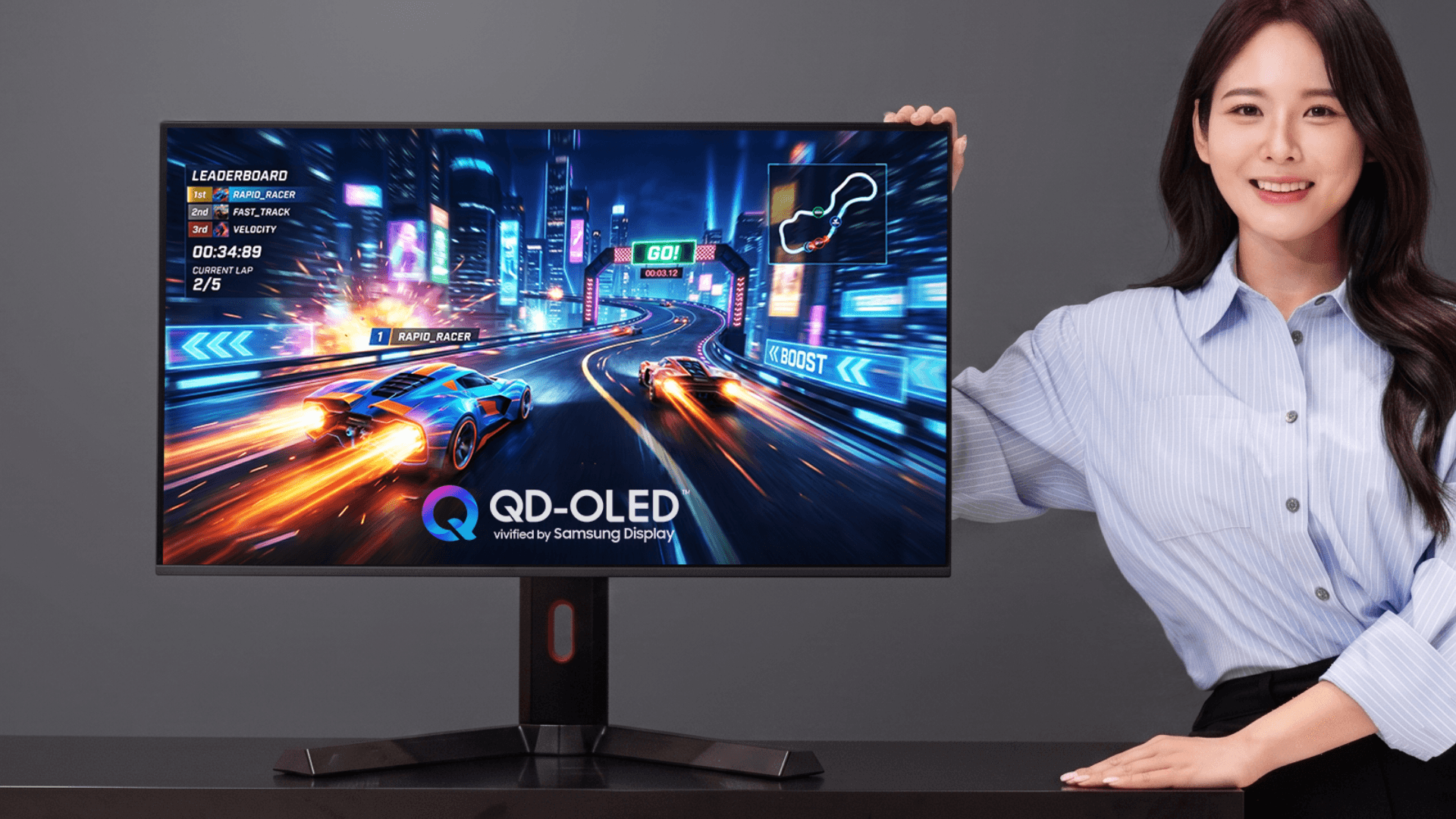
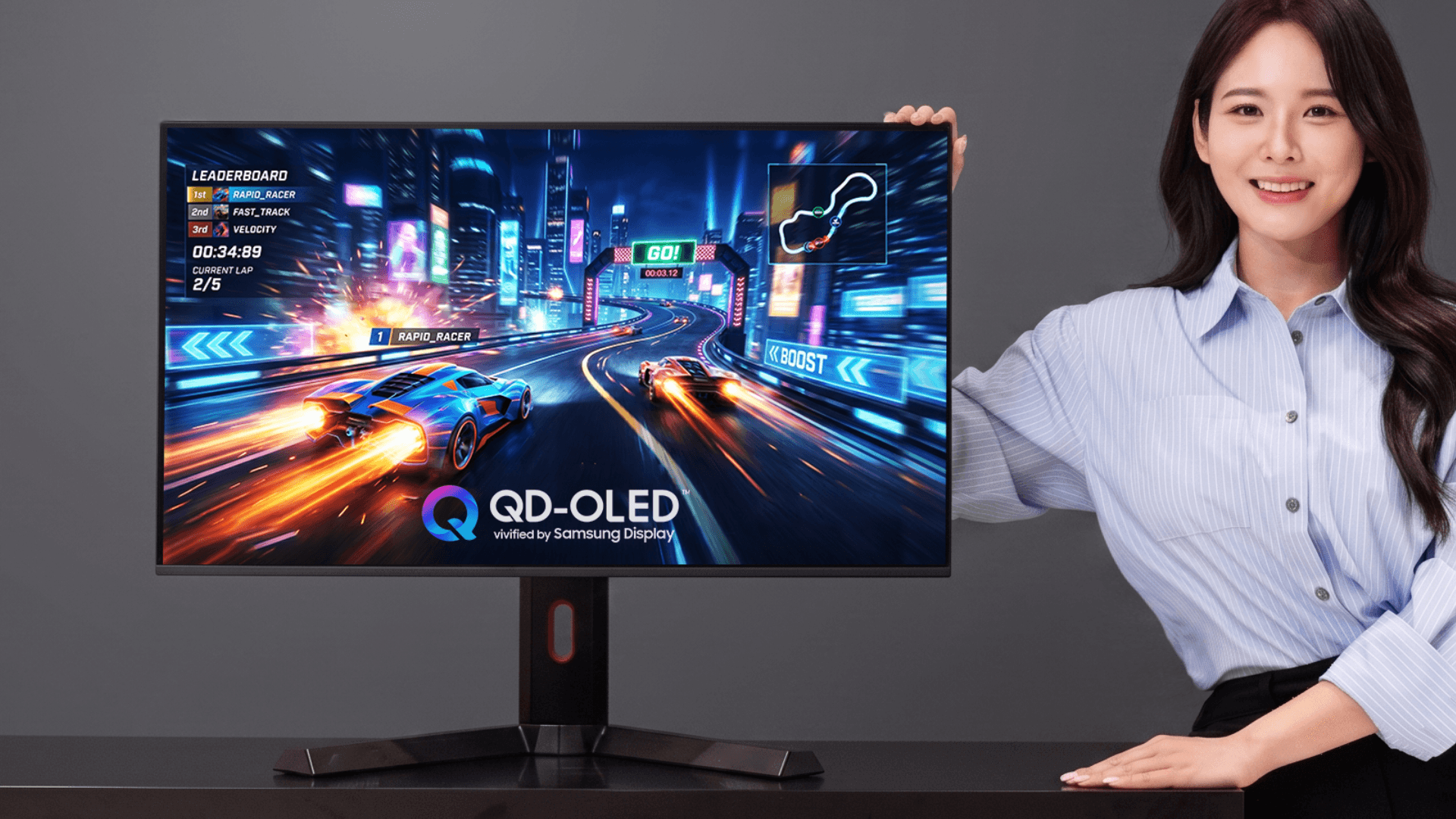
- Samsung's new 31.5-inch QD-OLED panel hits 360Hz at native 4K, a first for the display industry
- Dual-mode support lets users switch to 680Hz at 1080p for competitive gaming
- Ten monitor manufacturers are in talks with Samsung Display, with mass production planned for late 2026
The End of the Resolution vs. Refresh Rate Trade-Off
For years, PC gamers faced an annoying choice. Want buttery-smooth motion? Drop to 1080p. Want sharp 4K visuals? Accept slower refresh rates. Samsung Display claims its new QD-OLED panel eliminates that compromise.
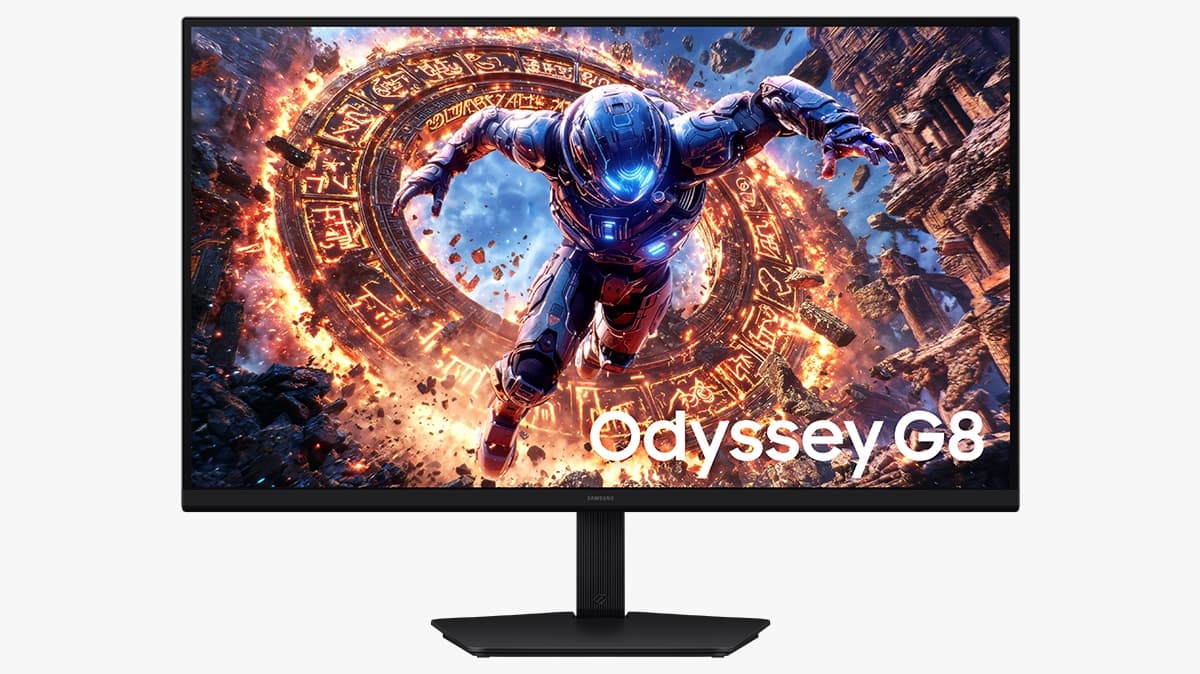
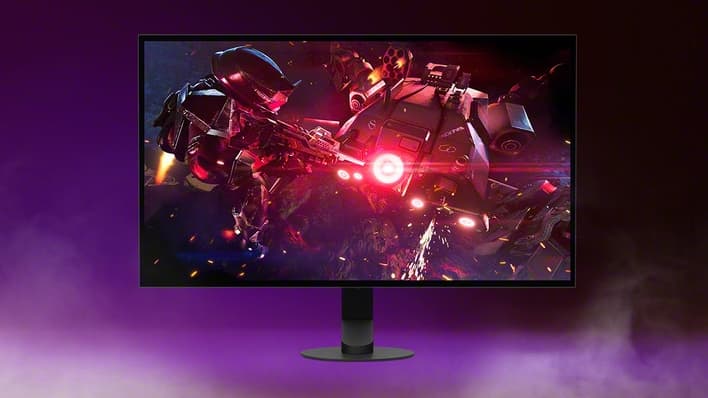
The company announced its 31.5-inch 4K QD-OLED panel running at 360Hz, which it says is the first display to break the 240Hz barrier at native 4K resolution. The panel will debut at Computex 2026, with mass production scheduled for the second half of that year.
Dual-Mode: 680Hz for Competitive Play
The panel's standout feature is its dual-mode system. Users can toggle between 360Hz at 4K for single-player games and content creation, or switch to 680Hz at 1080p when competitive gaming demands maximum motion clarity.
Samsung achieved these speeds through optimized panel circuitry and driving systems. Higher refresh rates require the display to process significantly more data per second, and the company says its engineers redesigned the underlying electronics to handle that load.
“The gaming display market is shifting from simply higher resolution to the perfect balance of visual fidelity and extreme motion clarity. Our new 360Hz 4K panel is the bridge that eliminates the compromise between the two.”
— Spokesperson, Samsung Display
Technical Specs Beyond Refresh Rate
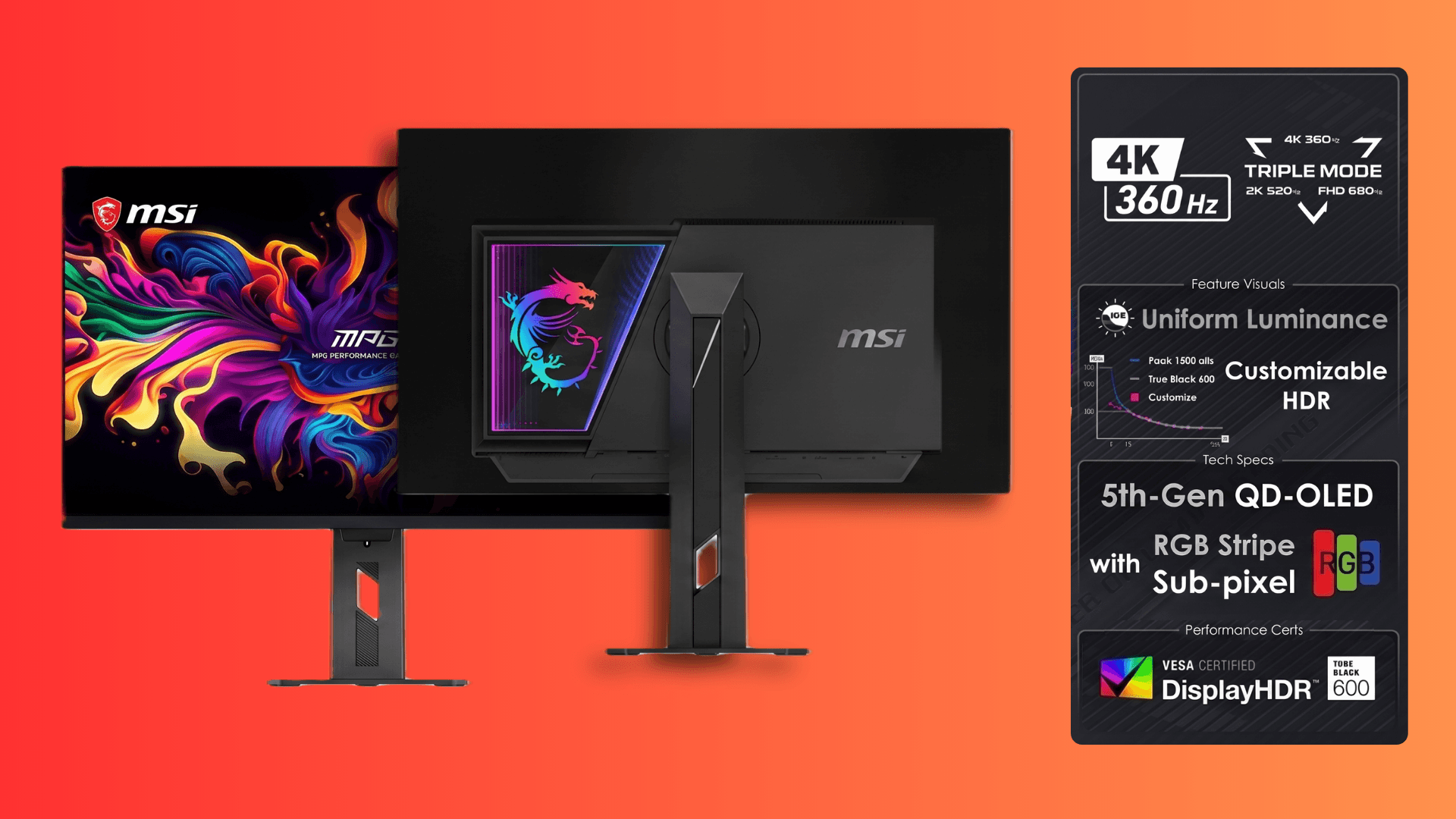
The panel carries VESA DisplayHDR True Black 600 certification. That means 600 nits peak brightness combined with black levels at 0.0005 nits or lower. The result is high contrast that remains visible even in bright rooms.
Samsung also redesigned the pixel structure using what it calls a V-stripe pattern. Earlier QD-OLED monitors drew criticism for fuzzy text rendering. The new arrangement aims to deliver sharper text, which matters for professionals who switch between gaming and productivity work.
“Many customers have described the new 31.5-inch 4K 360Hz product as a near-perfect monitor that delivers everything consumers expect from a premium monitor, including ultra-high resolution, an ultra-high refresh rate, high brightness, and enhanced readability.”
— Brad Jung, Vice President, Samsung Display
Ten Manufacturers Already in Talks
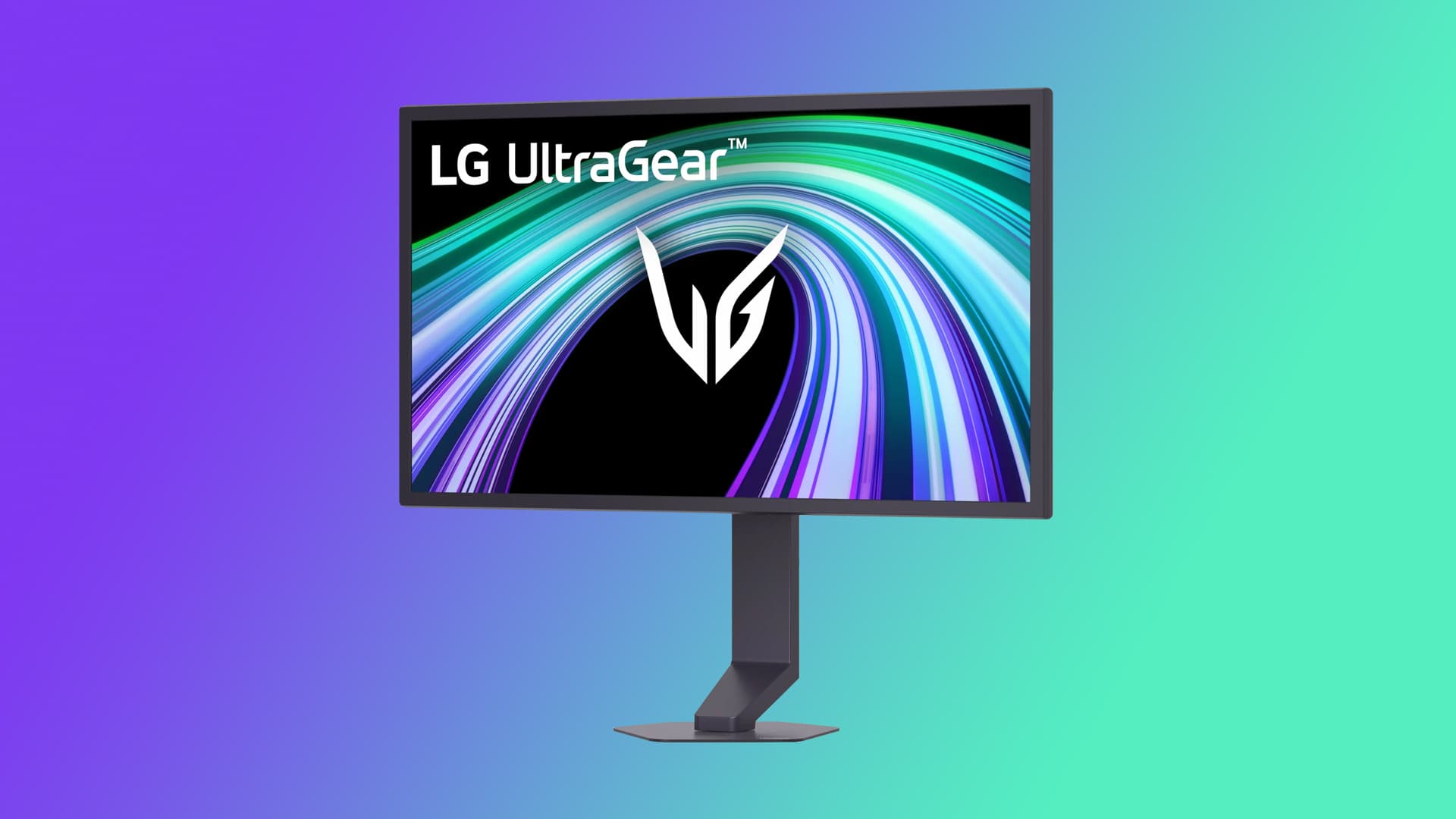
Samsung Display says 10 monitor manufacturers are negotiating to use this panel in upcoming products. The company did not name specific brands, but past Samsung QD-OLED panels have appeared in monitors from Alienware, MSI, and Asus.
If production stays on schedule, consumers could see retail monitors with this panel within 12 months of mass production starting. That puts potential availability in early 2027.
The GPU Problem Nobody Is Talking About
Online discussions on Reddit's r/Monitors and Hacker News have focused on one practical concern. What GPU can actually push 360 frames per second at 4K?
Current flagship GPUs struggle to hit 120fps at 4K in demanding titles. Reaching 360fps would require either massive graphics hardware advancements or reliance on upscaling technologies like DLSS or FSR. The dual-mode option at 1080p may see more real-world use for fast-paced gaming.
Still, the panel's specs position it for future GPU generations. Buyers who keep monitors for five or more years would have headroom as graphics cards improve.
Context: The OLED Refresh Rate Race
OLED panels have traditionally lagged behind TN and IPS displays in maximum refresh rates. We've seen 1000Hz+ panels before, but only at 1080p or lower resolutions. Samsung's announcement marks the first time an OLED has matched high-end LCD gaming monitors at 4K while offering the contrast and color advantages of organic LED technology.
The V-stripe pixel structure is particularly significant. Text clarity has been the main weakness of Samsung's QD-OLED panels compared to traditional RGB layouts. If the new pattern solves that problem, it removes the last major objection to using QD-OLED for mixed work and gaming.

Logicity's Take
Frequently Asked Questions
When will monitors with Samsung's 360Hz 4K QD-OLED panel be available?
Samsung plans mass production in the second half of 2026. Retail monitors from partner brands could appear within 12 months after that, potentially in early 2027.
What GPU do I need to run 360Hz at 4K?
Current flagship GPUs cannot consistently deliver 360fps at 4K in demanding games. Buyers will likely rely on upscaling technologies or use the panel's 680Hz at 1080p mode for competitive titles.
Does the new panel fix QD-OLED text clarity issues?
Samsung says its new V-stripe pixel structure improves text rendering compared to earlier QD-OLED panels. Real-world reviews will confirm whether this addresses the sharpness complaints.
Which monitor brands will use this Samsung panel?
Samsung Display says 10 manufacturers are in talks, but hasn't named them. Previous Samsung QD-OLED panels have appeared in monitors from Alienware, MSI, and Asus.
What is DisplayHDR True Black 600 certification?
It's a VESA standard requiring 600 nits peak brightness with black levels at 0.0005 nits or lower. This ensures high contrast and visibility in both dark and bright viewing conditions.
More on Samsung's recent business moves
Need Help Implementing This?
Source: Latest from Tom's Hardware
Huma Shazia
Senior AI & Tech Writer
Produced with AI assistance and reviewed by the Logicity editorial team. Learn more in our Editorial Policy.