Key Takeaways
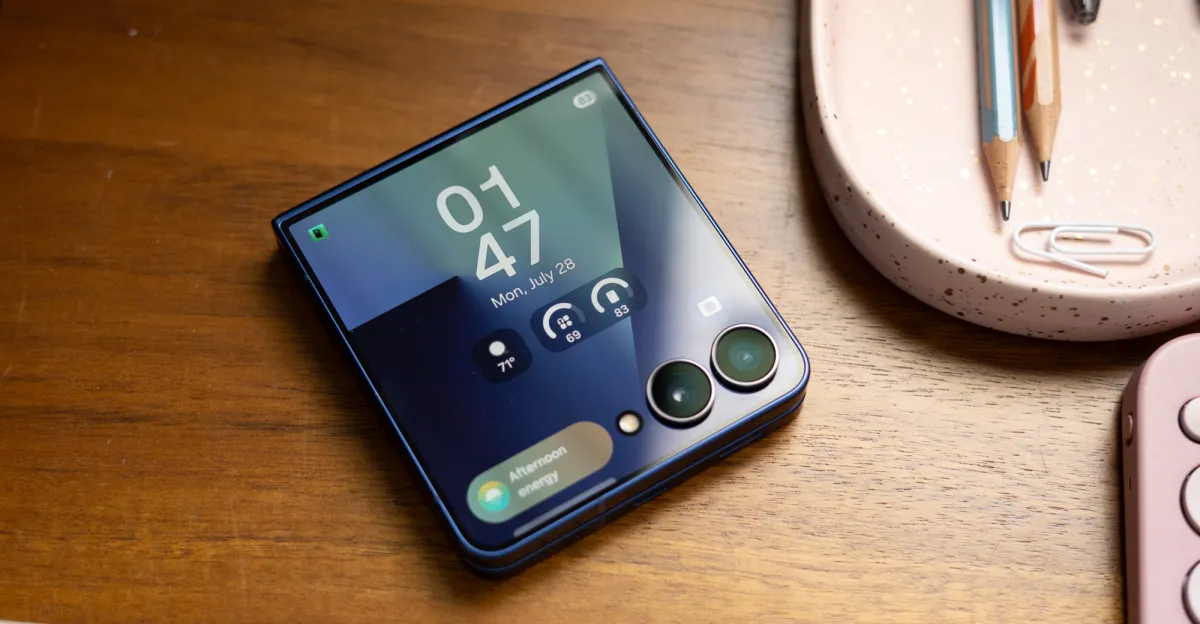
- Galaxy Z Flip 7 512GB jumps from $1,219 to $1,299
- Galaxy Tab S11 sees a massive $100 price increase
- Base models staying at original prices, for now
- Global RAM and NAND flash shortage is driving costs up across the entire tech industry
- Microsoft Surface devices hit with similar price hikes this week
Read in Short
Samsung is hiking prices on Galaxy Z Flip 7, S25 FE, S25 Edge phones and multiple tablets. Higher storage variants are jumping by $80, and some tablets are going up $100. A global memory shortage is the reason, and Samsung isn't the only company doing this.
So if you were waiting for a sale on that Galaxy Z Flip 7 you've been eyeing, I've got bad news. Samsung just made several of its phones and tablets more expensive, and honestly? This is probably just the beginning.
The company quietly raised prices across multiple Galaxy devices this week, and the increases aren't small. We're talking $80 jumps on phones and up to $100 more on tablets. The timing couldn't be worse if you're in the market for new Samsung hardware.
Which Galaxy Phones Are Getting More Expensive?
Let's break down the damage. Samsung's keeping the base models at their original prices, which is something, I guess. But if you want more storage? That's where they get you.
| Device | Old Price | New Price | Increase |
|---|---|---|---|
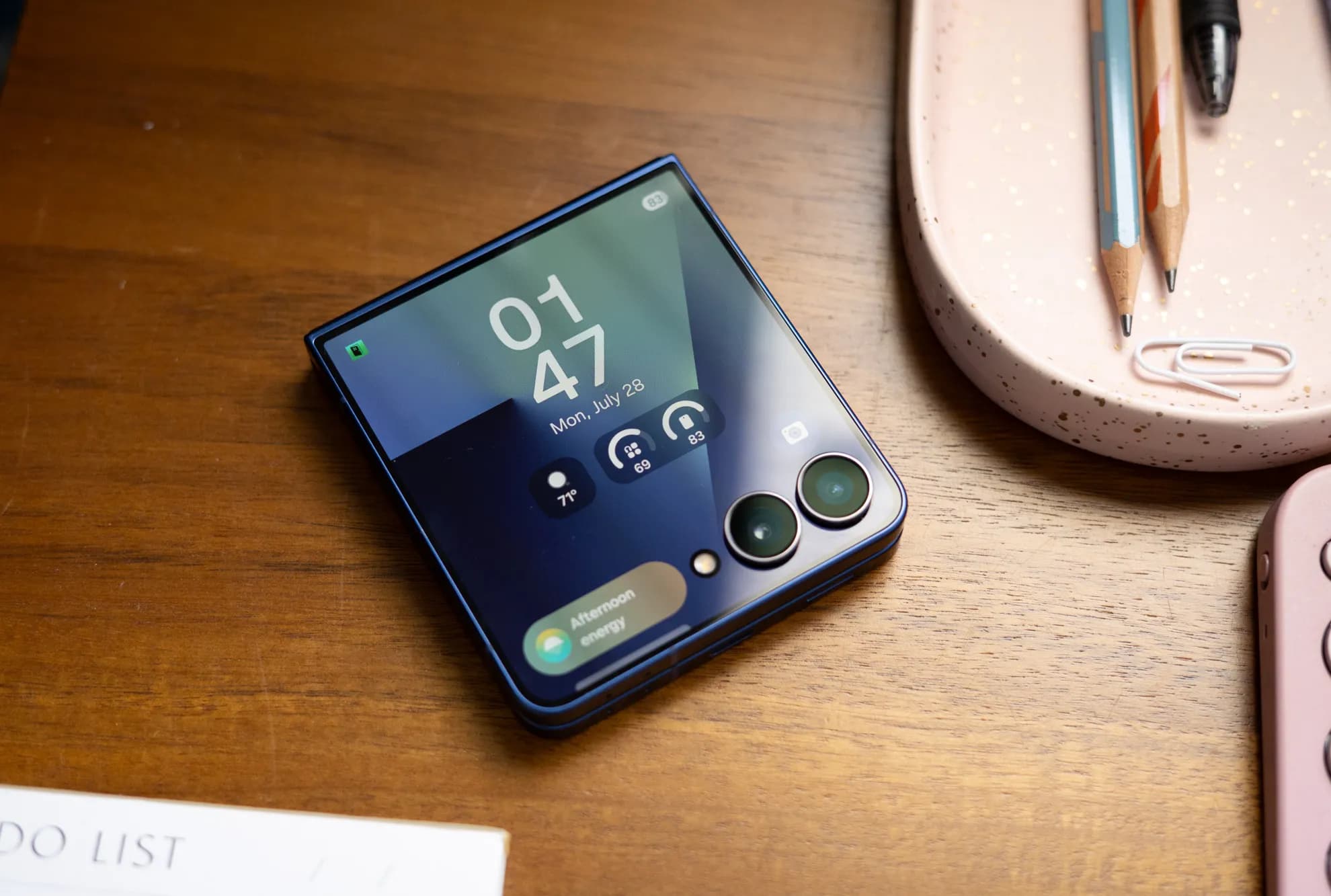
| Galaxy Z Flip 7 (512GB) | $1,219.99 | $1,299.99 | +$80 |
| Galaxy S25 FE (256GB) | $709.99 | $749.99 | +$40 |
| Galaxy S25 Edge (512GB) | $1,219.99 | $1,299.99 | +$80 |
| Galaxy Z Fold 7 (512GB) | $2,119 | $2,199 | +$80 |
| Galaxy Z Fold 7 (1TB) | $2,419 | $2,499 | +$80 |
The Galaxy Z Fold 7 actually got hit last week, so Samsung's been rolling these out gradually. Maybe they thought we wouldn't notice if they spread out the pain? We noticed.
Tablets Are Getting Hit Even Harder
Here's where it gets really rough. The phone price hikes are annoying, but at least Samsung's leaving base models alone. With tablets? Everything is going up, regardless of storage.
- Galaxy Tab S11 (128GB): $799.99 → $899.99 (+$100)
- Galaxy Tab S11 Ultra (256GB): $1,199.99 → $1,299.99 (+$100)
- Galaxy Tab S10 FE: $499.99 → $549.99 (+$50)
- Galaxy Tab A11 Plus (128GB): $249.99 → $299.99 (+$50)
That Galaxy Tab A11 Plus increase stings the most, honestly. This was supposed to be the budget-friendly option at $250. Now it's basically a $300 tablet. A 20% price jump on a budget device is a lot harder to swallow than a 6% bump on a flagship.
Why Is This Happening? Blame the RAM Shortage
Samsung isn't just being greedy here. There's a global memory shortage happening right now, and it's affecting RAM and NAND flash memory prices across the board. NAND flash is what goes into SSDs, phone storage, tablet storage, basically any device that needs to remember things.
What's Causing the Memory Shortage?
The current RAM and NAND flash shortage stems from increased AI server demand, supply chain constraints, and reduced production capacity. Memory manufacturers prioritized high-margin enterprise sales, leaving consumer electronics fighting for limited supply.
And Samsung isn't alone in passing these costs to consumers. The company also bumped up prices on its Galaxy Book 6 Pro and Book 6 Ultra laptops last week. Microsoft jumped on the price hike train this Monday with increases to Surface Pro and Surface Laptop models.
China's YMTC is planning to double NAND production, which could eventually bring relief to the memory shortage driving these Samsung price hikes.
The Bigger Picture: RAMageddon Is Real
Look, this isn't an isolated Samsung problem. We're watching a wave of price increases roll through the entire tech industry. Gaming hardware is getting hit. Laptops are getting hit. Even SSDs are more expensive than they were six months ago.
The pattern here is obvious. Every major tech company is facing the same supply crunch, and they're all deciding that consumers are going to pay for it. Can't really blame them, I suppose. But it doesn't make opening your wallet any easier.
What Should You Do?
If you were planning to buy a Galaxy device soon, you've got a decision to make. Do you buy now before prices potentially go up again? Or do you wait and hope this shortage resolves?
✅ Pros
- • Base models haven't increased, so the entry point is still the same
- • Older Galaxy models might drop in price as retailers clear inventory
- • The shortage could ease later this year
❌ Cons
- • Higher storage options are significantly more expensive now
- • More price increases could be coming
- • Other manufacturers are likely to follow Samsung's lead
My honest take? If you need the base storage and can live with it, buy now. If you absolutely need that 512GB or 1TB option, maybe hold off a few months and see where things land. The memory market is volatile, and prices could swing either direction.
Thinking about switching to iPhone instead? Here's what Apple's cooking up with iOS 26's new design language.
The Bottom Line
Samsung raising prices sucks. There's no way to spin it. But at least there's a real reason behind it, not just corporate greed for the sake of greed. The global memory shortage is squeezing margins across the industry, and companies are responding the only way they know how.
That said, this is a great reminder that the tech pricing we've gotten used to wasn't guaranteed to last forever. Components have real costs, supply chains have real constraints, and sometimes those realities catch up with consumer prices.
For now, keep an eye on Samsung's prices. Keep an eye on the competition too. And if you see a deal on last-gen hardware with the storage you need? Maybe jump on it before those prices start creeping up as well.
Frequently Asked Questions
Are Samsung base model prices going up too?
Not yet. Samsung is only raising prices on higher storage variants of phones. However, tablets are seeing increases across all storage options.
Is this price increase permanent?
It depends on the memory market. If the RAM and NAND shortage eases, prices could stabilize or even drop. But there's no timeline for when that might happen.
Are other phone manufacturers raising prices?
Microsoft has already raised Surface prices. Other Android manufacturers will likely follow if the memory shortage continues.
Should I buy a Galaxy phone now or wait?
If you want a base model, now is fine. If you need higher storage, consider waiting a few months to see if prices stabilize or if Samsung offers promotions.
Manaal Khan
Tech & Innovation Writer
Produced with AI assistance and reviewed by the Logicity editorial team. Learn more in our Editorial Policy.