Key Takeaways
- Nine US trade associations representing telecom, auto, medical device, and retail sectors sent a joint letter to the Trump administration warning of an AI-driven memory chip shortage
- AI data centers' demand for high-bandwidth memory (HBM) is crowding out other industries, potentially raising prices for consumer electronics, telecom infrastructure, vehicles, and medical devices
- The coalition asks the administration to accelerate memory manufacturing expansion in the US and allied nations and ensure adequate supply for non-AI industries
Nine US trade associations warned the Trump administration on June 3 that AI data centers are consuming so much memory production capacity that other industries face supply shortages and price spikes. The coalition sent a letter to Commerce Secretary Howard Lutnick and Treasury Secretary Scott Bessent asking for immediate action.
The groups represent telecommunications providers, automakers, medical device manufacturers, and major retailers. They told the administration that AI infrastructure deployments have created constraints that could raise prices for consumer electronics, increase costs for broadband and telecom infrastructure, disrupt automobile and medical device production, and delay federal contractor obligations.
The warning comes despite billions of dollars in US investment meant to strengthen domestic semiconductor supply chains. The coalition says AI's growth shouldn't come at the expense of other sectors.
“AI infrastructure deployments are consuming an outsized share of global memory production, crowding out other critical sectors.”
— Industry coalition letter to U.S. Commerce Secretary Howard Lutnick and Treasury Secretary Scott Bessent
"While recent developments in AI offer the promise of generational technological advances and are important for US tech leadership, we must also ensure other key industries are not negatively impacted by this disruption in the marketplace," the coalition said in the letter.
High-Bandwidth Memory Creates the Bottleneck
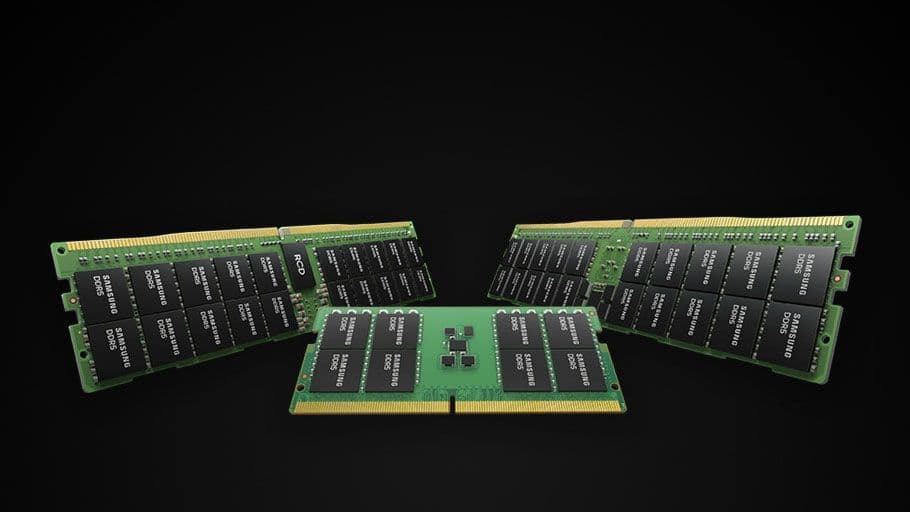
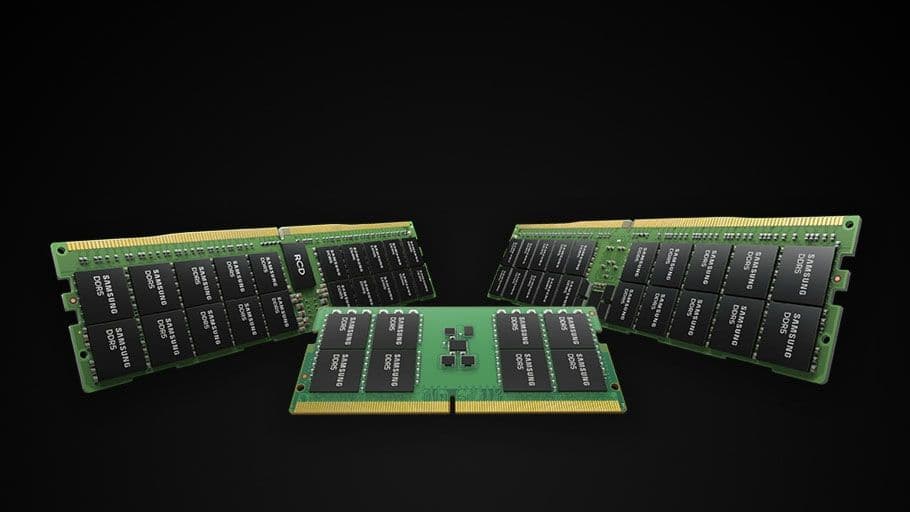
The shortage centers on high-bandwidth memory (HBM), the specialized memory used in AI accelerators from Nvidia and AMD. Demand for HBM surged over the past two years as hyperscalers race to deploy larger AI clusters. Memory suppliers responded by devoting more capacity to HBM production.
HBM requires specialized manufacturing processes physically distinct from standard DRAM. Current fabrication plants cannot simultaneously satisfy AI infrastructure's appetite and the needs of automotive, medical, and telecommunications manufacturers. This means industries that relied on predictable memory supply now compete with AI companies willing to pay premium prices.
Some sectors have seen memory chip prices surge 300%, according to the coalition. The bottleneck threatens to inflate costs for everything from modern vehicles to critical medical imaging equipment.
What the Coalition Wants
The organizations asked the administration to work directly with memory suppliers and major chip buyers to address the imbalance. Their specific recommendations include:
- Accelerate expansion of memory manufacturing capacity in the United States and allied nations
- Use trade agreements to strengthen supply-chain resilience
- Ensure adequate memory supply for non-AI industries
- Leverage CHIPS Act programs where possible
- Reduce regulatory barriers that may slow capacity growth
"We urge the Administration to work with memory chipmakers and chip buyers to assess steps that can be taken to address this imbalance in the memory market and protect against harm to consumers, workers, and businesses of all sizes," the letter states.
Manufacturing Complexity Limits Quick Fixes
Building new semiconductor fabrication facilities takes years. Industry experts estimate current supply-demand imbalances won't normalize until 2030 because of these long lead times.
Engineers on technical forums like Hacker News emphasize that fundamental manufacturing complexity, not just capital investment, is the primary constraint. HBM production requires stacking multiple DRAM dies vertically and connecting them with specialized through-silicon vias. This process has lower yields and requires equipment that can't easily be repurposed from standard DRAM lines.
Government intervention faces these technical realities. Even with regulatory streamlining and financial incentives, physically building and equipping new fabs will take several years. In the meantime, the coalition warns, non-AI industries will continue competing for limited supply.




Logicity's Take
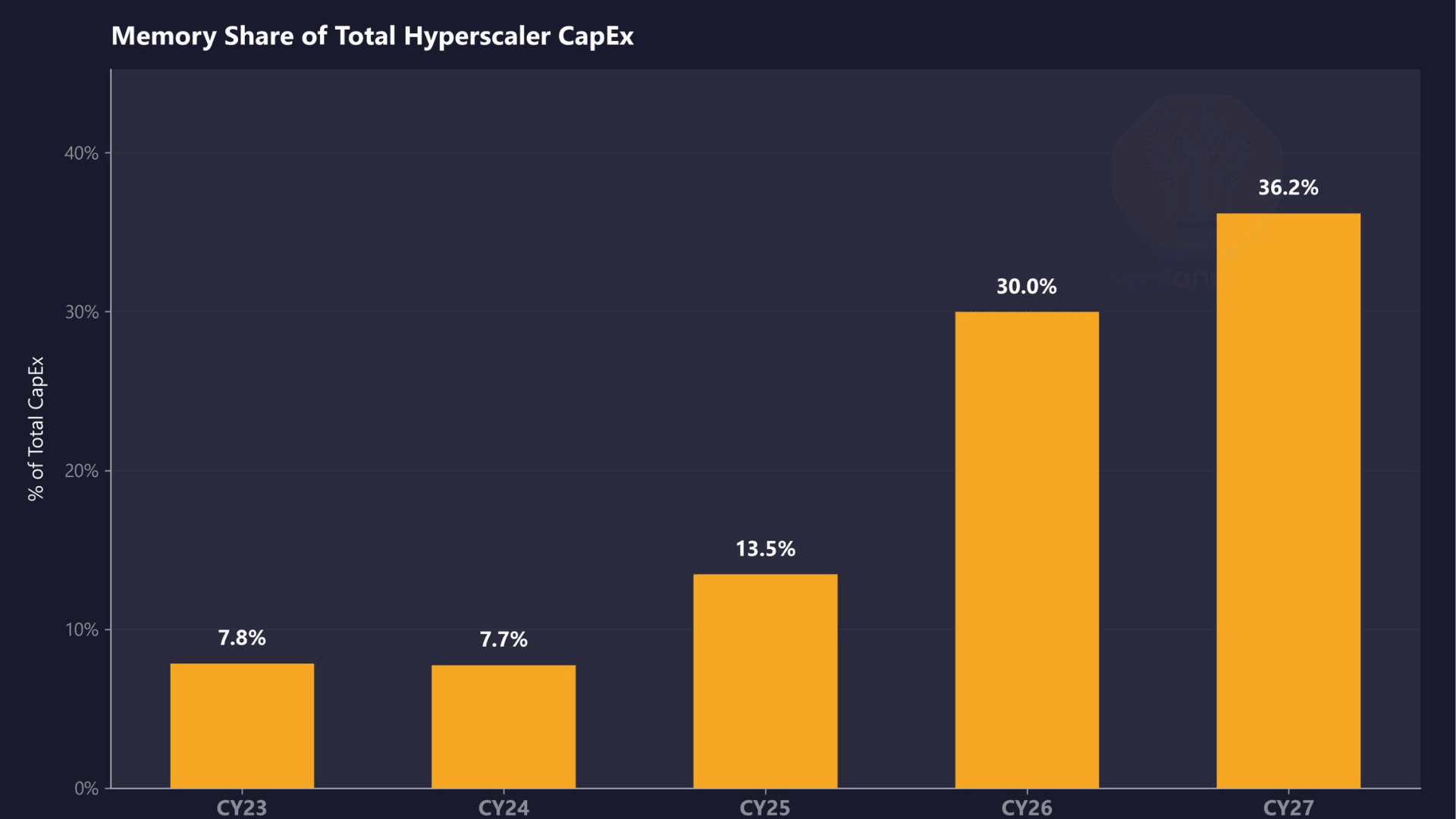
Context on how AI infrastructure dominance is reshaping hardware ecosystems
Frequently Asked Questions
Why can't memory manufacturers just make more HBM?
HBM requires specialized manufacturing processes physically distinct from standard DRAM. Existing fabrication plants can't easily switch between the two, and building new HBM-capable fabs takes years. The complexity of stacking multiple dies vertically and connecting them with through-silicon vias also results in lower production yields.
Which industries are most affected by the AI-driven memory shortage?
Automotive manufacturers, medical device makers, telecommunications infrastructure providers, and consumer electronics companies face the biggest impact. These industries rely on predictable memory supply and pricing but now compete with AI companies willing to pay premium prices for limited capacity.
When will the memory chip shortage resolve?
Industry experts estimate supply-demand imbalances won't normalize until 2030 because of the long lead times required to build new semiconductor fabrication facilities. Even with government support and regulatory streamlining, physically constructing and equipping new fabs takes several years.
What can the Trump administration actually do about this shortage?
The coalition asks the administration to accelerate memory manufacturing expansion in the US and allied nations, use trade agreements to strengthen supply chains, leverage CHIPS Act programs, and reduce regulatory barriers. However, government action faces technical constraints—manufacturing complexity limits how quickly new capacity can come online regardless of policy support.
How much have memory chip prices increased?
Some sectors have seen memory chip prices surge 300%, according to the industry coalition. The increases vary by industry and memory type, but the overall trend shows significant price pressure as AI infrastructure deployments consume an outsized share of global production.
Need Help Implementing This?
Source: Latest from Tom's Hardware
Huma Shazia
Senior AI & Tech Writer
Produced with AI assistance and reviewed by the Logicity editorial team. Learn more in our Editorial Policy.