Key Takeaways
- Budget smart plugs and relays pose fire risks and aren't worth the small savings over reputable brands like IKEA and Shelly.
- Premium smart locks add convenience through NFC, fingerprint, palm vein, and facial recognition, not just better security.
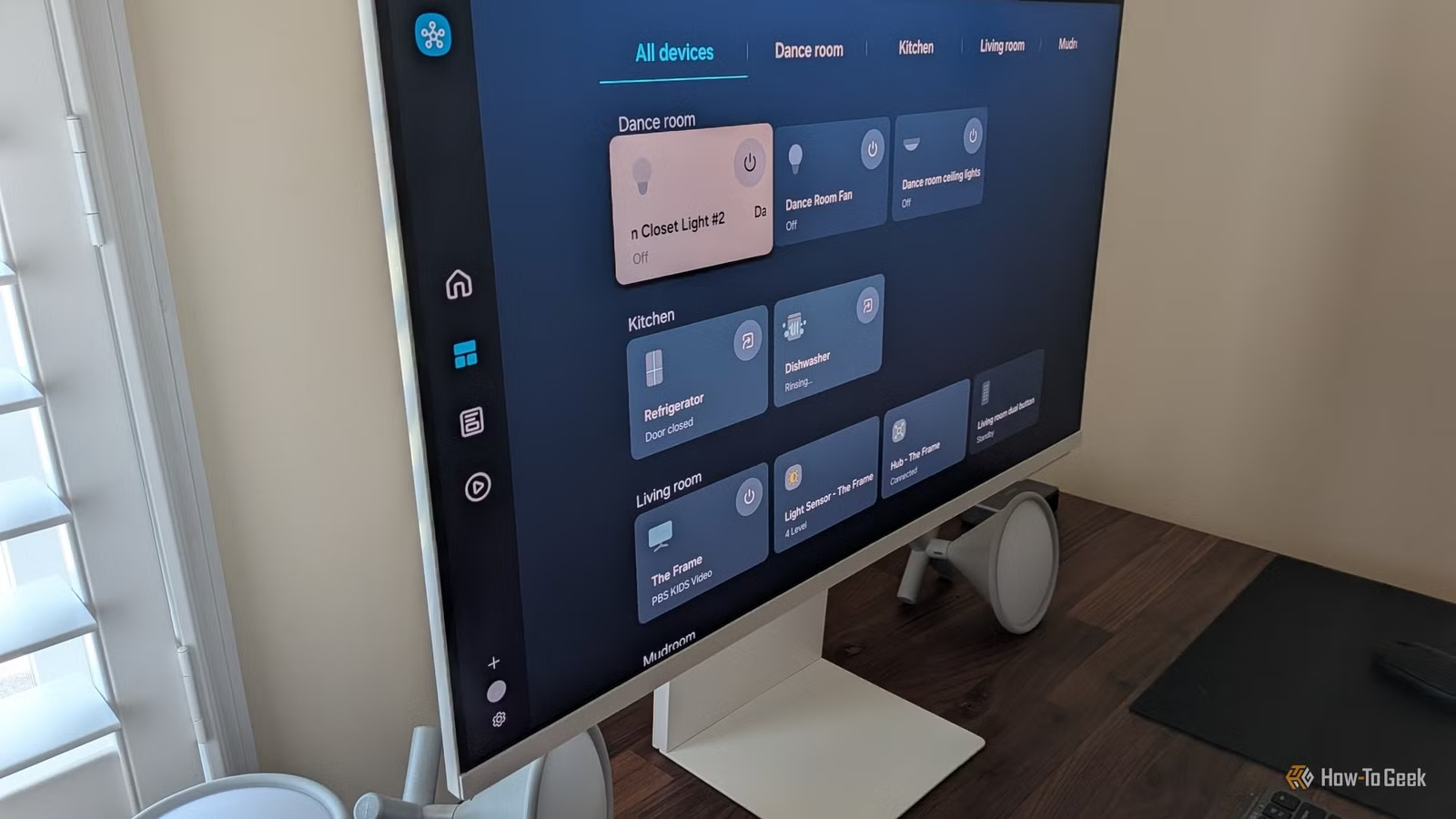
- Cheap devices often lack integration with mainstream smart home platforms, creating long-term compatibility headaches.
Smart home gear costs less than ever. You can automate lights, locks, cameras, and thermostats for hundreds instead of thousands. Budget options flood Amazon and AliExpress, promising the same features as name brands at half the price.
Tim Brookes, senior editor at How-To Geek, argues that some categories are worth the premium. He published a list of five device types where the savings come with trade-offs you'll regret later.
Logicity's Take
Smart Plugs and Relays: Fire Risk Isn't Worth $5
Smart plugs turn dumb devices into smart ones. Plug in a lamp, control it from your phone. Relays do the same job inside walls for bathroom fans or heated towel rails.
Brookes calls himself paranoid but won't trust no-name brands with devices that moderate power draw. "Reputable brands like IKEA and Shelly aren't that expensive in the first place, and I trust them a lot more than the no-name brands found on AliExpress or TEMU for a fraction of the price," he writes.
He also warns against exceeding maximum power draw. Devices like clothes dryers can pull more than 10A, the typical limit for consumer smart plugs. Heavy-duty plugs or dedicated devices like smart EV chargers should be used instead.
The global smart home security market is projected to hit $43.2 billion in 2026. Part of that growth comes from consumers treating these devices as infrastructure, not toys. An anonymous industry lead at a major smart home alliance told researchers, "The modern smart home has moved past the 'toy' phase. Today, security, privacy, and uptime are not just features — they are the foundation of trust."
Smart Locks: Convenience, Not Security, Scales With Price
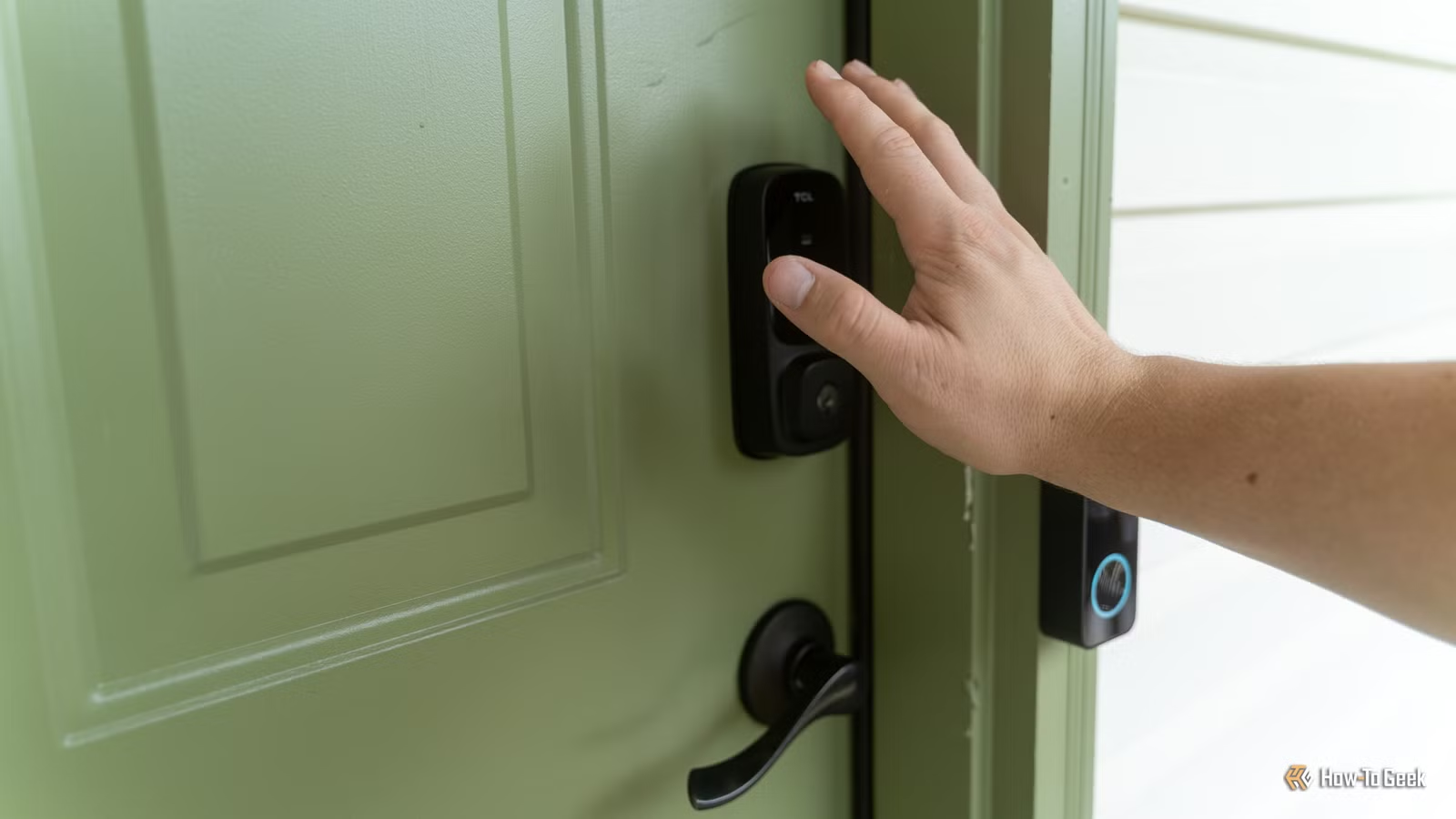
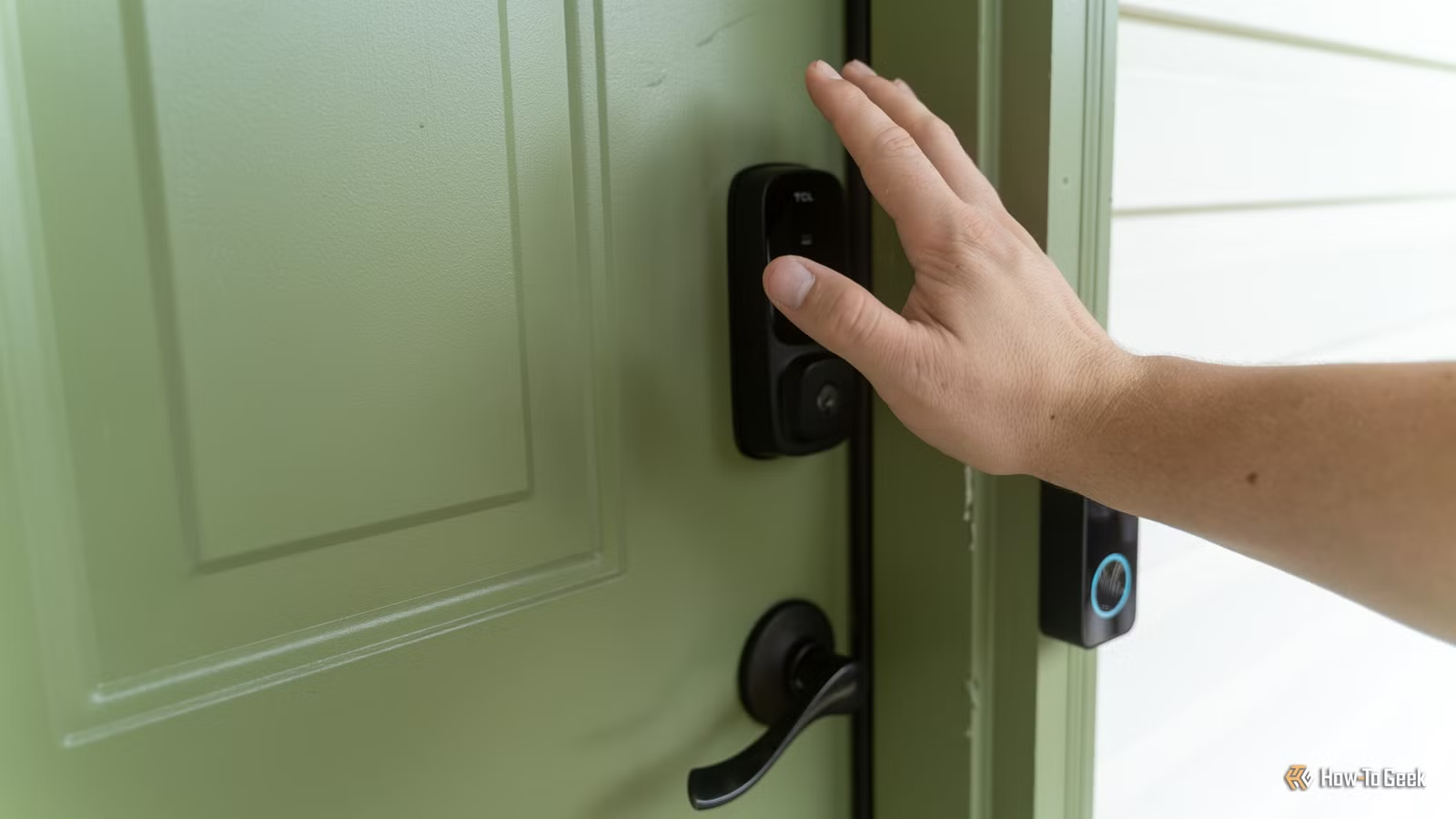
Smart locks rely on your existing door hardware. Spending more doesn't necessarily improve security. What you get is more ways to unlock the door.
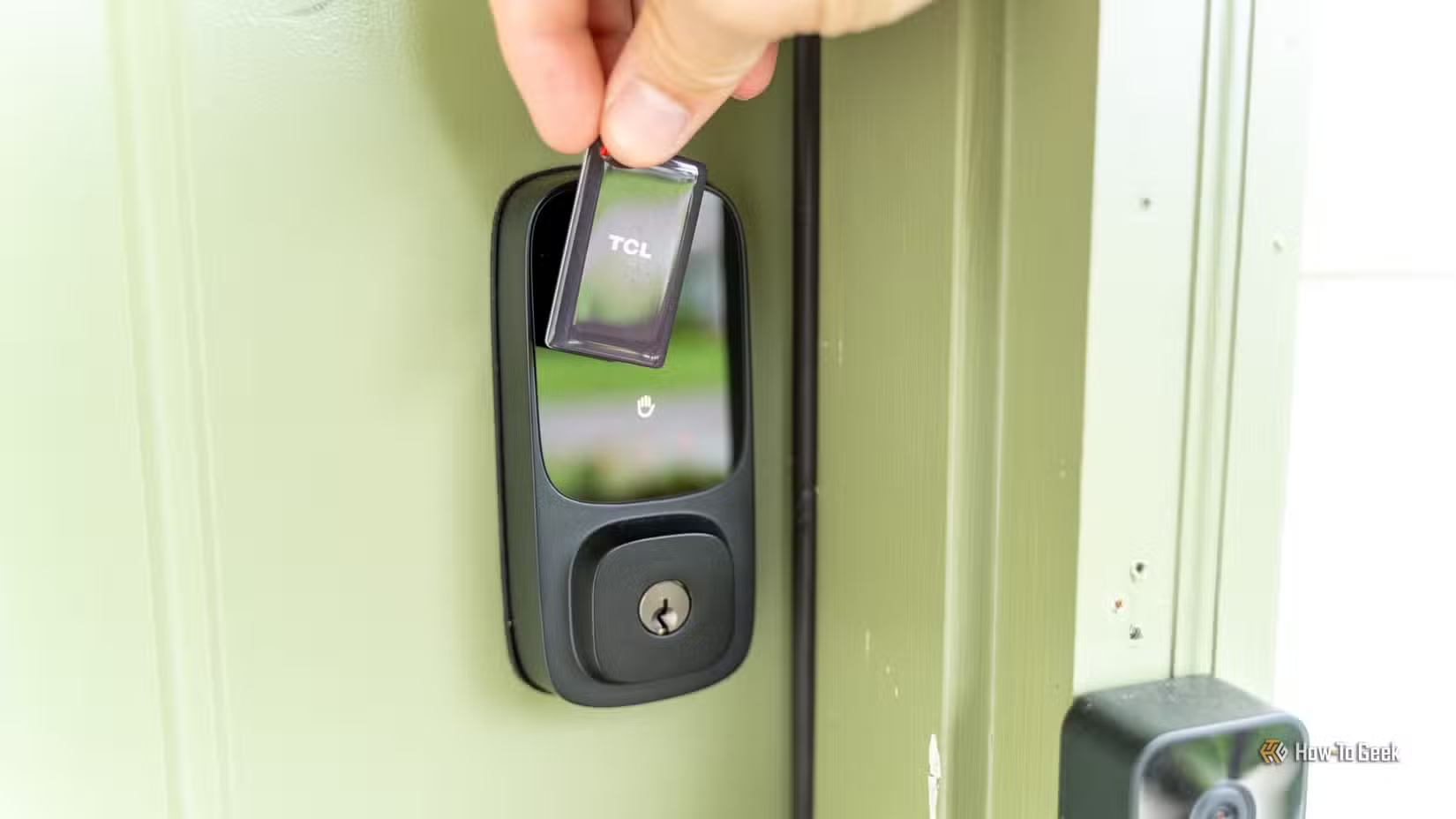
Basic smart locks offer a keypad or app control. Premium models add NFC readers for tapping your phone or smartwatch, fingerprint scanners, palm vein sensors, facial recognition, and better integration with platforms like HomeKit, Alexa, and Google Home. Some even include a backup physical keyhole.
Brookes doesn't say which brands he recommends, but the implication is clear. Locks that support multiple unlock methods and integrate with the platforms you already use are worth the upcharge. Budget locks that force you into a proprietary app or offer only one unlock method create friction every time you approach the door.
Why Matter Matters Now
The Matter protocol launched in late 2022, but 2026 is when adoption hit critical mass. Matter lets devices from different manufacturers work together without proprietary bridges or hubs.
Brookes doesn't explicitly mention Matter in the source, but the timing is no accident. Consumers now expect cross-platform compatibility. Budget devices from unknown manufacturers often skip Matter certification, locking you into ecosystems that might not exist in two years.
On Reddit's r/homeautomation and r/smarthome, users share stories of cheap locks bricking after firmware updates or Wi-Fi cameras becoming security liabilities. The recurring advice is "buy once, cry once" — pay for a reputable brand that supports open standards.
The Three Other Categories Brookes Flags
The source text cuts off mid-sentence after smart locks, so we don't know the remaining three categories. Based on Brookes' framing — safety, performance, long-term hassle — candidates would include cameras, hubs, and sensors.
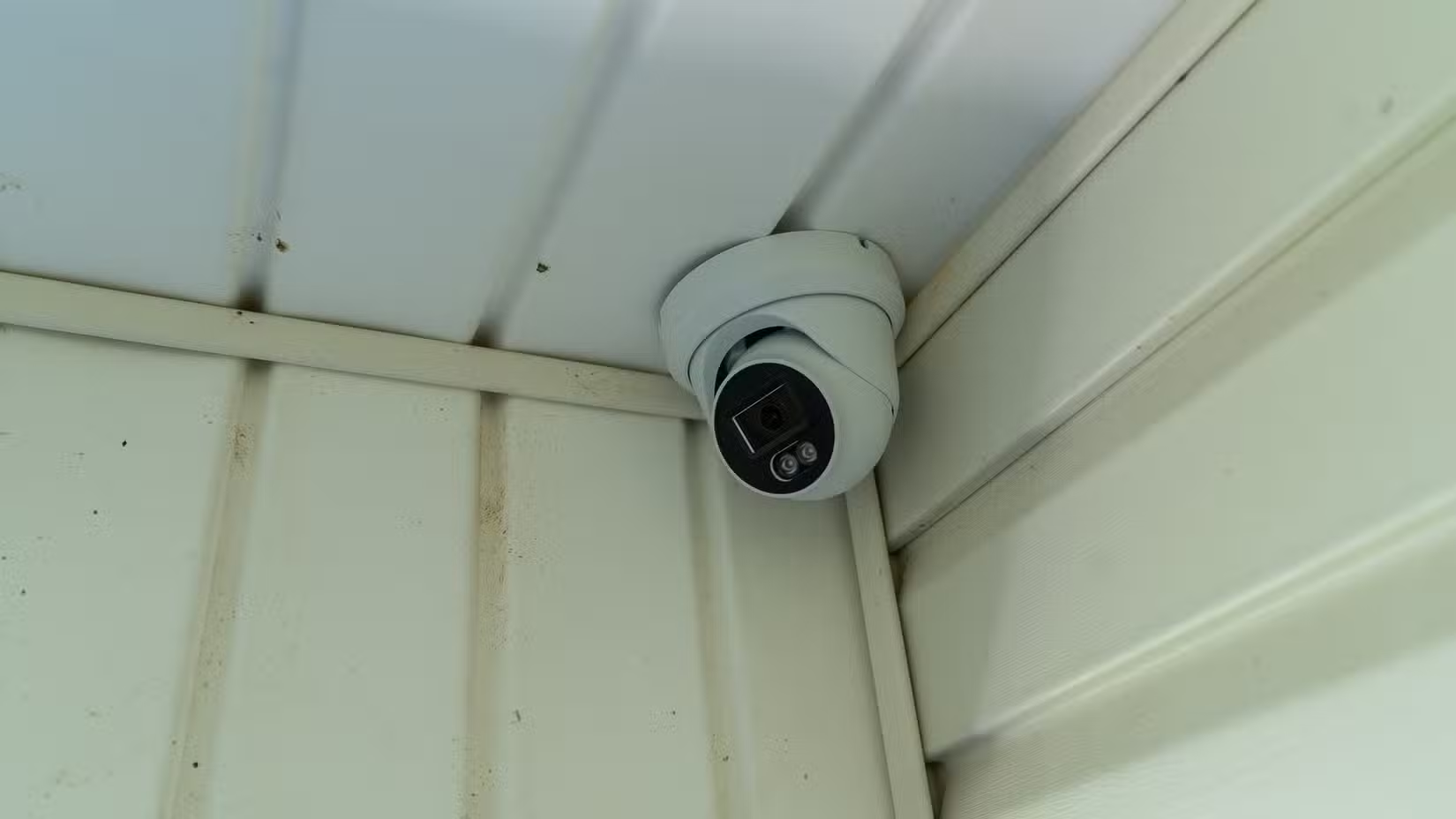
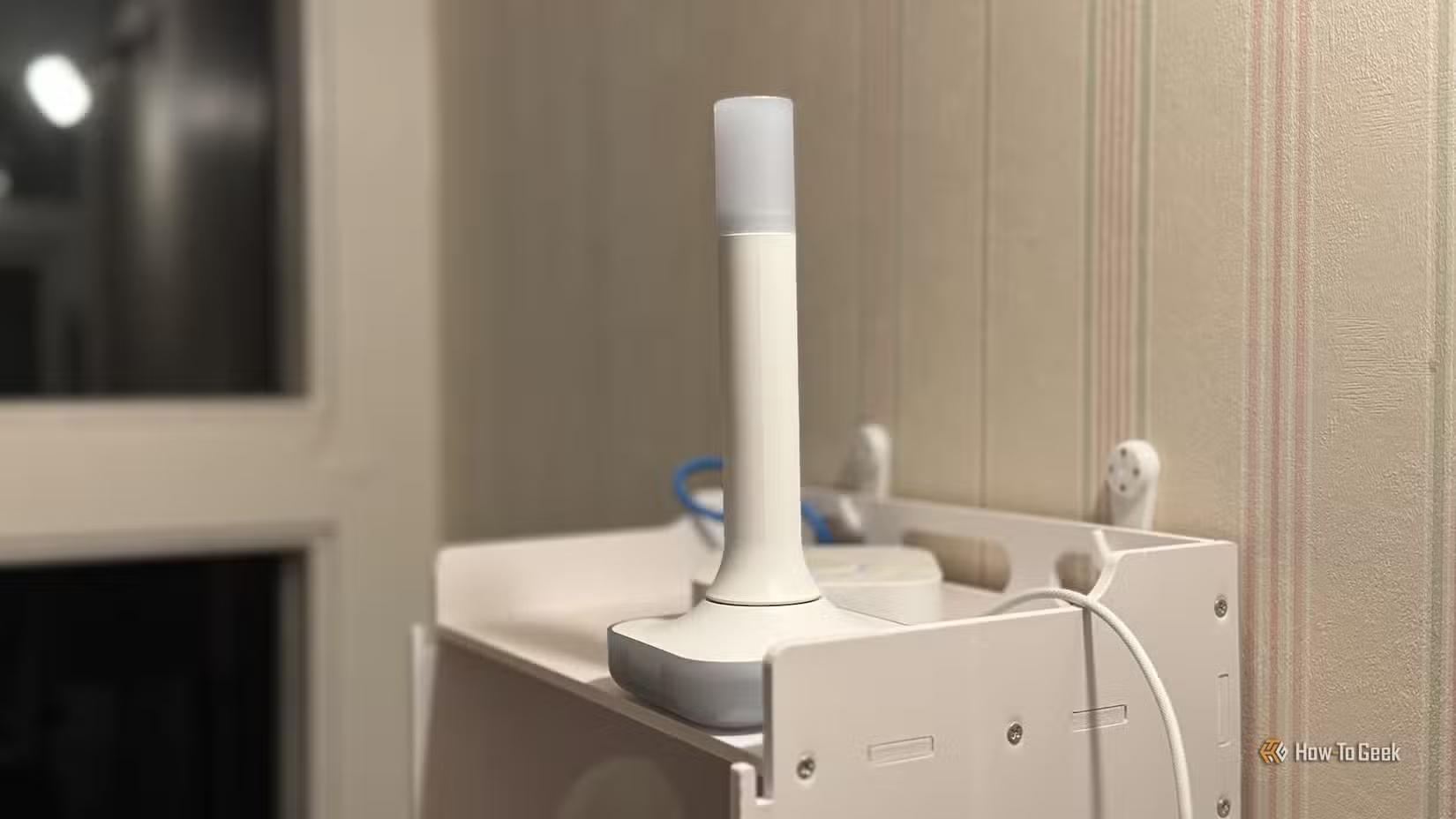
Cameras are obvious. A budget camera that fails to record an intrusion or leaks your feed to third parties defeats the purpose. Hubs orchestrate automation, and a flaky hub means nothing works when you need it. Sensors for motion, temperature, or water leaks need to be reliable or they're useless.
The article's core argument holds across all five: some devices are foundational. Saving $20 on a plug that burns your house down is a bad trade. Saving $50 on a lock that won't unlock when your hands are full is a bad trade. Saving $30 on a camera that doesn't record is a bad trade.
Installation Complexity Still Deters Adoption
Even with prices falling, 60% of consumers cite installation and management complexity as the primary deterrent to adopting comprehensive smart home systems, per industry surveys.
Budget devices often make this worse. They ship with bad documentation, require separate apps for every manufacturer, and break compatibility when the company folds or stops supporting older models.
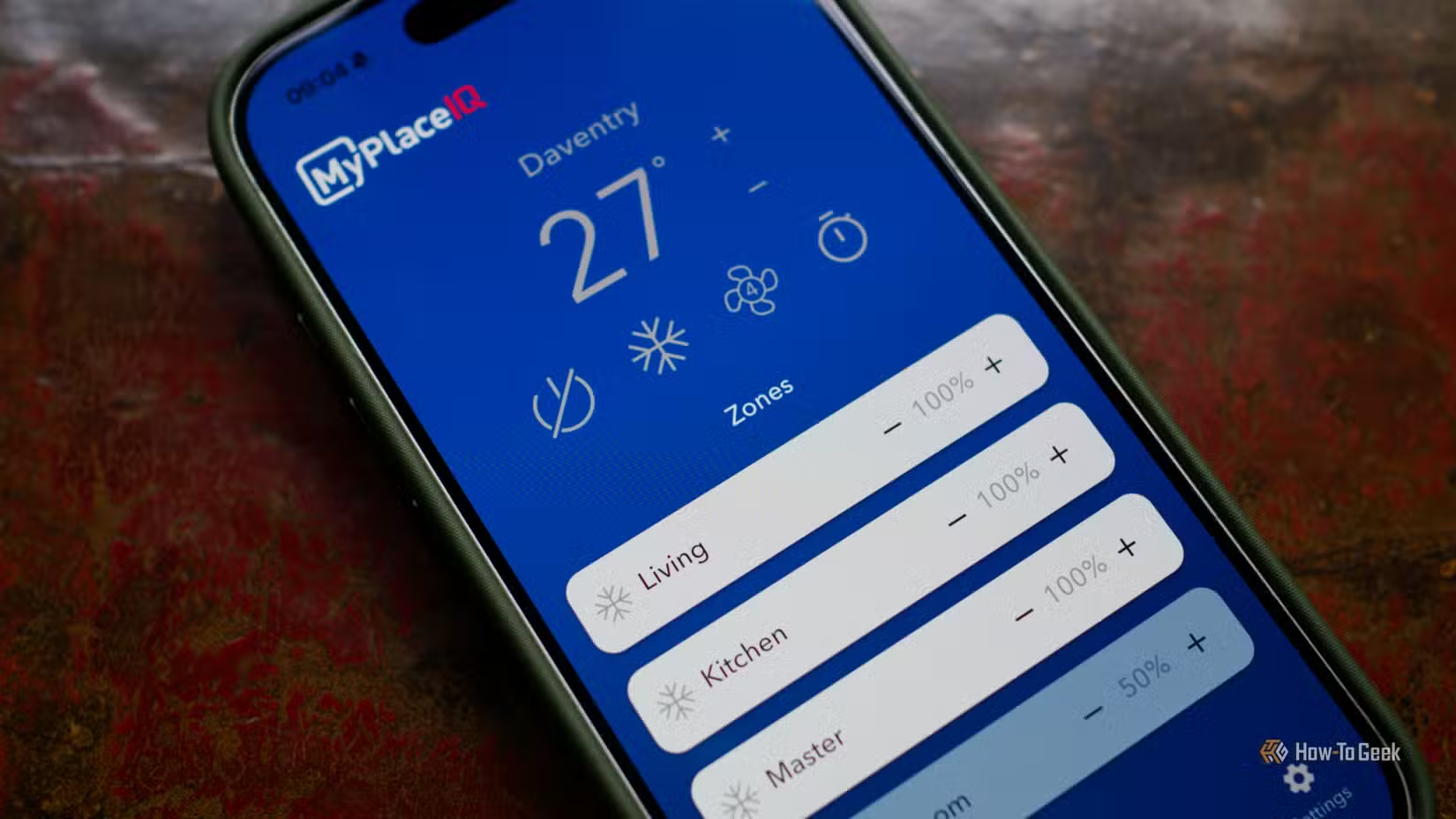
Premium devices cost more upfront but integrate with existing ecosystems. You set them up once in HomeKit, Alexa, or Google Home and they work. No proprietary app. No firmware that bricks the device. No support forum where the last post is from 2024.
Frequently Asked Questions
Are budget smart plugs actually dangerous?
Budget smart plugs can be dangerous if they use substandard internal components that fail under load. Reputable brands like IKEA and Shelly undergo safety testing and certification. No-name brands on AliExpress or TEMU may skip this, creating fire and shock risks. Always check that a smart plug is rated for the device you're connecting.
What's the difference between a $50 and $200 smart lock?
Security hardware is often identical. The price difference buys convenience features: NFC readers, fingerprint scanners, palm vein recognition, facial recognition, and better integration with HomeKit, Alexa, or Google Home. Premium locks also tend to support open standards like Matter, ensuring they work with future devices.
Does Matter really solve smart home compatibility problems?
Matter is a unified protocol that lets devices from different manufacturers work together without proprietary hubs. It launched in 2022 and hit critical adoption in 2026. Devices with Matter certification work across HomeKit, Alexa, Google Home, and other platforms. Budget devices often skip certification, locking you into single ecosystems.
Why do 60% of consumers still avoid smart home systems?
Installation and management complexity is the top barrier. Budget devices make this worse with bad documentation, proprietary apps, and inconsistent firmware updates. Premium devices integrate with existing platforms and use open standards, reducing setup friction and long-term maintenance.
Can I mix budget and premium smart home devices safely?
You can, but focus spending on devices that control power, security, or automation logic. Smart plugs, locks, cameras, hubs, and critical sensors should be reputable brands. Decorative devices like smart bulbs or speakers are lower risk. Always verify that budget devices support the platforms you use.
Need Help Implementing This?
Source: How-To Geek
Huma Shazia
Senior AI & Tech Writer
Produced with AI assistance and reviewed by the Logicity editorial team. Learn more in our Editorial Policy.