
Key Takeaways

- The Galaxy A37 earns an 8/10 from Engadget with strong marks for display, battery life, and software longevity
- Samsung upgraded water resistance to IP68 and added Circle to Search, but dropped the microSD card slot
- The 256GB model costs $540, pushing it past the $500 sweet spot for some buyers
Samsung's Galaxy A37 5G lands at a moment when every purchase feels like a negotiation. Prices keep climbing. Budgets keep shrinking. And yet Samsung managed to build a phone that Engadget calls "a small blessing for budget-conscious buyers." They gave it an 8 out of 10.
The A37 starts under $500 and delivers what most people actually need: a big, bright screen, solid battery life, water resistance, and six years of software updates. It's not flashy. It's not the fastest. But it works, and it works well.
✅ Pros
- • 6.7-inch OLED display with up to 1,900 nits peak brightness
- • IP68 dust and water resistance (upgraded from IP67)
- • Six years of OS and security updates
- • Sleek, lightweight plastic design
- • Strong battery life
❌ Cons
- • Fingerprint reader could be better
- • 256GB model costs $540
- • No microSD card slot
Design: Plastic Done Right
The biggest difference between the A37 and its pricier sibling, the A57, is the frame. The A37 uses full plastic instead of aluminum. But Samsung made it feel anything but cheap. Engadget's Sam Rutherford had to tap a quarter on the back and sides to confirm it wasn't metal.

The plastic build has an upside: more color options. The A37 comes in white, lavender, charcoal, and graygreen (depending on retailer). The A57? Navy only.
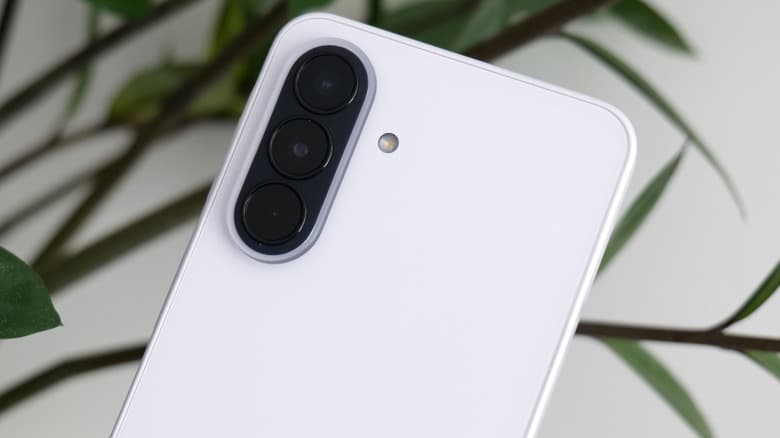
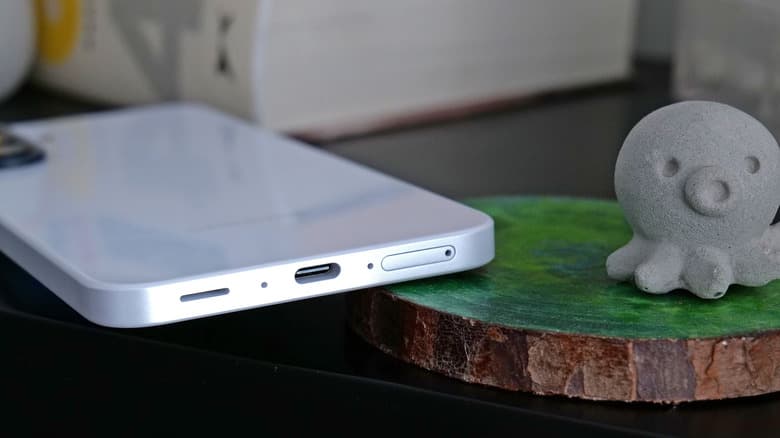
Samsung kept the rest simple. You get a volume rocker, lock/power button, stereo speakers, and an assortment of cameras. One design quirk: the bezel below the screen is slightly thicker than the other sides. Minor, but it might bother perfectionists.
The bad news: no microSD card slot. Samsung removed it on last year's A36, and the A37 follows suit. The good news: water resistance got an upgrade. The A37 carries an IP68 rating, up from IP67 on its predecessor. That means it can handle submersion in deeper water for longer.
Display: Big, Bright, and OLED
The 6.7-inch OLED panel is one of the A37's strongest selling points. It hits up to 1,900 nits of peak brightness. That's impressive for this price range. Outdoor visibility should be excellent, and OLED means deep blacks and vibrant colors.
Performance: Good Enough for Most
The Exynos 1480 chip inside the A37 is a couple years old. Not cutting edge. The base model comes with 6GB of RAM, which also isn't impressive by 2026 standards. Higher-end configurations offer 8GB of RAM with either 128GB or 256GB of storage.

Rutherford noticed some stuttering during initial setup. But after a day of app updates, software optimization, and background downloads, the phone settled down. For scrolling, casual games, and light AI apps, the A37 feels "pretty snappy."
This generation adds Google's Circle to Search, enhanced transcription features, and Samsung's Object Eraser tool (borrowed from the flagship Galaxy S line). These AI additions are welcome, though the article notes the A37 doesn't match phones like the Pixel 10a for pure Android performance.
Cameras: Solid, Not Spectacular
Engadget's review mentions an "assortment of cameras" but doesn't dive deep into image quality. For a phone at this price, expect capable daylight shots and adequate low-light performance. Don't expect Pixel-level computational photography.
Battery Life: A Highlight
Battery life earned a spot in the pros column. Engadget calls it "strong" without providing specific screen-on time numbers. For a phone with a 6.7-inch OLED panel, lasting through a full day of use matters. The A37 appears to deliver.
Software: Six Years of Updates
Samsung promises six years of OS and security updates. That's flagship-level support on a budget phone. If you buy the A37 today, you're covered through 2032. For anyone who keeps phones for multiple years, this commitment adds real value.
The $540 Problem
The base A37 stays under $500. But the 256GB model costs $540. Without a microSD card slot, storage matters more than ever. Samsung's decision to remove expandable storage while charging $40 extra for more built-in space feels like a deliberate squeeze.
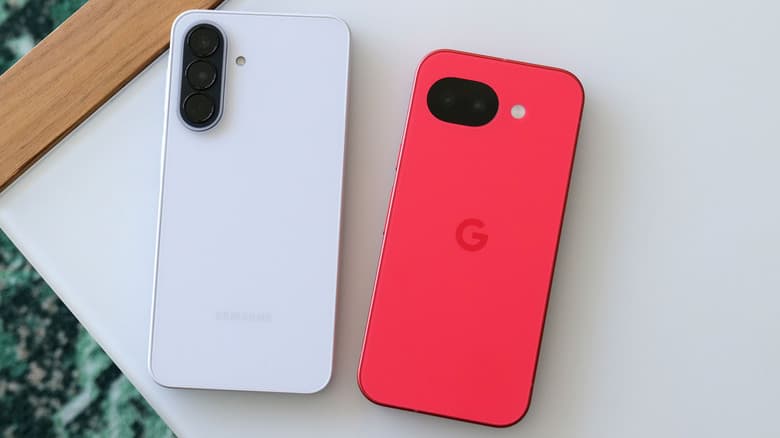
Rutherford mentions preferring the Pixel 10a for Android phones under $500. That's worth noting. The A37 competes in a crowded segment, and Google's midrange option remains strong competition.
Logicity's Take
The Verdict
Engadget's 8/10 score reflects a phone that does most things well without doing anything exceptionally. The fingerprint reader could be better. The microSD card slot is missed. But the display is excellent, the battery holds up, and six years of updates means this phone will age gracefully.
For anyone who "just wants a solid Android handset for a decent price," as Rutherford puts it, the Galaxy A37 5G delivers. In 2026's economy, that's worth something.
Another look at how hardware tradeoffs are shifting in 2026
Frequently Asked Questions
How much does the Samsung Galaxy A37 cost?
The Galaxy A37 starts under $500 for the base model. The 256GB storage variant costs $540.
Does the Galaxy A37 have a microSD card slot?
No. Samsung removed the microSD card slot starting with the A36, and the A37 continues without it.
How long will Samsung support the Galaxy A37?
Samsung promises six years of OS and security updates, covering the phone through 2032.
Is the Galaxy A37 waterproof?
The A37 carries an IP68 rating, an upgrade from the A36's IP67. It can handle dust and water submersion.
How does the Galaxy A37 compare to the Pixel 10a?
Engadget's reviewer prefers the Pixel 10a for Android phones under $500, though the A37 remains a strong competitor with its display and update commitment.
Need Help Implementing This?
Source: Engadget
Manaal Khan
Tech & Innovation Writer
Produced with AI assistance and reviewed by the Logicity editorial team. Learn more in our Editorial Policy.




