Key Takeaways
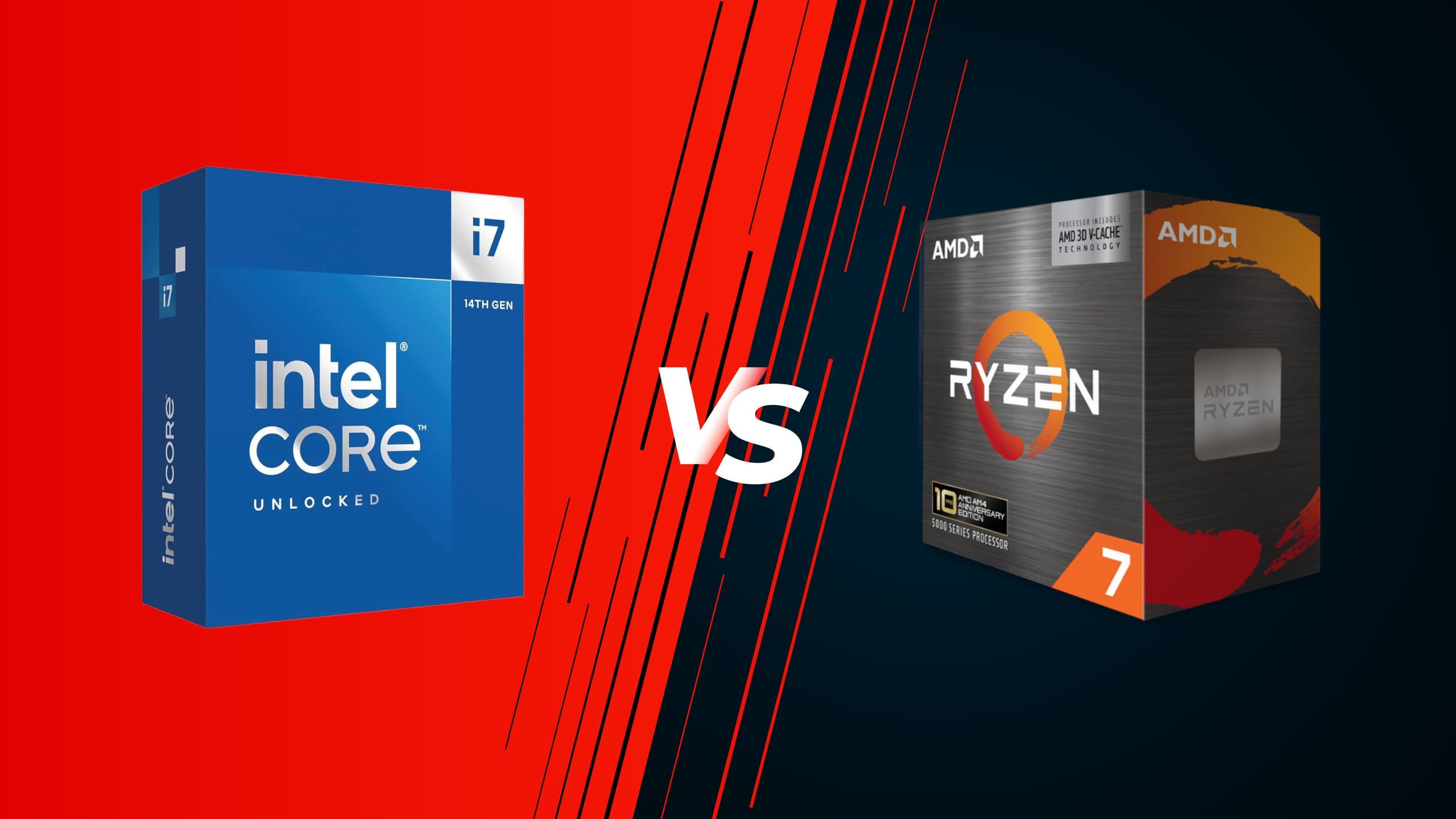
- AMD has revived the Ryzen 7 5800X3D in 2026, giving AM4 platform owners a fresh high-end option
- The Intel Core i7-14700K wins on paper with 20 cores, DDR5 support, and overclocking capability
- Both CPUs retail around $350, but the 5800X3D faces scalper pricing up to $600
AMD has resurrected a four-year-old chip to fight Intel's current mid-range champion. The Ryzen 7 5800X3D, originally released in April 2022, is back in 2026 to give AM4 platform owners one more reason not to upgrade. Its opponent: the Intel Core i7-14700K, a 20-core hybrid chip that dominates on paper. Both retail around $350, making this a genuine faceoff for budget-conscious gamers.
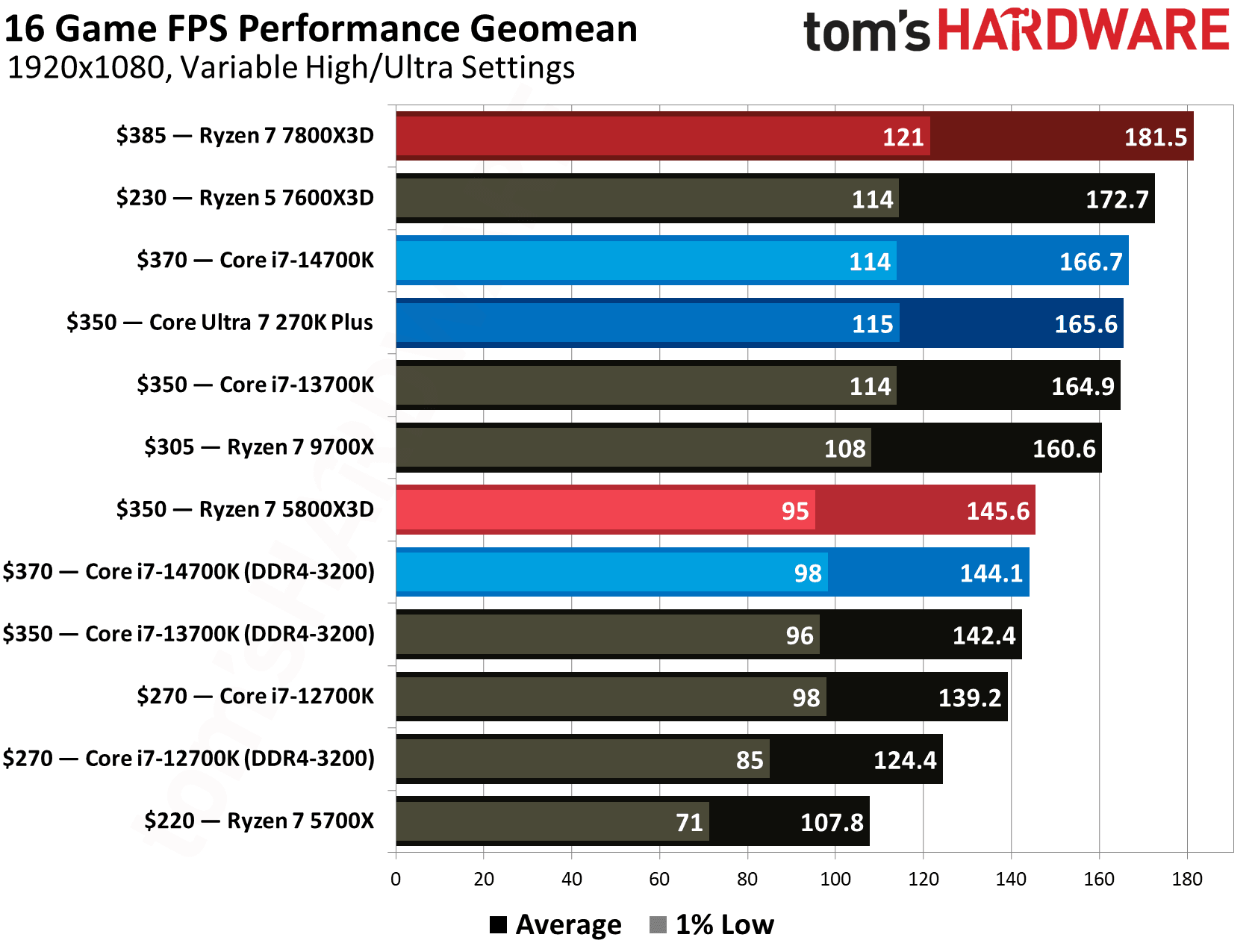
The 5800X3D's revival is a strange move. AMD has newer, faster chips. But millions of gamers still run AM4 motherboards with DDR4 memory. Upgrading to AM5 or Intel's LGA 1700 means new RAM, a new board, and often a new cooler. That adds $300 to $500 to the bill. For these users, the 5800X3D is a drop-in upgrade that keeps everything else intact.
How do the specs compare?
| Spec | AMD Ryzen 7 5800X3D | Intel Core i7-14700K |
|---|---|---|
| Architecture | Zen 3 (TSMC 7nm) | Raptor Lake Refresh (Intel 7) |
| Cores / Threads | 8 / 16 | 20 / 28 (8P + 12E) |
| Base / Boost Clock | 3.4 / 4.5 GHz | 3.4 / 5.6 GHz |
| Total Cache | 100 MB (96 MB L3) | 61 MB (33 MB L3) |
| TDP / Max Power | 105W / 142W | 125W / 253W |
| Memory Support | DDR4-3200 | DDR4-3200 or DDR5-5600 |
| PCIe Support | Gen 4 (20 lanes) | Gen 5 (16 lanes) + Gen 4 (4 lanes) |
| Overclocking | Memory only | Fully unlocked |
| Integrated Graphics | No | UHD Graphics 770 |
| Street Price | $350 (up to $600 scalped) | $350-380 |
On specifications alone, Intel wins handily. The 14700K has 12 more cores, clocks over a gigahertz higher, supports both DDR4 and DDR5, offers PCIe 5.0, includes integrated graphics, and allows full overclocking. The 5800X3D cannot be overclocked at all due to thermal constraints from its 3D V-Cache stack.
But specifications rarely tell the whole story with CPUs. The 5800X3D's advantage is its 96 MB of L3 cache, nearly triple what the 14700K offers. This matters enormously in gaming, where keeping textures, game state, and instructions close to the cores reduces memory latency.
What is 3D V-Cache and why does it matter for gaming?
The Ryzen 7 5800X3D was the first consumer processor to use 3D-stacked cache. AMD bonded an extra 64 MB of SRAM directly on top of the existing die, increasing L3 cache from 32 MB to 96 MB. This vertical stacking, called 3D V-Cache, keeps data physically closer to the cores than any planar arrangement could.
Games are cache-hungry. They constantly fetch textures, AI states, physics calculations, and player position data. When that data lives in L3 cache rather than system RAM, the CPU doesn't have to wait dozens of nanoseconds for each fetch. The result: 15% to 20% higher frame rates in many titles compared to a standard Ryzen 7 5800X, without changing clock speeds or core counts.
The tradeoff is heat. Stacking silicon vertically concentrates thermal output, which is why AMD locked the 5800X3D's core multiplier. You cannot overclock it. Memory overclocking remains available, but the CPU itself runs at stock speeds only.
Who should buy the Ryzen 7 5800X3D in 2026?
The 5800X3D makes sense for one specific audience: gamers who already own an AM4 motherboard and DDR4 RAM. If you're running a Ryzen 5 3600 or Ryzen 7 3700X, the 5800X3D is a substantial upgrade that costs only the CPU itself. No new board, no new memory, no new cooler. Just swap the chip and update the BIOS.
It does not make sense for new builds. Anyone starting fresh should consider the total platform cost. Intel's 14700K supports DDR5, which is now price-competitive with DDR4 and offers a path forward. AMD's AM5 platform with Ryzen 7000 or 9000 series chips is the more sensible choice for someone buying everything new.
There's a catch: scalpers. The 5800X3D's revival has created artificial scarcity. While the official price is around $350, actual street prices run as high as $600. At that price, the value proposition collapses. You're paying a premium for a four-year-old chip that can't be overclocked.
Who should buy the Intel Core i7-14700K?
The 14700K suits builders who want flexibility. It works with DDR4 or DDR5, so you can reuse existing memory or invest in faster RAM. The 20 cores and 28 threads handle productivity workloads far better than the 5800X3D's 8 cores. Video encoding, 3D rendering, and heavy multitasking all favor Intel here.
Overclocking enthusiasts also benefit. The 14700K is fully unlocked on Z-series motherboards. You can push the P-cores past 5.6 GHz with adequate cooling. The 5800X3D offers no such tuning.
The downside is power draw. Intel's chip can pull up to 253W under full load, nearly double the 5800X3D's 142W maximum. That demands a beefier cooler, a higher-wattage power supply, and generates more heat in your case. For a compact build, the thermal burden matters.
Platform costs: the hidden math
A CPU comparison at equal prices ignores platform costs. The 5800X3D works with any 300-, 400-, or 500-series AM4 motherboard, though BIOS updates may be required on older boards. DDR4 memory is cheap and plentiful. Total platform cost for an existing AM4 user: $350 for just the CPU.
The 14700K requires an LGA 1700 motherboard from Intel's 600- or 700-series. A decent Z790 board runs $180 to $250. DDR5 memory adds another $100 to $150 for a 32 GB kit. Total platform cost for a new builder: $630 to $750 before you add the CPU.
That context changes the equation. The 5800X3D isn't competing against the 14700K in isolation. It's competing against the entire cost of switching platforms. For someone already invested in AM4, AMD's revived chip delivers flagship gaming performance without forcing a complete rebuild.
The verdict
If you own an AM4 system and can find the 5800X3D at $350 or less, it remains one of the best gaming CPUs you can buy. The 96 MB of cache keeps pace with Intel's newer silicon in most games, and you avoid spending another $300 to $400 on platform components.
If you're building from scratch, the Core i7-14700K is the smarter choice. It offers more cores, more features, DDR5 support, and a platform with longer support ahead. Intel wins the spec sheet, but AMD wins the total cost of ownership for existing AM4 users.
Logicity's Take
AMD's decision to revive a 2022 chip in 2026 looks like desperation. It's actually clever. DDR4 isn't dead. Millions of gamers have perfectly good AM4 systems that need only a CPU swap to compete with current hardware. The 5800X3D revival acknowledges that upgrade cycles have lengthened. Not everyone wants to replace their entire platform every three years. For AMD, it's low-risk production on a proven design that fills a gap Intel cannot touch.
Frequently Asked Questions
Can I use the Ryzen 7 5800X3D with DDR5 memory?
No. The 5800X3D only supports DDR4 memory via the AM4 platform. DDR5 requires AMD's newer AM5 socket or Intel's LGA 1700 platform.
Is the Ryzen 7 5800X3D still good for gaming in 2026?
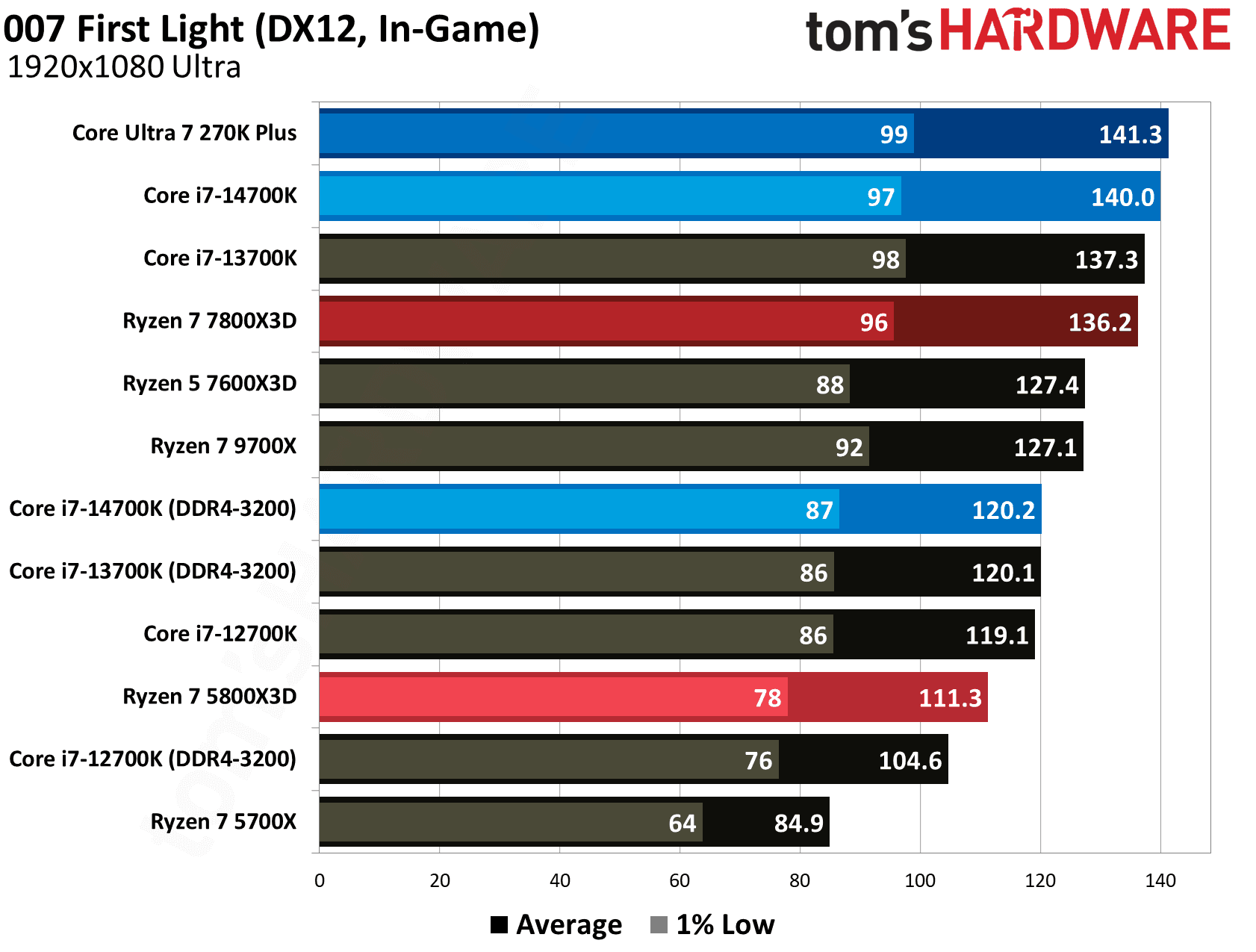
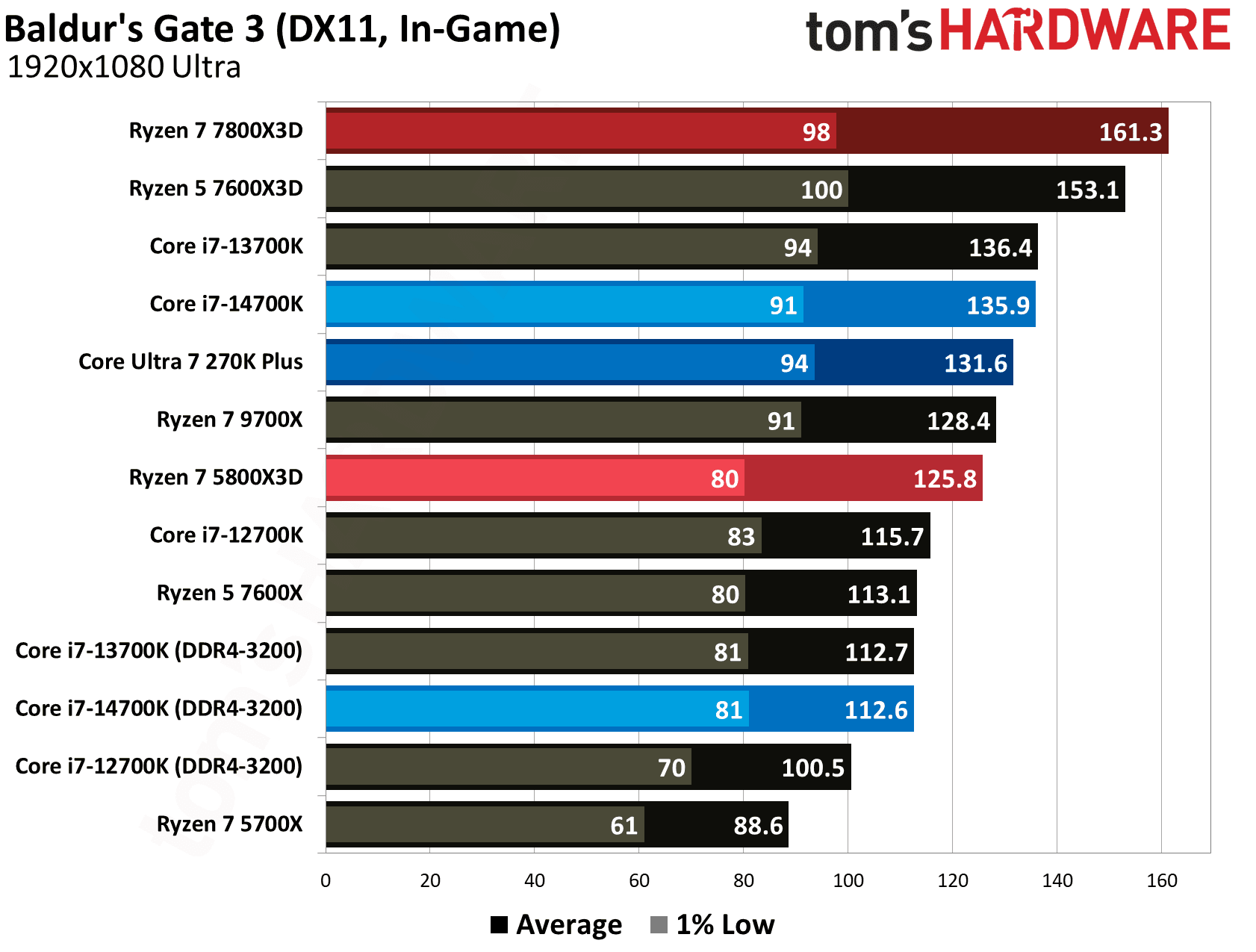
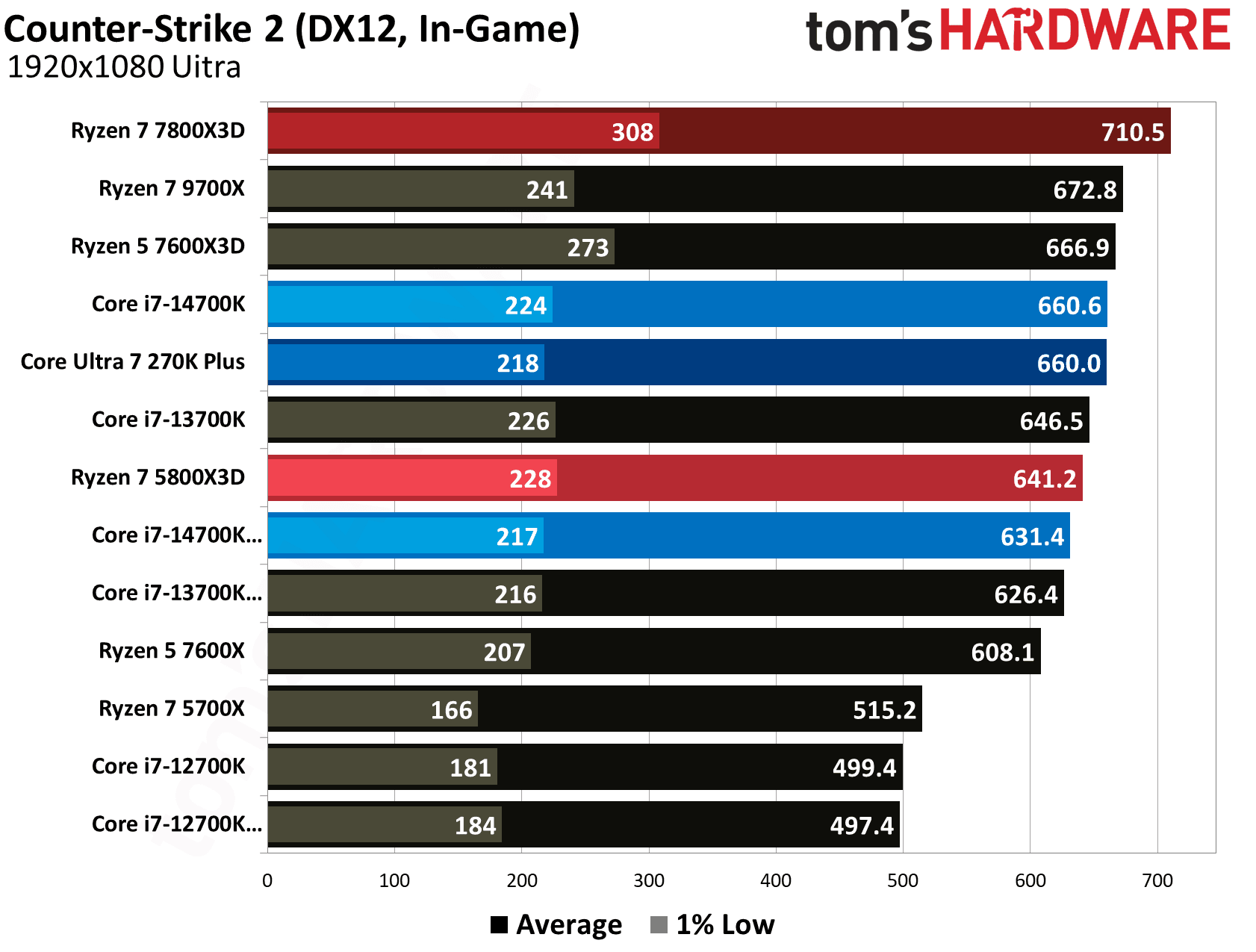
Yes. The 96 MB of L3 cache keeps it competitive with newer CPUs in most games. It trades blows with Intel's 14700K in gaming benchmarks despite being four years older.
Why can't I overclock the Ryzen 7 5800X3D?
AMD disabled core overclocking to manage heat. The 3D V-Cache stack sits directly on top of the cores, concentrating thermal output. Higher voltages risk damaging the cache layer.
Which CPU is better for streaming and content creation?
The Core i7-14700K. Its 20 cores and 28 threads handle multi-threaded workloads like video encoding and streaming far better than the 5800X3D's 8 cores.
Should I wait for the Ryzen 7 5800X3D scalping prices to drop?
If you can wait, yes. The inflated $600 price destroys the value proposition. At $350, it's a strong upgrade. At $600, buy a newer platform instead.
Relevant for AM4 users planning to keep older systems running longer
Need Help Implementing This?
Planning a CPU upgrade or new build? Logicity can help you evaluate platform costs and make the right choice for your workload. Contact our team for personalized recommendations.
Source: Latest from Tom's Hardware
Huma Shazia
Senior AI & Tech Writer
Produced with AI assistance and reviewed by the Logicity editorial team. Learn more in our Editorial Policy.