Key Takeaways

- Portal and Paladin will combine spacecraft and capture tech for multi-object debris removal missions
- The first Starburst spacecraft launch is planned for late 2026, with commercial operations in 2027
- Portal raised $50 million in Series A funding in early April to advance development
Two private companies are joining forces to tackle one of spaceflight's growing problems: orbital junk. Portal Space Systems, based in the U.S., and Australian startup Paladin Space announced a partnership on March 19 to offer commercial debris removal in low Earth orbit starting in 2027.
The service, called Debris Removal as a Service (DRAAS), aims to capture multiple debris objects during a single mission. That approach could make cleanup economically viable for the first time.
How the Technology Works
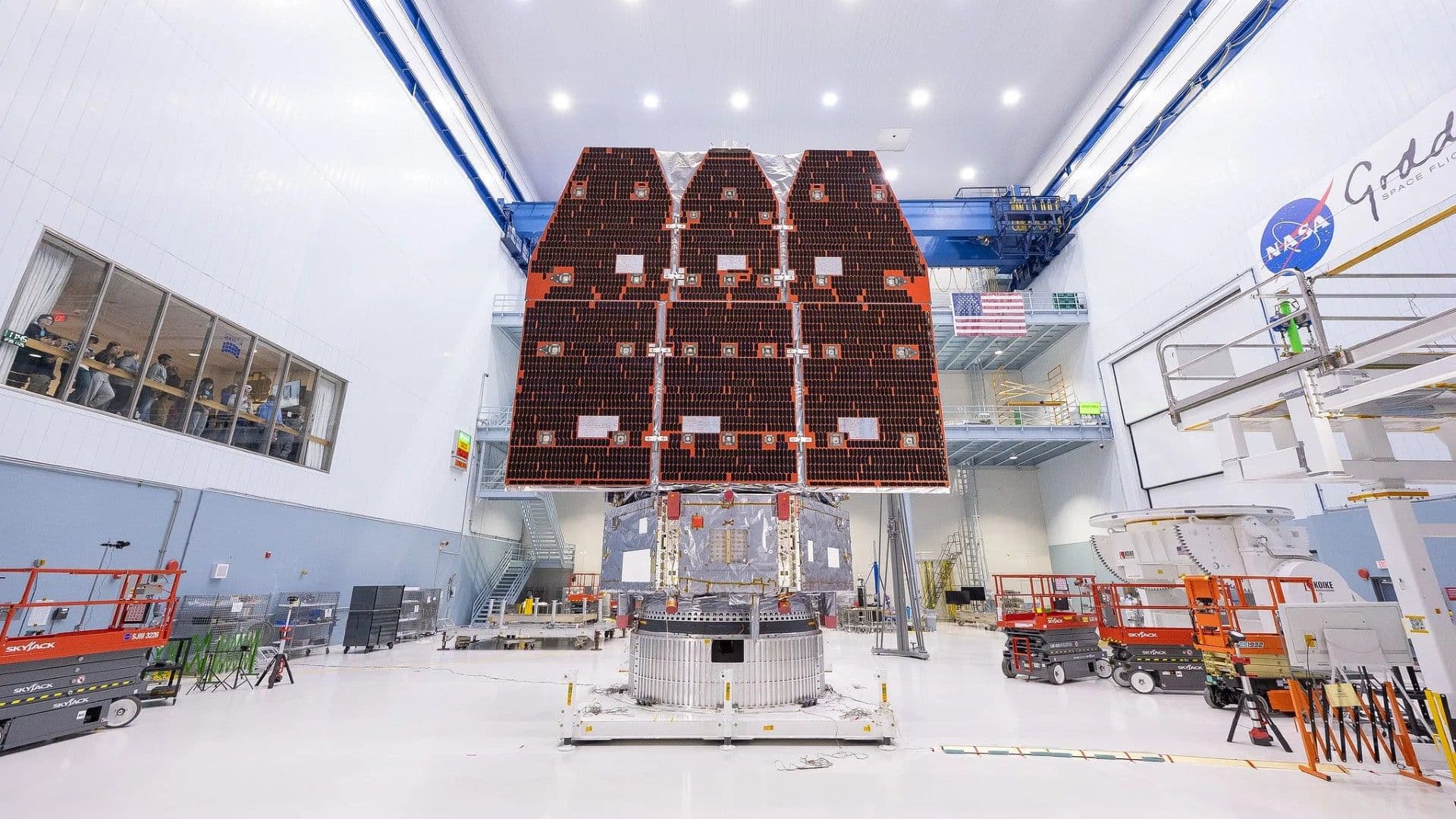
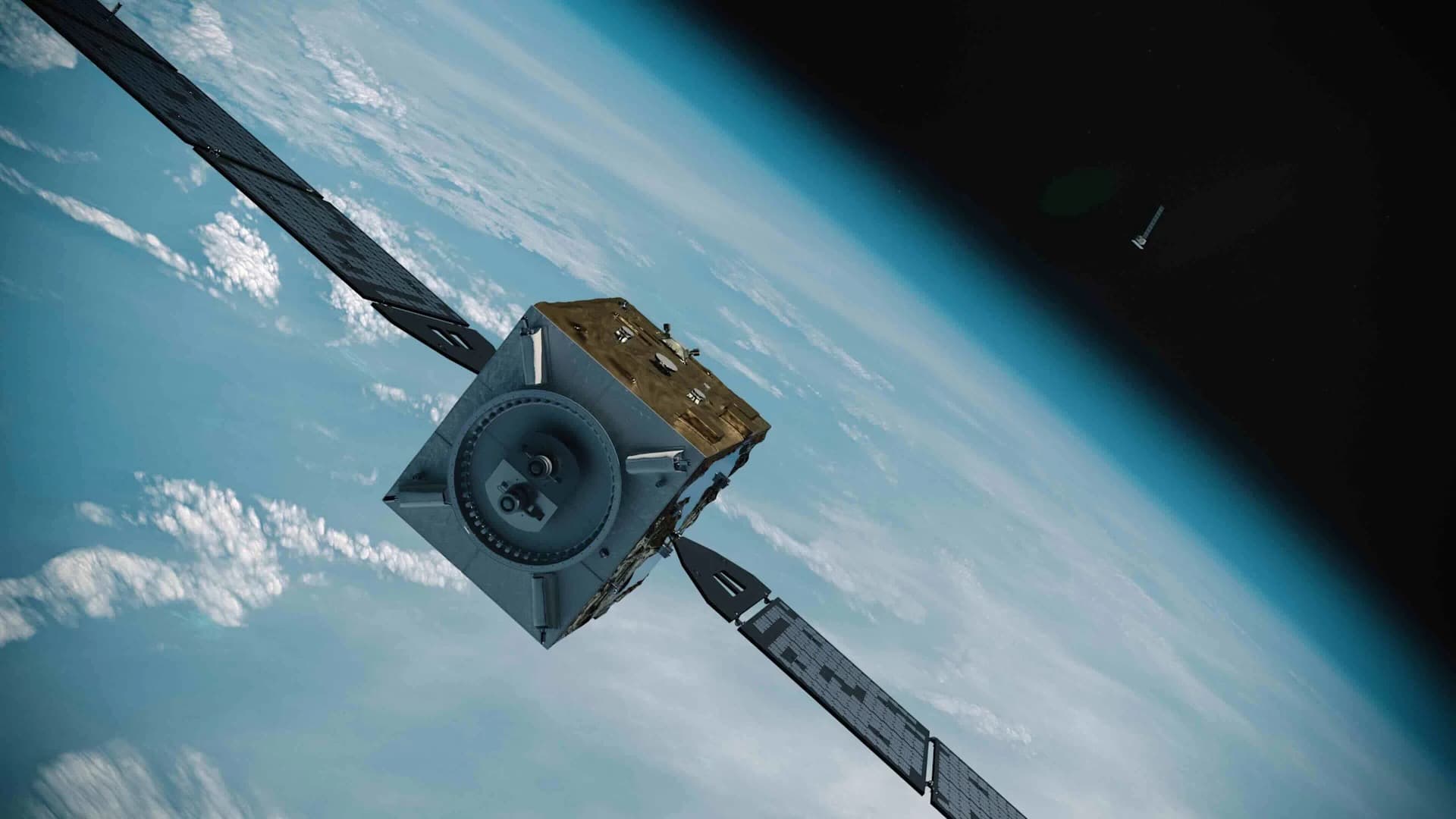
The platform combines two systems. Portal contributes its Starburst spacecraft, which is maneuverable and refuelable. Paladin brings its Triton payload, designed to image, classify, and capture tumbling debris objects smaller than 1 meter (about 3 feet).
The ability to grab multiple small objects per mission is central to the business case. Traditional debris removal concepts focus on large, high-value targets like dead satellites. Portal and Paladin are going after the smaller stuff that drives most collision-avoidance maneuvers.
“Most collision-avoidance activity is driven by small debris. Triton is built to remove dozens of those objects in a single mission, which fundamentally changes the cost structure of debris remediation and provides the greatest benefit to satellite operators.”
— Harrison Box, CEO of Paladin Space
Why Space Debris Matters Now
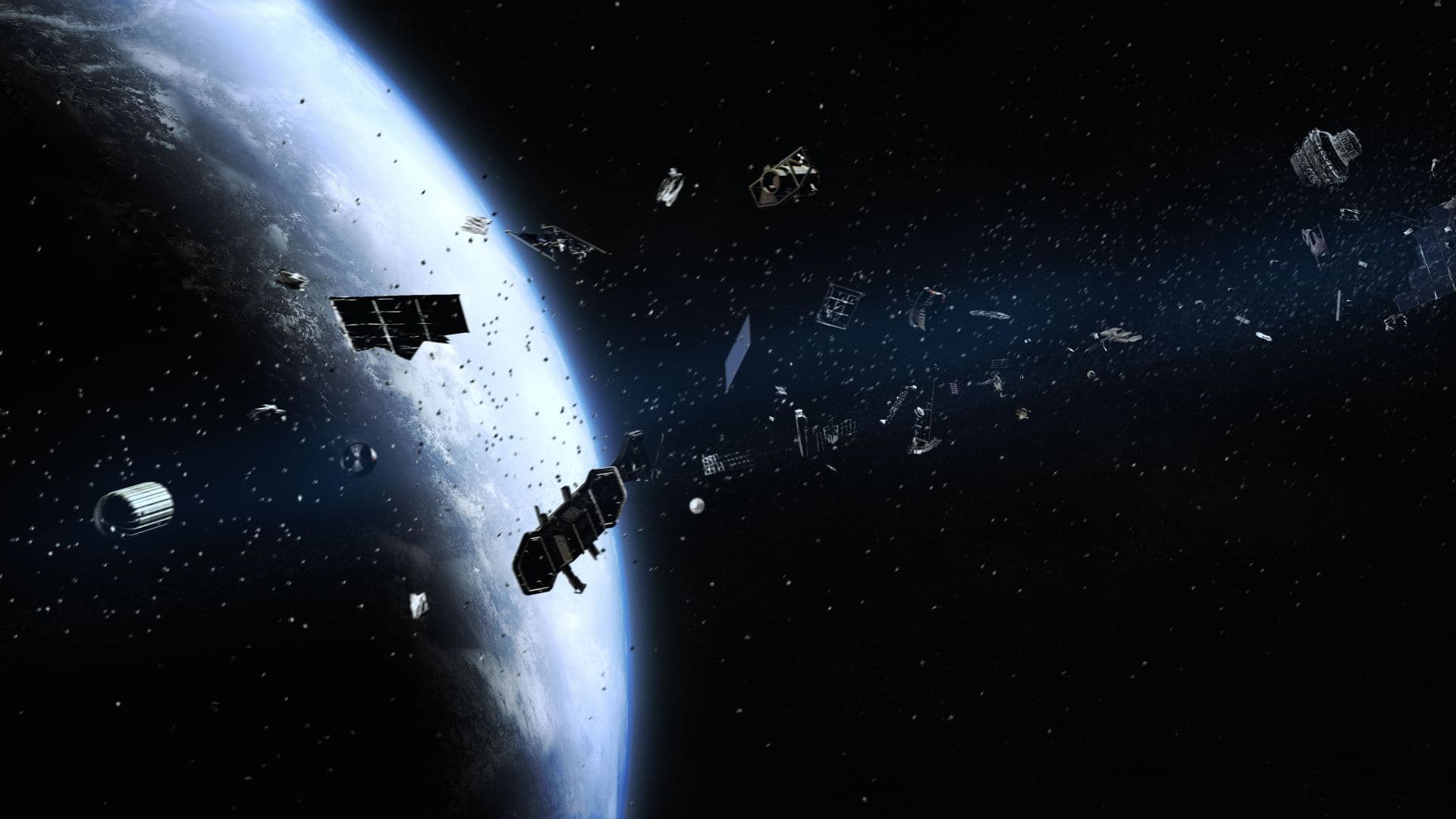
Space debris experts estimate nearly 130 million pieces of junk orbit Earth. These range from tiny fragments created by explosions and satellite deployments to massive objects like abandoned spacecraft and spent rocket stages.
The clutter threatens satellites that provide communications, navigation, weather forecasting, and national security services. A collision can create thousands of new fragments, worsening the problem in a cascade known as Kessler syndrome.
“This is about making debris removal operational, not experimental. Satellite data underpins communications, navigation, weather forecasting, and national security. Maintaining that infrastructure requires active debris management.”
— Jeff Thornburg, CEO of Portal Space Systems
Timeline and Funding
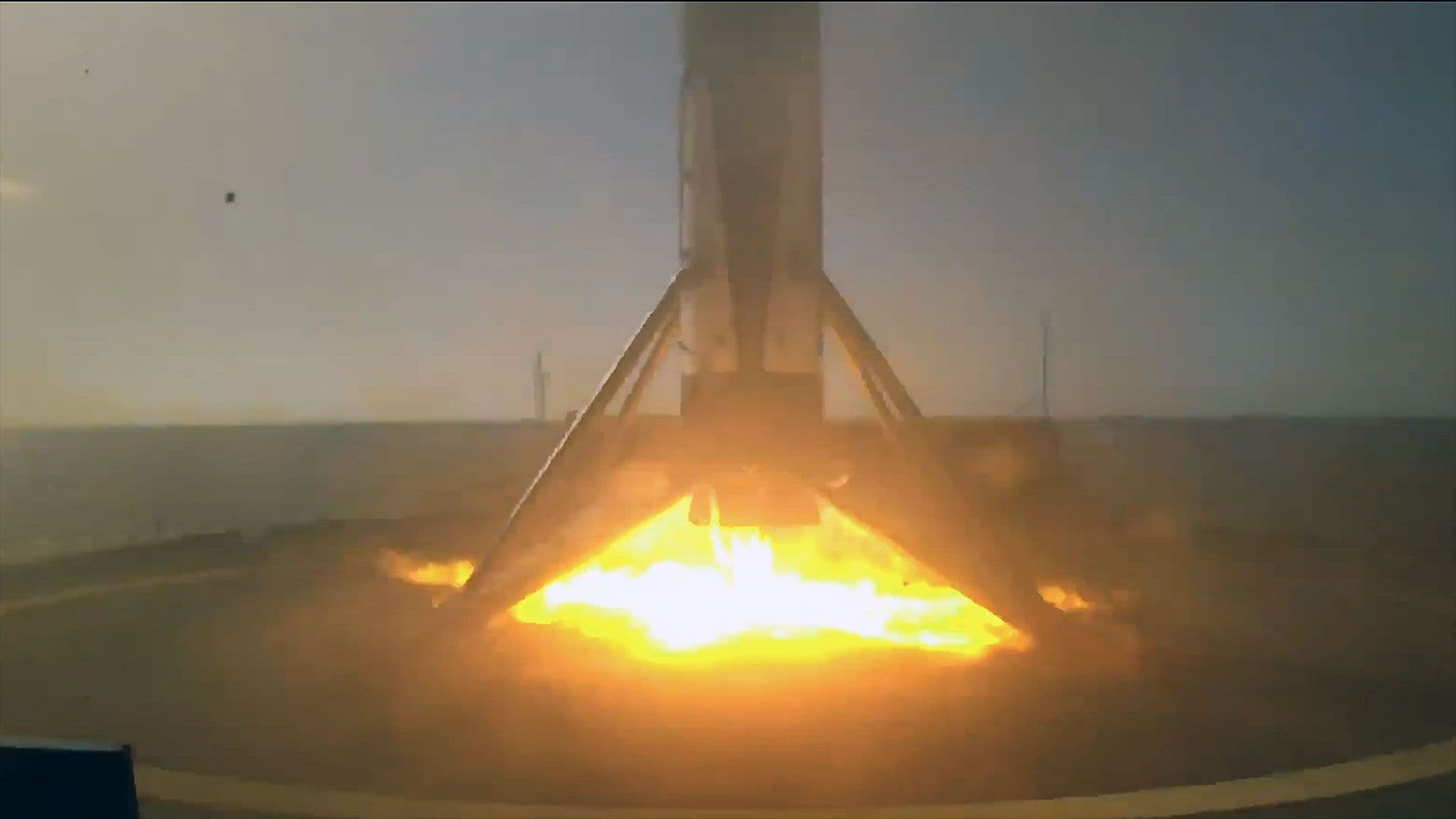
Portal plans to launch its first Starburst spacecraft, Starburst-1, in late 2026 aboard SpaceX's Transporter-18 rideshare mission. That flight would demonstrate the platform before commercial operations begin in 2027.
The company raised $50 million in Series A funding in early April. The capital will support development of the maneuverable, refuelable spacecraft.
The service has already attracted commercial interest. Portal says Starlab Space, the company developing a commercial space station, has signed a letter of intent to integrate debris removal into future station operations.
Competition in Debris Removal
Portal and Paladin are not alone in pursuing debris cleanup. Several companies have already demonstrated that capturing objects in orbit is technically feasible. Japan's Astroscale, for example, has conducted proximity operations with debris targets.
What sets the Portal-Paladin approach apart is the multi-object, small-debris focus. By targeting objects under 1 meter and removing dozens per mission, they aim to offer a service that makes economic sense for satellite operators concerned about collision risk.
The Business Model
The refuelable nature of Starburst is key to the economics. Instead of launching a new spacecraft for each debris removal mission, Portal can refuel and redeploy the same vehicle. Combined with Triton's ability to handle multiple captures per sortie, the approach could lower per-object costs substantially.
Satellite operators currently pay for collision-avoidance maneuvers, which burn fuel and shorten spacecraft life. A reliable debris removal service could reduce those costs while extending satellite operational lifespans.



Logicity's Take
Frequently Asked Questions
When will commercial space debris removal services begin?
Portal and Paladin are targeting 2027 for commercial operations, following a demonstration flight of Starburst-1 in late 2026 on a SpaceX rideshare mission.
How much space debris is currently in orbit?
Space debris experts estimate nearly 130 million pieces of junk orbit Earth, ranging from tiny fragments to abandoned spacecraft and spent rocket stages.
What size debris will the Portal-Paladin service target?
The Triton payload is designed to capture tumbling debris objects smaller than 1 meter (about 3 feet), which drive most collision-avoidance activity for satellite operators.
How is the Starburst spacecraft different from other debris removal concepts?
Starburst is designed to be maneuverable and refuelable, allowing multiple debris removal missions without launching new spacecraft each time.
Need Help Implementing This?
Source: Latest from Space.com
Manaal Khan
Tech & Innovation Writer
Produced with AI assistance and reviewed by the Logicity editorial team. Learn more in our Editorial Policy.