Key Takeaways
- Apple is in exploratory discussions with Intel and Samsung to manufacture processors at their US factories
- Capacity constraints on 3nm manufacturing nodes, not memory, are Apple's biggest supply chain issue
- Intel's 18A process and Samsung's Texas fab won't be ready for Apple-scale production for years
Two of Apple's fiercest chip rivals may soon find themselves working for the company they compete against. Apple is in early discussions with Intel and Samsung to manufacture its custom processors at US-based factories, according to Bloomberg's Mark Gurman.
Sources told Bloomberg that Apple has conducted "exploratory discussions" with both companies. Apple executives have reportedly visited a Samsung plant under construction in Taylor, Texas. The discussions remain "preliminary" and may not result in deals. All three companies declined to comment.
Why Apple Is Looking Beyond TSMC
The talks began before the current tech industry shortages affecting both Apple and its competitors. Many companies are dealing with a RAM crisis driven by demand for AI data center infrastructure. But Apple's problems run deeper than memory.
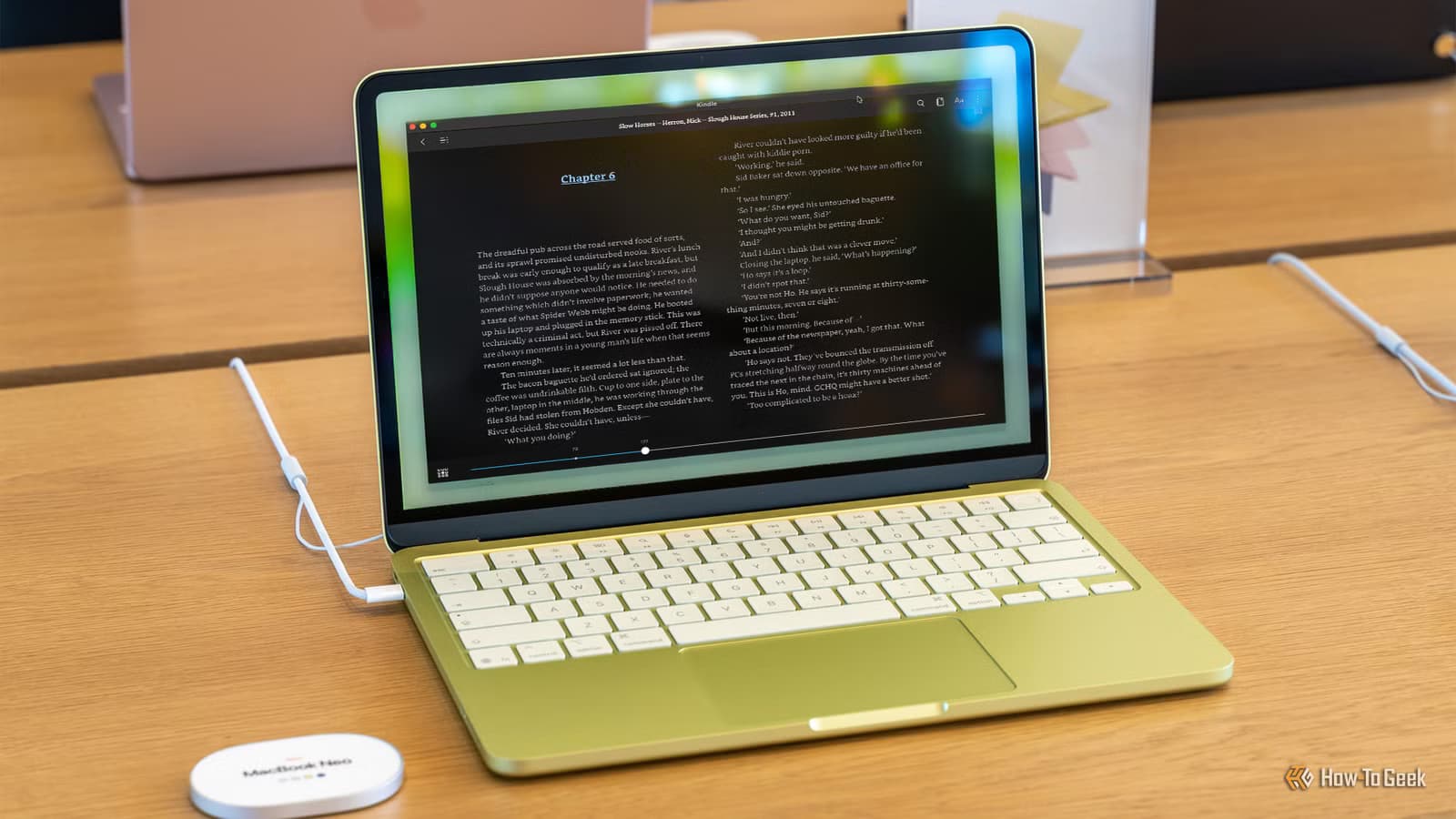
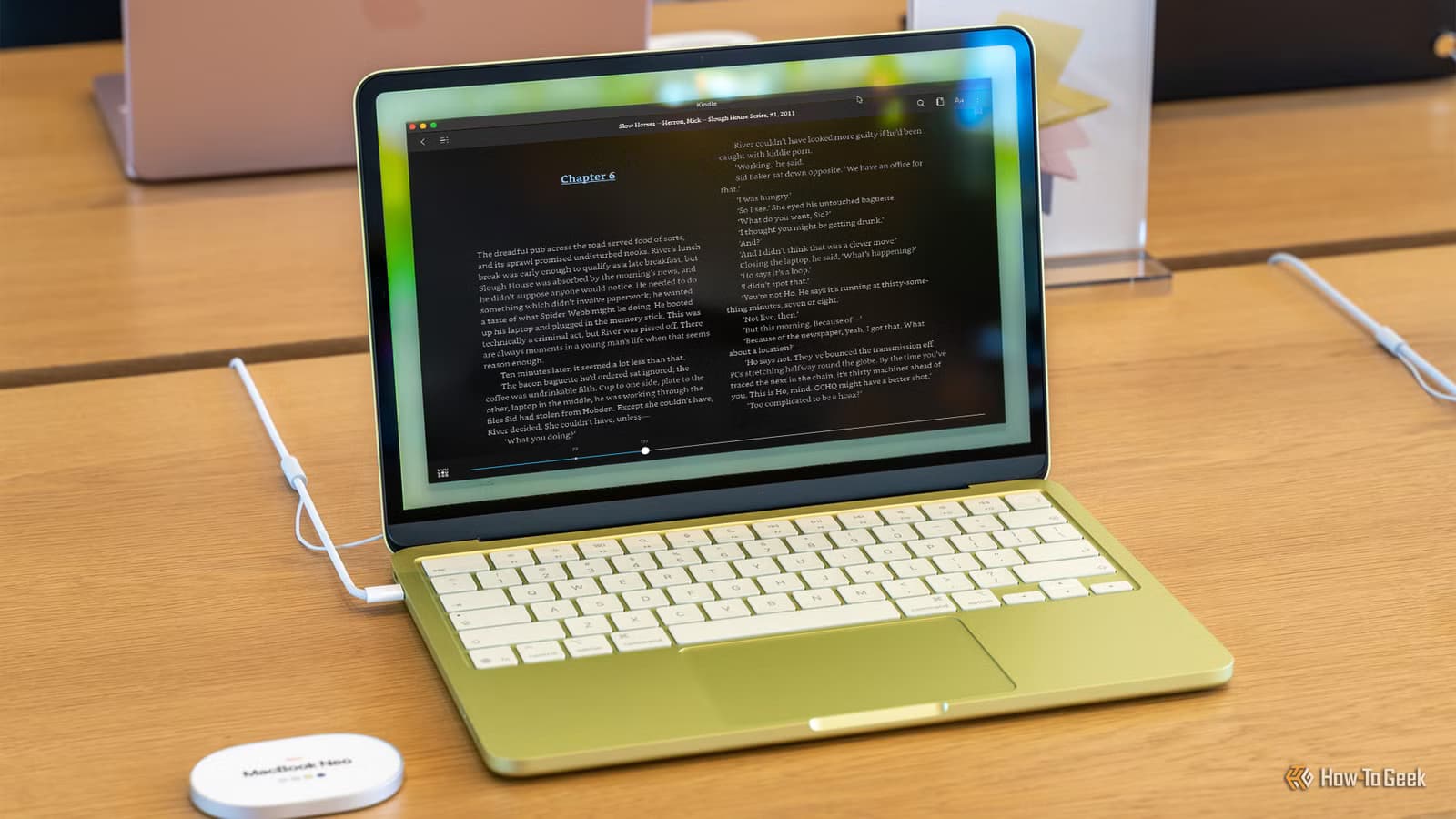
During a late April earnings call, outgoing CEO Tim Cook identified Apple's core constraint: capacity on advanced manufacturing nodes needed to produce its systems-on-chip. Most of Apple's current hardware runs on 3-nanometer processes. The MacBook Neo, iPhone 17 Pro, and M5 MacBook Pro all use 3nm chips built primarily by Taiwan's TSMC.
Demand for Apple's AI-capable desktops has been so strong that the company discontinued some Mac mini and Mac Studio models. Both machines are considered ideal for AI development work.
Logicity's Take
The US Production Pressure
Apple has faced pressure from multiple federal administrations to move more production to the United States. Currently, some components and a limited number of computers are made domestically. Most major processors and complete devices are built abroad.
The Trump administration has been particularly protective of Intel, making a non-controlling investment in the company to support its recovery. Having Apple as a customer would further bolster Intel's foundry business.
When Could This Actually Happen?
Even if Apple rushes to finalize deals, Intel- or Samsung-built chips in Macs and iPhones are years away. The manufacturing processes must be operational and capable of handling Apple's massive production volumes.
Intel only began producing chips on its 18A (1.8nm) process at its Arizona plant in the second half of 2025. The company is still scaling up as it manufactures Core Ultra Series 3 and Core Series 3 processors for its own product lines.
Samsung's Taylor, Texas facility is still under construction. High-volume production at the scale Apple requires won't happen quickly.
What This Means for the Chip Industry
If Apple diversifies away from TSMC, even partially, the ripple effects would be significant. TSMC has been Apple's exclusive chip manufacturer since the company began designing its own silicon. Losing even a portion of that business would affect TSMC's revenue projections.
For Intel, an Apple contract would validate its foundry strategy. Intel has been trying to transform from a company that only makes its own chips into one that manufactures for other customers. Landing Apple would be the ultimate proof point.
Samsung's foundry business has struggled to match TSMC's yields and performance. An Apple partnership could provide both the revenue and the technical pressure needed to close that gap.
More on Samsung's hardware strategy
Frequently Asked Questions
Is Apple leaving TSMC?
No. Apple is having exploratory discussions with Intel and Samsung, but these are preliminary talks that may not lead to deals. TSMC remains Apple's primary chip manufacturer.
When would Intel or Samsung start making Apple chips?
Years away at minimum. Intel's 18A process is still scaling up, and Samsung's Texas plant is under construction. Both would need time to reach Apple's required production volumes.
Why is Apple looking for new chip manufacturers?
Apple faces capacity constraints on advanced 3nm manufacturing nodes. CEO Tim Cook identified this, not memory, as the company's biggest supply chain challenge.
Would Intel-made Apple chips perform differently?
Performance would depend on the manufacturing process quality. Intel's 18A process is competitive with TSMC's advanced nodes, but yields and consistency take time to optimize.
Need Help Implementing This?
Source: How-To Geek
Huma Shazia
Senior AI & Tech Writer
Produced with AI assistance and reviewed by the Logicity editorial team. Learn more in our Editorial Policy.