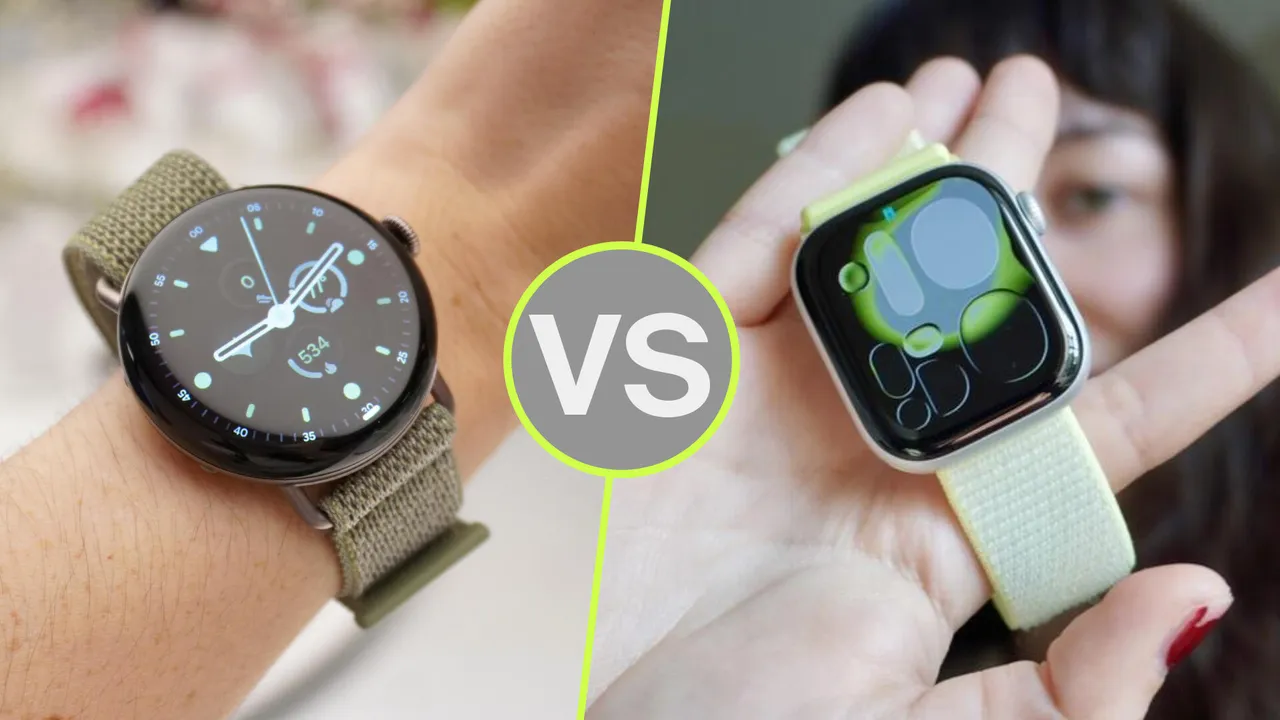
Google's Pixel Watch 5 can now track blood pressure patterns and insulin resistance, two health metrics that previously required dedicated medical devices. The smartwatch, announced at Made by Google on August 12, starts at $399 for the 41mm version and ships August 20.
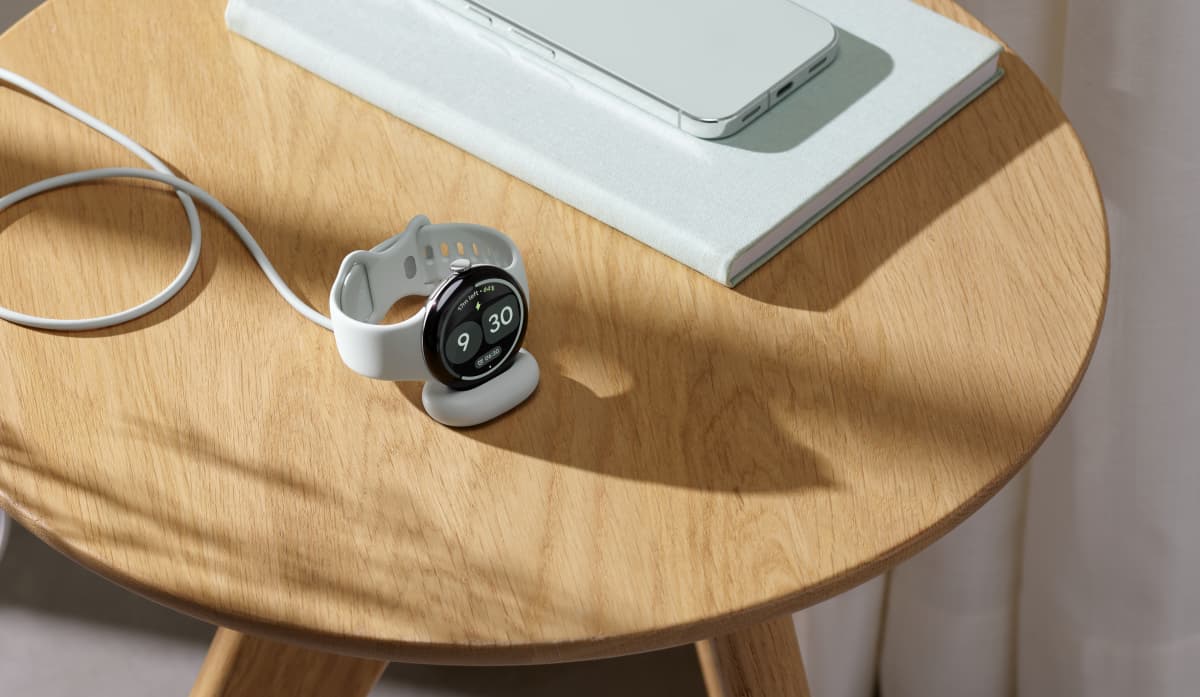
The headline feature is Health Guardian, a suite of sensors and machine learning models that monitor metabolic and cardiovascular signals over time. Google says the blood pressure tracking was validated against 24-hour ambulatory monitors using a waveform model trained on more than 1 billion minutes of data from over 500,000 people. Users get monthly summaries of their blood pressure and insulin resistance trends.
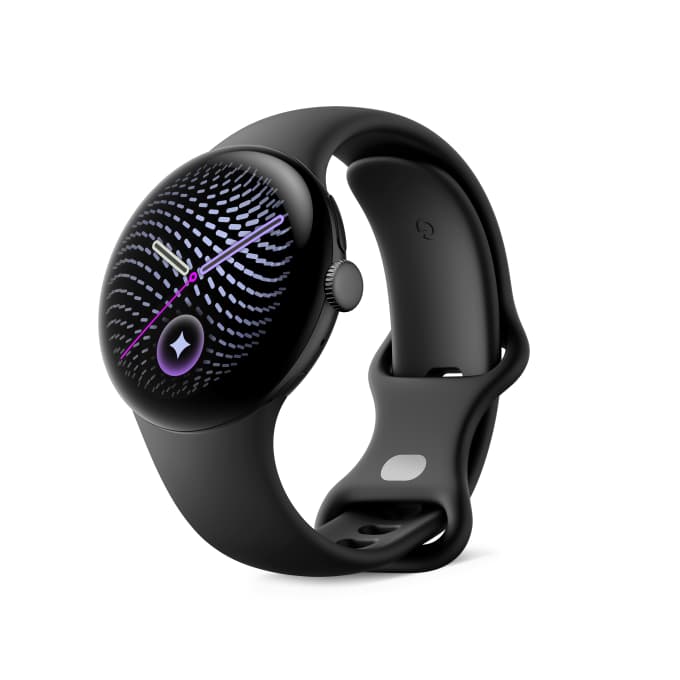
How insulin resistance tracking works
NEW Google Pixel Watch 5 (Blood Pressure, Insulin Resistance, Strength Training)
The insulin resistance feature combines signals from sleep, heart rate, and physical activity. A sensor model analyzes these inputs over weeks to detect long-term metabolic shifts that may indicate prediabetes risk. Google stops short of calling it a diagnostic tool, framing it instead as a way to spot changes before a doctor's visit.
A separate feature detects persistent drops in oxygen saturation and can contact emergency services if it determines a breathing emergency is occurring. This launches first in select European countries before expanding elsewhere.
Gemini goes offline
Gemini on the watch now handles timers, alarms, and workout controls without a network connection. On-wrist queries still work for nearby restaurant suggestions with navigation, and the assistant can pull context from incoming texts. Google's example: your sister texts you a smoothie spot, and the watch surfaces it before you ask.
The watch face itself now displays live updates at the bottom, things like flight info and ETAs, without requiring users to open an app.
Hardware and battery life
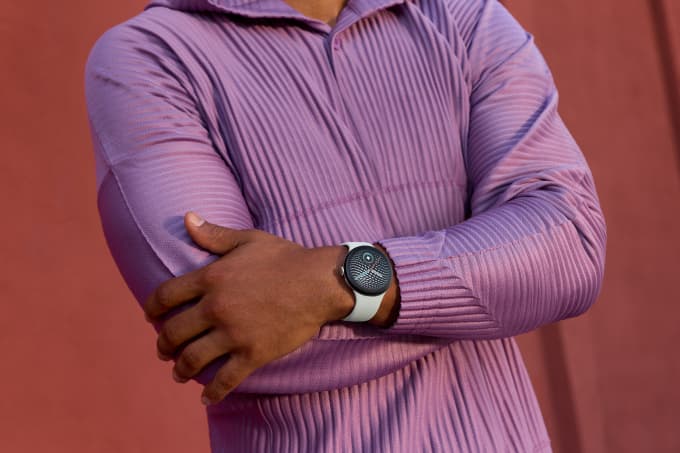
The Watch 5 runs on Qualcomm's Snapdragon W5 Gen 2 platform. Google claims 12% more CPU performance and 50% more RAM than the previous generation, translating to a 20% overall speed bump. Battery life reaches up to 40 hours.
Sleep tracking gets a 15% accuracy improvement in stage detection. A new Smart Wake feature attempts to wake users at an optimal point in their sleep cycle, and a bedtime watch face dims distractions. GPS route accuracy is now twice as precise as the Pixel Watch 4, which matters for runners who want their recorded distance to match the actual course.
Pricing and availability
The 41mm Pixel Watch 5 costs $399; the 44mm version is $429. New color options include Canyon Fog and Olive. Preorders opened August 12, with general availability on August 20.
Logicity's Take
Health Guardian marks a clear shift from fitness tracking to preventive health monitoring. Apple Watch has offered irregular heart rhythm detection for years, but blood pressure patterns and insulin resistance are new territory for a consumer device. The real test is accuracy in the wild, not just against clinical monitors in controlled studies. For enterprise buyers considering wearables in wellness programs, the monthly trend reports could justify the $399 entry, though competing devices from Samsung and Garmin still lead on multi-day battery life.
Covers Google's broader strategy of shipping AI features over hardware upgrades
Google did not announce FDA clearance for any of the new health features. The blood pressure and insulin resistance tools are framed as wellness insights, not medical diagnoses. That distinction matters for users expecting clinical-grade data.
Need Help Implementing This?
Logicity helps CTOs and product teams evaluate wearable platforms for enterprise wellness and employee health programs. Reach out for a vendor comparison or integration roadmap.
Source: TechCrunch / Aisha Malik
Huma Shazia
Senior AI & Tech Writer
Produced with AI assistance and reviewed by the Logicity editorial team. Learn more in our Editorial Policy.