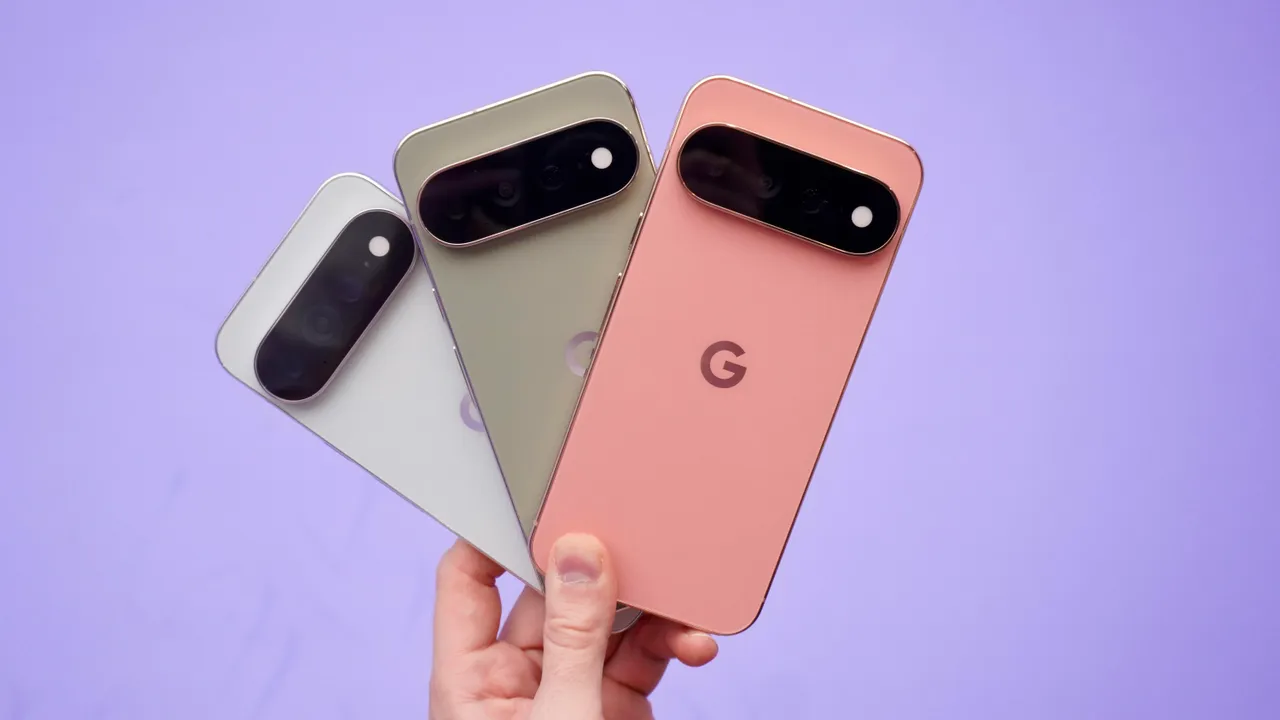
Google's Pixel 11 Pro ships with Magic Capture, a camera mode that records video while Gemini AI analyzes 500+ frames and pulls out the best stills automatically. The feature targets parents filming recitals and concertgoers who want photos without staring at a screen the entire time.
Announced today alongside the Pixel 11 series, Magic Capture joins three other AI-driven camera upgrades: 120X zoom, Instant Night Sight, and improved low-light processing on the Tensor G6 chip. Isaac Reynolds, Google's camera chief, framed the additions as tools for casual photographers who want professional results without professional gear.

How Magic Capture works
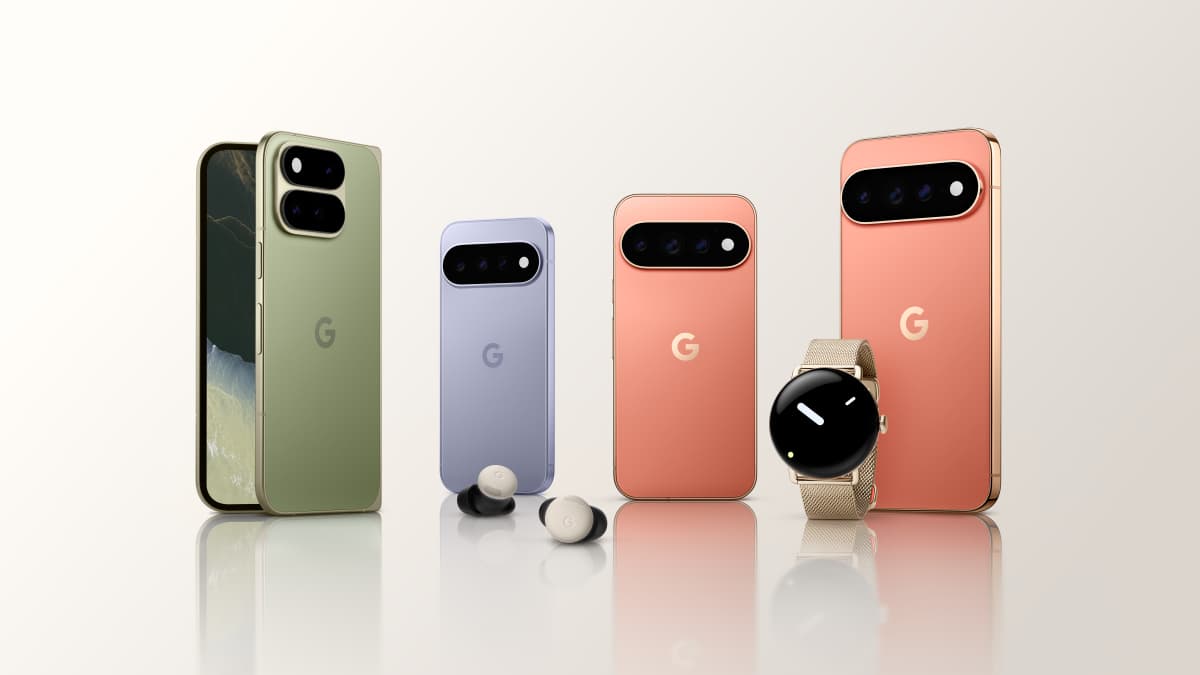
Google’s Pixel 11 puts Gemini Intelligence at the center of the smartphone
Magic Capture sits as a dedicated mode alongside Photo and Video in the Pixel camera app. Tap it, and the phone begins recording a two-minute video. From there, prop the phone up or hold it at your side. Gemini models watch the scene, identify what Google calls "peak" moments, and save full-resolution stills of those frames.
The video itself records at 1080p, though Pixel 11 Pro owners can use Video Boost to upscale it to 4K later. The photos, however, come out at the sensor's native resolution. In hands-on demos, Google showed the feature cropping and lightly editing compositions based on what Gemini thought looked best.
Reynolds pitched the feature as a fix for a problem he sees constantly: people hiding behind cameras instead of watching their own lives. "That is sort of the dream of so many people who refuse to take their phones out at an event because they don't want their kid to remember their face hidden behind a camera," he said.
The concept echoes Google Clips, a standalone AI camera from 2018 that flopped. The difference is intentionality. Clips tried to capture everything passively. Magic Capture asks you to point the phone at something worth recording, then lets the AI handle timing.
120X zoom adds AI-generated pixels
The Pixel 11 Pro pushes digital zoom to 120X, up from 100X on last year's Pixel 10 Pro. At extreme magnifications, the phone uses machine learning to stitch frames together, but now it also fills in details with AI-generated pixels. Google has used Super Res Zoom since the Pixel 7 Pro in 2022, which topped out at 30X. Reynolds says that feature alone caused a dramatic spike in how often users zoom.
The pitch is aspirational: give someone 120X zoom on their phone, and maybe they get curious about wildlife photography. After practicing on their Pixel, they invest in a proper camera and lens. "There's a reason I work on low light and zoom every single year," Reynolds said. "Because no matter how much I do it, when I do the user study with thousands of respondents, people always want more."
Instant Night Sight speeds up low-light shots
Night Sight has required users to hold still for several seconds while the phone captures and merges multiple exposures. On the Pixel 11 Pro and Pro XL, a new Tensor G6 processor enables Instant Night Sight, which Google says is 4.5 times faster than the standard mode. That should reduce blur from shaky hands and moving subjects.
Google did not release sample images or detail exactly how fast Instant Night Sight fires, but cutting capture time by 4.5X would bring a typical 2-second Night Sight shot under half a second.
Logicity's Take
Magic Capture is the most interesting feature here because it changes behavior, not just output. Google is betting that removing friction (holding a phone, tapping at the right moment) matters more than adding megapixels. The 120X zoom claim sounds impressive but relies on generative fill, which raises questions about photographic authenticity. For product teams building consumer AI, the lesson is clear: automation that gives users their time back often beats automation that gives them more data.
What Google is really selling
Reynolds' framing is revealing. He describes these features as on-ramps for casual photographers, not destinations. The Pixel camera is a gateway drug to "real" photography. That's an unusual argument for a flagship phone. It suggests Google sees the Pixel's camera as a differentiator against Apple and Samsung but not a replacement for dedicated gear.
The subtext: hardware improvements are slowing. Software, powered by on-device AI and cloud processing, is where Google thinks it can still win year over year. Magic Capture, generative zoom, and faster Night Sight all depend on Gemini and the Tensor G6. The sensor itself is almost beside the point.
Compares the Pixel 11 Pro's AI camera approach against Apple's latest
Need Help Implementing This?
Contact Logicity for help evaluating AI-driven product features or building ML pipelines for your own applications.
Source: Feed: Artificial Intelligence Latest / Julian Chokkattu
Manaal Khan
Tech & Innovation Writer
Produced with AI assistance and reviewed by the Logicity editorial team. Learn more in our Editorial Policy.